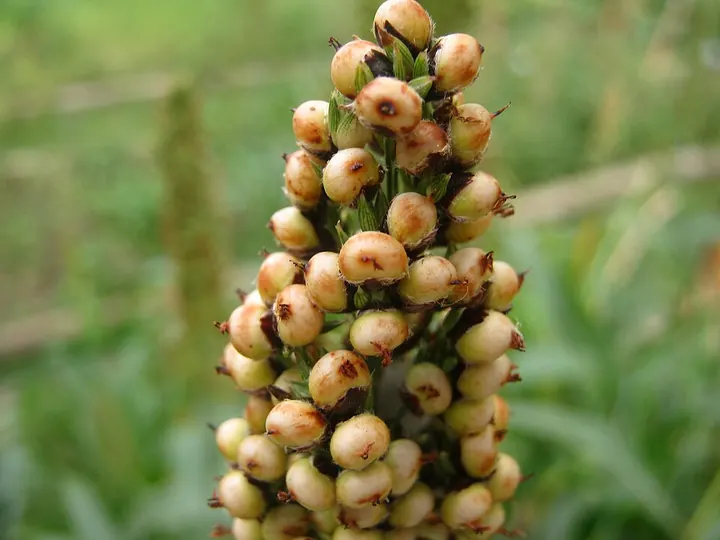
Sorghum
Sorghum bicolorLiliopsida › Poales › Poaceae
Up to 3,000 seedsOne flowerhead on this grass can hold up to 3,000 seeds.
Field Guide · Chapter 27 of 29
Swipe across, tap a card to turn it over, then scroll down its back. Try Look closer on a front, spin a globe, and lift the question on a park sign.
One flowerhead on this grass can hold up to 3,000 seeds.
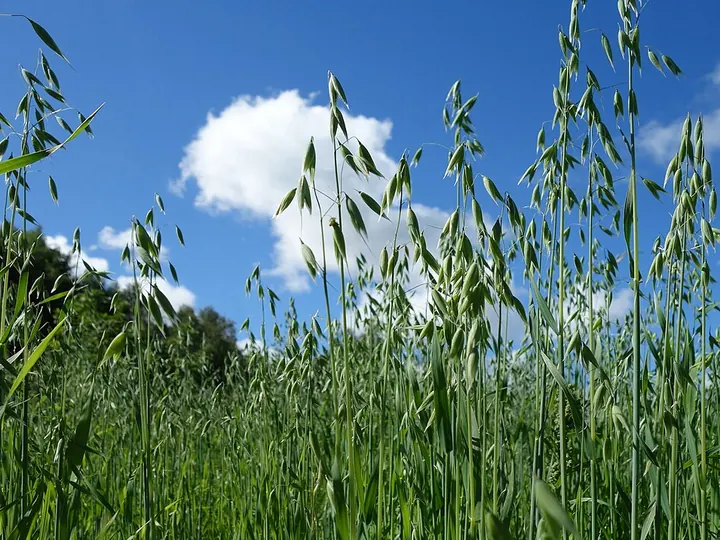
Oat hulls are a source of furfural, a chemical used for making nylon.
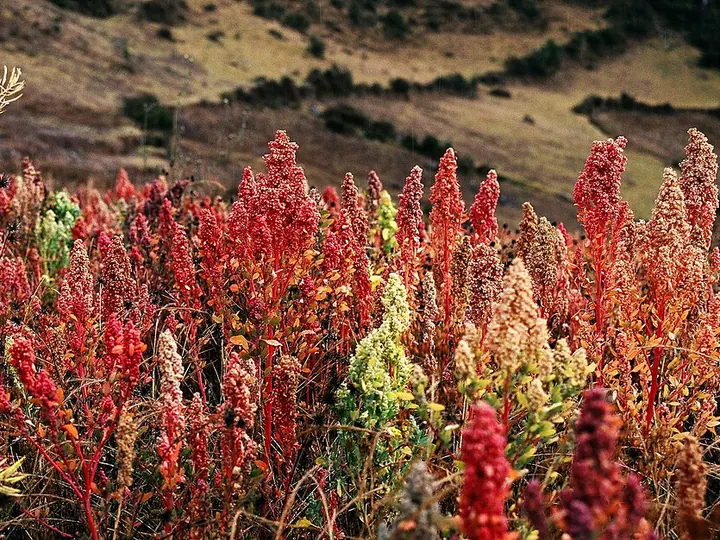
Quinoa is not a grass. It is a pseudocereal, botanically related to spinach.
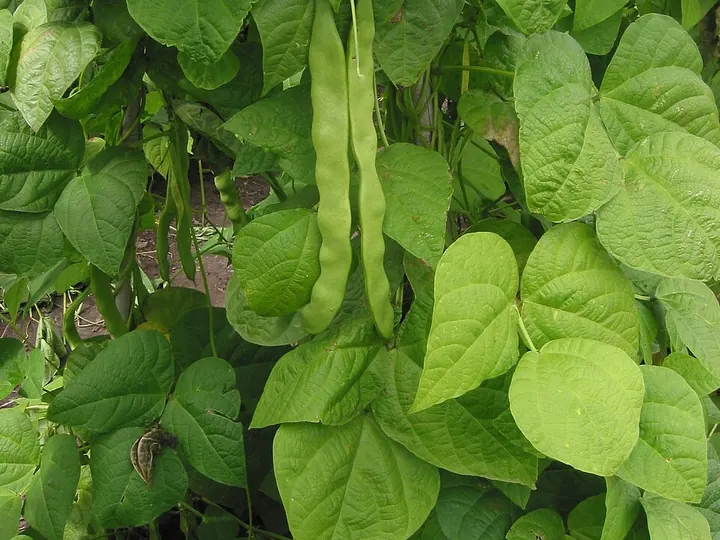
The common bean is the most eaten bean in the world, and it is native to the Americas.
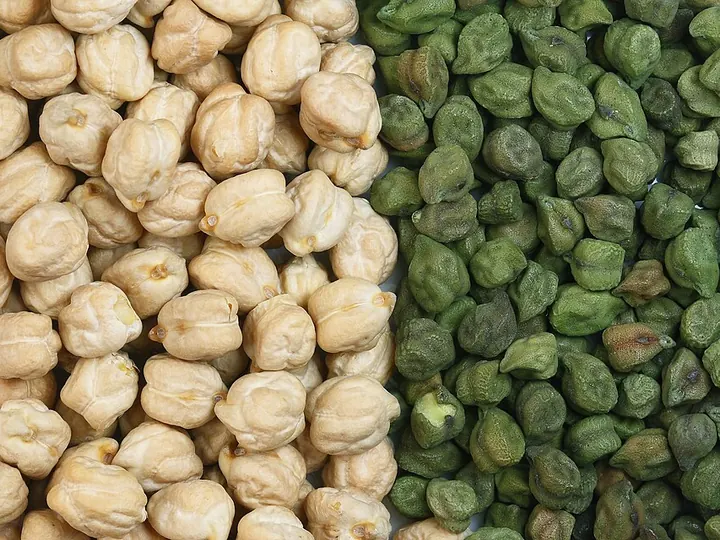
Among the first legumes ever farmed, and the oldest proof of it was found in Syria.
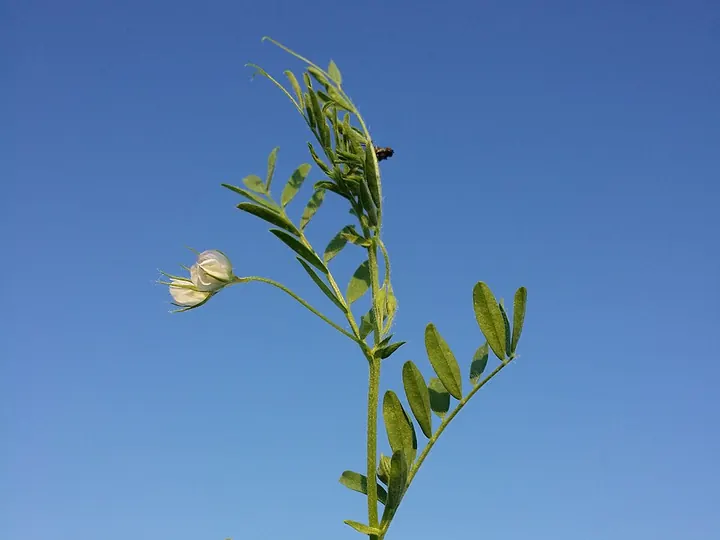
Lentils can fix nitrogen from the air into the soil, helped by specific rhizobia bacteria.
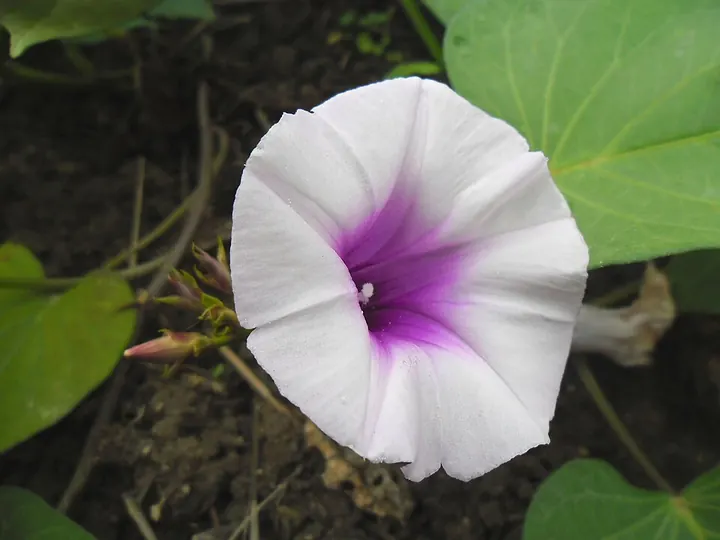
In parts of North America, darker sweet potatoes are called yams, but true yams are even more distant.
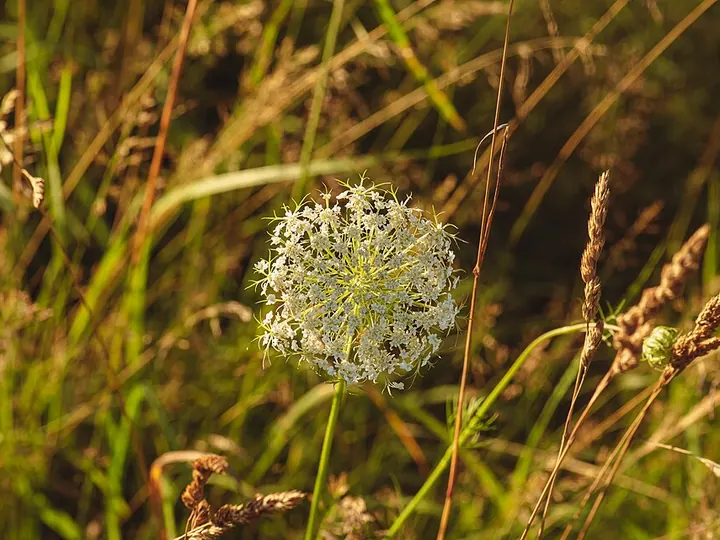
The carrot we eat is a domesticated form of this wild plant.
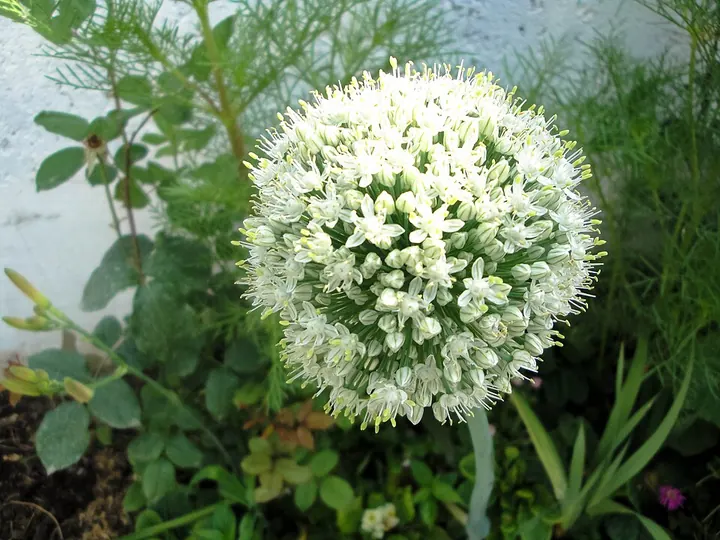
Boil the papery skins of an onion and the water turns into an orange-brown dye.
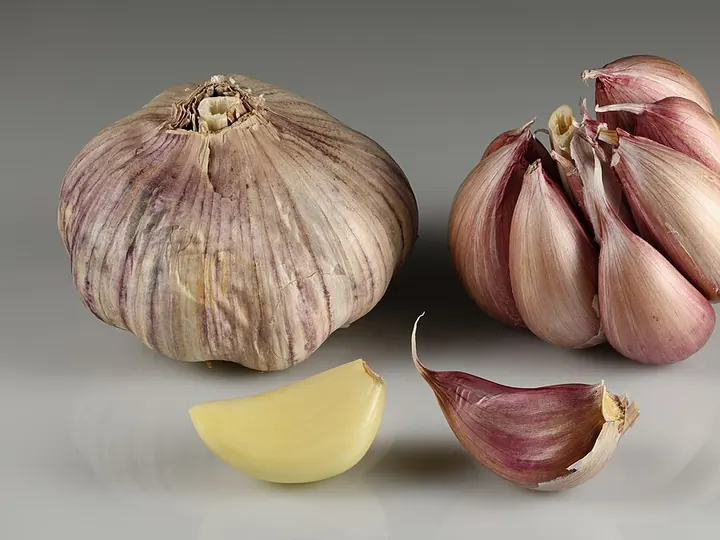
Planted at the right time and depth, garlic can grow as far north as Alaska.
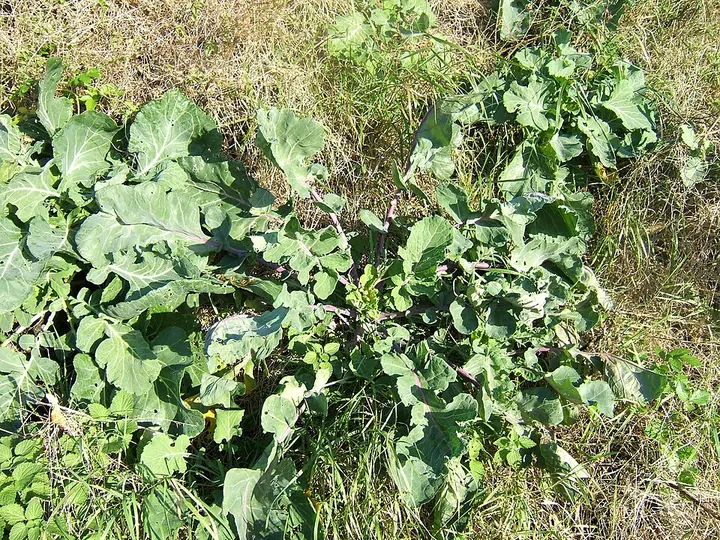
This one wild plant has been bred into cabbage, broccoli and kale.
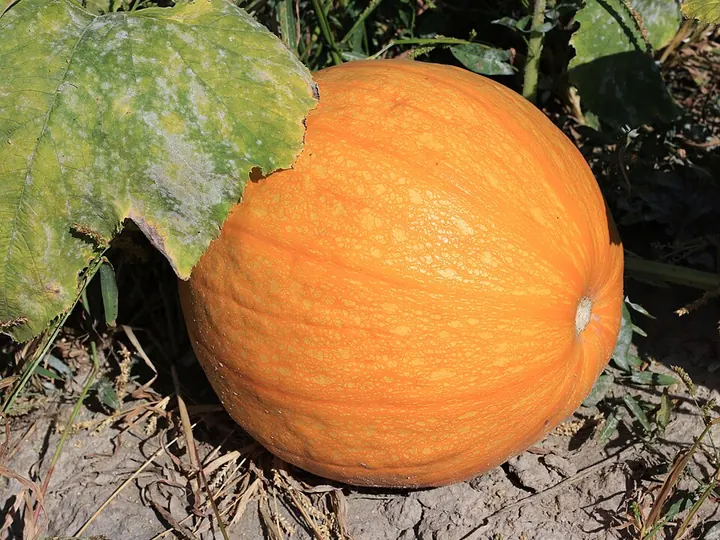
Pumpkins and summer squash are one species, and they can interbreed.
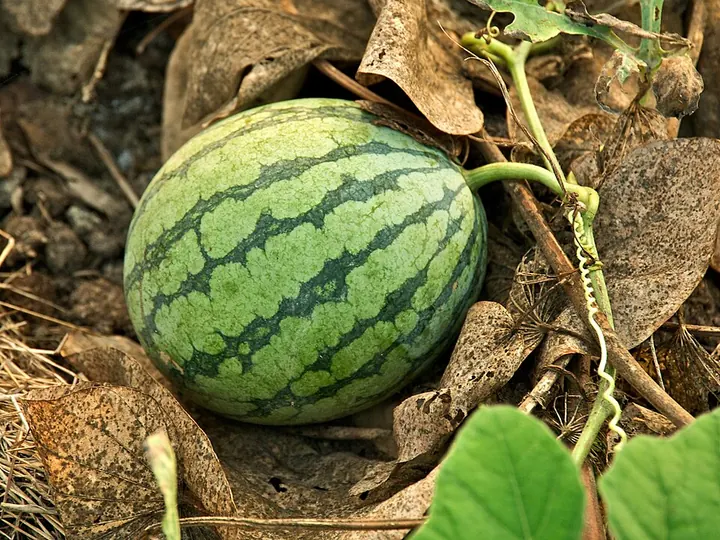
Even the rind is food, once it is pickled or cooked.
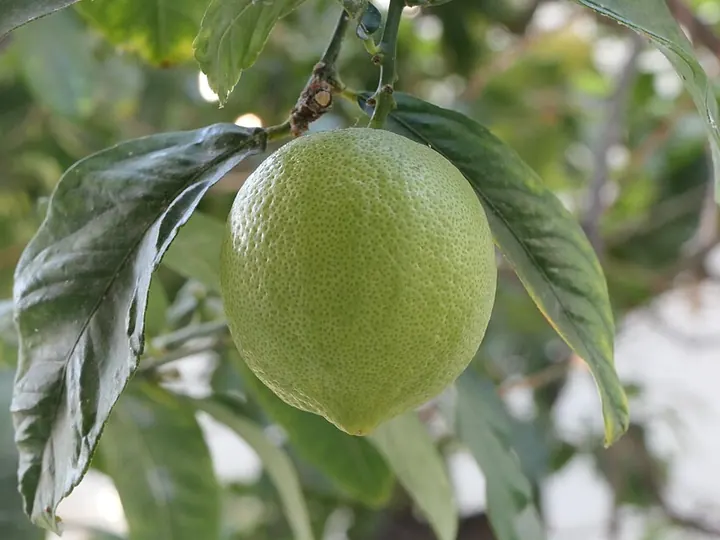
Lemons were once the main commercial source of citric acid, before fermentation took over.
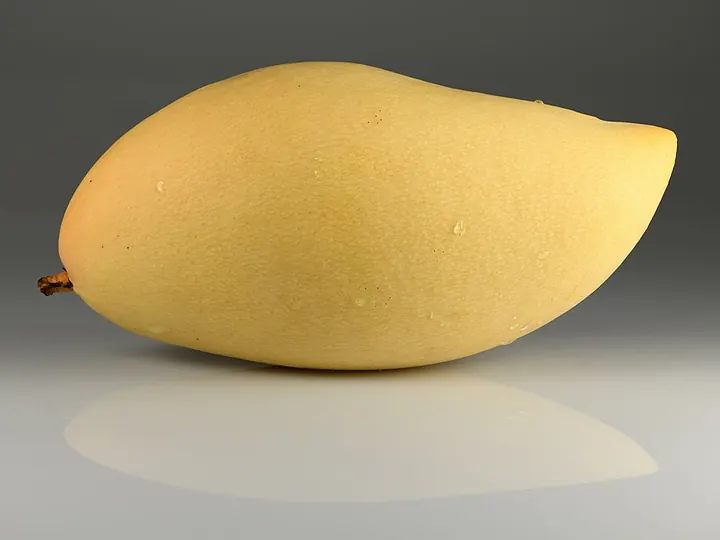
Some people get a skin rash from a mango peel.
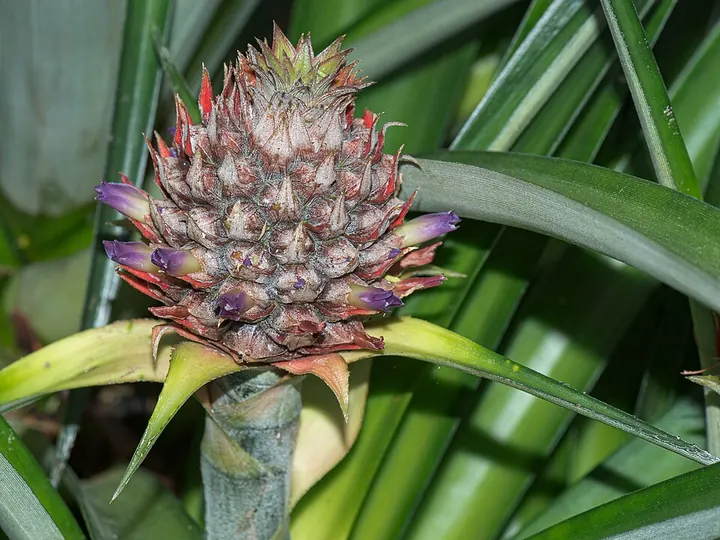
A pineapple's skin spirals in Fibonacci numbers, usually 8 one way and 13 the other.
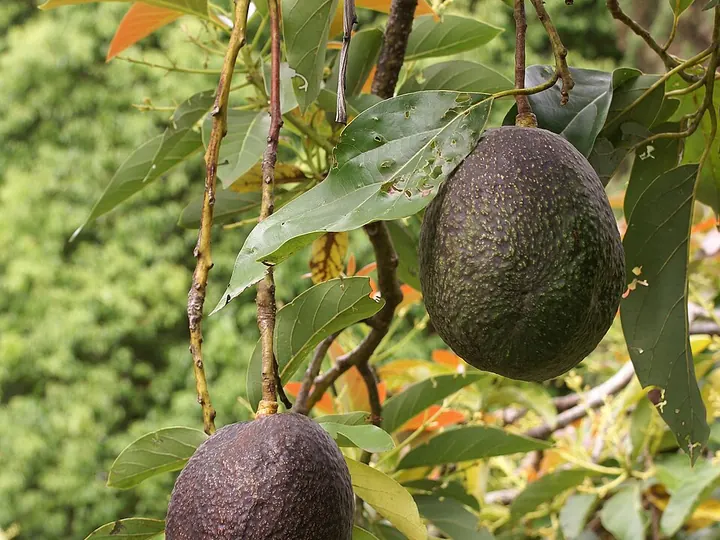
Its flowers switch from female to male, and the order differs by cultivar.
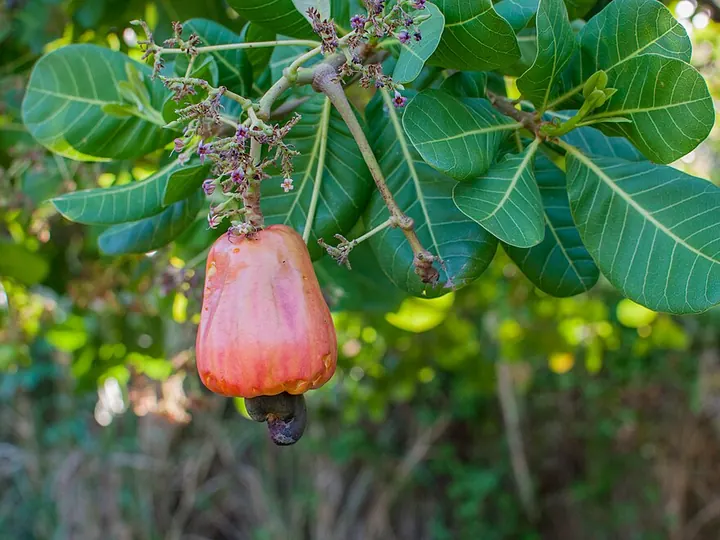
The true fruit is the nut, growing at the end of the cashew apple.
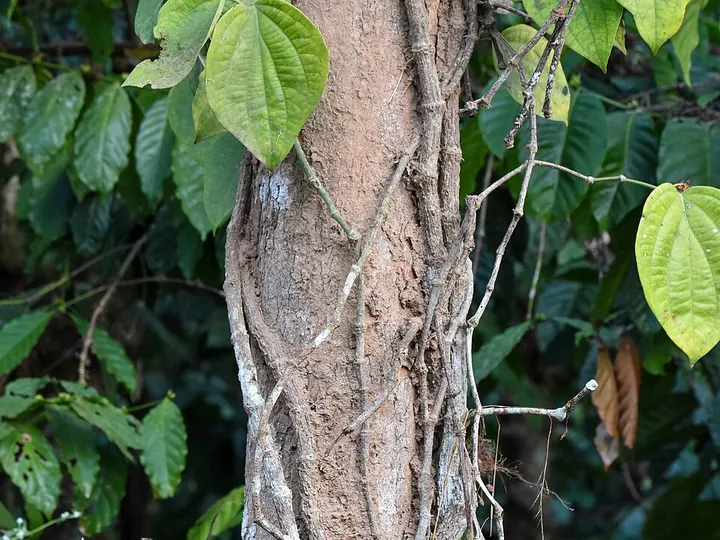
For the ancient world, one coast of India was the only source of pepper.
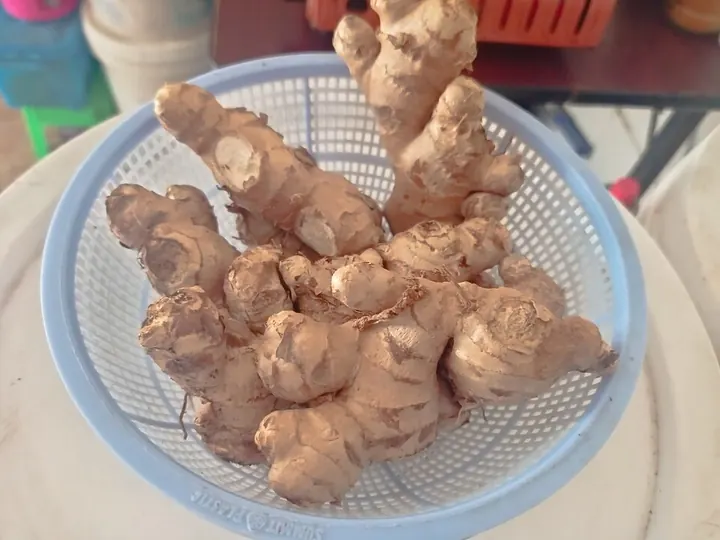
Ginger does not exist in its wild state. It is a true cultigen.
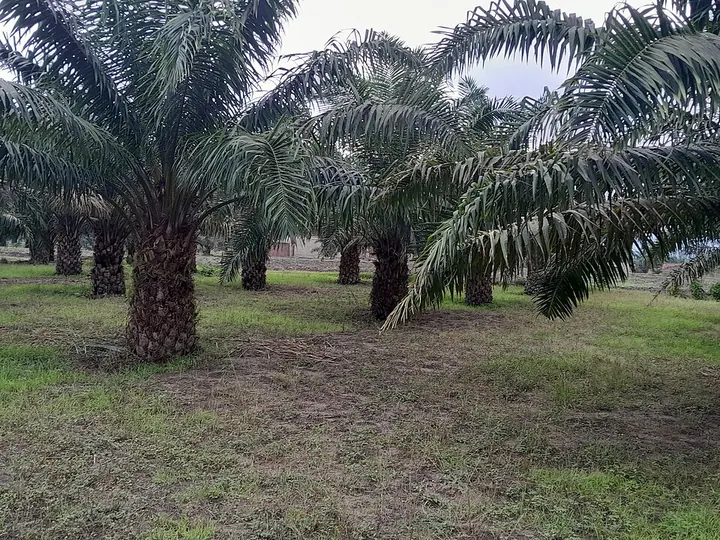
It is the principal source of palm oil.
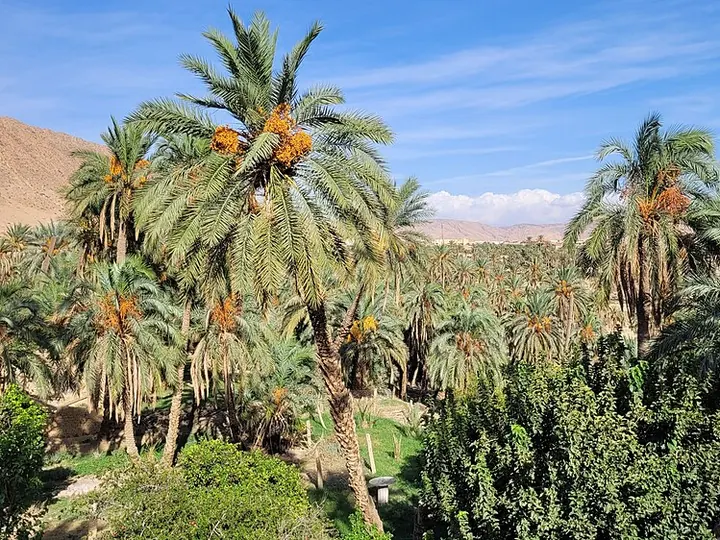
Grown from seed, only half the palms are female and bear fruit.
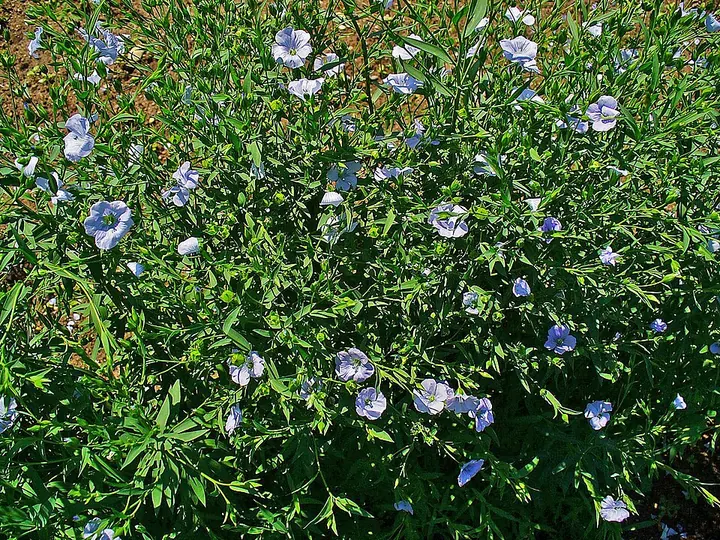
Flax stem fiber beats cotton on strength, two to three times over.
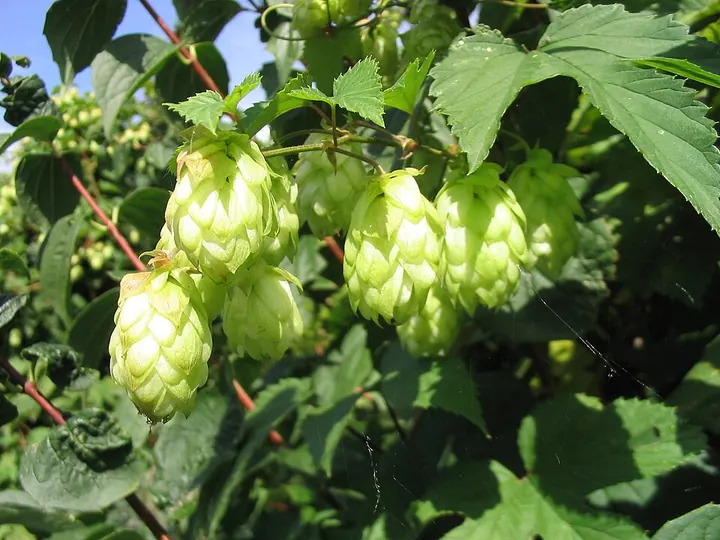
The cones that flavor beer are female flowers, and they are called hops.
Every photograph and every outline comes from a real, openly licensed image, credited at the bottom of its card. Only plain charts are drawn.
The words on these cards are written by AI from the sources named on each card. Software matched every number and claim to a sentence in those sources. Mistakes are still possible, so follow a card's links before relying on it.
Globe dots are real recorded sightings from GBIF. Where a card says native range only, they are clipped to that range. Otherwise they can include zoos, gardens and places the species was introduced.