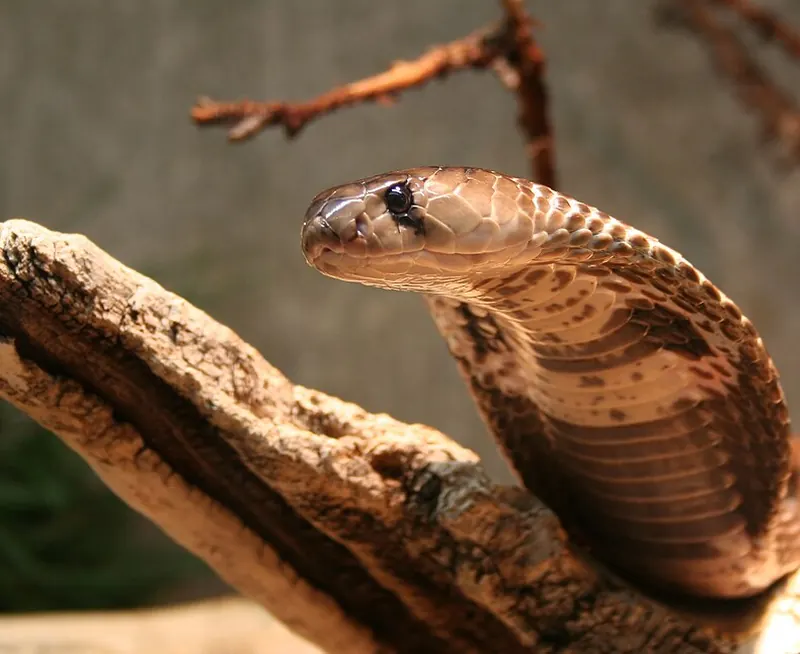
Squamata › Elapidae
Indian cobra
Most 1 to 1.5 m
The cobra cannot hear the pipe it seems to dance to. It is provoked into a striking position instead.
Field Guide · Chapter 11 of 29
Swipe across, tap a card to turn it over, then scroll down its back. Try Look closer on a front, spin a globe, and lift the question on a park sign.
The cobra cannot hear the pipe it seems to dance to. It is provoked into a striking position instead.
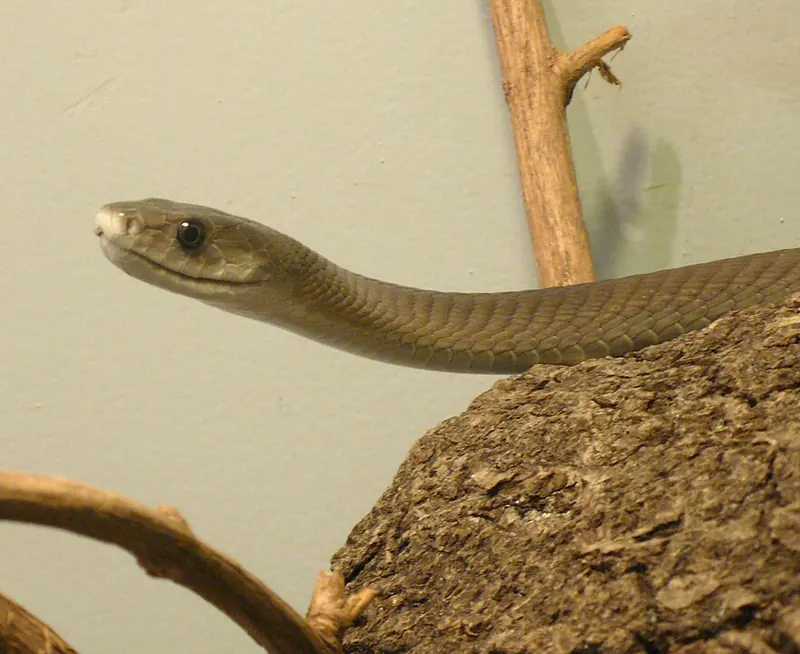
The black mamba is not black. Its name describes the inside of its mouth, which it opens when threatened.
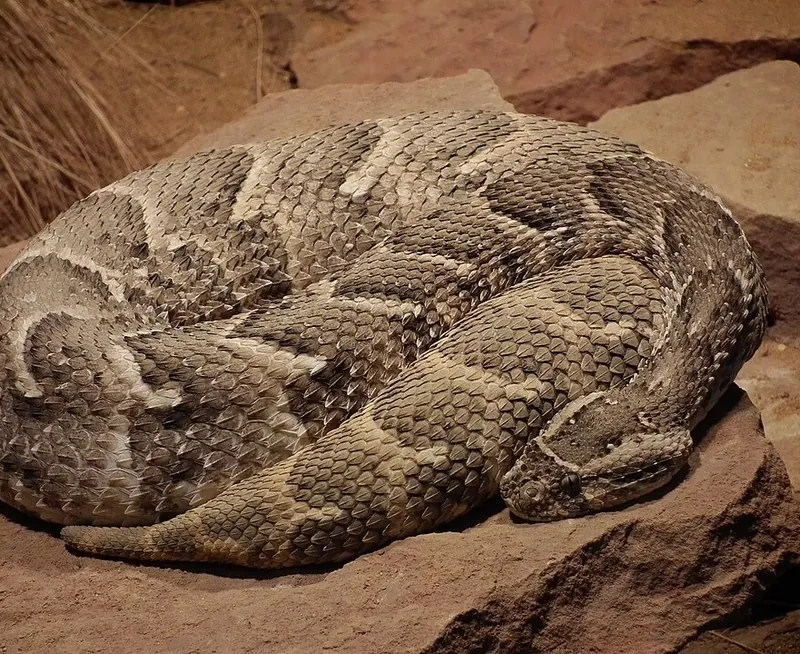
It causes more snakebite deaths in Africa than any other African snake.
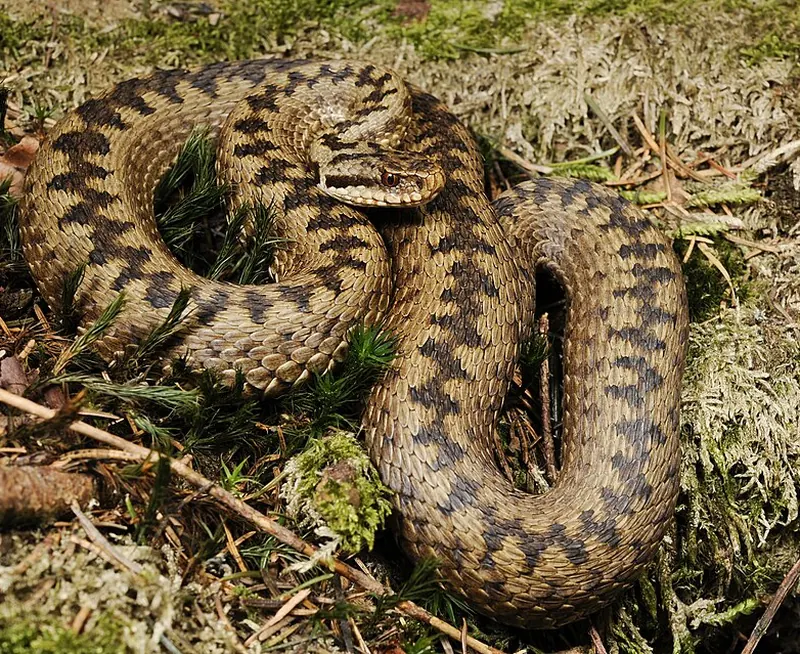
It lives farther north than any other snake species.
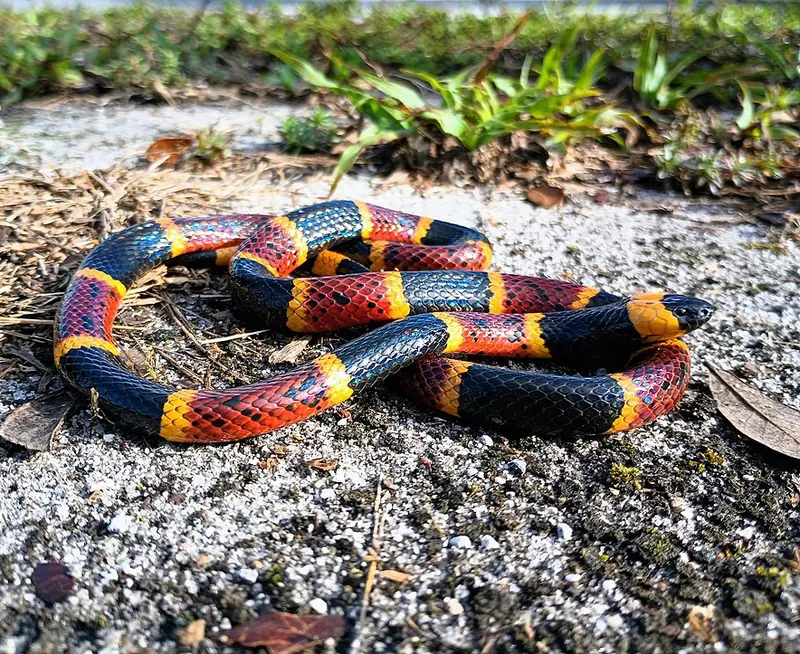
It is the only known venomous snake in North America that lays eggs.
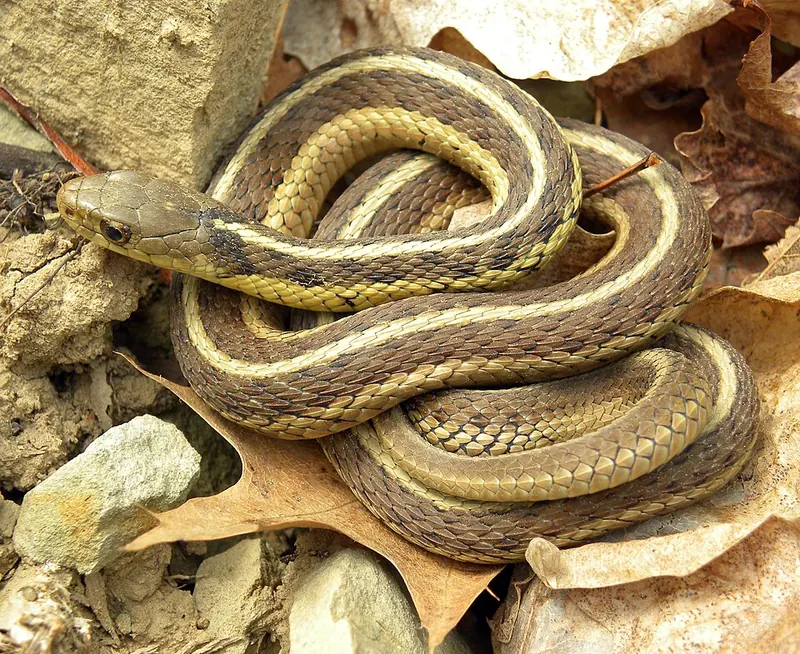
It can keep poisons from the amphibians it eats, and that deters predators.
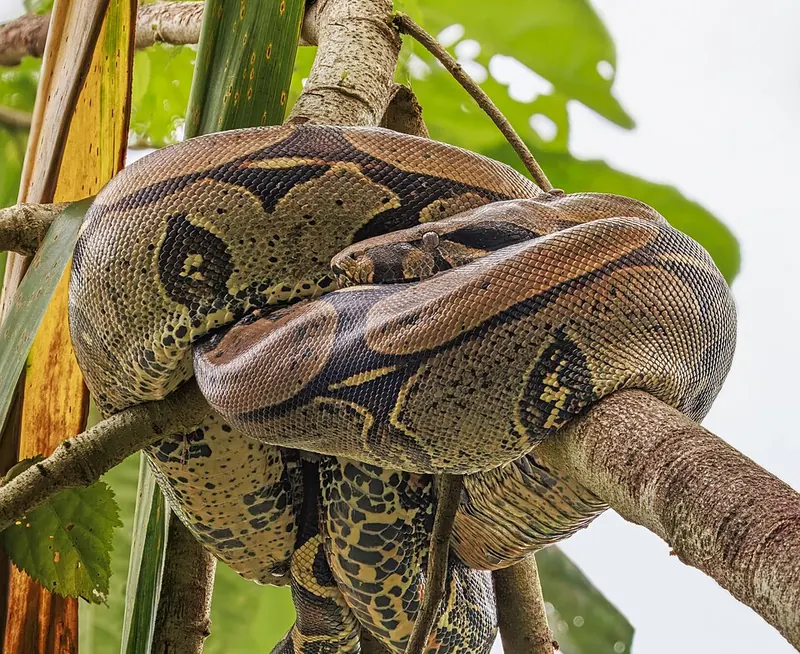
A report of an 18.5 ft boa turned out to be a green anaconda.
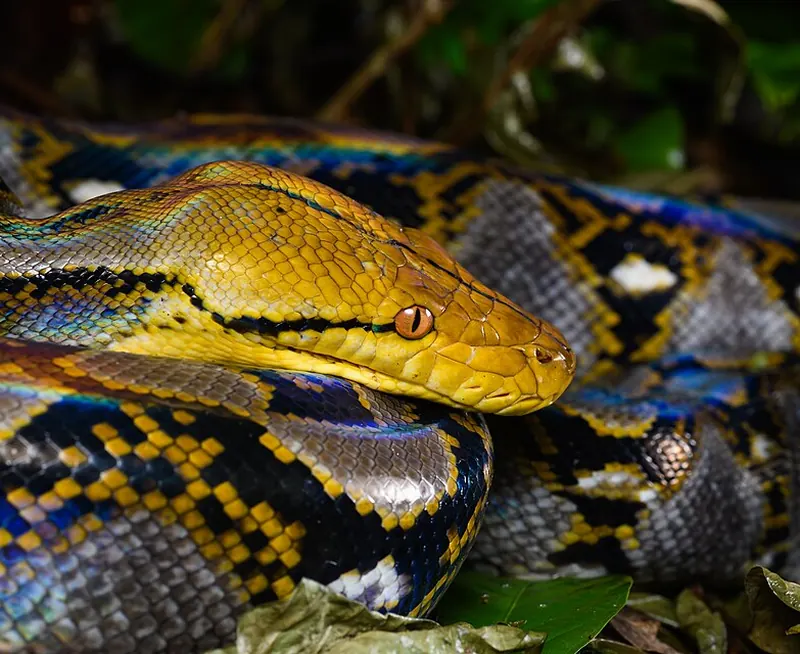
Non-venomous, and a strong enough swimmer to be reported far out at sea.
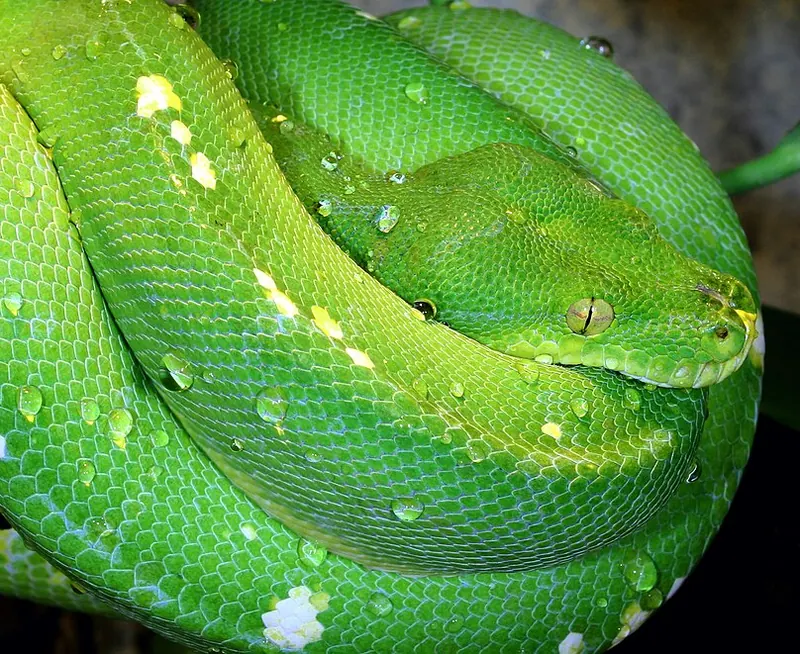
People mistake it for an emerald tree boa when it is seen outside its natural habitat.
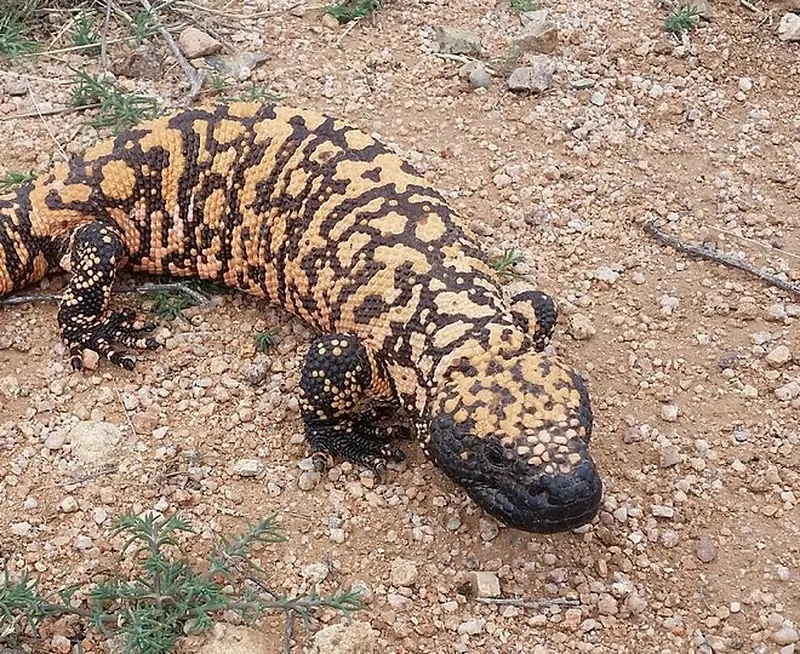
The only lizard in the United States that carries venom.
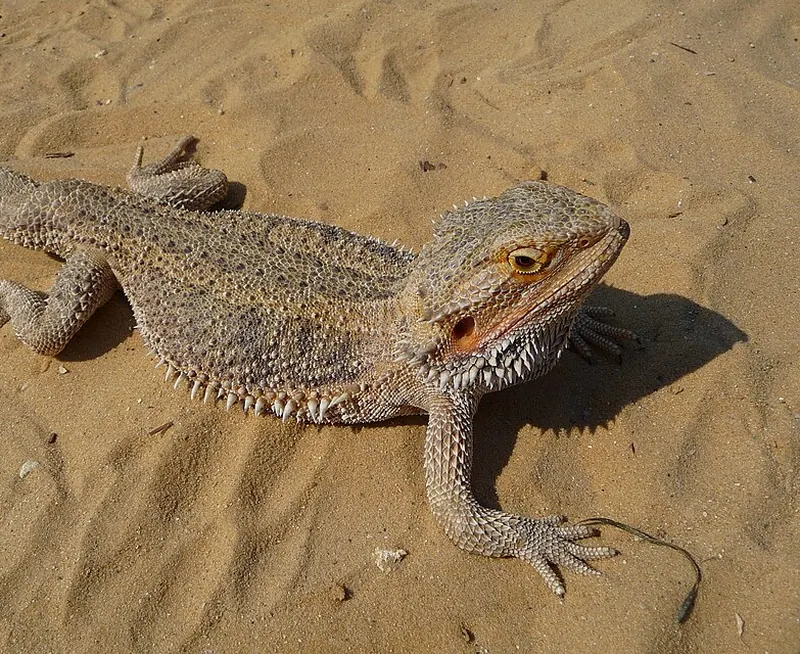
Its beard turns jet black and inflates during the display.
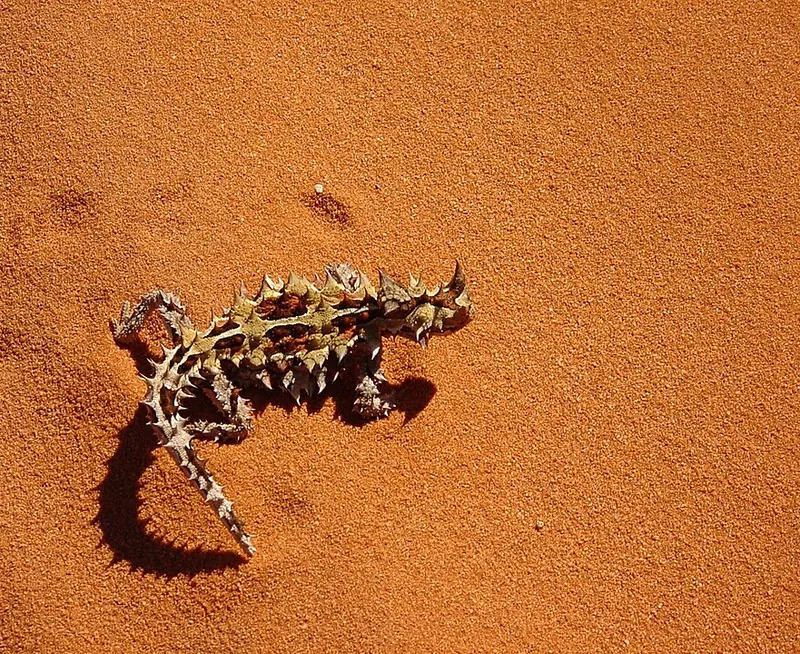
It drinks through its skin, with water running along channels to its mouth.
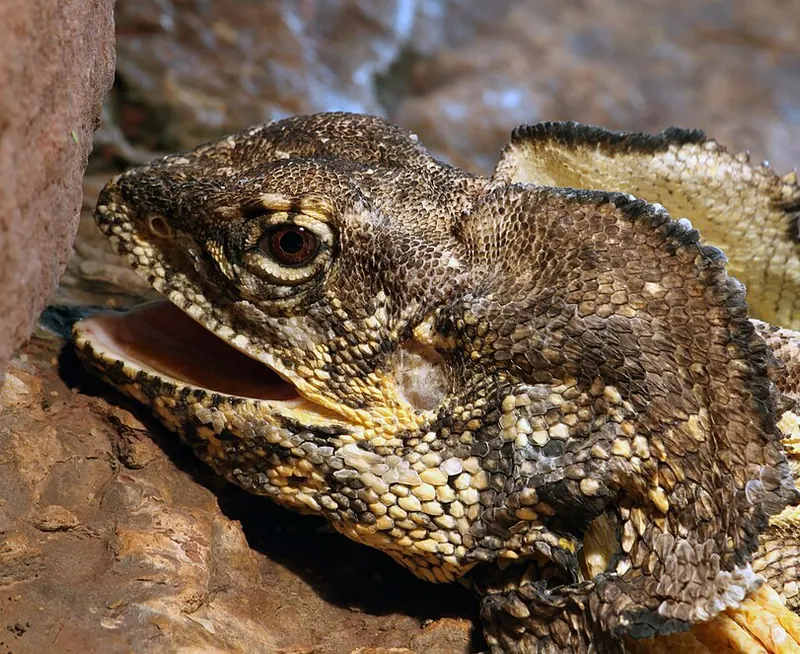
Its neck frill can open to over four times the length of its torso.
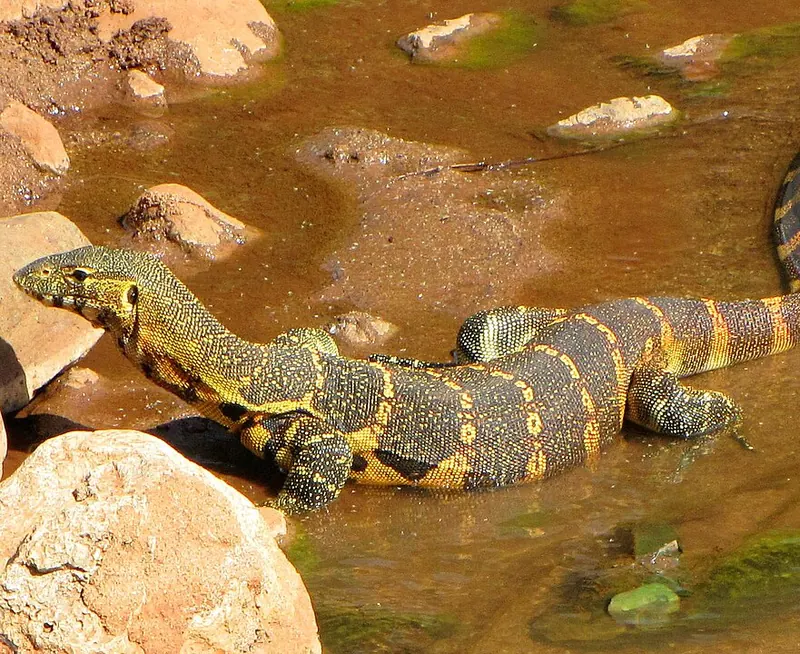
Dwarfed by the Komodo dragon, yet one of the largest lizards in the world.
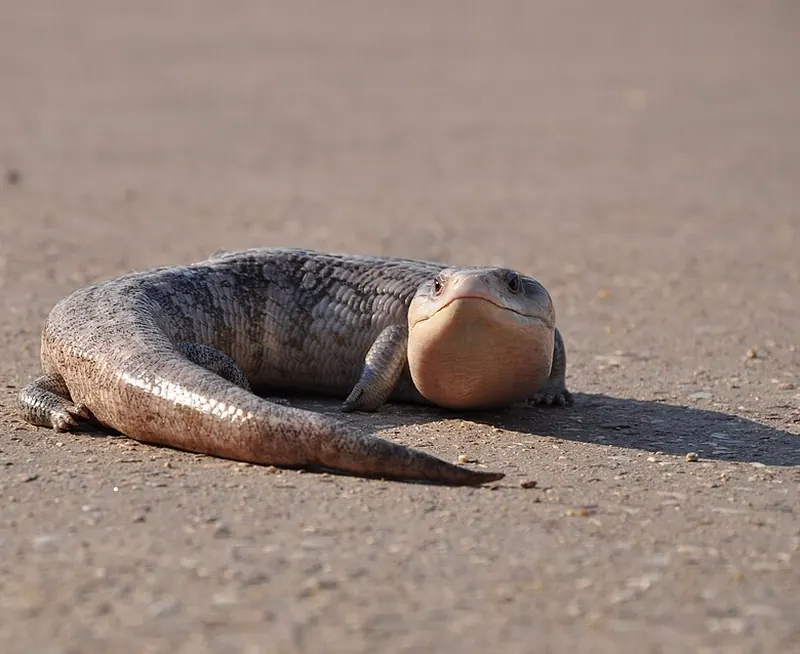
When threatened it puffs up, hisses and sticks out a bright blue tongue to look bigger than it is.
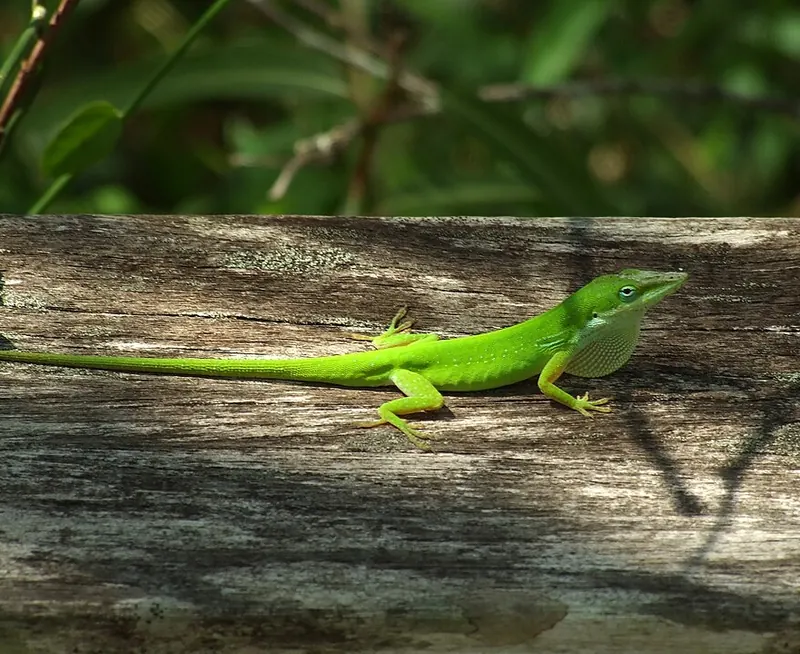
People in the southeastern US call it a chameleon, but it is not a true chameleon.
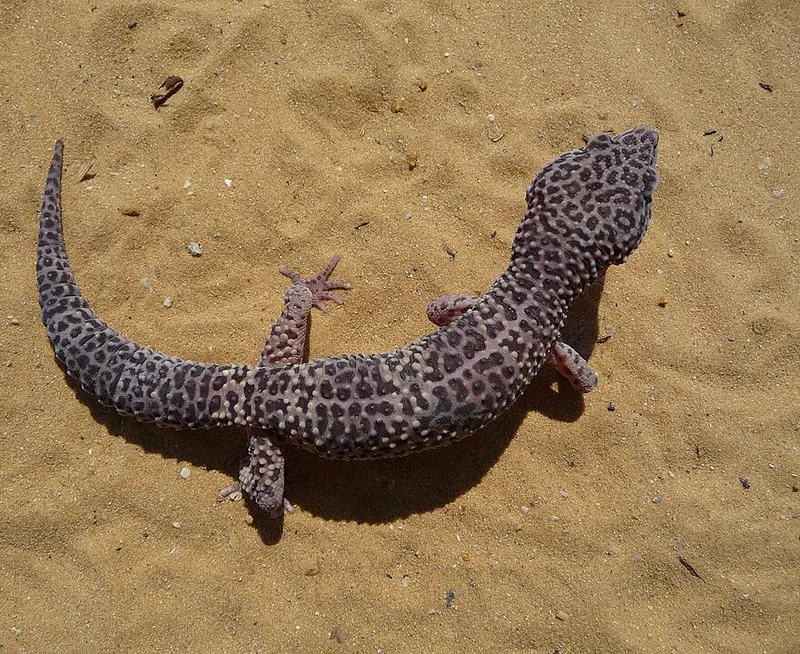
Unlike many geckos, it cannot climb smooth vertical walls.
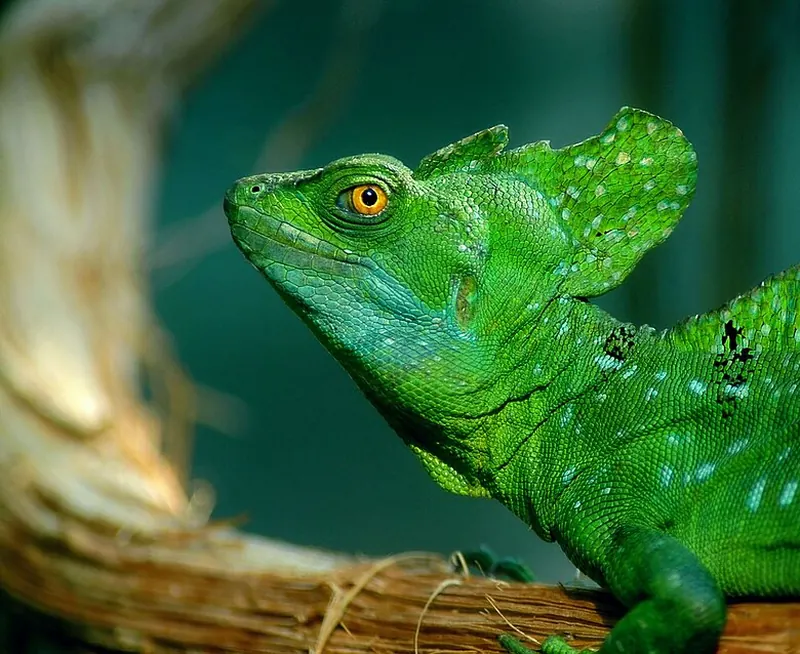
It runs across water to get away from predators.
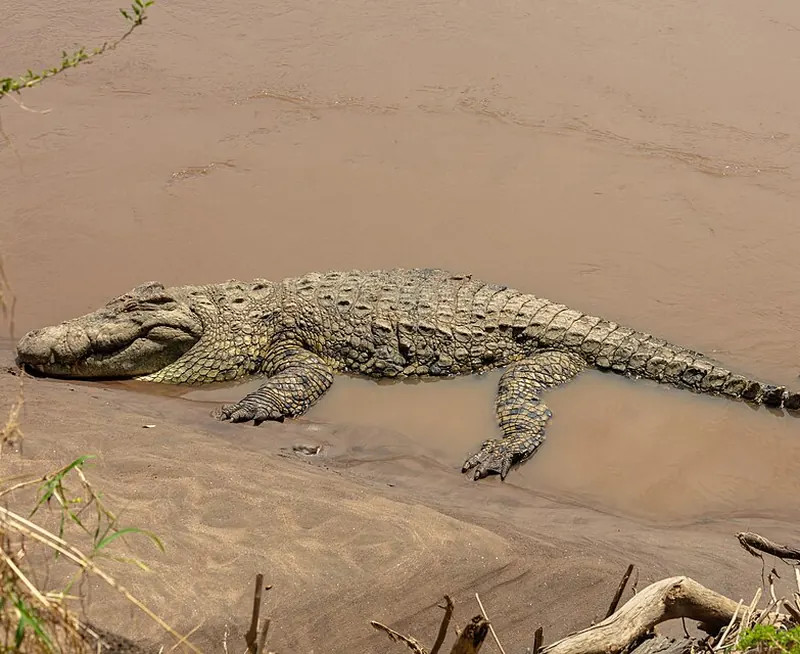
The largest predator in Africa, and maybe the second-largest reptile alive.
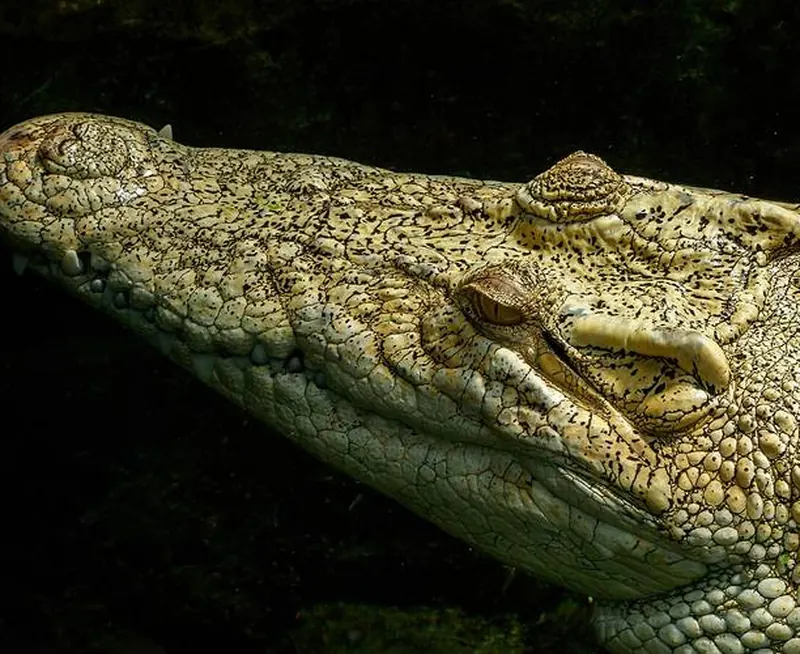
The largest living reptile. A 4.59 m crocodile bit with 16,414 newtons, the highest force measured in a laboratory.
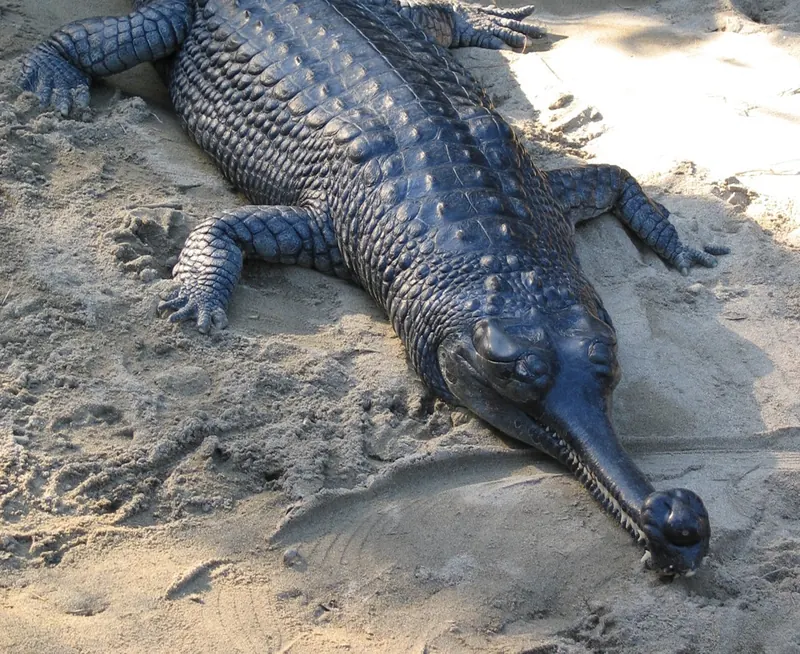
Some gharials have been found with jewellery in their stomachs.
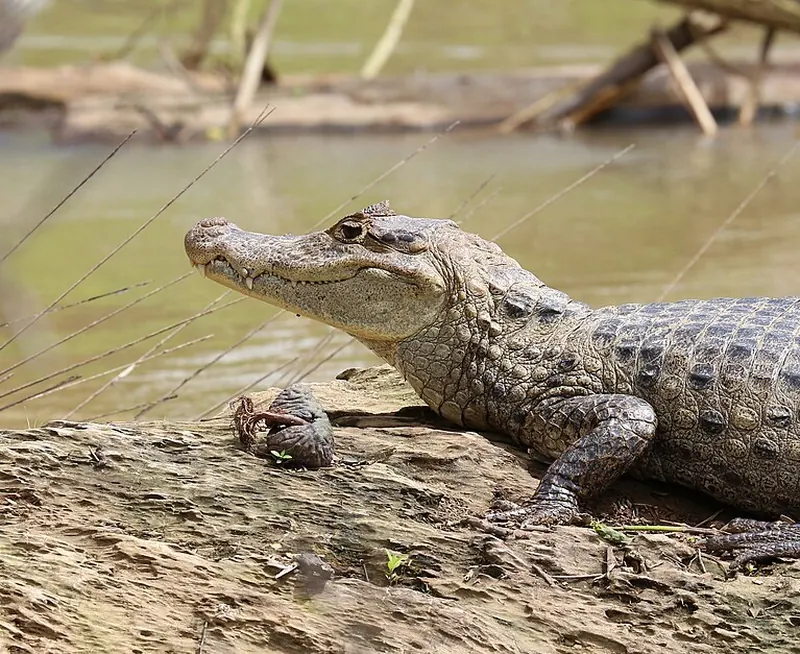
Nest temperature decides the sex of the young.
Every photograph and every outline comes from a real, openly licensed image, credited at the bottom of its card. Only plain charts are drawn.
The words on these cards are written by AI from the sources named on each card. Software matched every number and claim to a sentence in those sources. Mistakes are still possible, so follow a card's links before relying on it.
Globe dots are real recorded sightings from GBIF. Where a card says native range only, they are clipped to that range. Otherwise they can include zoos, gardens and places the species was introduced.