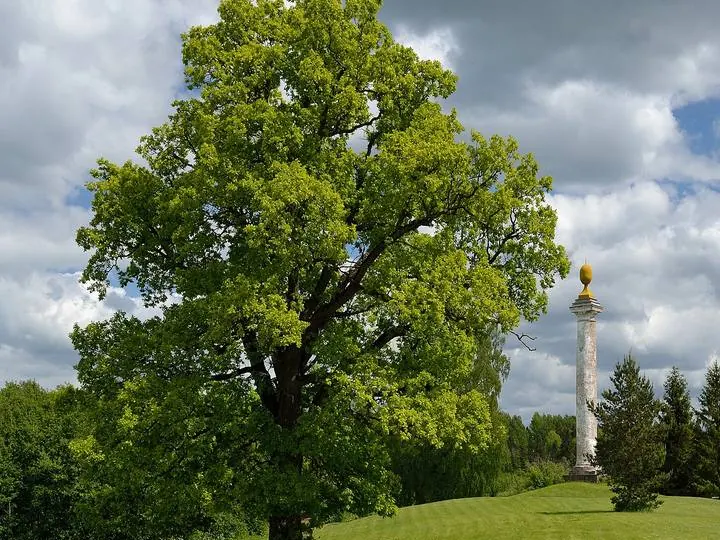
English oak
Quercus roburMagnoliopsida › Fagales › Fagaceae
No British plant supports more insect herbivores.
Field Guide · Chapter 24 of 29
Swipe across, tap a card to turn it over, then scroll down its back. Try Look closer on a front, spin a globe, and lift the question on a park sign.
No British plant supports more insect herbivores.
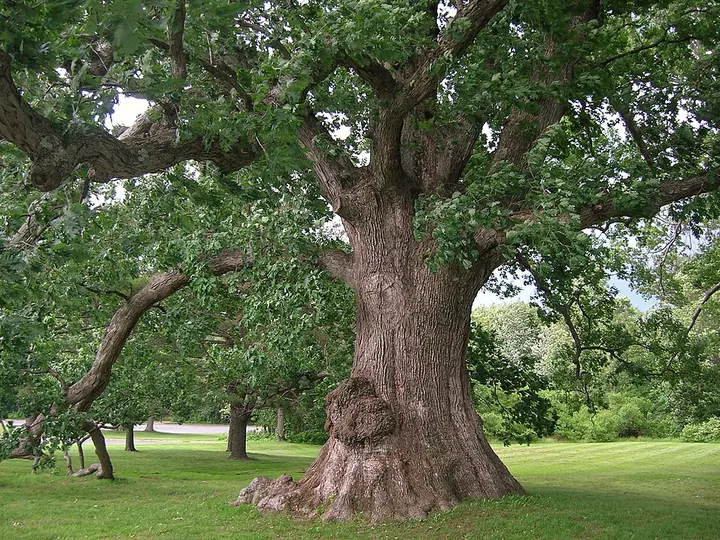
It is called a white oak, but its bark is usually light gray.
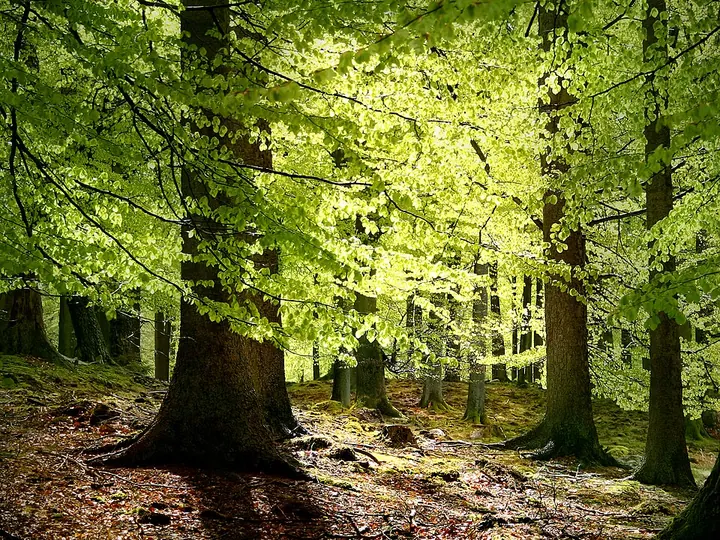
Its leaves often stay on the tree in autumn and remain until spring.
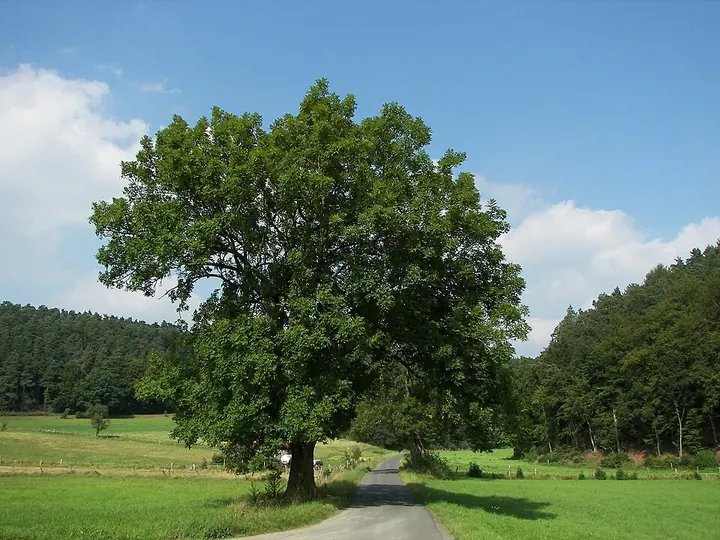
Its buds are jet-black, which sets it apart from most other ash species.
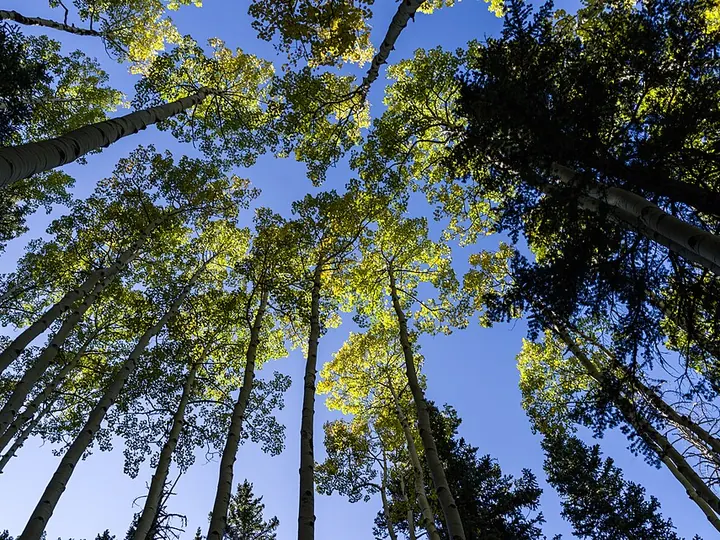
Many of these trees share one root system and act as a single living thing.
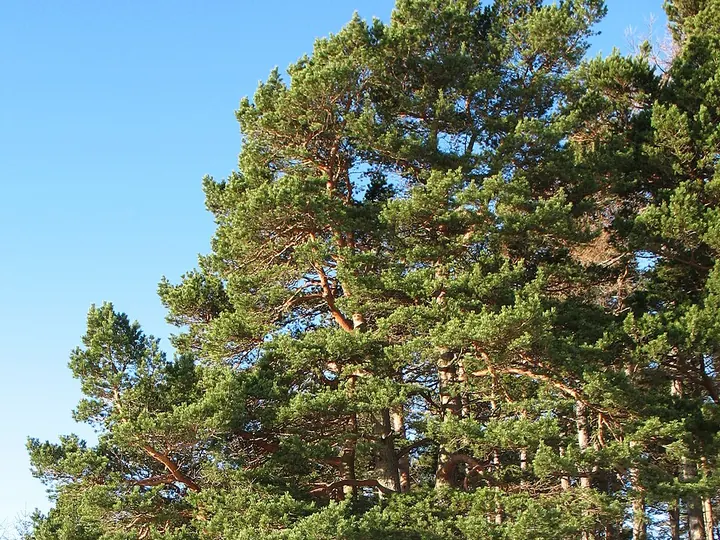
The only pine native to northern Europe, and it grows well inside the Arctic Circle.
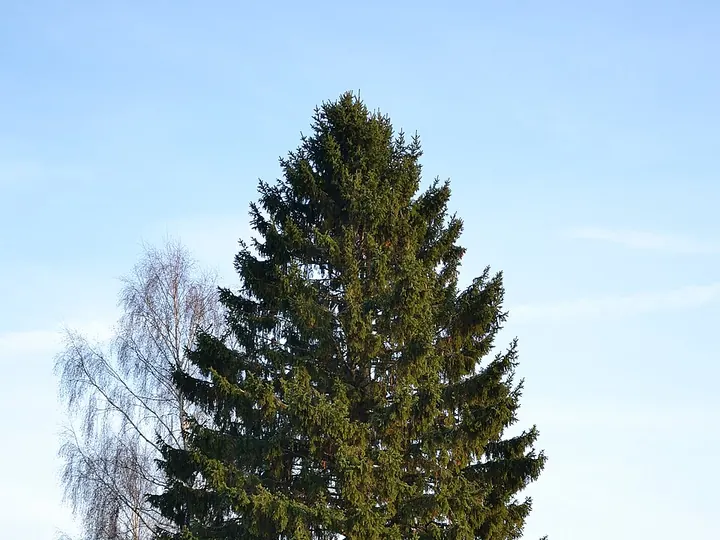
A Norway spruce clone grows from one root system, and one part of it is estimated at 9,550 years old.
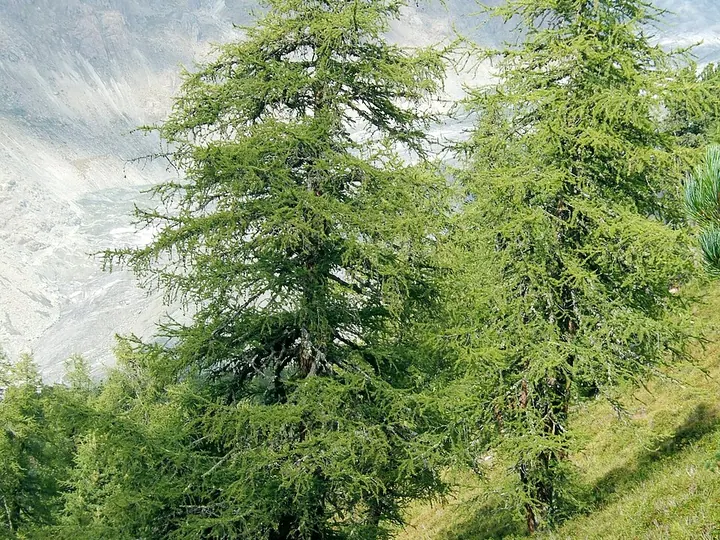
A conifer that goes bare every winter.
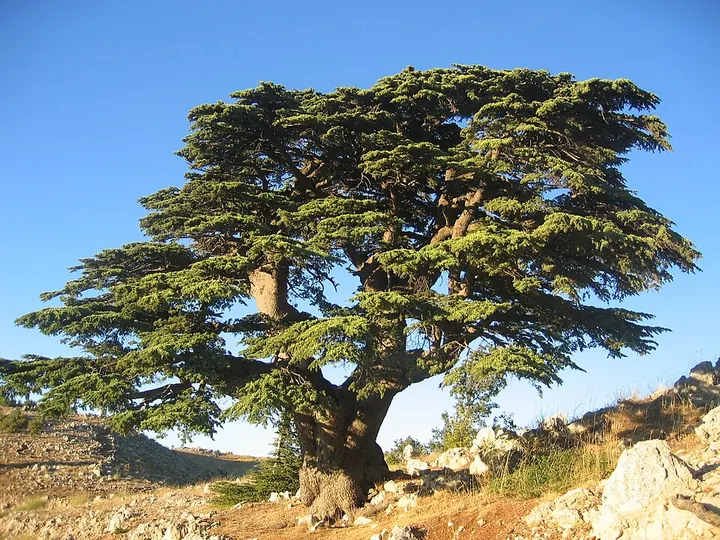
People have planted this tree for at least 3,200 years.
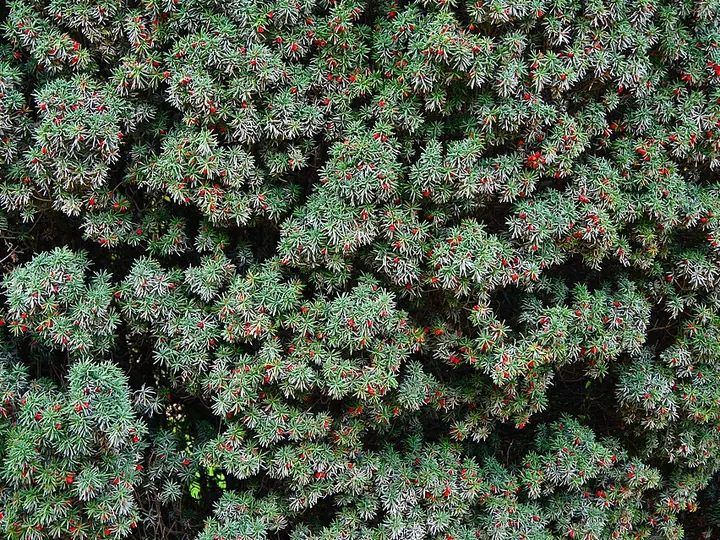
Beneath a yew, the dense evergreen canopy leaves no room for rivals.
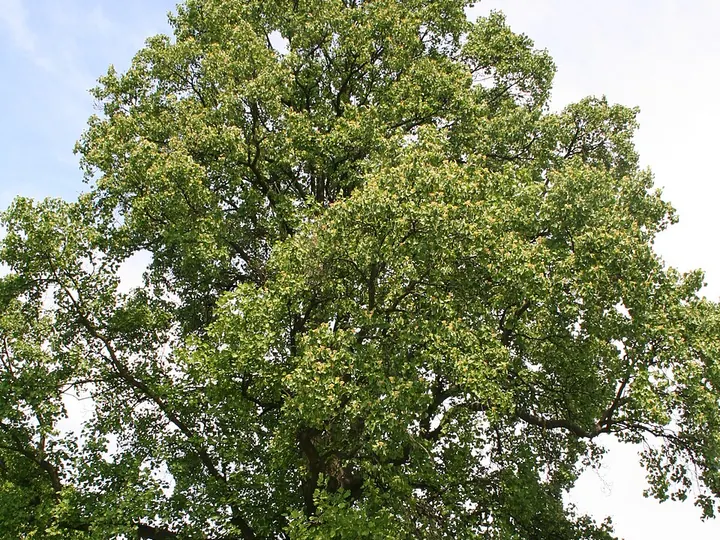
It grows fast without the weak wood that usually comes with fast growth.
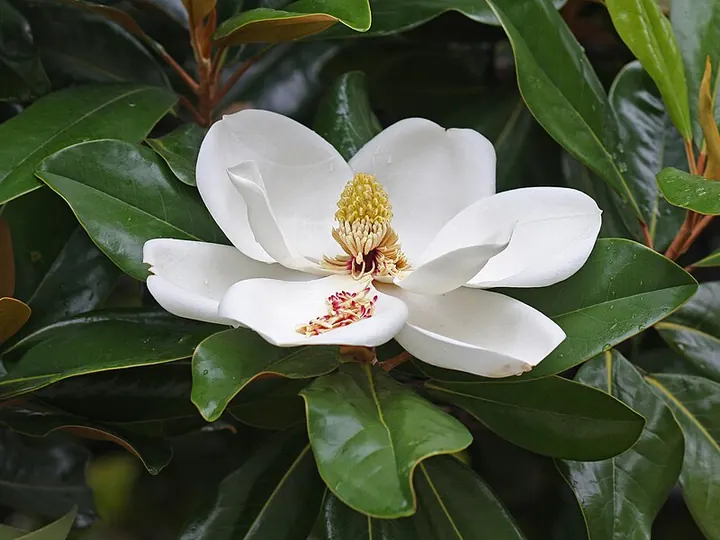
Its white flowers smell of lemon and citronella and can measure up to 30 cm across.
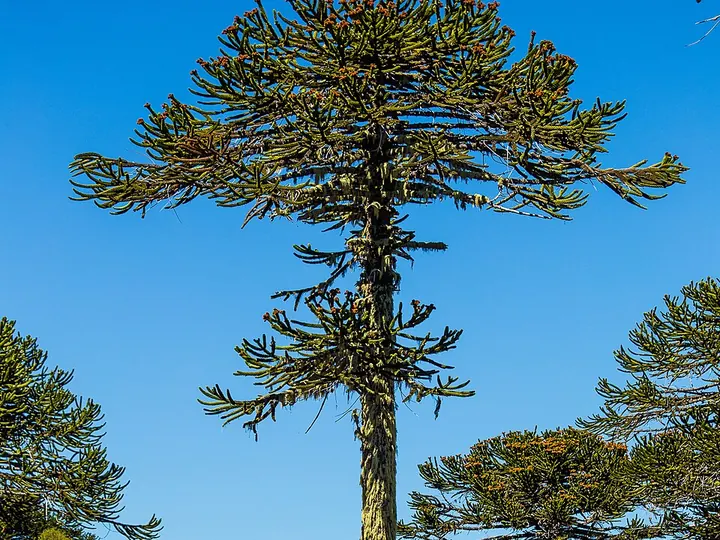
Its scale-like leaves can stay on the tree for up to 24 years.
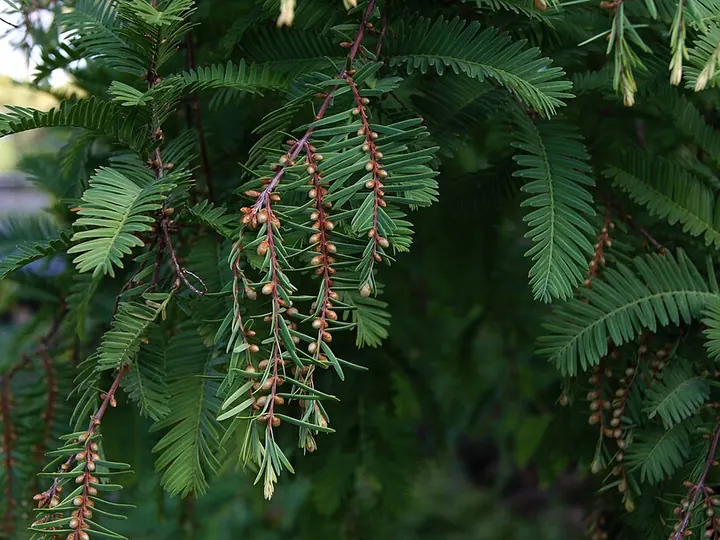
A living tree that looks identical to its late Cretaceous ancestors.
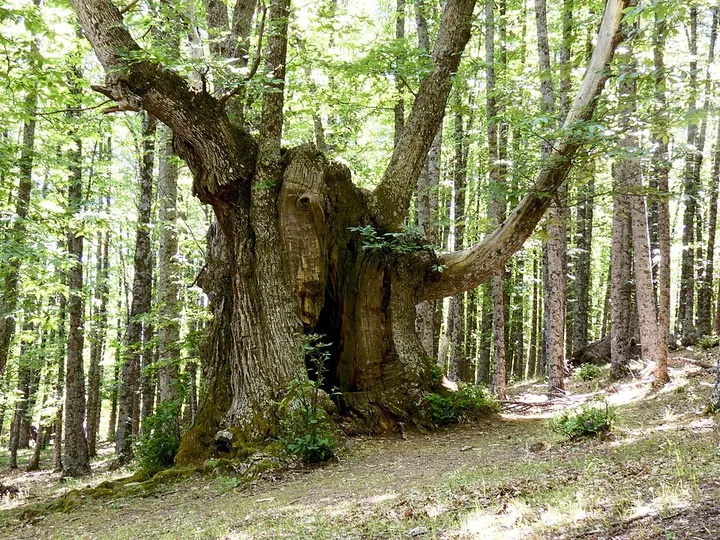
Ancient Roman soldiers ate a porridge made from chestnuts before battle.
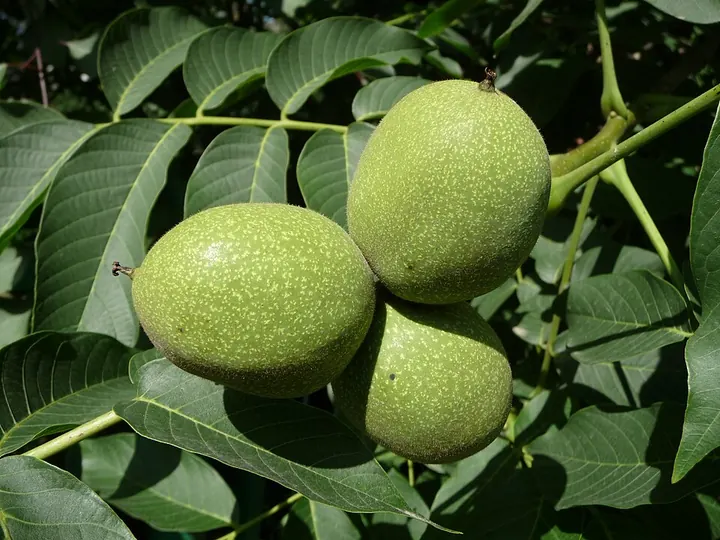
Plants often will not grow beneath it, because its fallen leaves and husks release a natural herbicide.
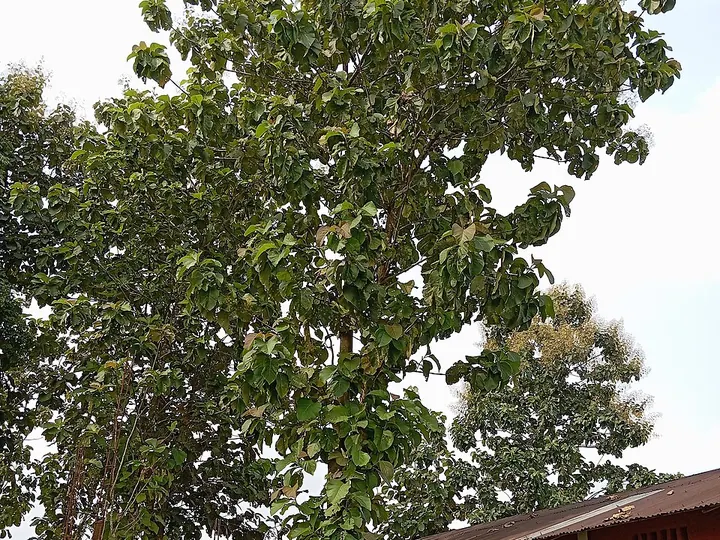
Freshly milled teak wood smells of leather.
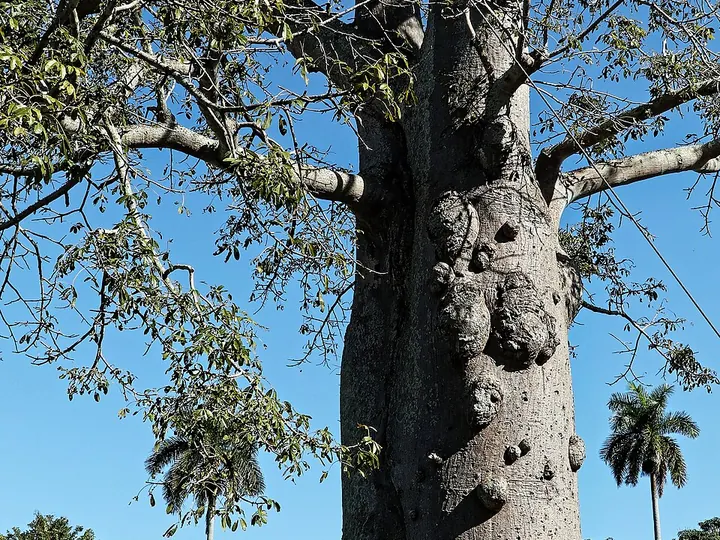
Its buttress roots run to a total length of 50 m, and some of that is below ground.
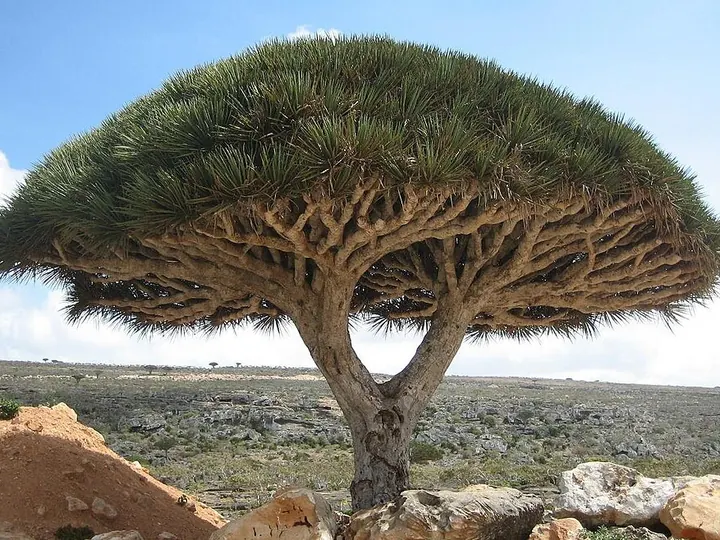
Most monocots do not grow rings, but this one has growth zones like a tree.
Every photograph and every outline comes from a real, openly licensed image, credited at the bottom of its card. Only plain charts are drawn.
The words on these cards are written by AI from the sources named on each card. Software matched every number and claim to a sentence in those sources. Mistakes are still possible, so follow a card's links before relying on it.
Globe dots are real recorded sightings from GBIF. Where a card says native range only, they are clipped to that range. Otherwise they can include zoos, gardens and places the species was introduced.