Testudines › Cheloniidae
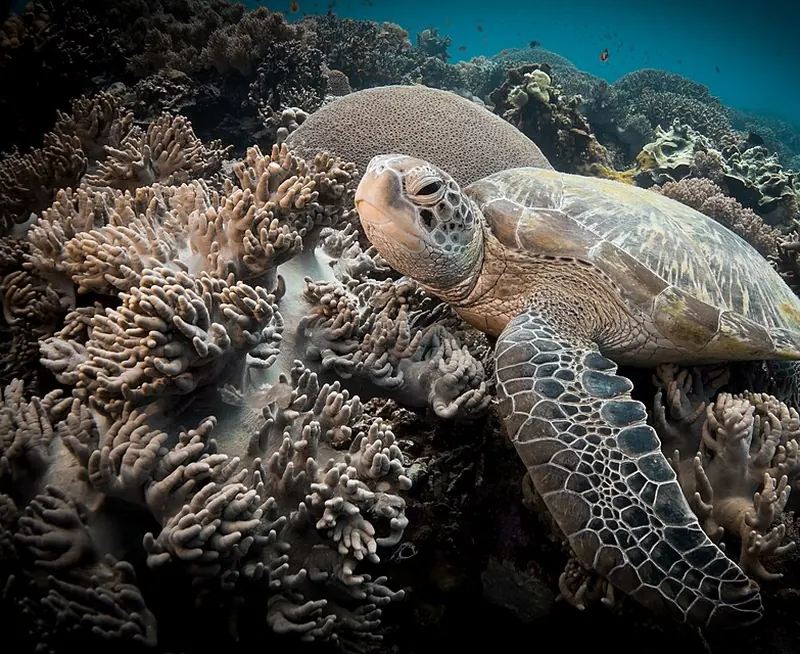
Green sea turtle
Up to 1.5 m long
Its name comes from its fat, not its shell, and as an adult it is the only aquatic turtle that eats only plants.
Field Guide · Chapter 10 of 29
Swipe across, tap a card to turn it over, then scroll down its back. Try Look closer on a front, spin a globe, and lift the question on a park sign.
Its name comes from its fat, not its shell, and as an adult it is the only aquatic turtle that eats only plants.
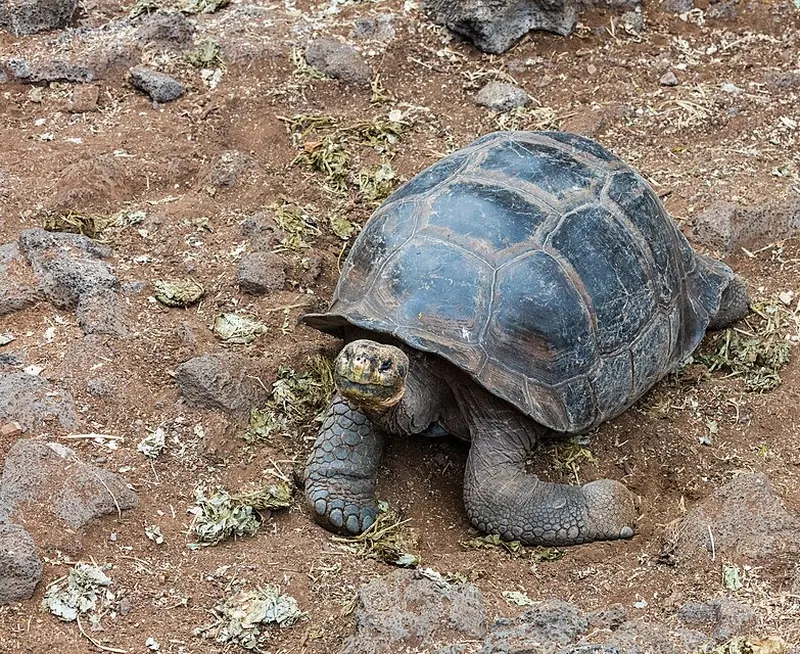
It is the largest living tortoise, and can weigh up to 417 kg.
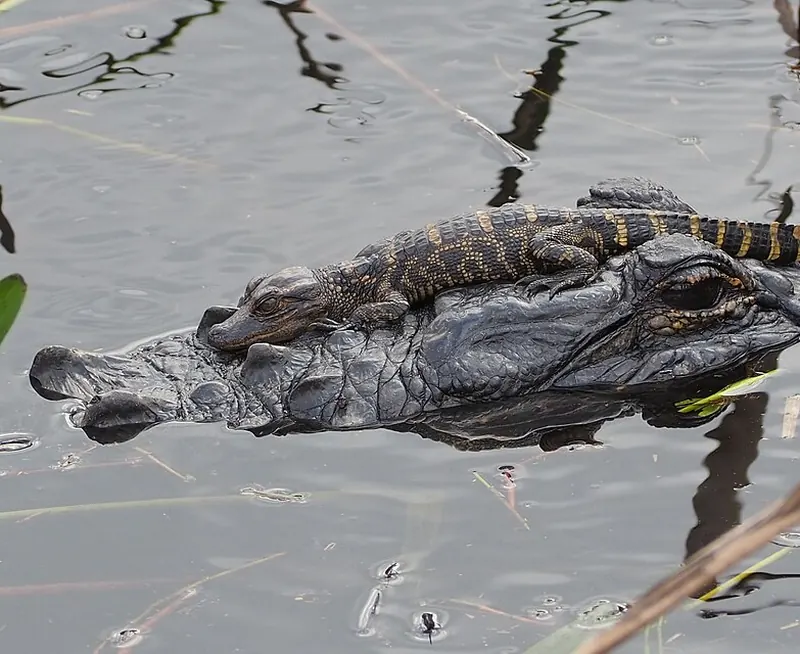
Alligators balance sticks and branches on their heads to lure birds within reach.
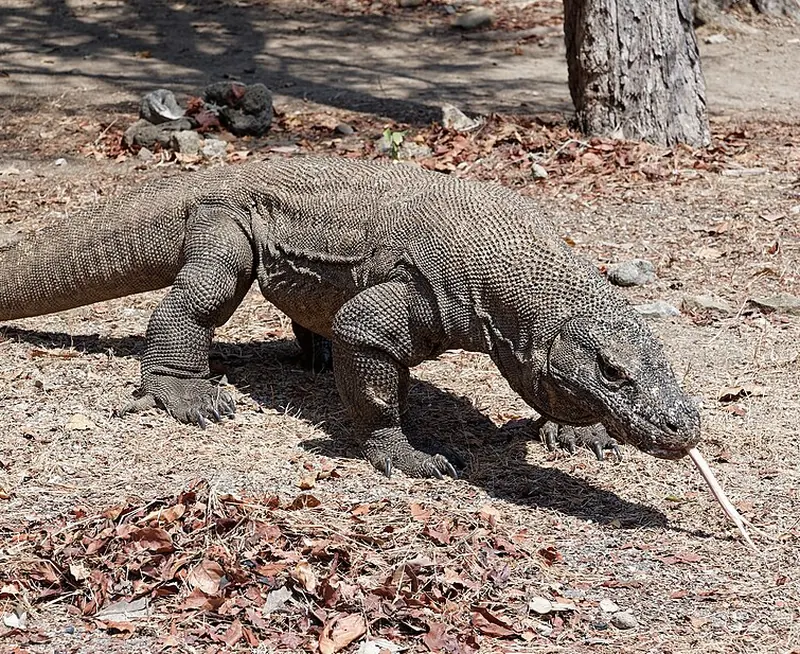
Its saliva carries more than 50 strains of bacteria, so bitten prey can die of infection.
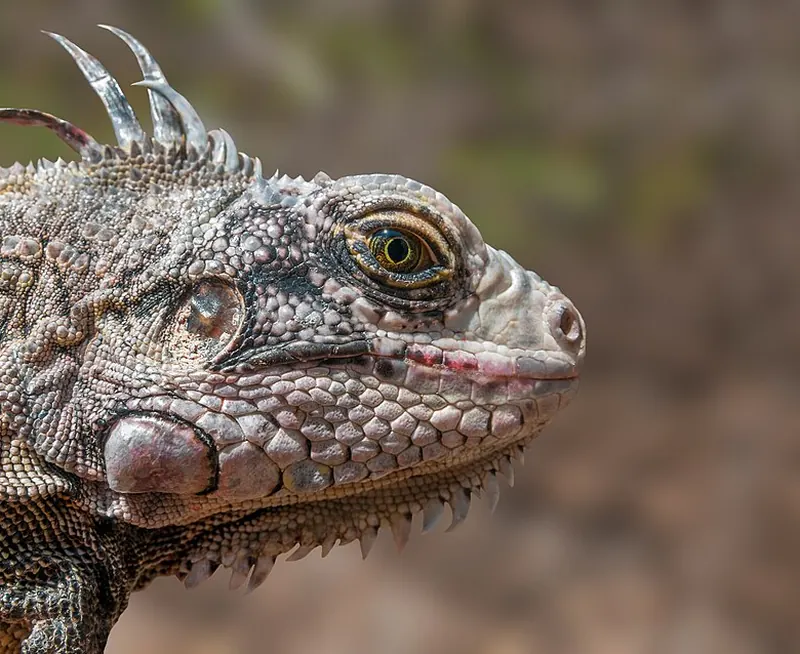
Green iguanas reached Anguilla in 1995 by floating ashore after a hurricane.
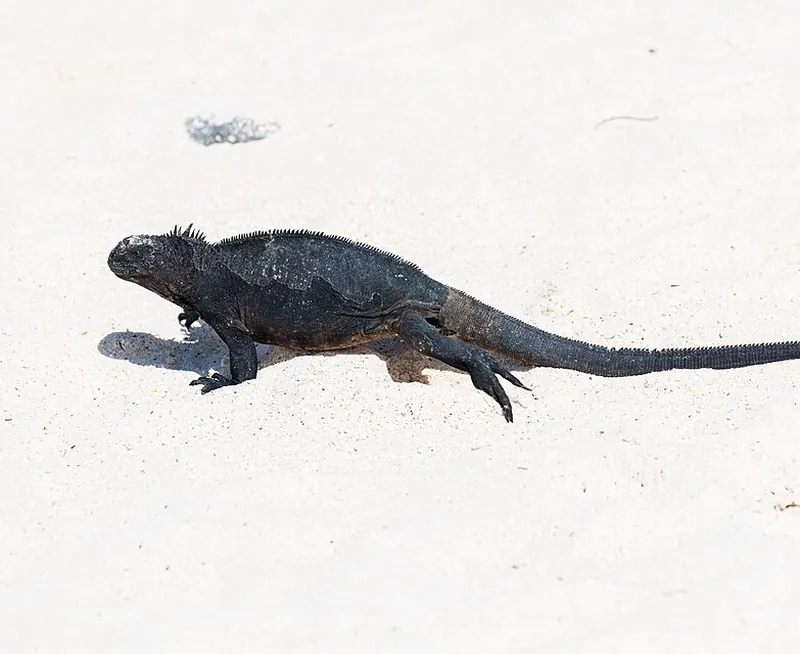
The only lizard that spends time in the sea is the marine iguana.
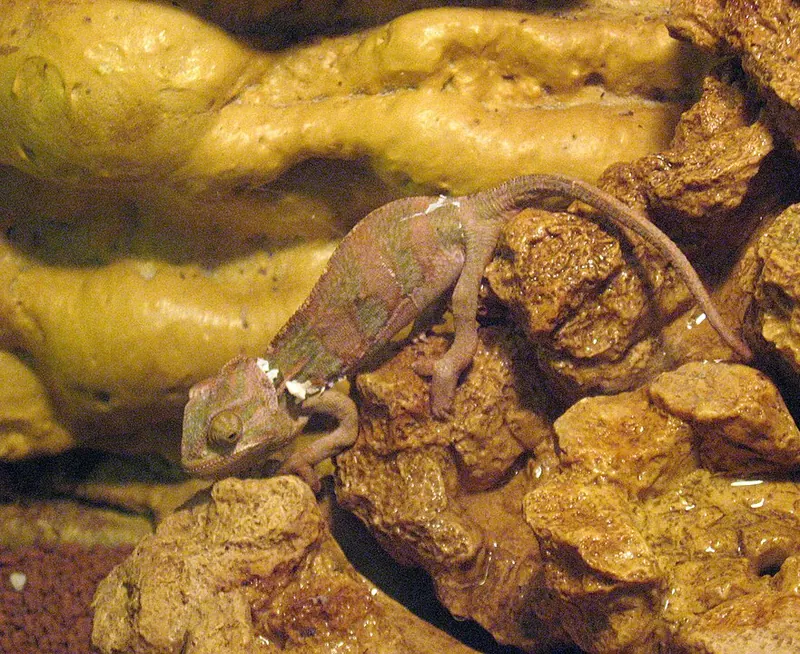
A newly hatched one can drop to the ground and turn bright red when surprised.
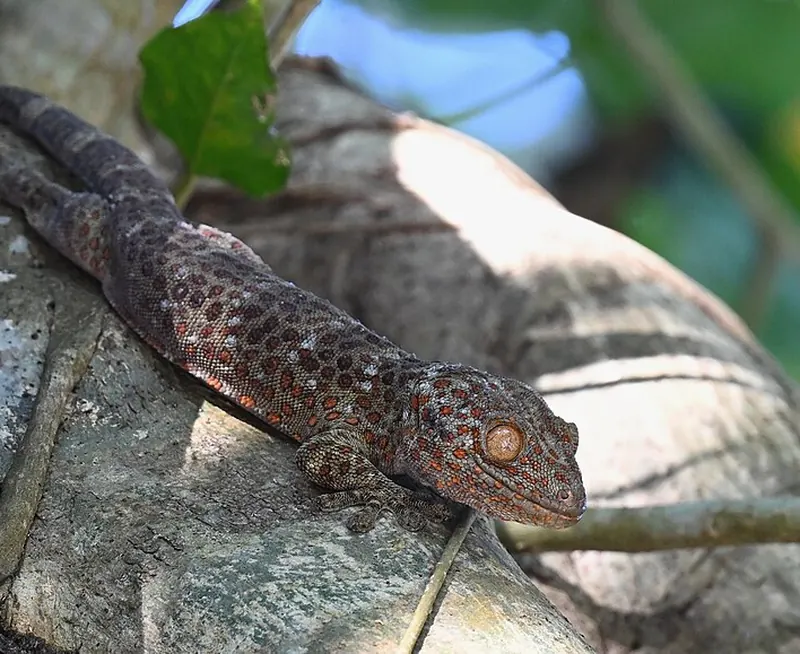
It drops its own tail to escape and grows a new one in about three weeks.
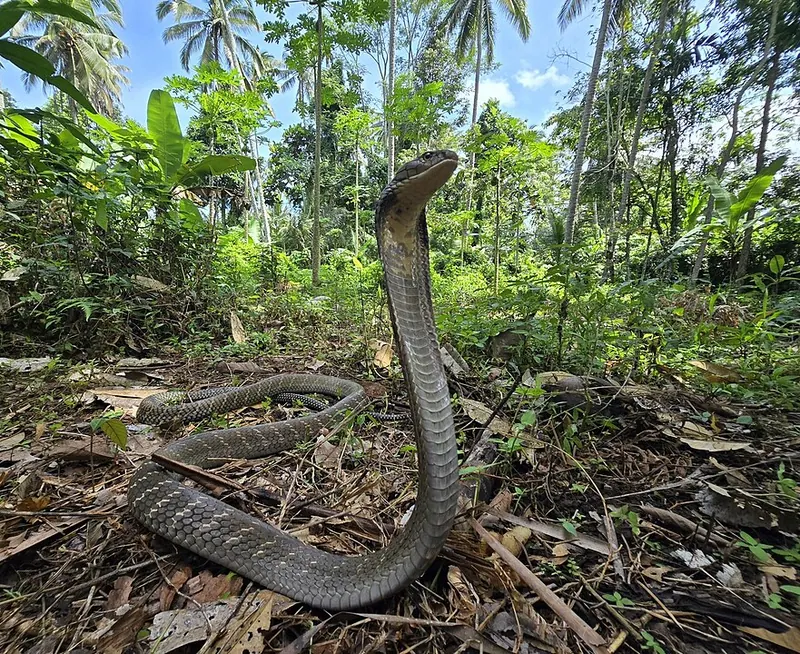
Of all venomous snakes on Earth, this one grows the longest.
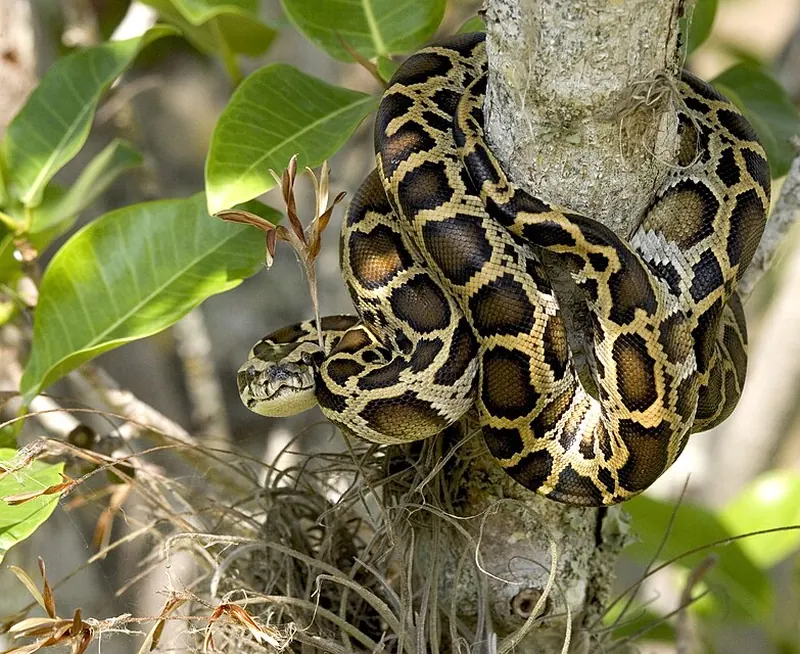
The record Burmese python was 5.79 m long, caught in a South Florida national preserve.
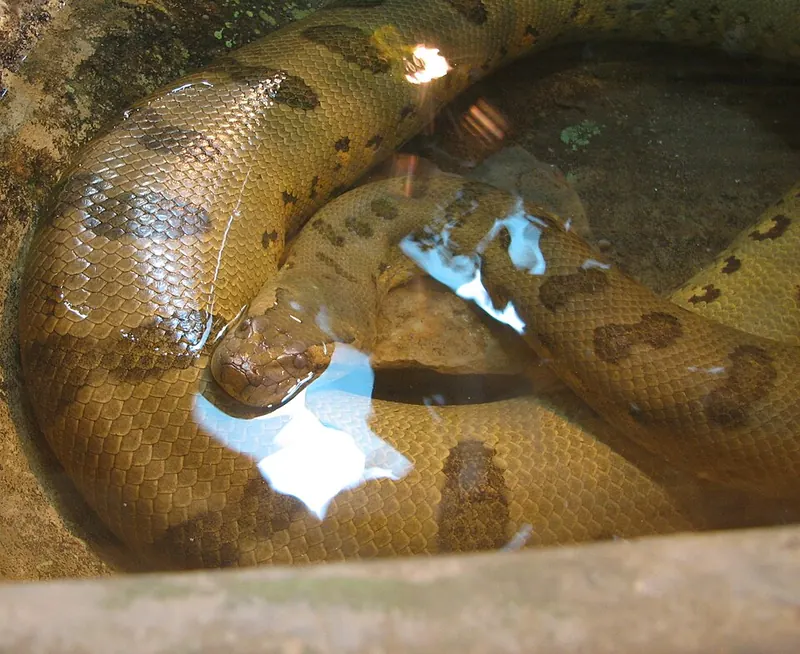
The world's heaviest snake, and one of its longest, it lives in tropical rivers and swamps.
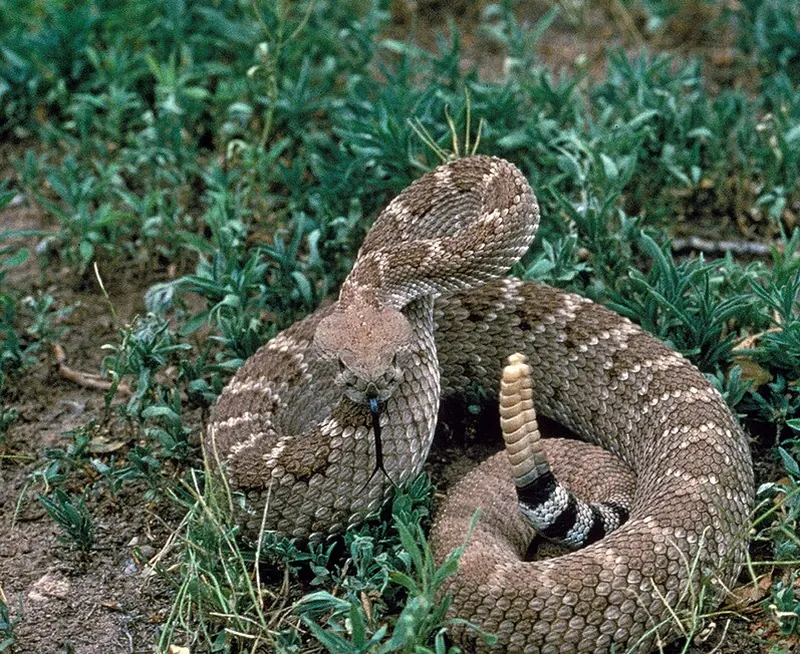
It is likely behind most snakebite deaths in northern Mexico, and it holds its ground when a foe comes near.
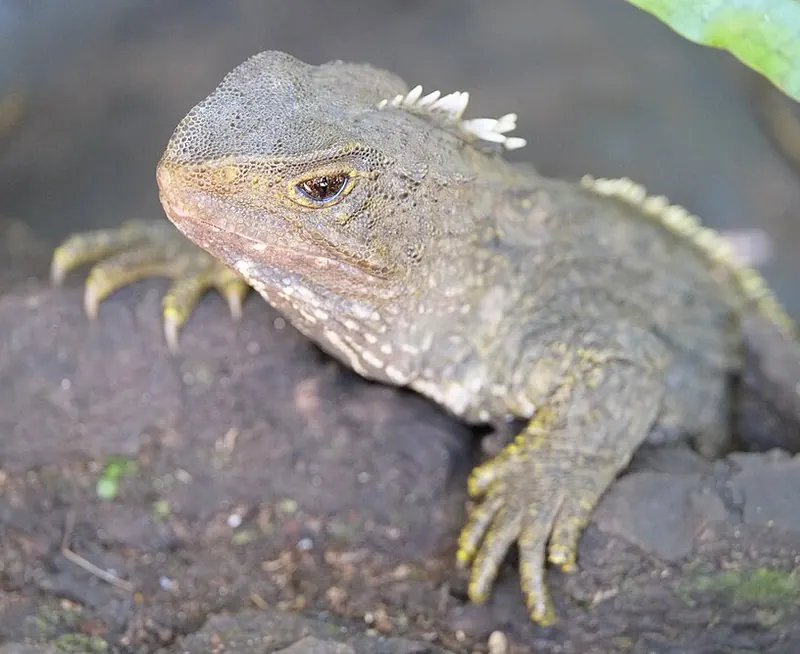
The only living member of a reptile order that was once highly diverse.
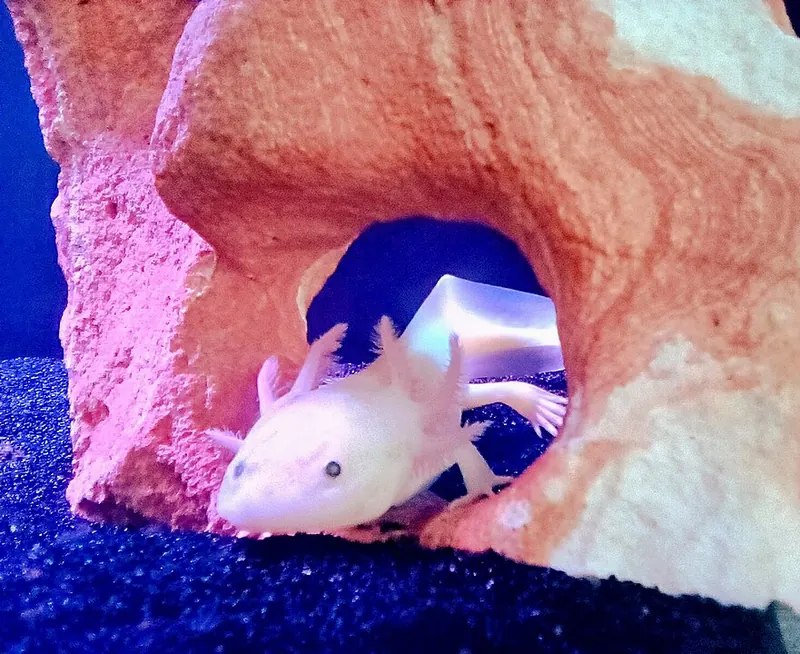
Unlike most salamander species, adult axolotls keep their external gills.
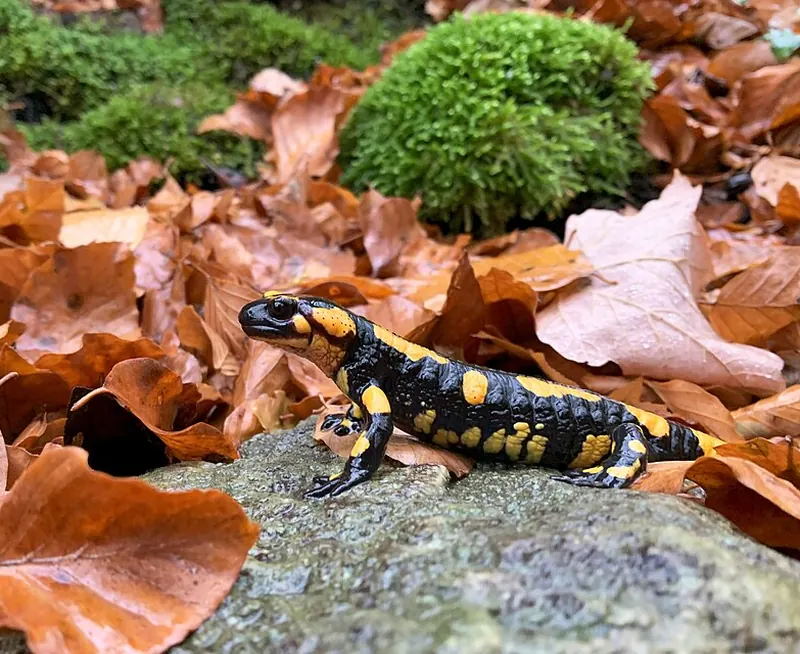
It can actively spray its poison at a predator.
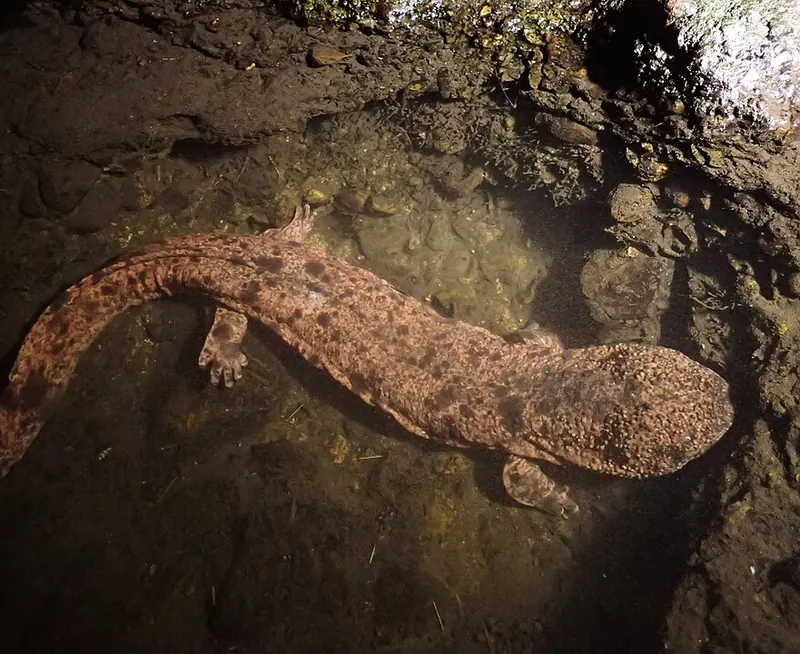
It never leaves the water and breathes by poking its head above the surface for air.
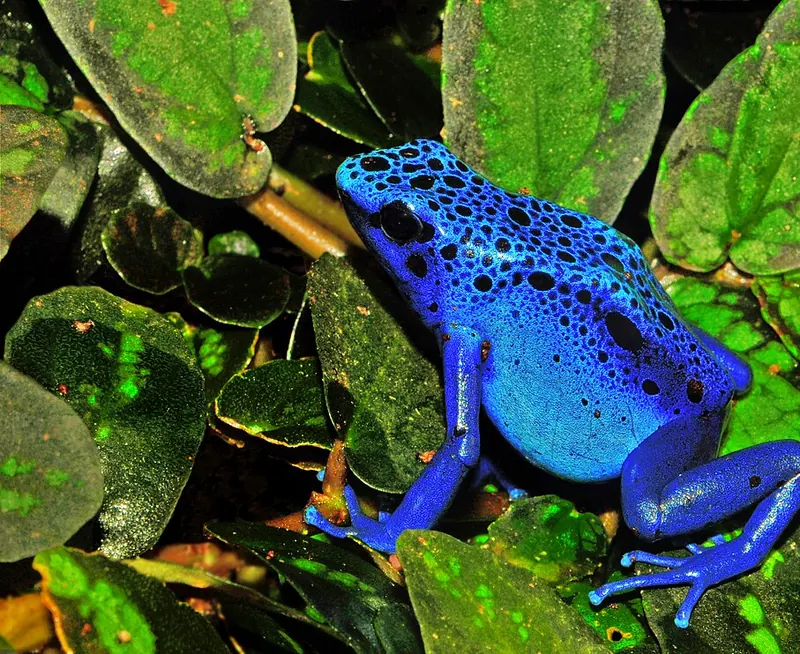
Its tadpoles grow in the water that collects in fallen trees.
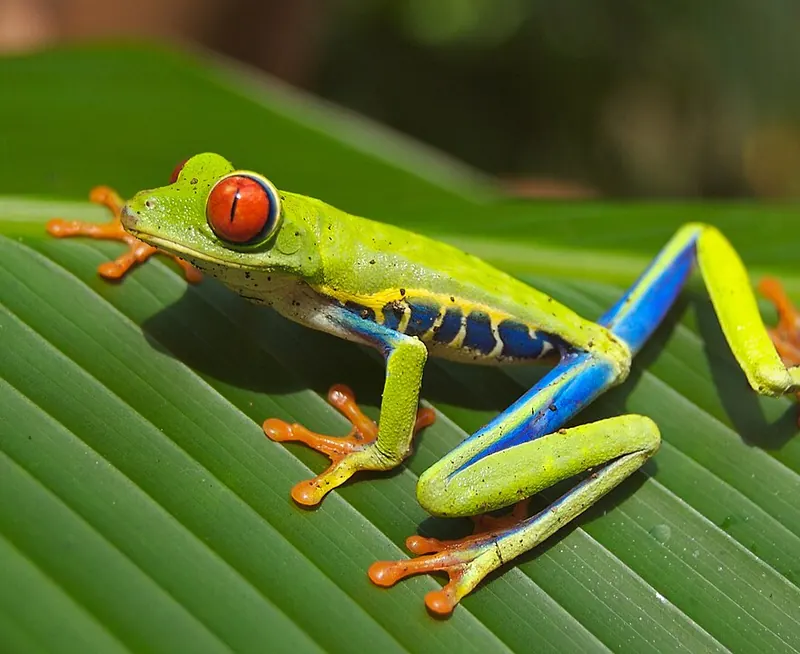
Its red eyes stay hidden while it rests, so it blends into the leaves.
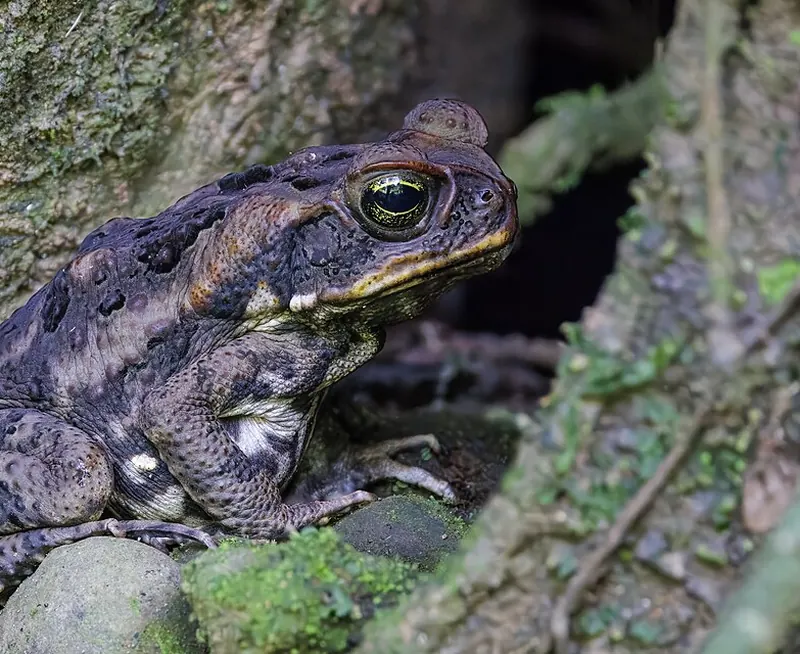
This toad is the most widely introduced amphibian in the world, spread far beyond the home range it came from.
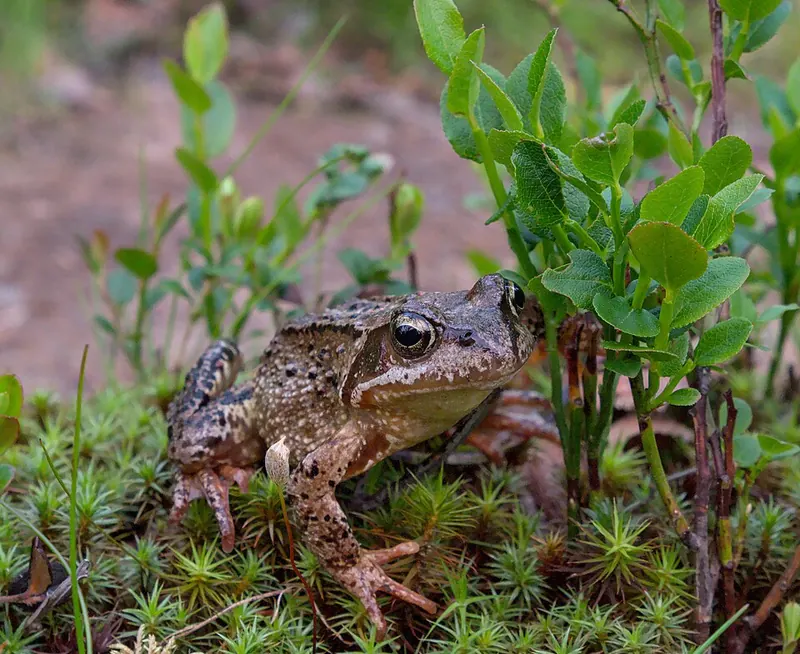
Near the top of its range, a common frog may spend as much as nine months a year beneath ice.
Every photograph and every outline comes from a real, openly licensed image, credited at the bottom of its card. Only plain charts are drawn.
The words on these cards are written by AI from the sources named on each card. Software matched every number and claim to a sentence in those sources. Mistakes are still possible, so follow a card's links before relying on it.
Globe dots are real recorded sightings from GBIF. Where a card says native range only, they are clipped to that range. Otherwise they can include zoos, gardens and places the species was introduced.