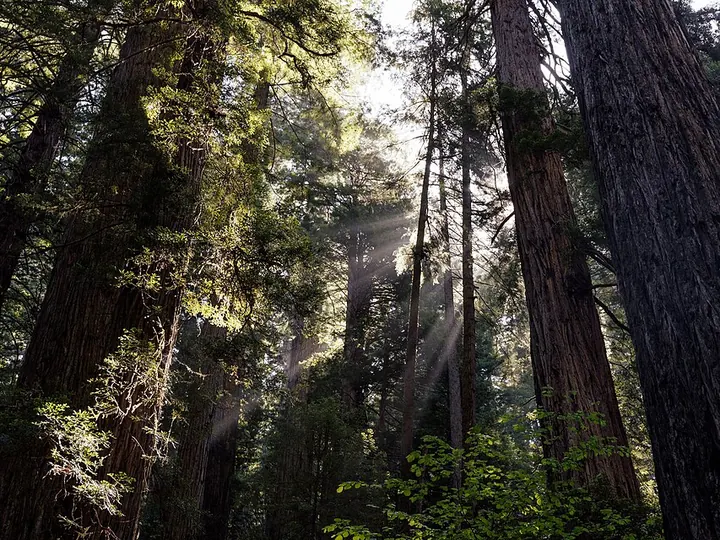
Coast redwood
Sequoia sempervirensPinopsida › Pinales › Cupressaceae
Up to 116.22 m tallIt has produced the tallest living trees on Earth.
Field Guide · Chapter 23 of 29
Swipe across, tap a card to turn it over, then scroll down its back. Try Look closer on a front, spin a globe, and lift the question on a park sign.
It has produced the tallest living trees on Earth.
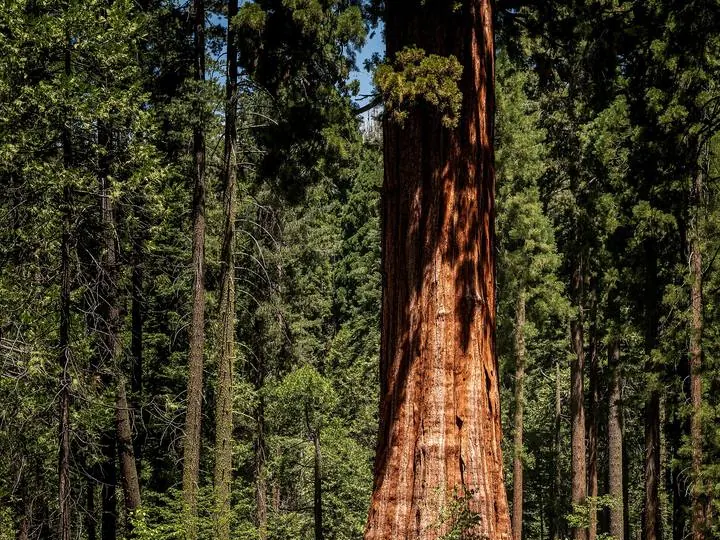
A mature tree sheds an estimated 300,000 to 400,000 seeds a year.
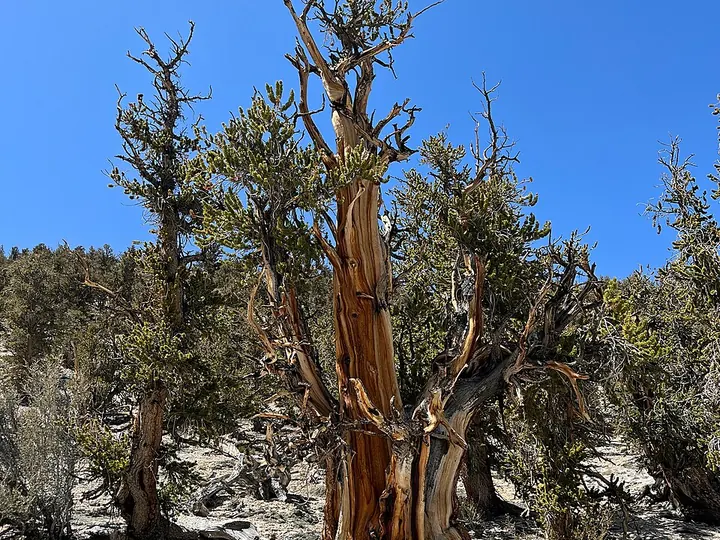
One of these pines has lived for 4,858 years, longer than any other known non-clonal life.
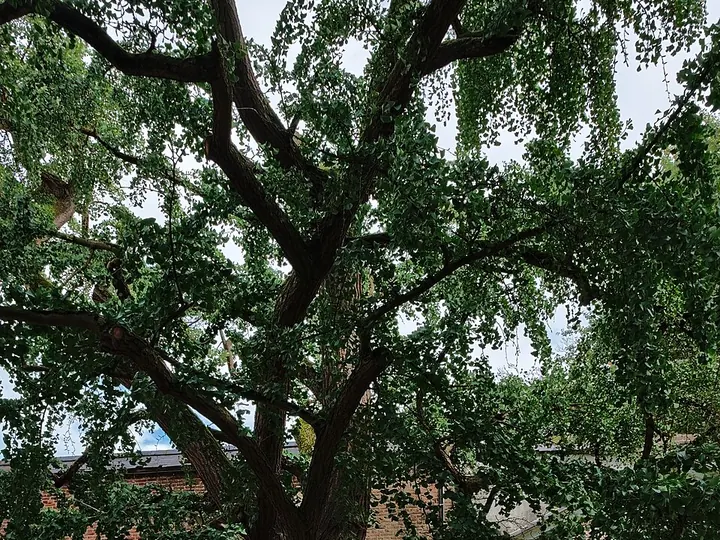
The last living species of its order, which first appeared over 290 million years ago.
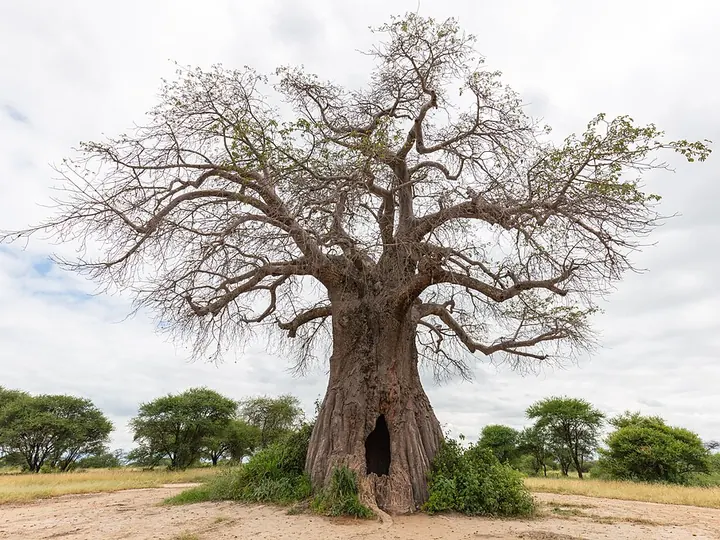
Radiocarbon dating shows at least one of these trees lived 1,275 years.
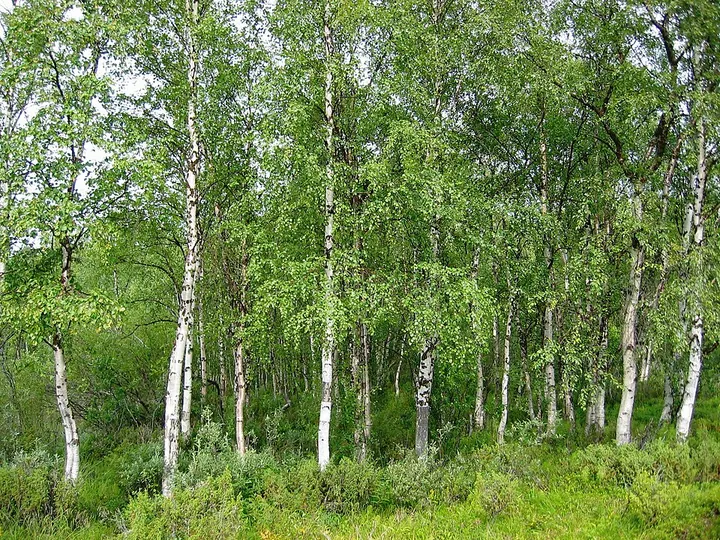
Its bark starts golden-brown and only turns white as papery flakes peel off the trunk.
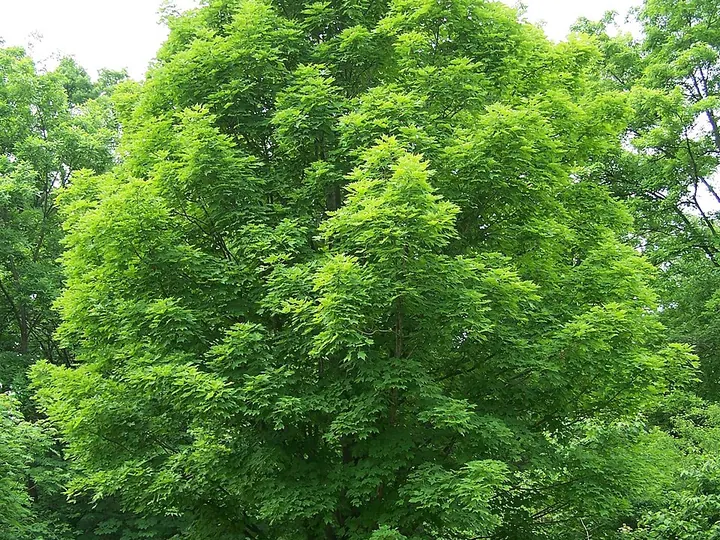
It takes forty gallons of its sap to make one gallon of maple syrup.
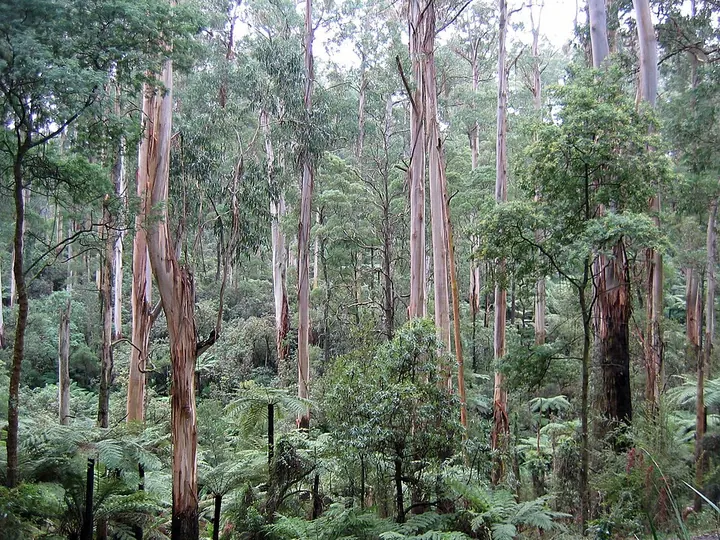
The tallest of all flowering plants, a forest giant of southern Australia.
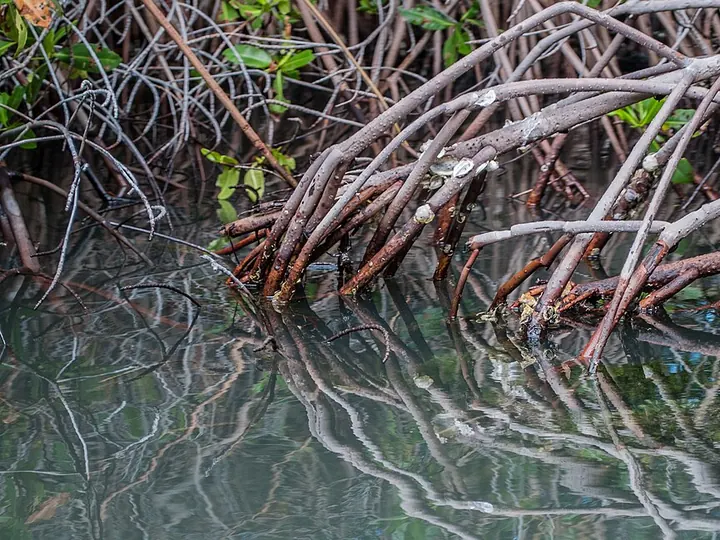
Its name is red, but the colour hides inside its roots and shows only when a root is cut in half.
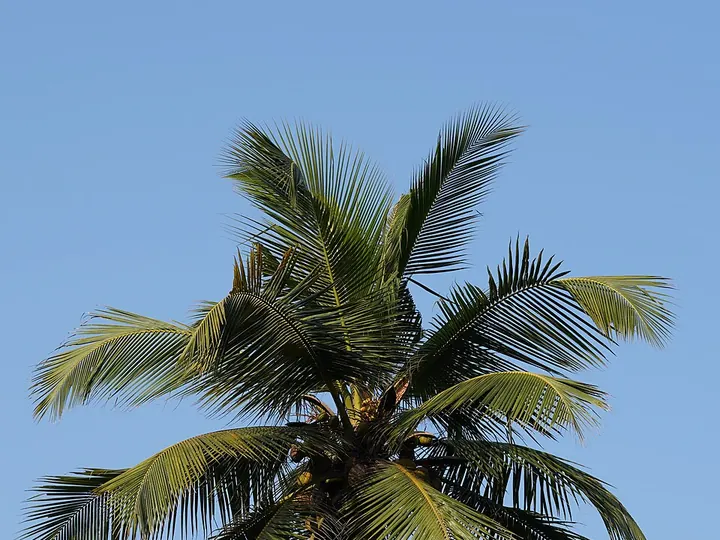
Almost every part of a coconut palm is used by people, from the leaves to the trunk.
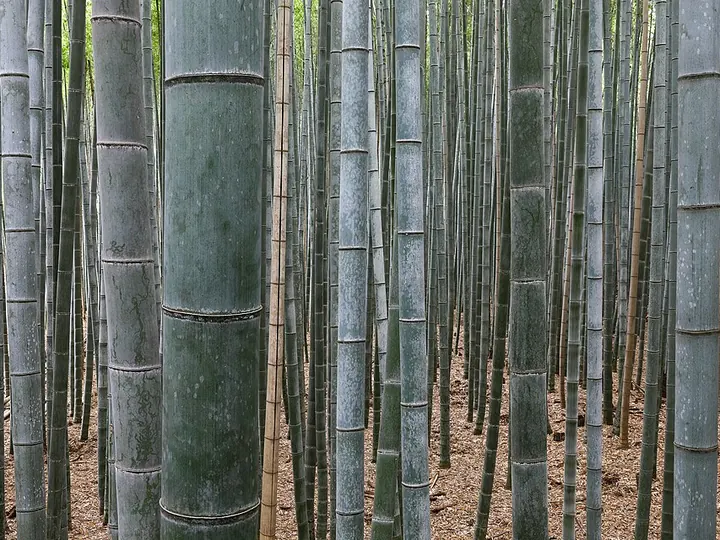
This plant can add 119 cm in a single day, and flowers only about once every half century.
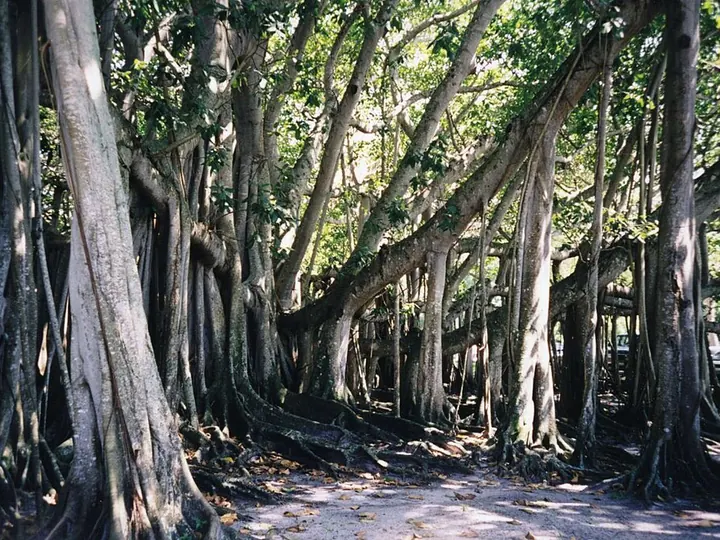
It can start life leaning on another tree and end up enveloping it.
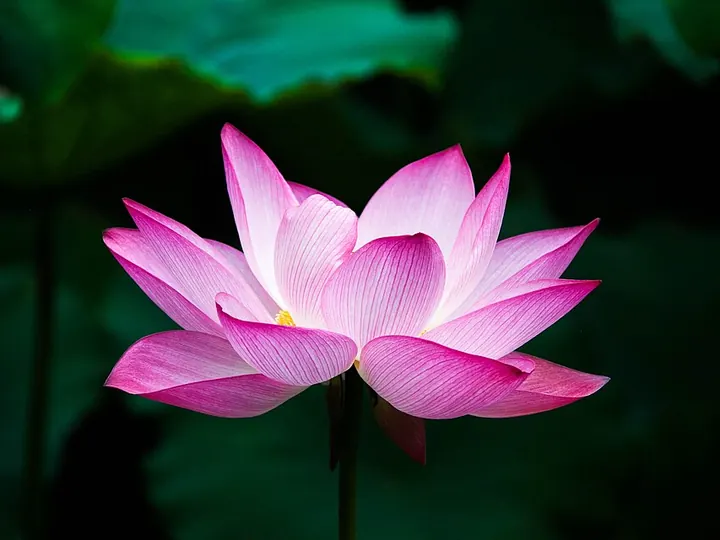
Its seeds sprouted after lying 1,300 years in a dry lakebed.
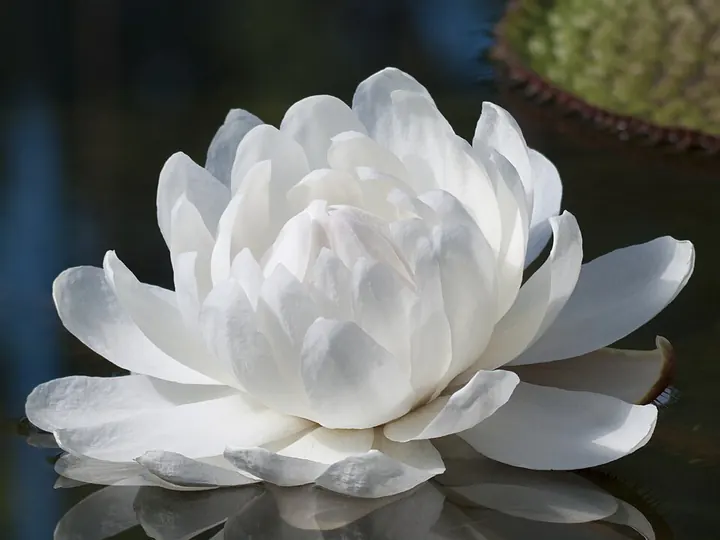
Its leaves are light for their size, because air spaces fill them out.
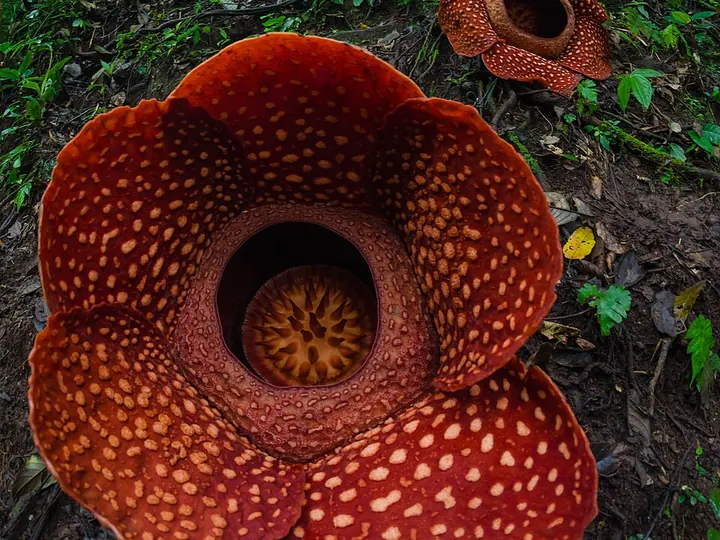
This plant has no leaves, stems or roots that anyone can see.
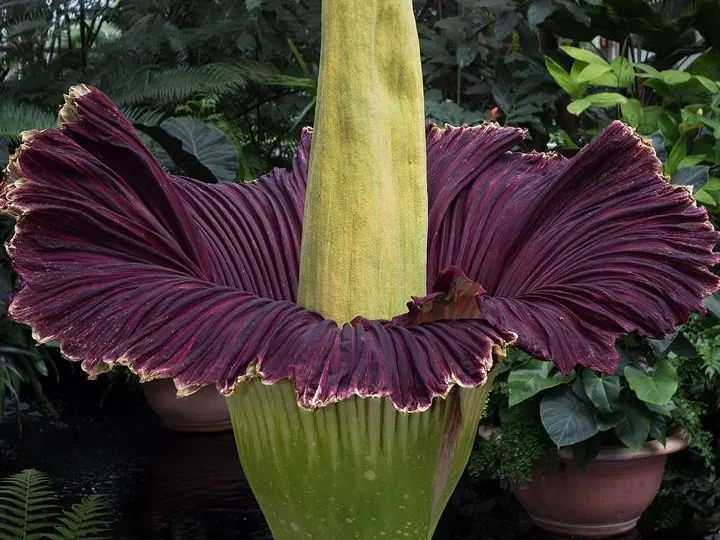
Over three metres tall, smelling of rotting meat to bring in carrion beetles and flesh flies. The flowers last a day or so.
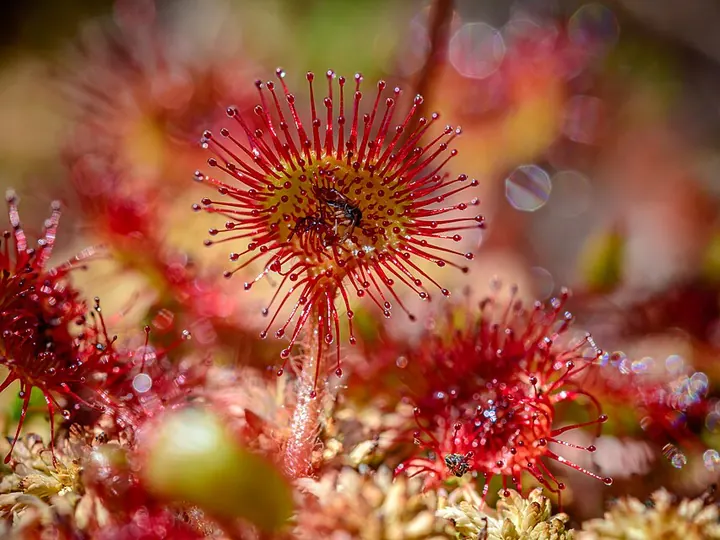
Its leaves are coated in sticky red hairs that secrete mucilage.
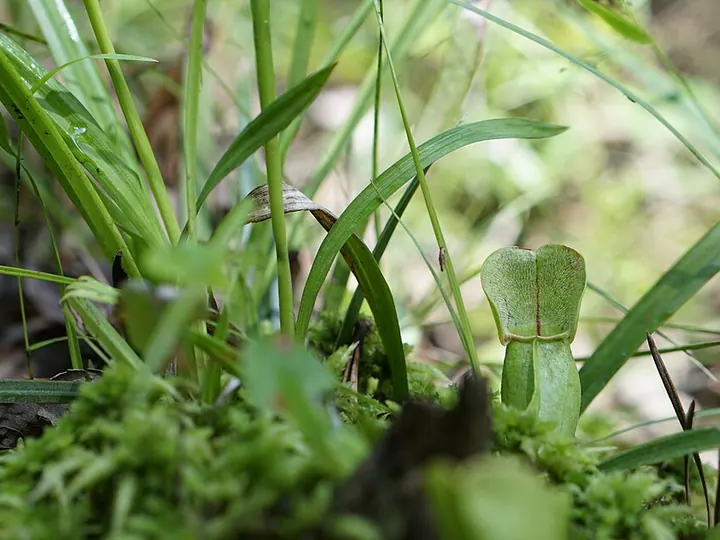
A carnivorous plant that lives in cold northern bogs, the only one of its genus that does.
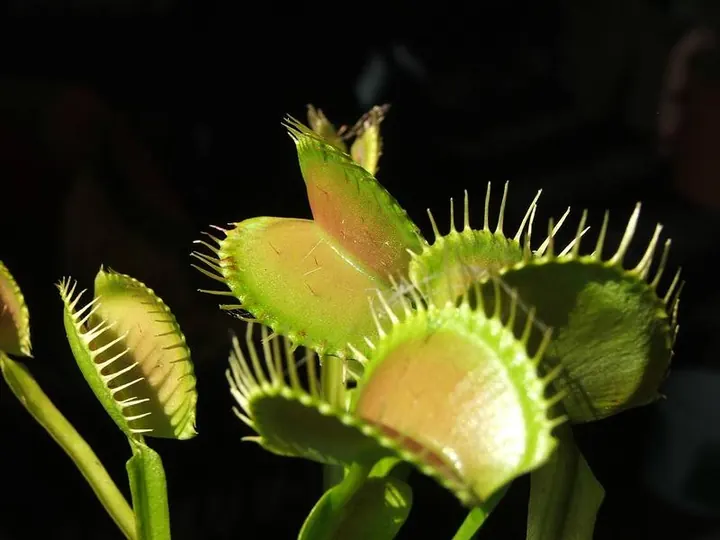
It shuts only if touched twice within about twenty seconds, so raindrops do not fool it. It grows wild only near Wilmington, North Carolina.
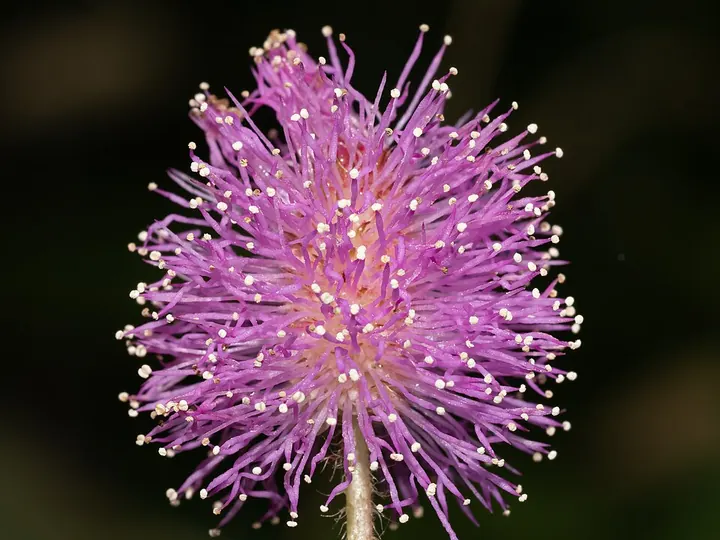
Touch it and the leaves fold shut and droop, then open again a few minutes later.
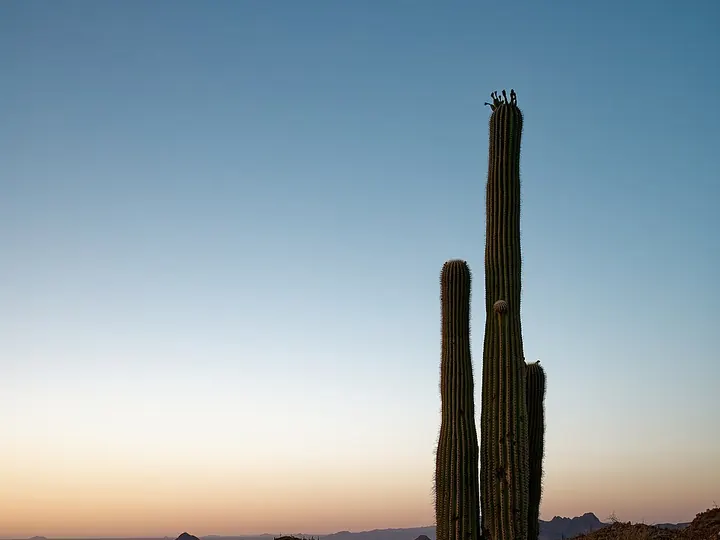
Some saguaros never grow an arm at all.
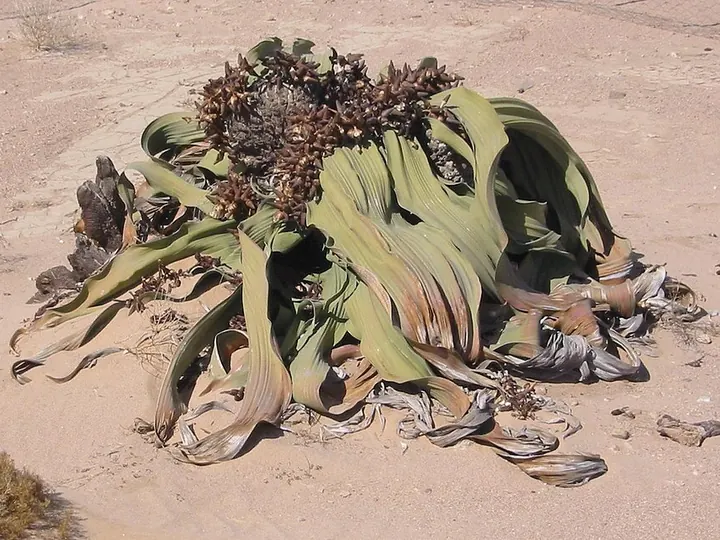
It keeps only two leaves for its whole life, and they never stop growing.
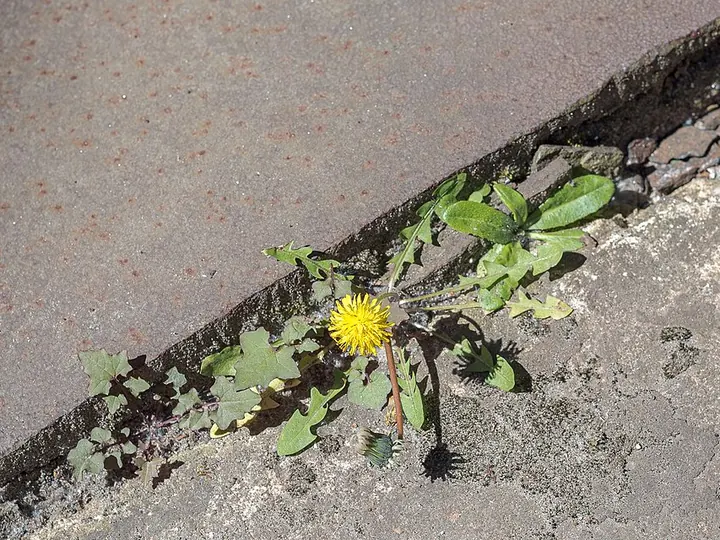
One dandelion can make more than 5,000 seeds a year, and wind carries them away.
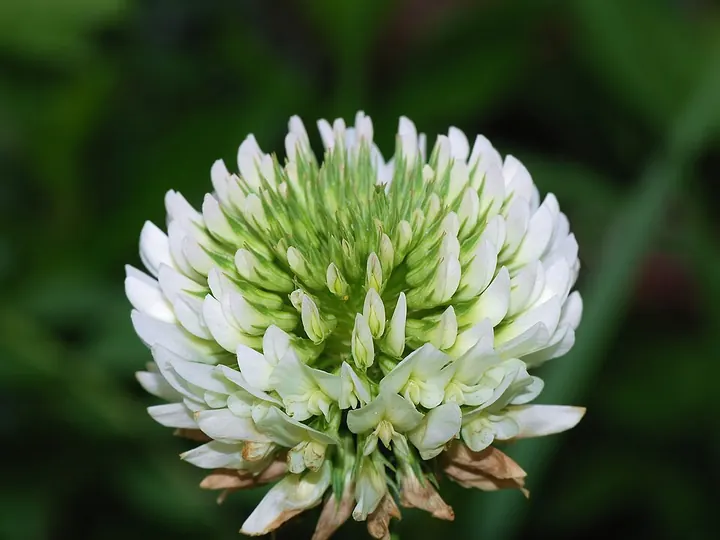
A patch of white clover can potentially double in width in a single growing season.
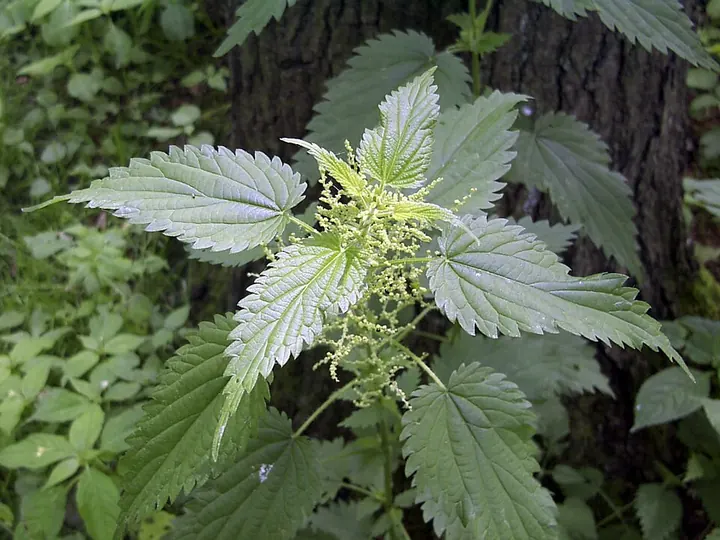
Its leaf hairs act like hypodermic needles, injecting histamine when touched.
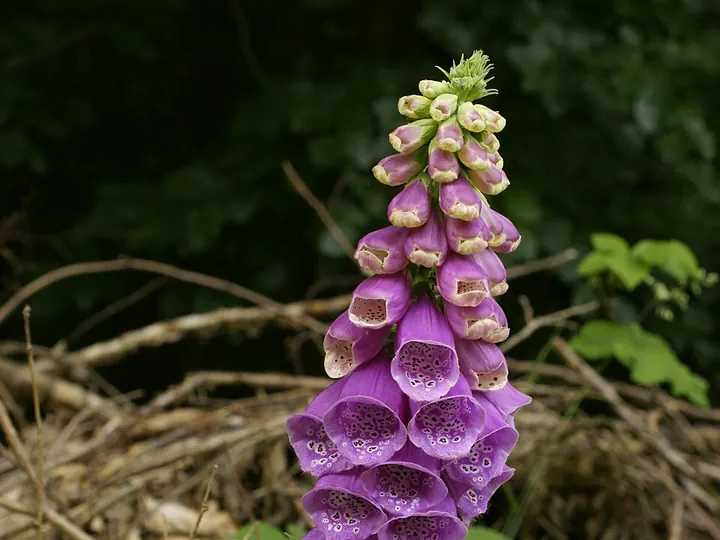
A heart drug, digoxin, traces back to this poisonous garden flower.
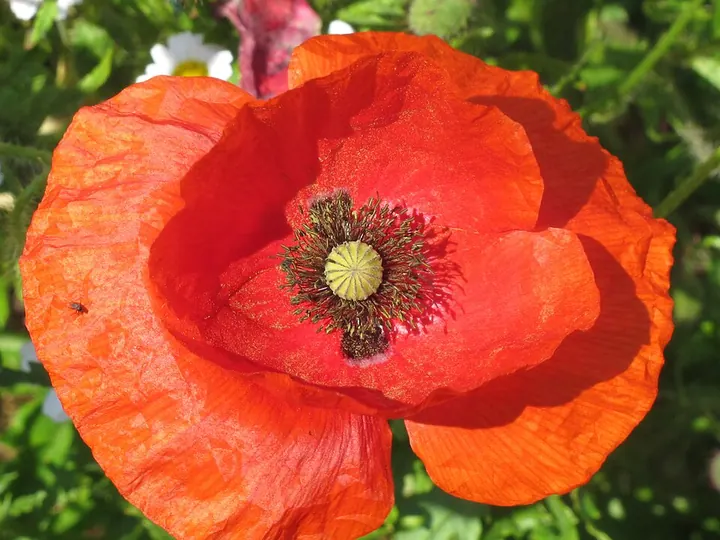
One flower lasts a single day, but a plant can make up to 400 of them in a warm season.
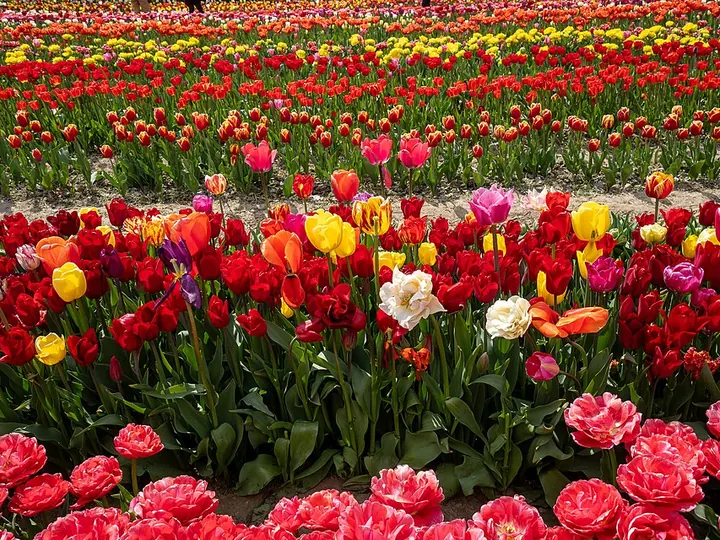
Most garden tulip cultivars are derived from one species, Tulipa gesneriana.
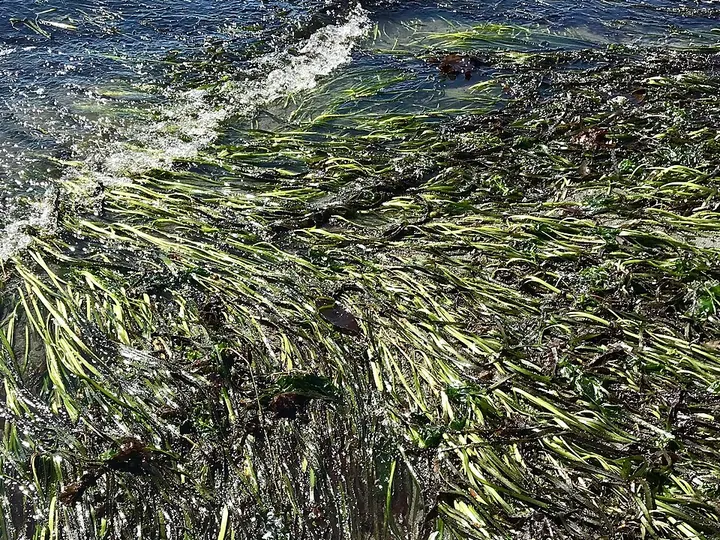
A meadow of cloned eelgrass was found to be 3000 years old, genetically.
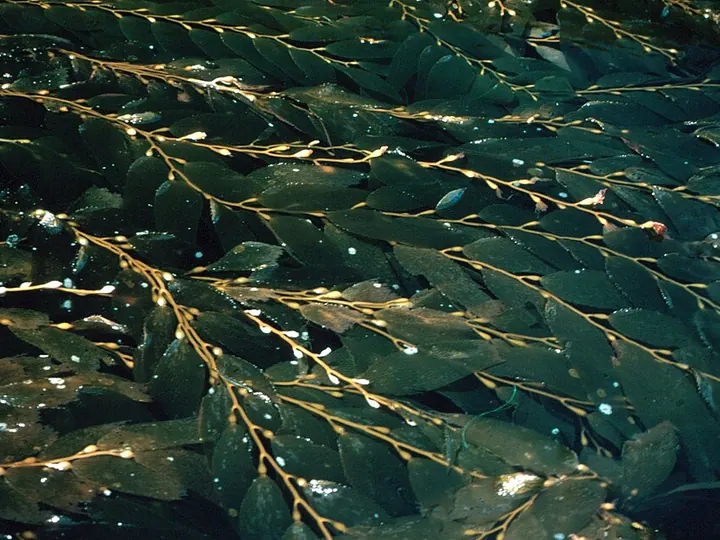
Giant kelp is among the quickest growers of any living thing.
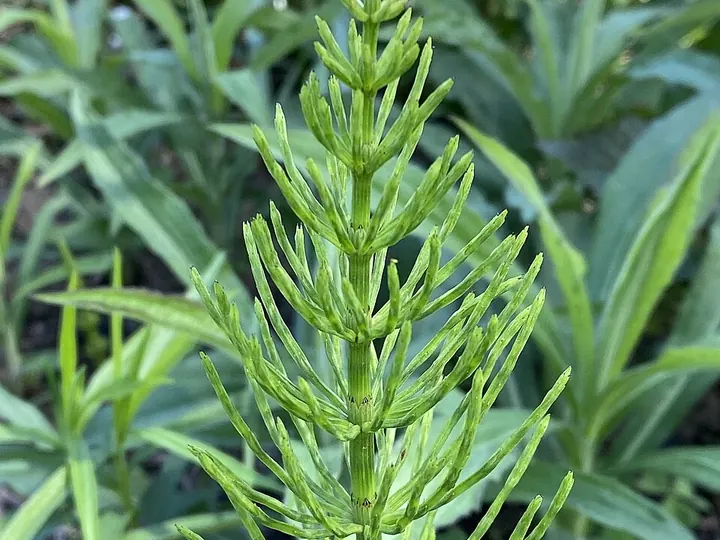
Its ancestors lived in the Carboniferous period, and it has changed little since.
Every photograph and every outline comes from a real, openly licensed image, credited at the bottom of its card. Only plain charts are drawn.
The words on these cards are written by AI from the sources named on each card. Software matched every number and claim to a sentence in those sources. Mistakes are still possible, so follow a card's links before relying on it.
Globe dots are real recorded sightings from GBIF. Where a card says native range only, they are clipped to that range. Otherwise they can include zoos, gardens and places the species was introduced.