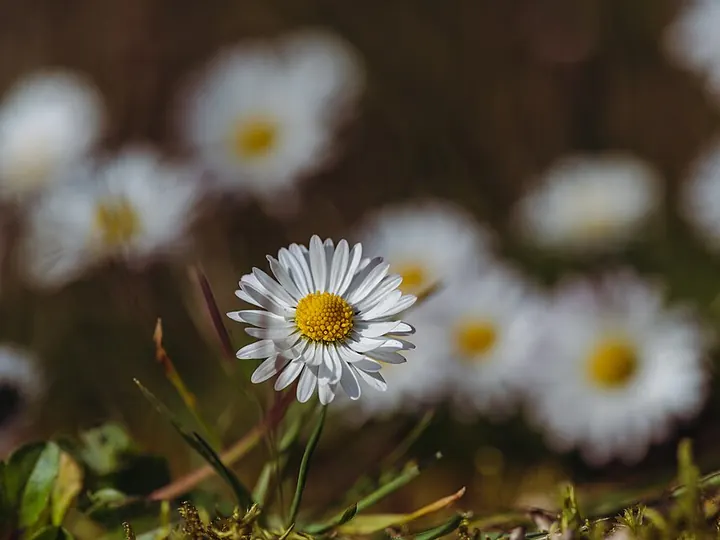
Common daisy
Bellis perennisMagnoliopsida › Asterales › Asteraceae
Flowers track the sunIts flowers turn to follow the sun across the sky.
Field Guide · Chapter 25 of 29
Swipe across, tap a card to turn it over, then scroll down its back. Try Look closer on a front, spin a globe, and lift the question on a park sign.
Its flowers turn to follow the sun across the sky.
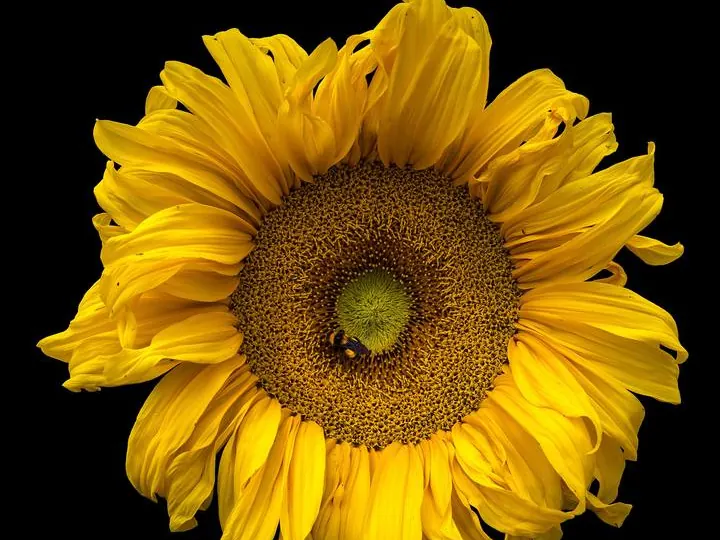
The “flower” is many tiny florets packed in spirals, usually 34 one way and 55 the other. Young heads follow the sun.
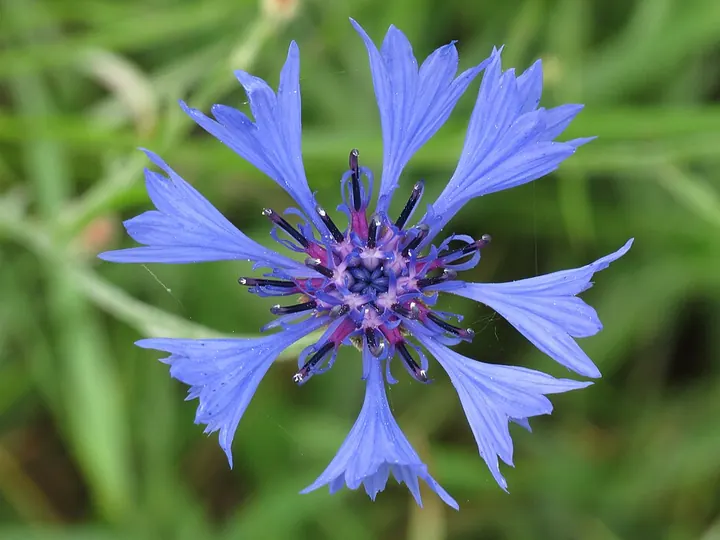
A cornfield weed that is now endangered where it grew naturally.
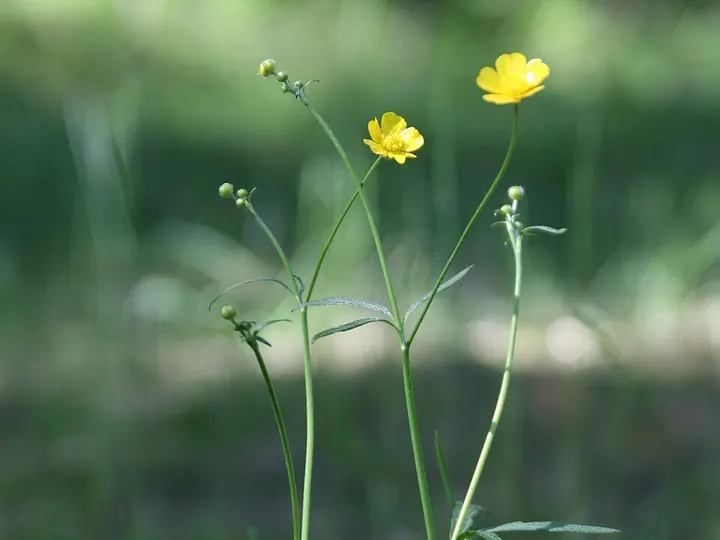
A meadow flower that is a serious weed on New Zealand dairy farms.
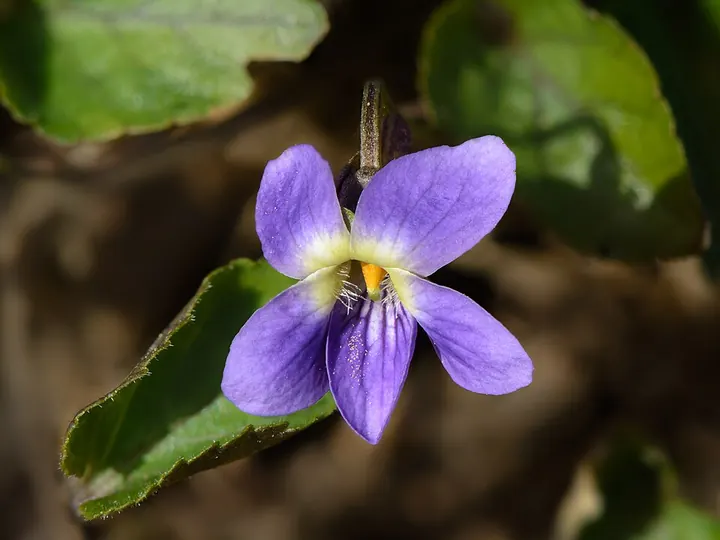
Only a few other flowers smell remotely like a violet.
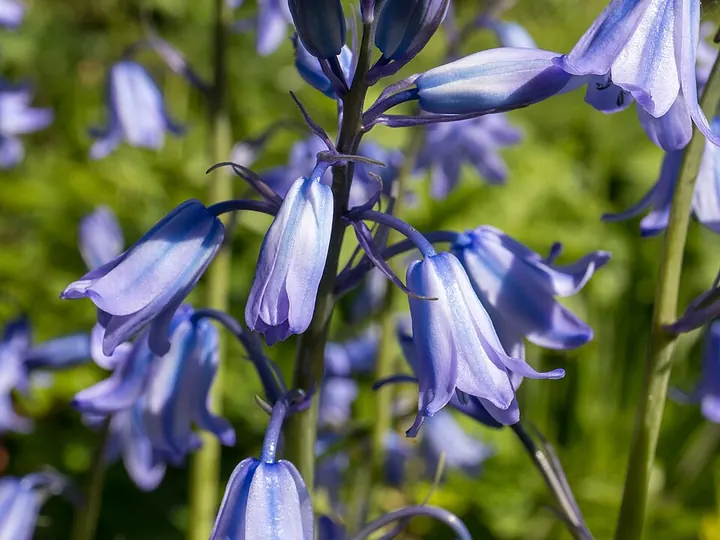
Its roots shrink to draw the bulb down into moister soil, reaching 10 to 12 cm.
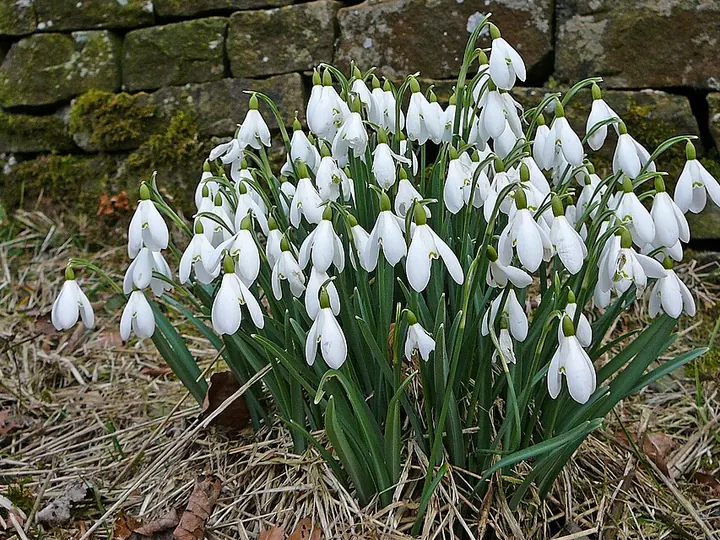
Ants spread its seeds, which carry a fleshy tail they find attractive.
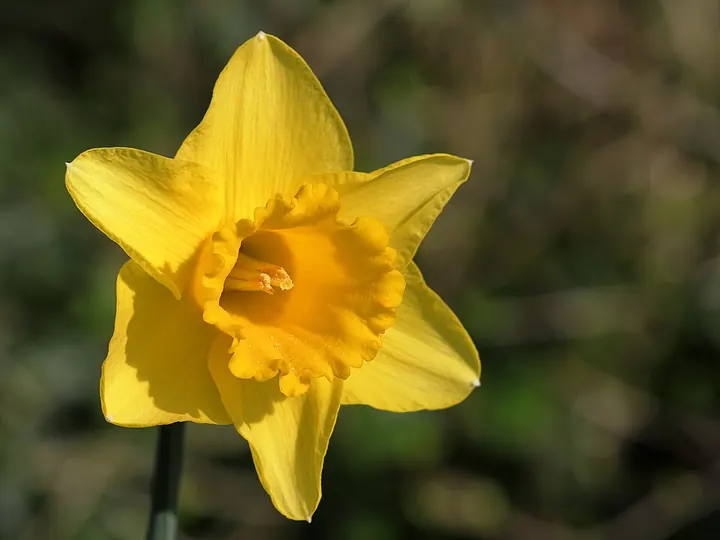
Grown from seed, it takes five to seven years to flower.
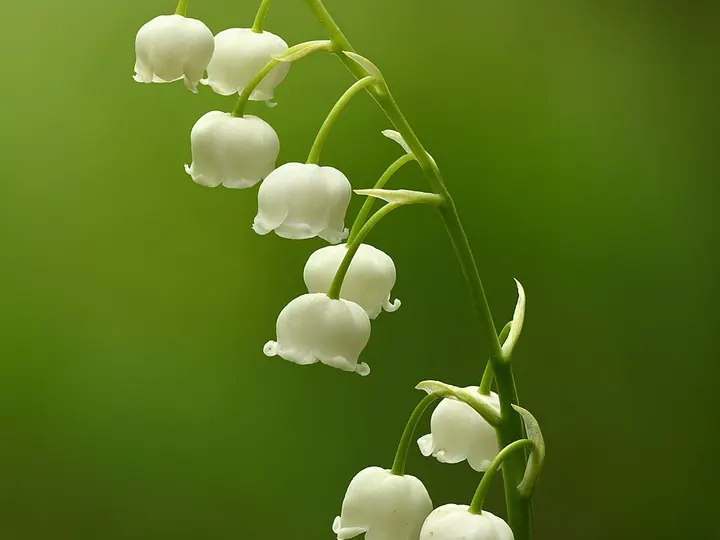
Its sweet bells hide a poison, and every part of the plant can make you ill.
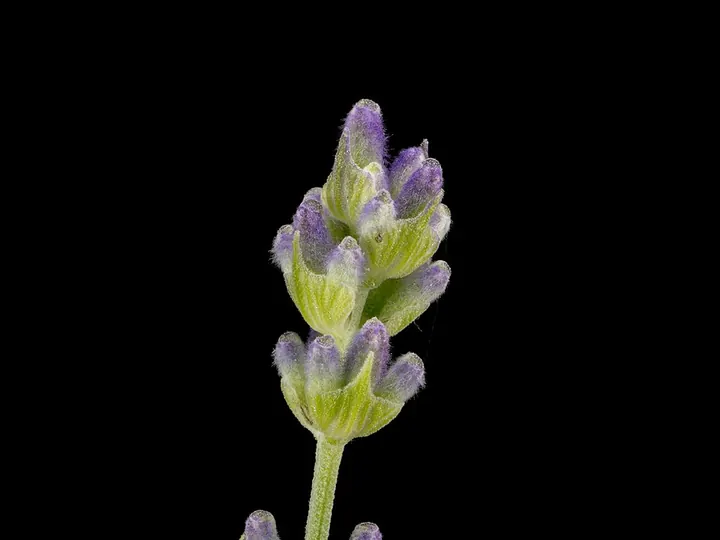
Its name says England, but the plant comes from the Mediterranean basin.
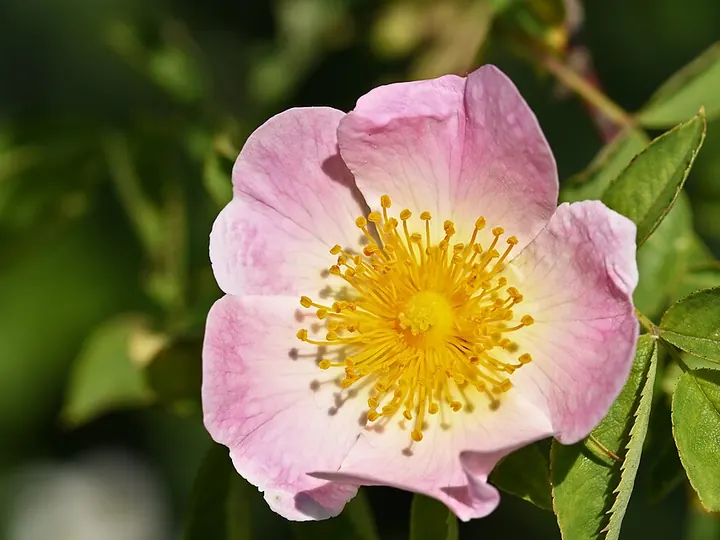
Its hips are 65.2% water, possibly the lowest of any European fleshy fruit.
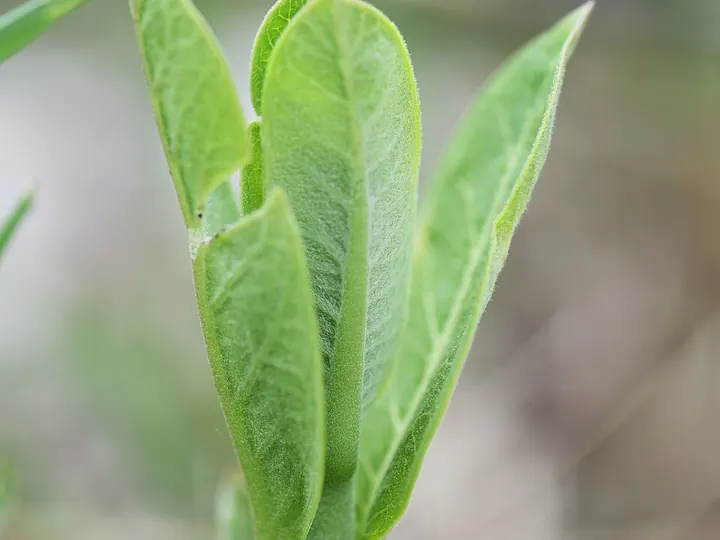
The eastern monarch migration largely depends on only three milkweeds, and this is one of them.
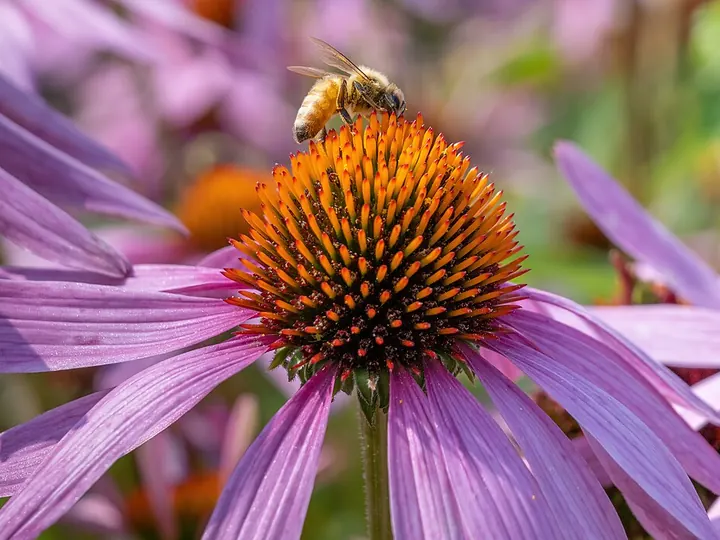
Each tiny flower in the middle of the head has both male and female parts.
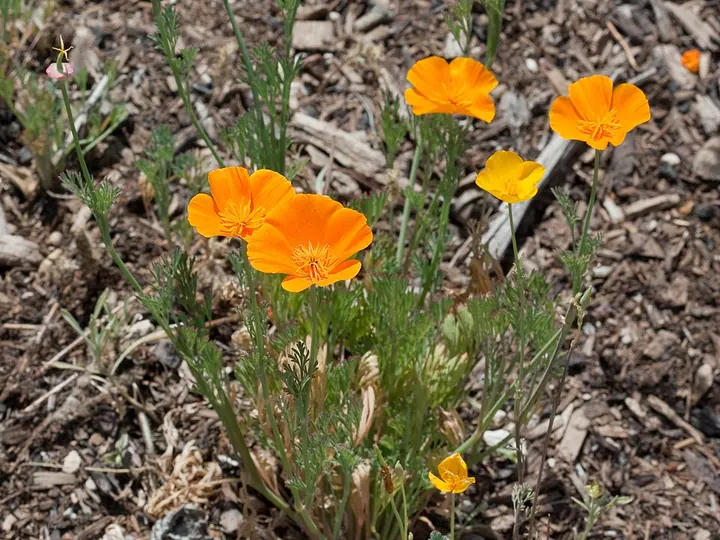
Its petals fold shut at night and open again the next morning.
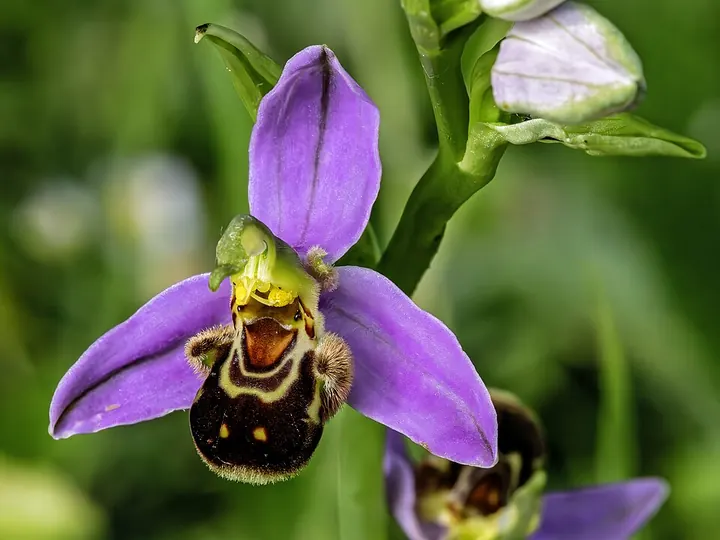
Seeds need a fungus to sprout, and sprouting can take months or years underground.
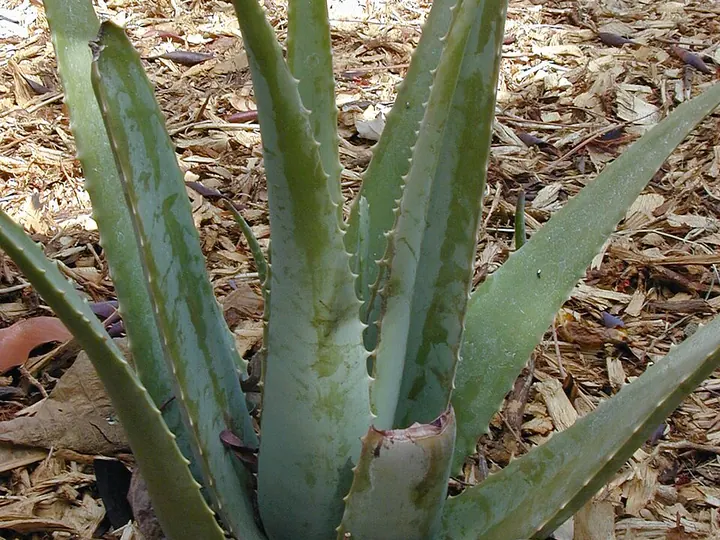
Aloe latex is swallowed to relieve constipation.
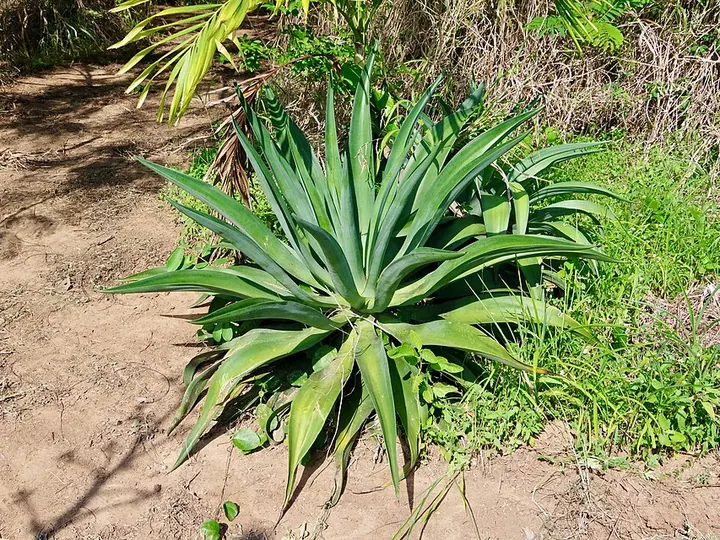
It blooms a single time, late in a long life.
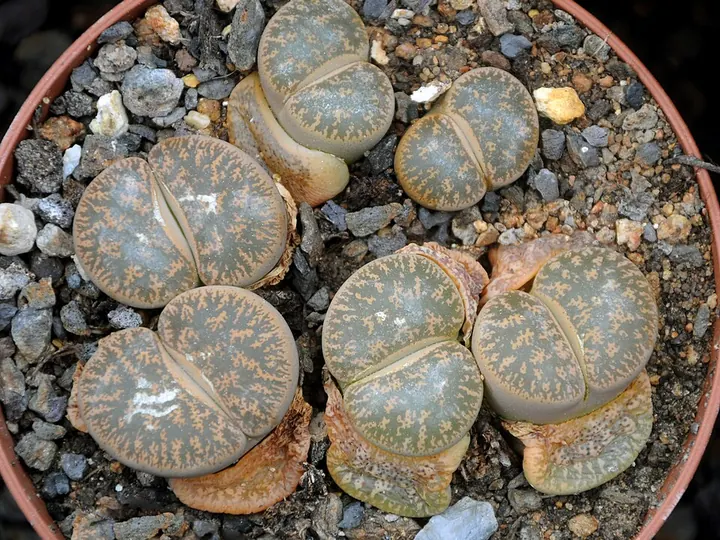
It grows in the shade of another plant, in rocky grassland and savannah.
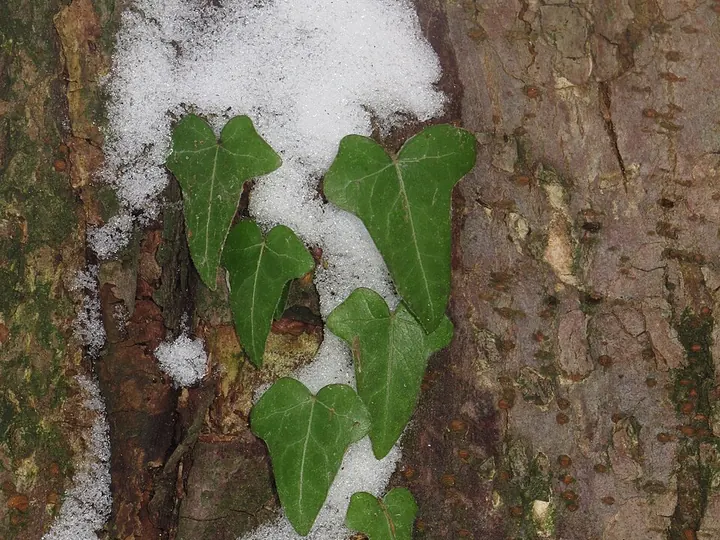
Ivy flowers feed bees and other insects into late autumn.
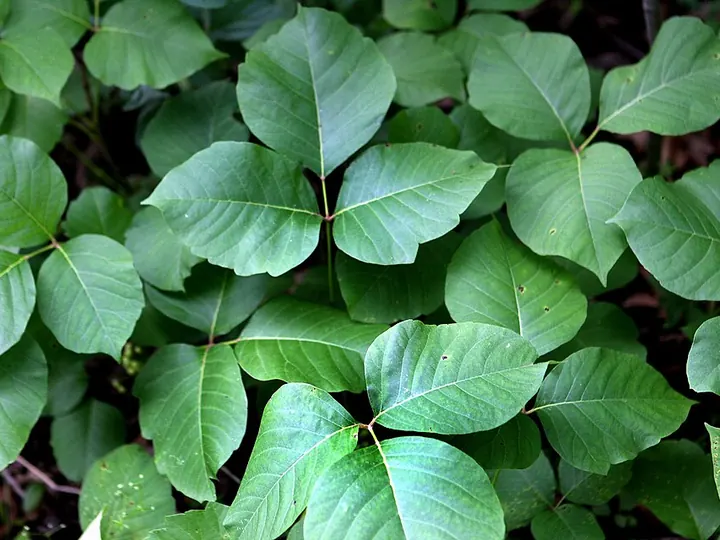
Poison ivy is not an ivy at all, but a relative of cashews and sumac.
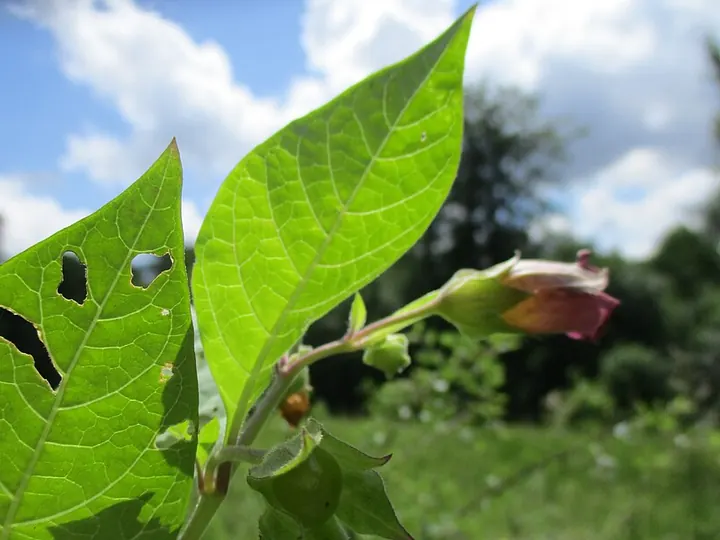
Its berries look attractive and taste somewhat sweet, so they pose the greatest danger to children.
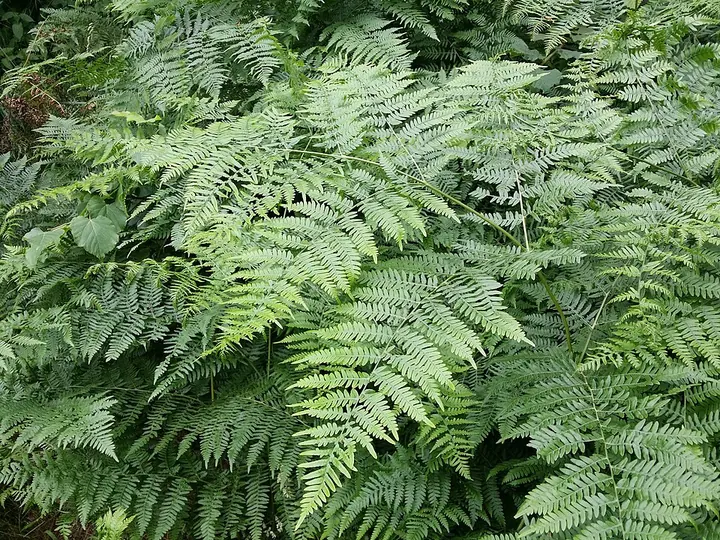
A bracken patch is often a colony of genetically identical fronds.
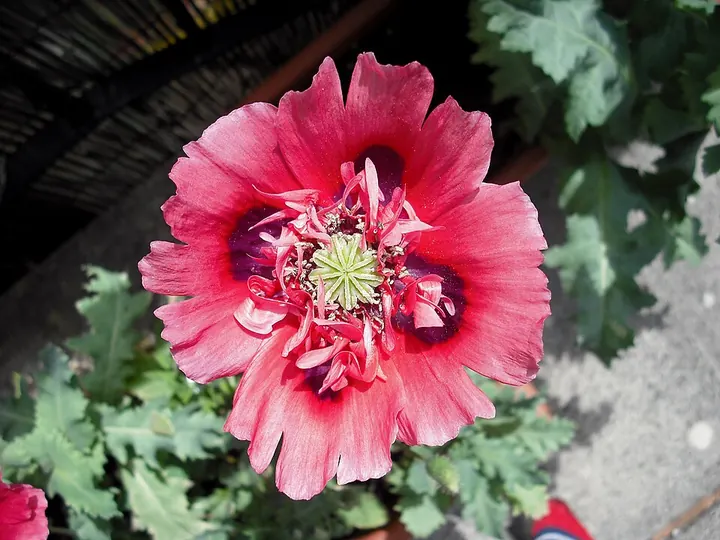
Every part of this plant gives off white latex when it is wounded.
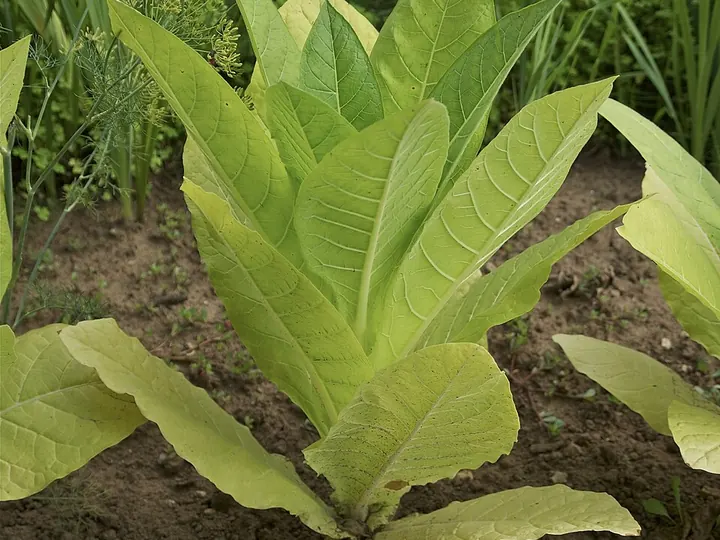
In 1612 a Virginia planter used this species to break the Spanish monopoly on tobacco.
Every photograph and every outline comes from a real, openly licensed image, credited at the bottom of its card. Only plain charts are drawn.
The words on these cards are written by AI from the sources named on each card. Software matched every number and claim to a sentence in those sources. Mistakes are still possible, so follow a card's links before relying on it.
Globe dots are real recorded sightings from GBIF. Where a card says native range only, they are clipped to that range. Otherwise they can include zoos, gardens and places the species was introduced.