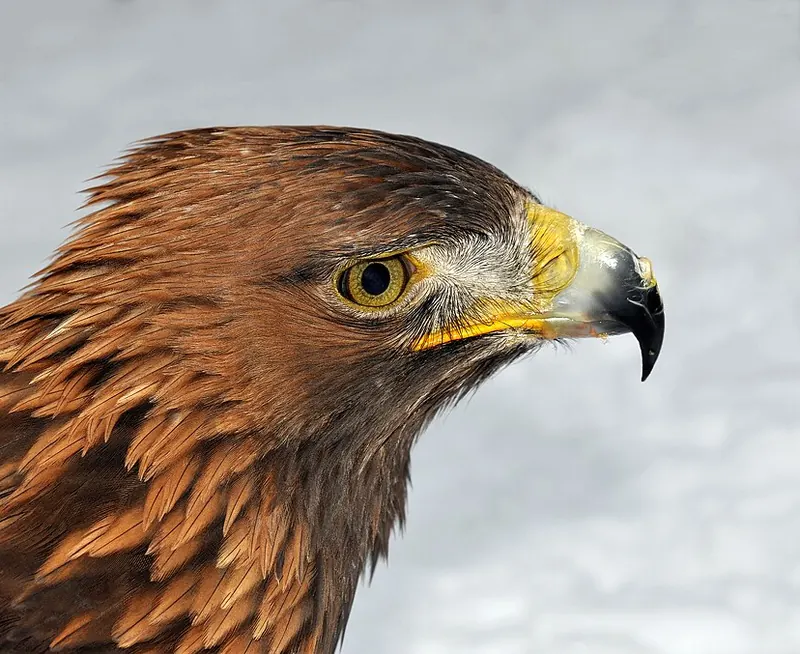
Aves › Accipitriformes › Accipitridae
Golden eagle
Wingspan 1.8 to 2.34 m
It can go up to a week without food, then gorge on up to 900 grams in one sitting.
Field Guide · Chapter 6 of 29
Swipe across, tap a card to turn it over, then scroll down its back. Try Look closer on a front, spin a globe, and lift the question on a park sign.
It can go up to a week without food, then gorge on up to 900 grams in one sitting.
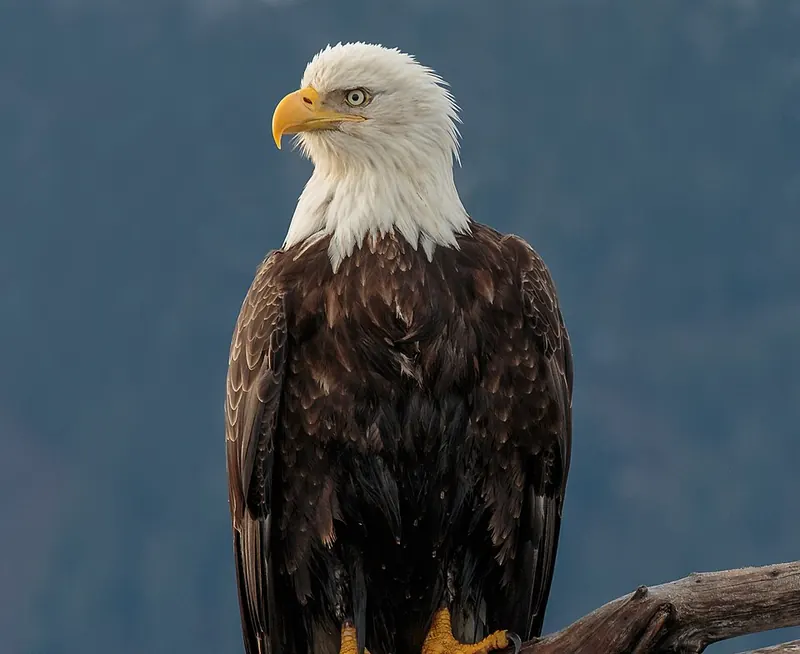
Its nest can weigh a metric ton, the largest built by any North American bird.
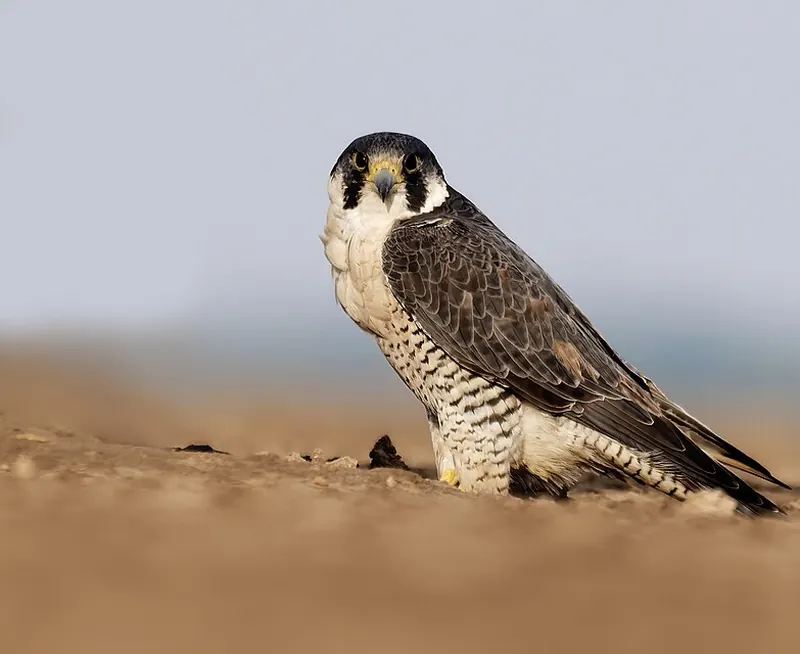
In its hunting dive it hits prey with one wing, so it does not hurt itself.
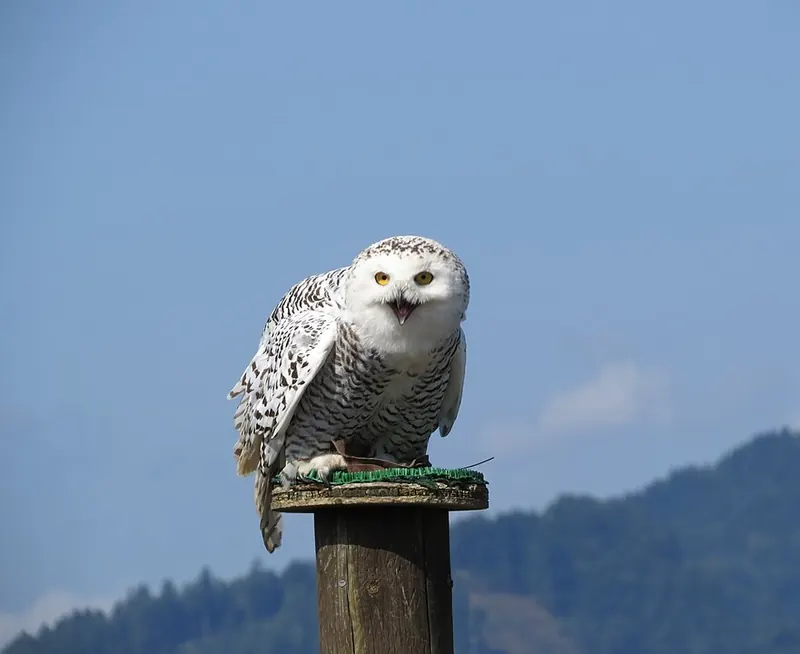
It is the only owl on Earth with mainly white plumage.
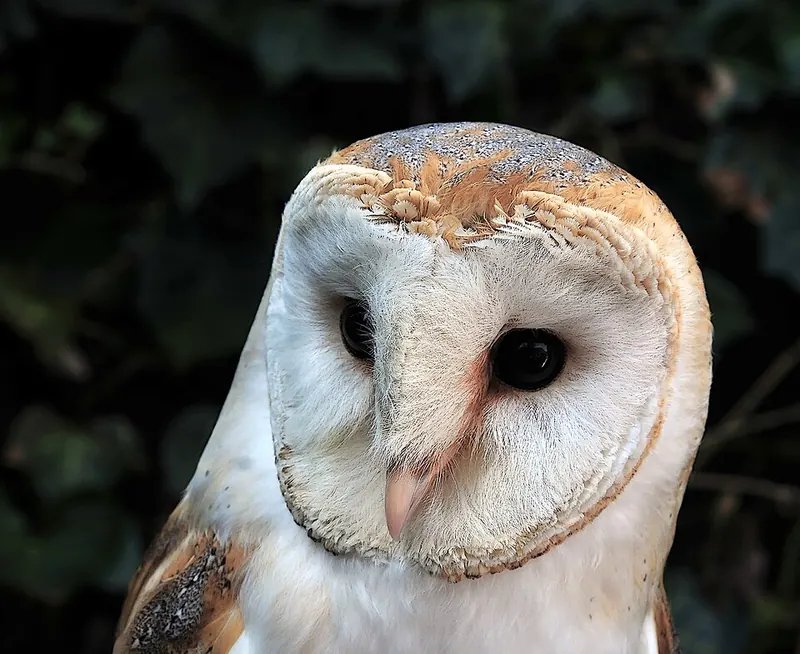
It hunts in complete darkness, relying on an acute sense of hearing.
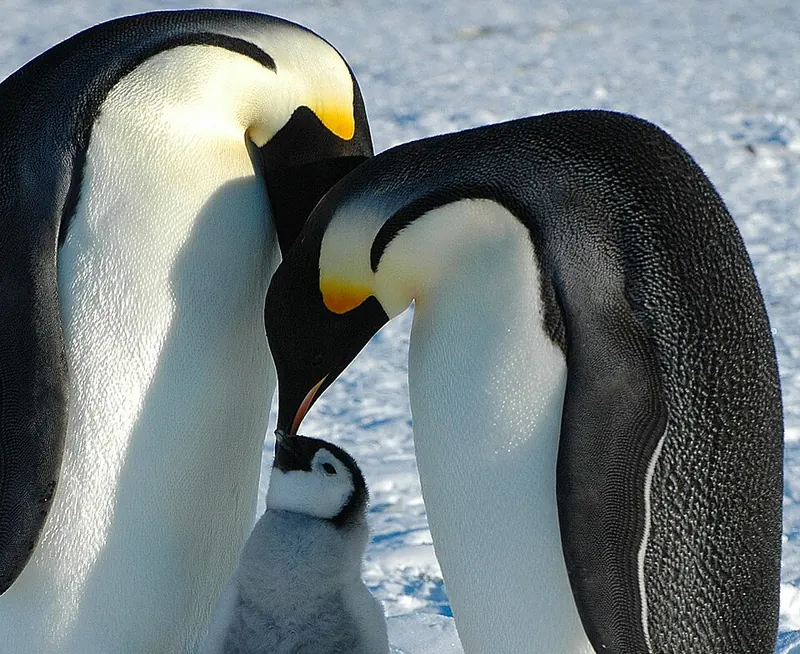
Fathers hold the egg for a long time with no food and lose about 40 percent of their body mass.
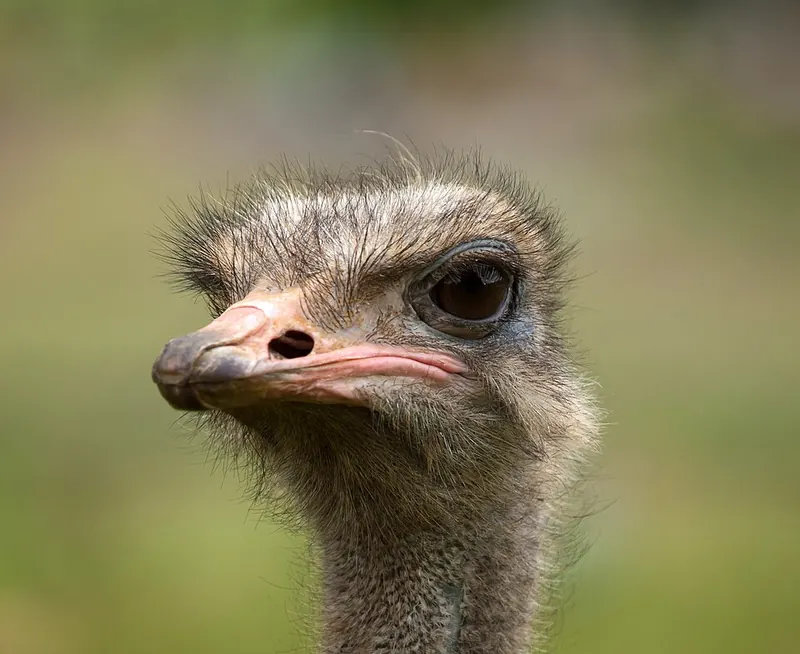
Cornered, it can deliver a powerful blow with its legs.
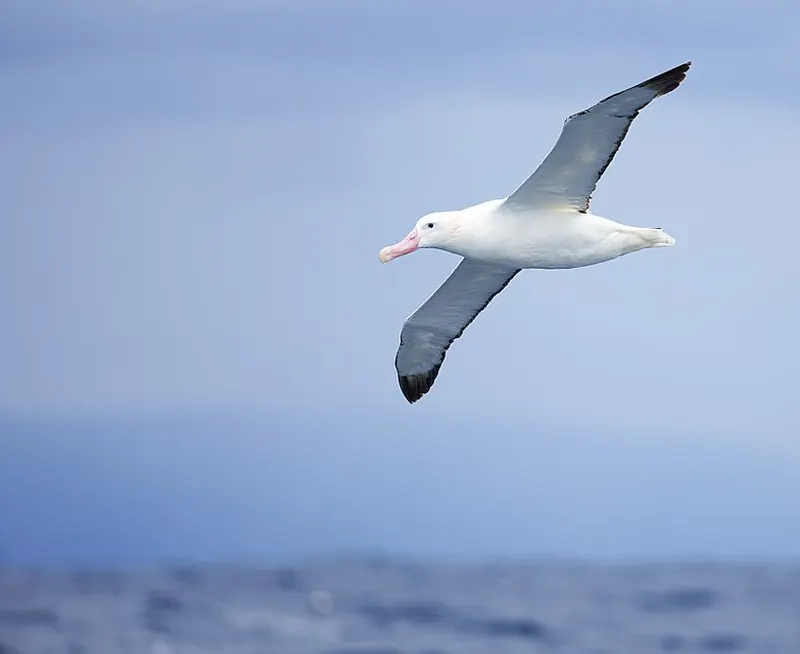
Wandering albatrosses have a biennial breeding cycle, breeding only every other year.
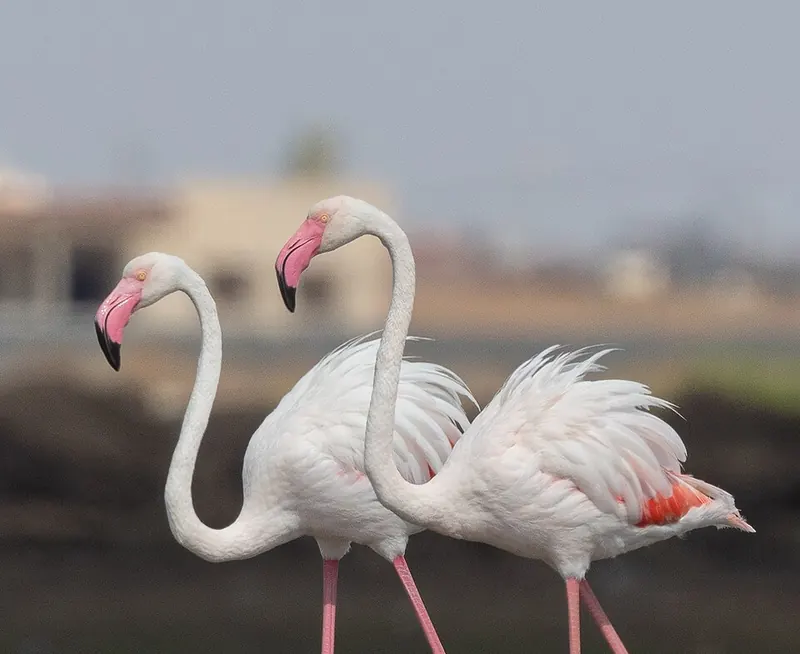
Like every flamingo, it lays a single egg on a mud mound.
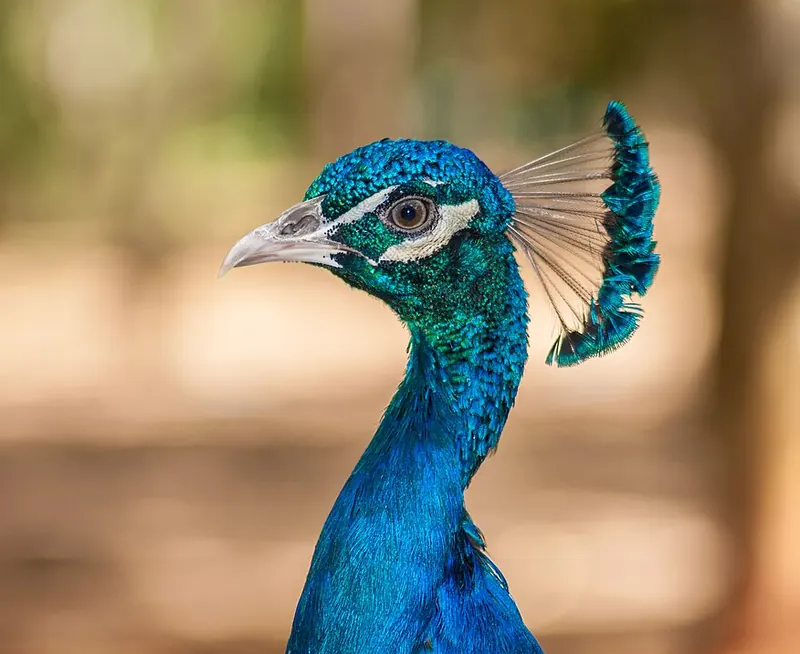
Peafowl have been seen pecking and teasing a cobra, though they did not kill it.
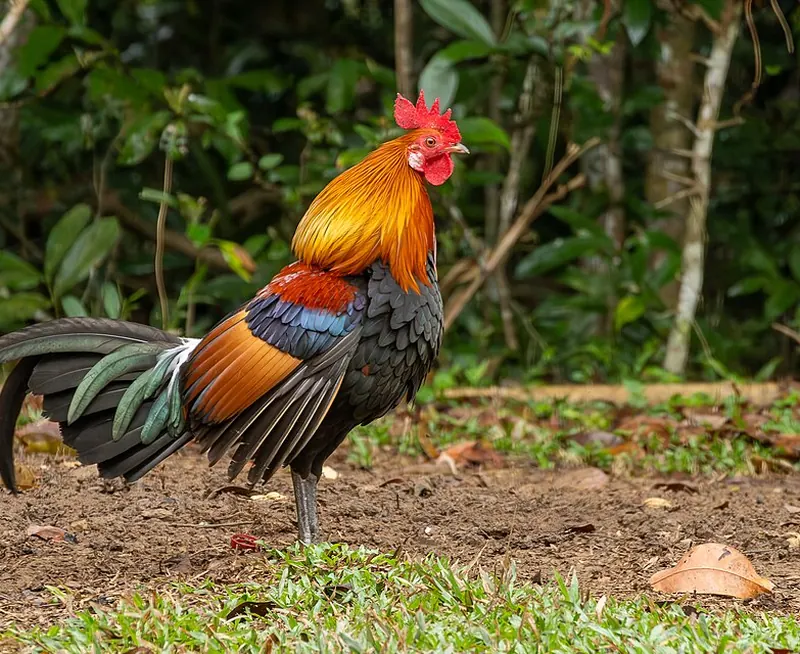
The chicken on your plate comes mainly from this wild bird of the Asian jungle.
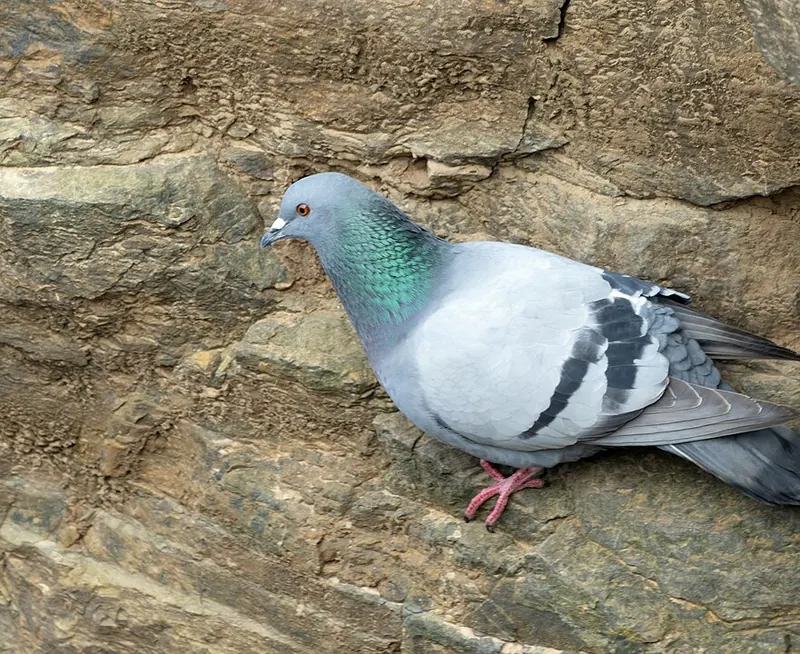
Feral pigeons around the world began as domestic pigeons that escaped.
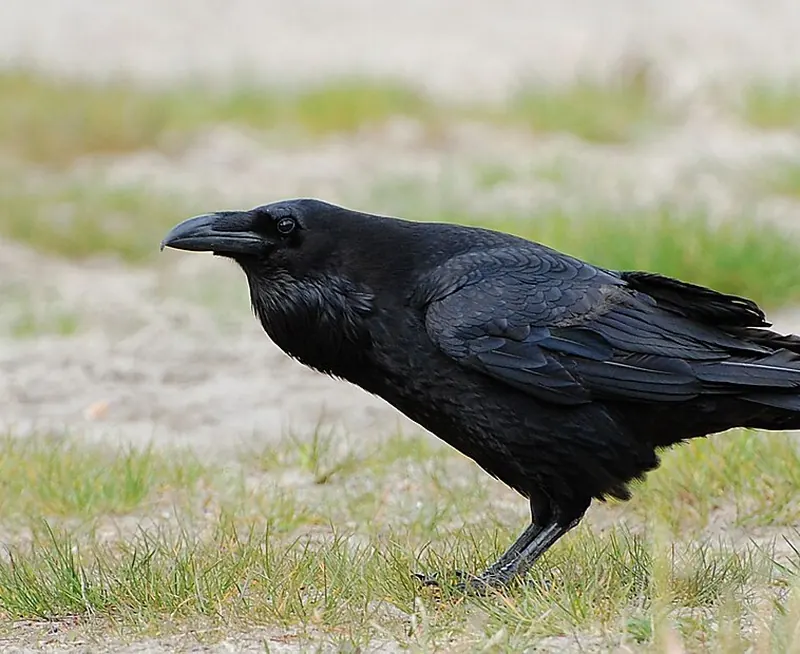
The common raven is the heaviest passerine bird there is.

The most common hummingbird in eastern North America, with about 35 million in 2021.
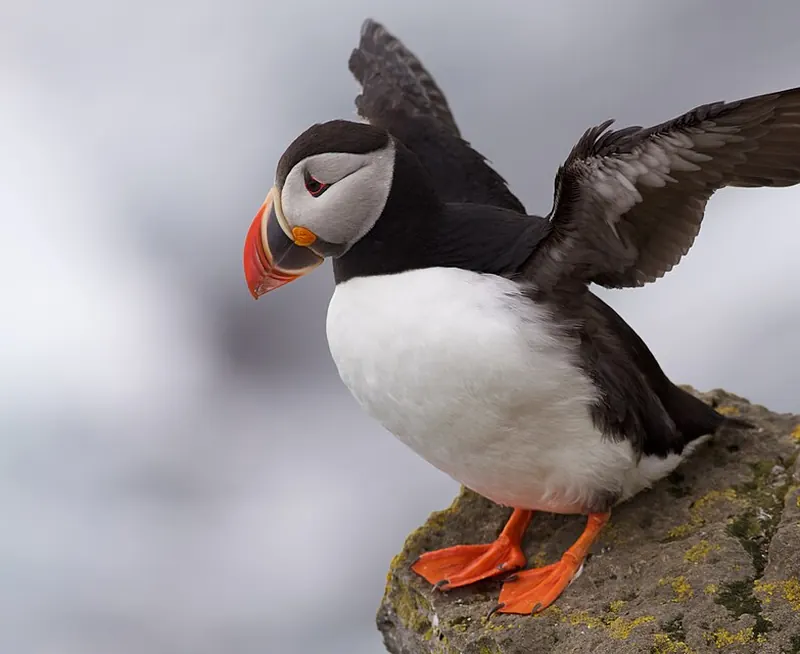
It hunts fish underwater by paddling with its wings, like a bird flying through the sea.
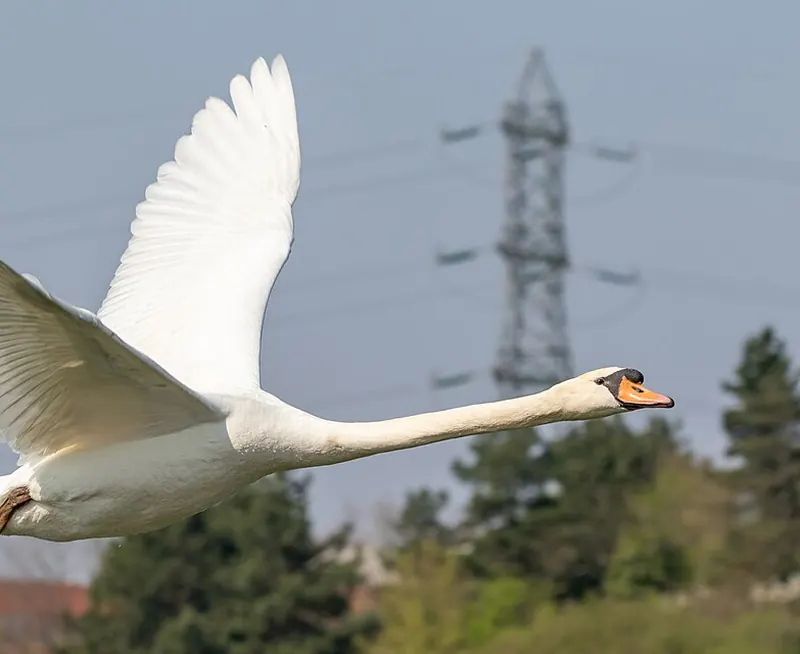
One of the heaviest flying birds alive.
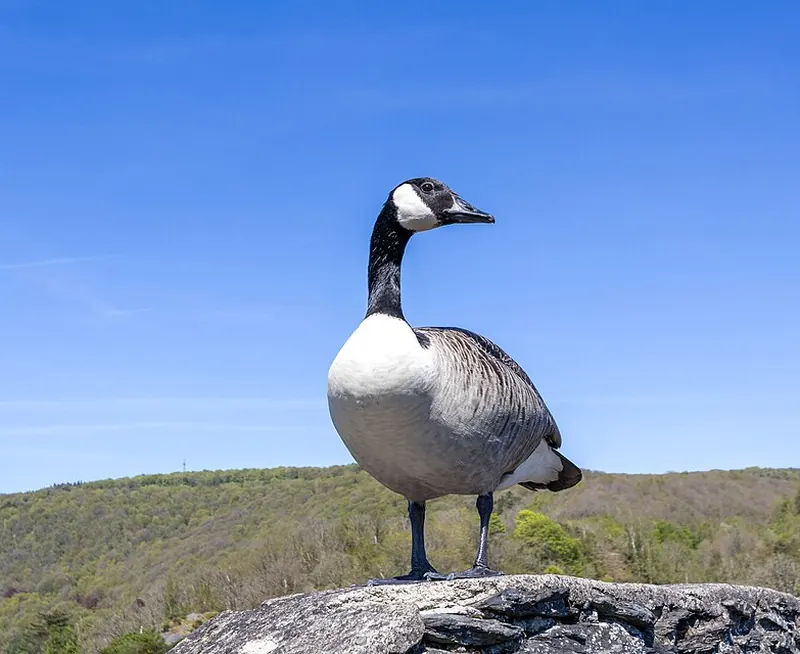
Goslings walk, swim and find their own food as soon as they hatch.
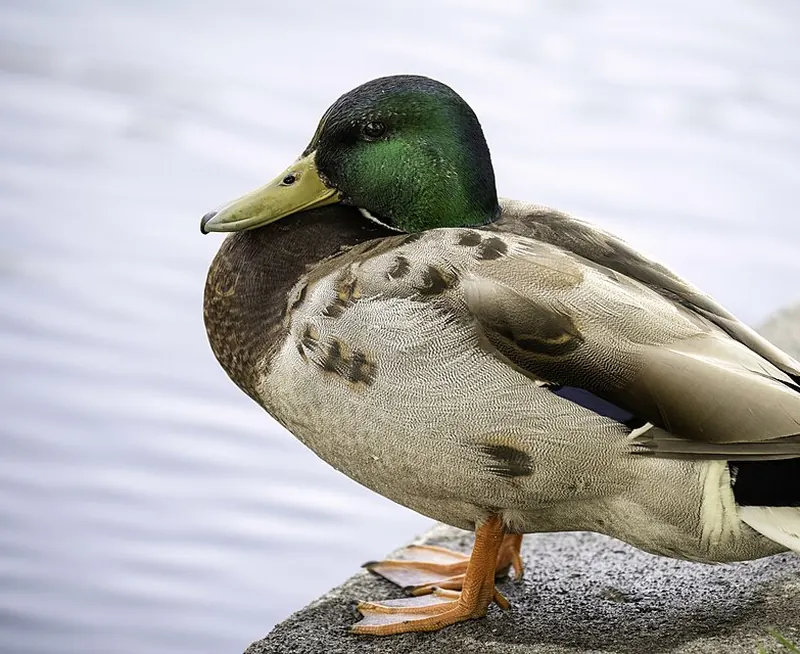
Mallards have benefited from human changes so much that some regions now count them as invasive.
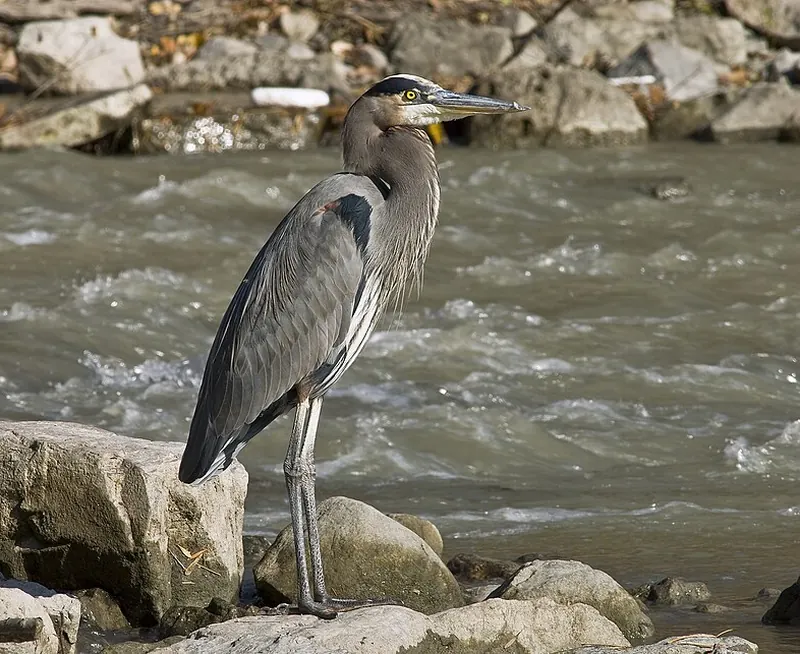
The largest heron native to North America, and a grey giant of wetlands.
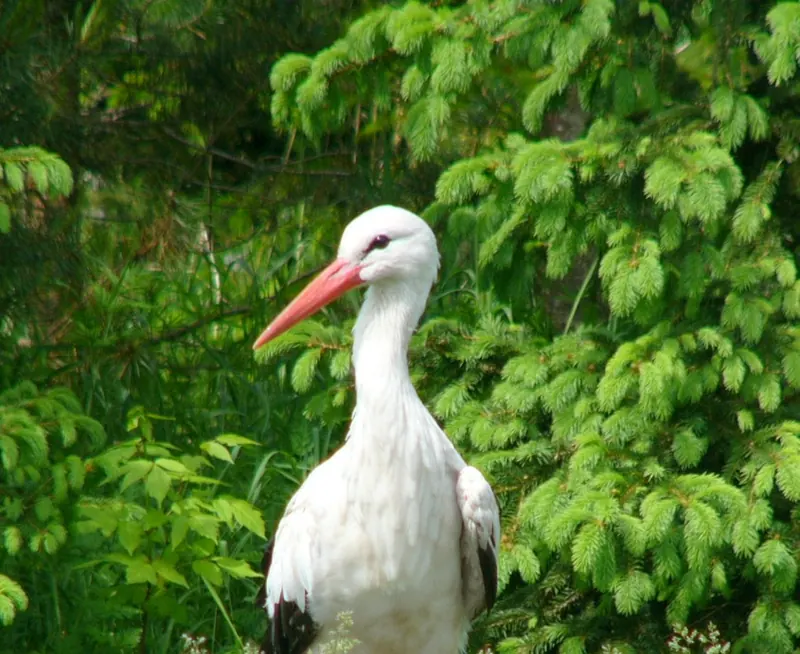
Its nest is typically reused year after year, especially by older males.
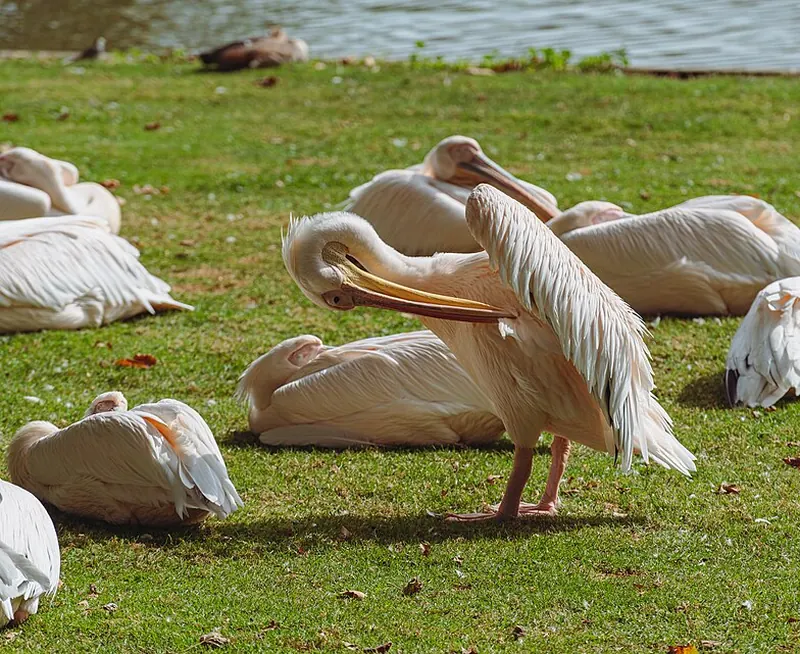
The pouch under its bill is only a scoop: it fills with water and fish, then the water is squeezed out.
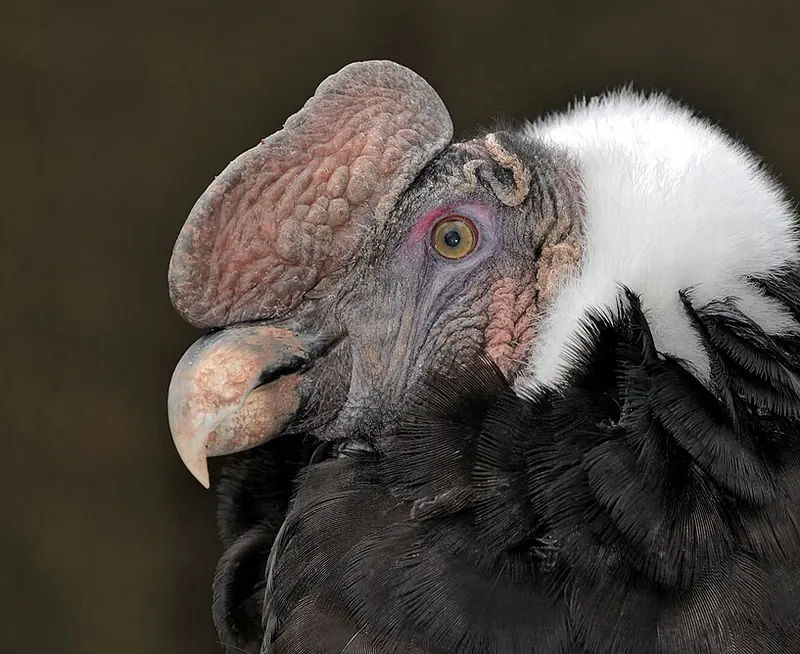
It flaps its wings only about 1% of the time in flight, soaring on thermals instead.
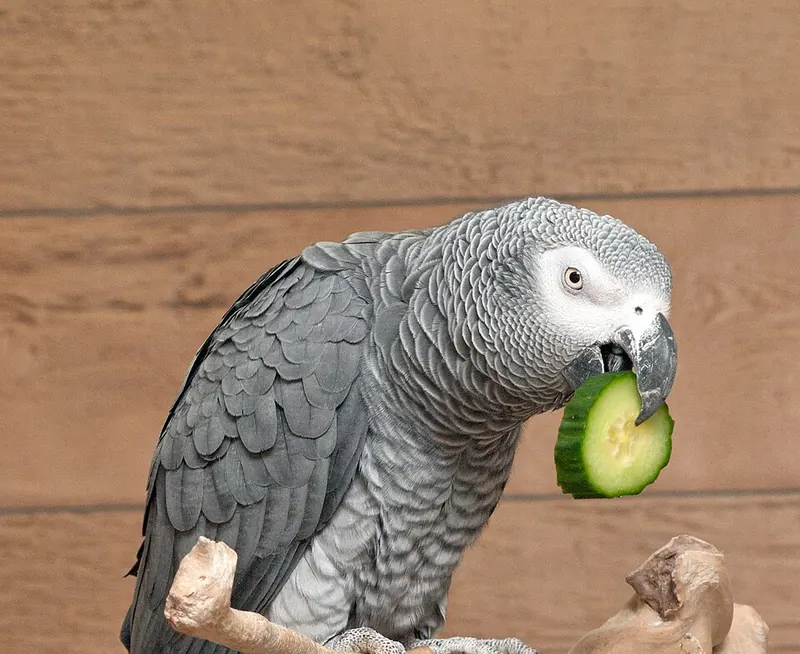
Most birds caught for the trade die before they reach the market, at rates of 60 to 66 percent.
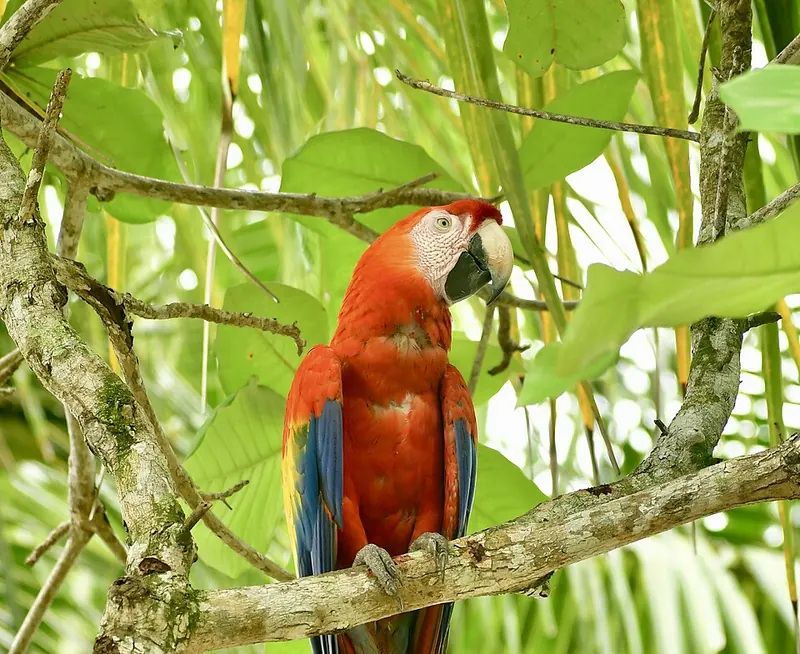
Scarlet macaws keep one mate for life, and a bonded pair is rarely found apart.
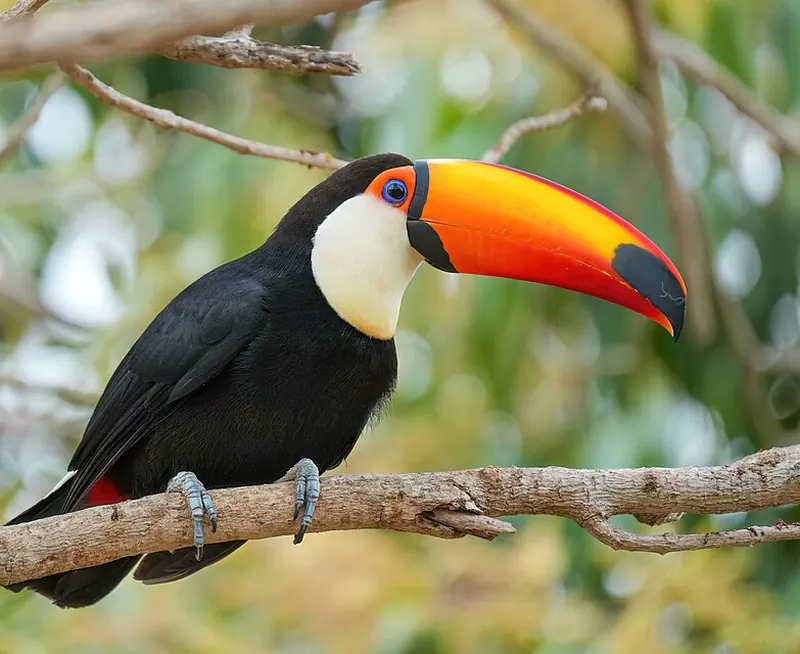
Its bill is a third of its length, the biggest beak for its body size of any bird.
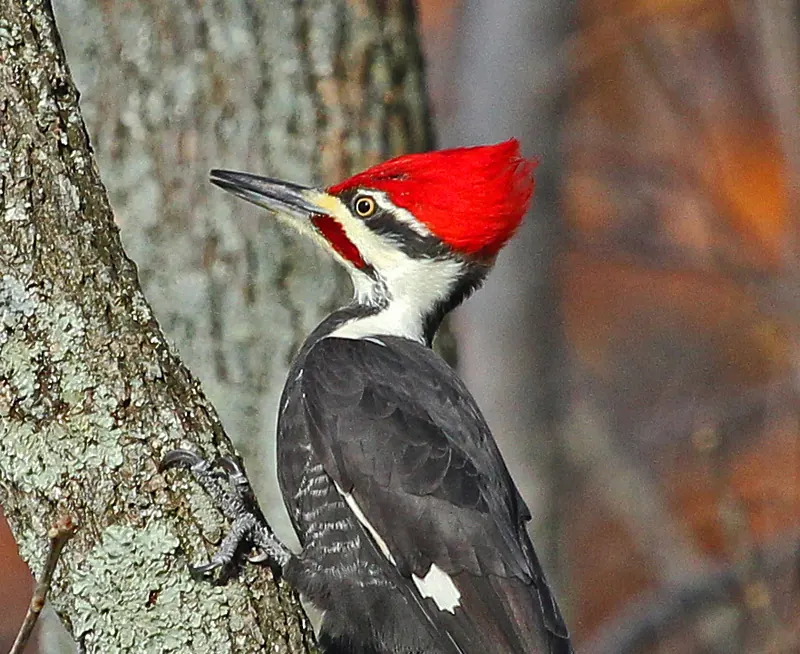
It pries off long slivers of wood to reach the ant tunnels inside a tree.
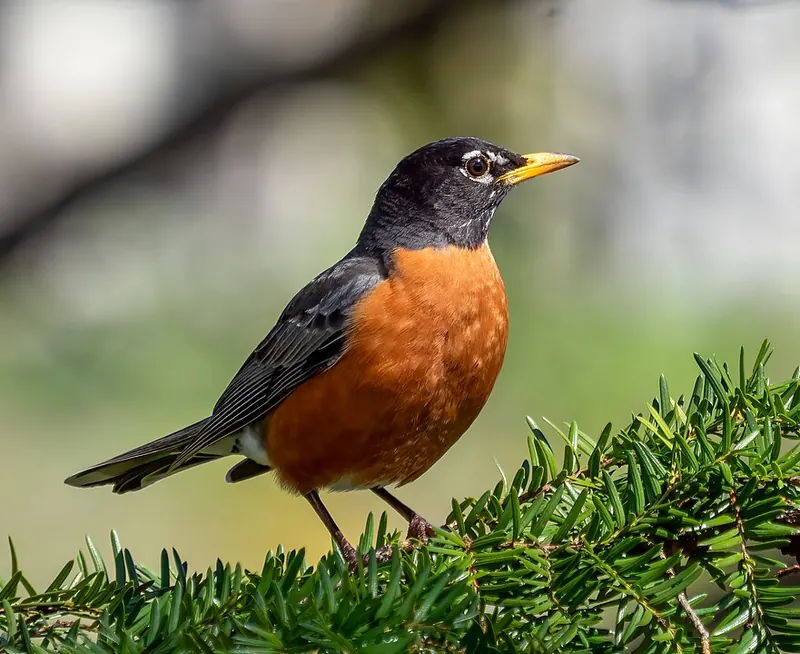
It shares its name with the European robin, a bird it is not closely related to.
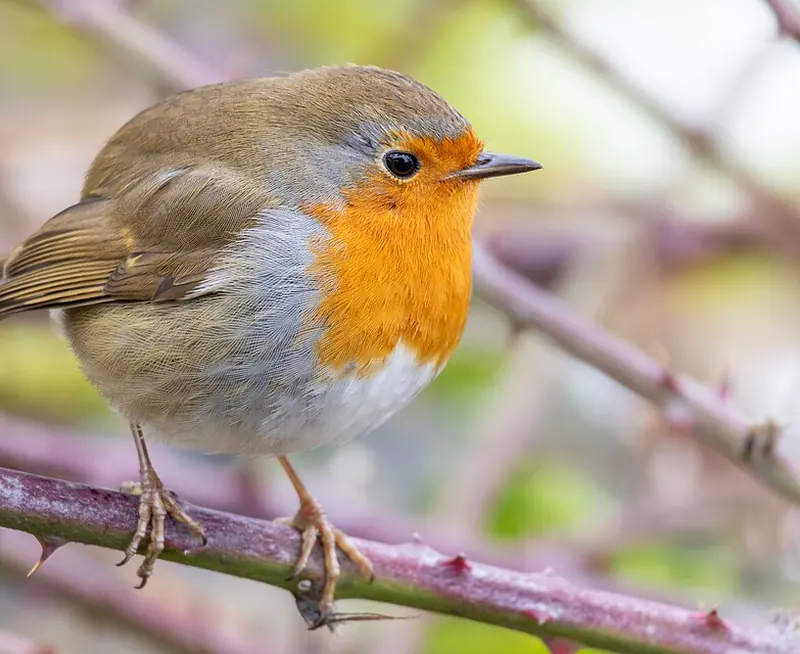
A robin will come close to a gardener to snap up freshly turned earthworms.
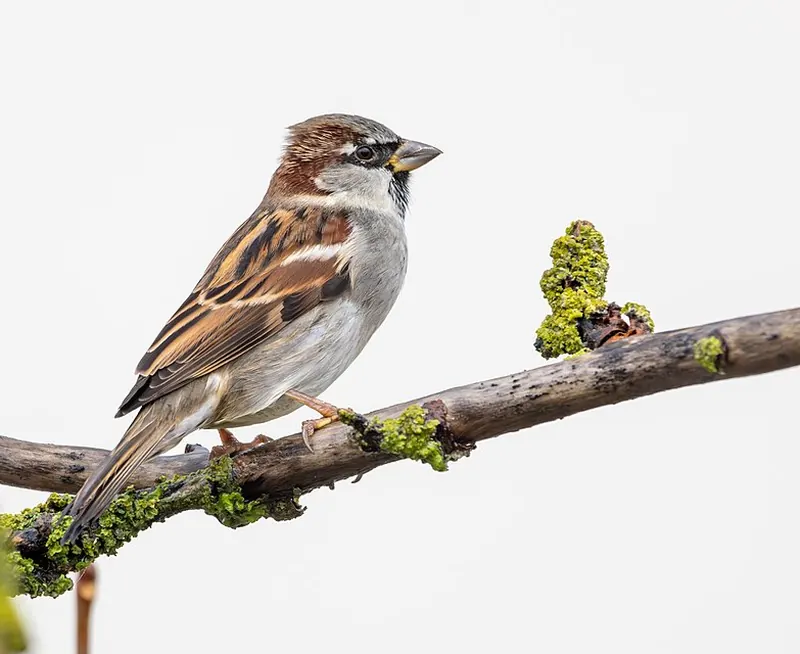
A small brown bird that has reached most of the world since the mid-19th century.
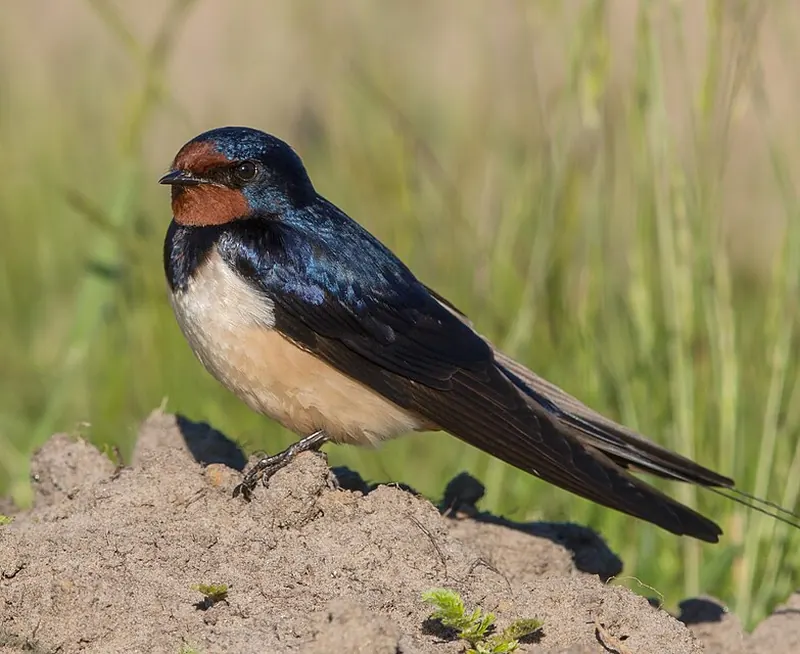
It is the most widespread swallow on Earth, and it lives on every continent.
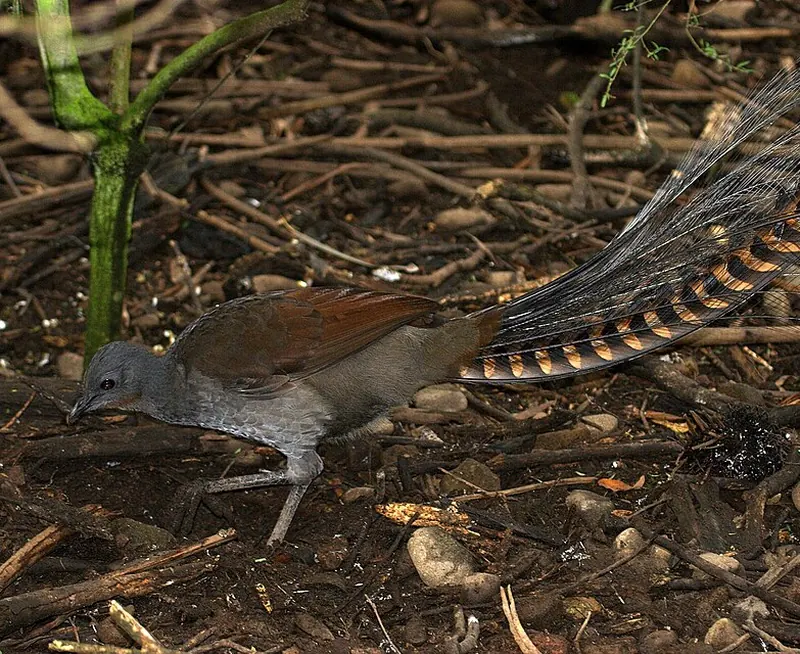
The male can fan his tail over his entire body and head to court a female.
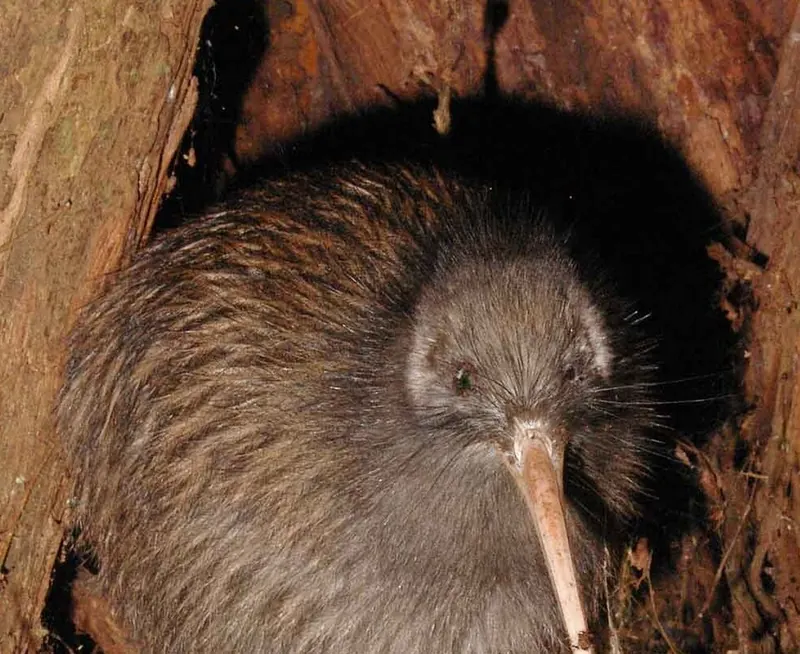
Its eggs are among the largest relative to its body size.
Every photograph and every outline comes from a real, openly licensed image, credited at the bottom of its card. Only plain charts are drawn.
The words on these cards are written by AI from the sources named on each card. Software matched every number and claim to a sentence in those sources. Mistakes are still possible, so follow a card's links before relying on it.
Globe dots are real recorded sightings from GBIF. Where a card says native range only, they are clipped to that range. Otherwise they can include zoos, gardens and places the species was introduced.