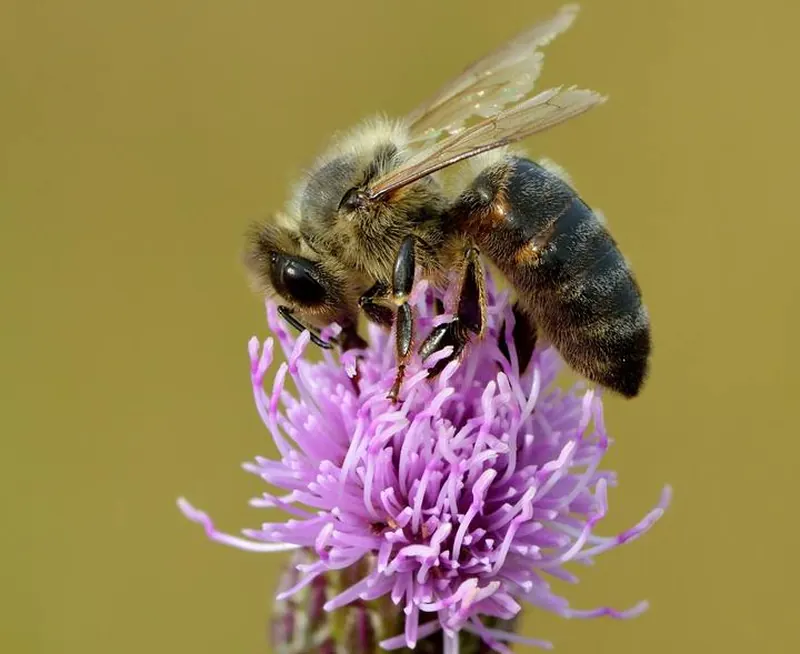
Insecta › Hymenoptera › Apidae
Western honey bee
A colony in midsummer can hold 40,000 to 80,000 bees, almost all of them sisters.
Field Guide · Chapter 20 of 29
Swipe across, tap a card to turn it over, then scroll down its back. Try Look closer on a front, spin a globe, and lift the question on a park sign.
A colony in midsummer can hold 40,000 to 80,000 bees, almost all of them sisters.
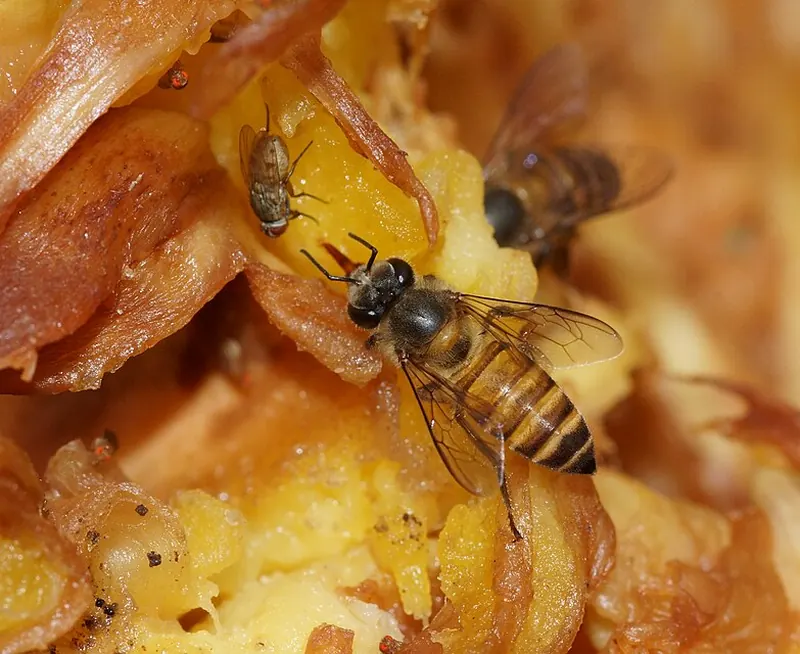
This honey bee defends its hive from hornets with feces and even human urine.
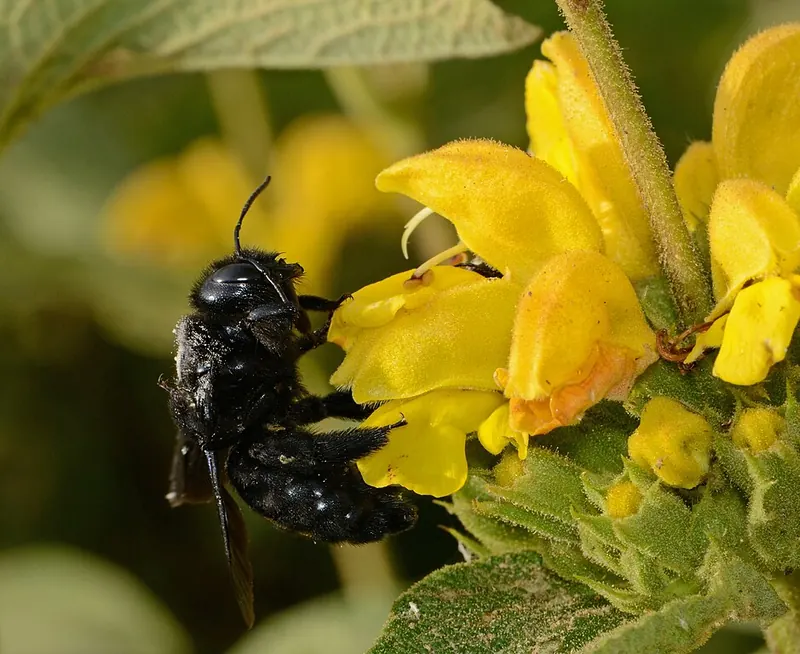
This bee rarely fights, and it attacks only when forced.
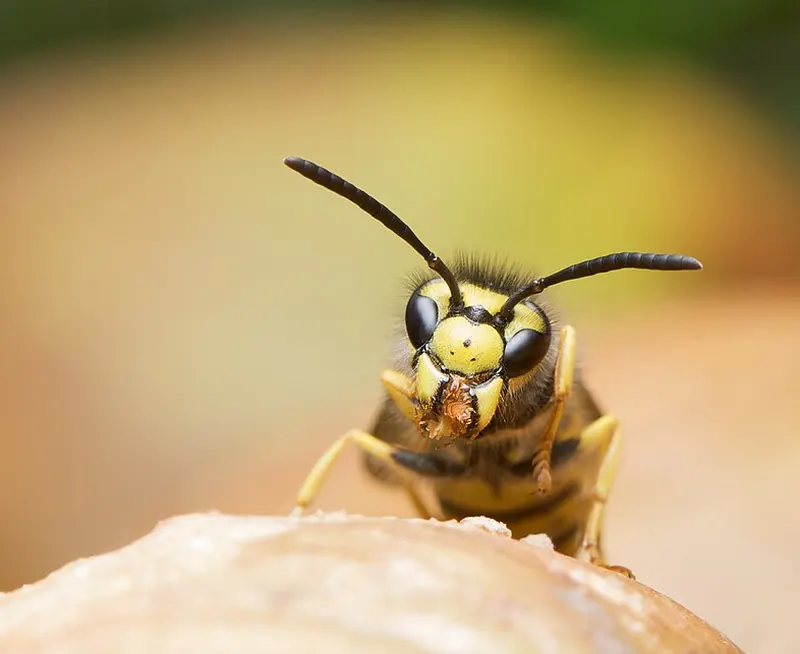
Workers have been found reproducing even while a queen is present.
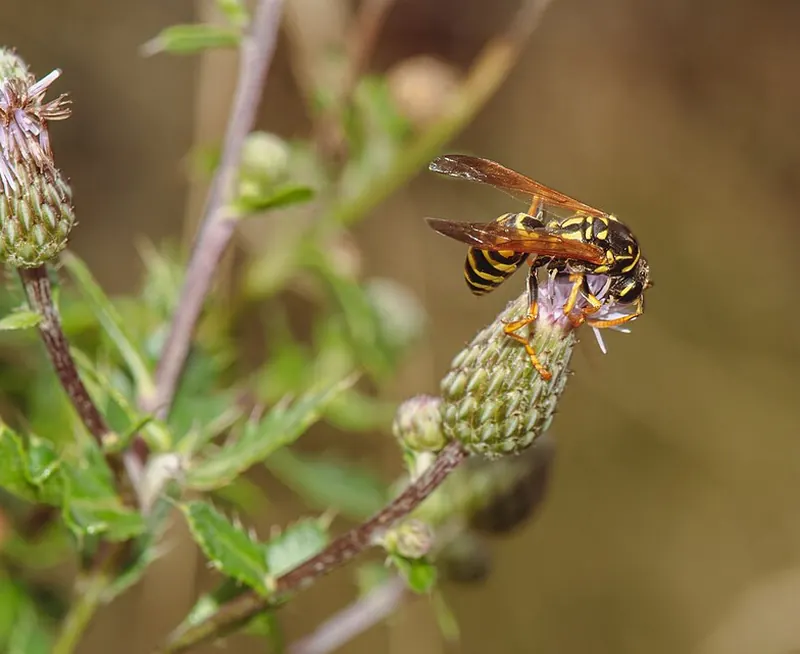
Its nest saliva protein has been cloned to waterproof biodegradable drones.
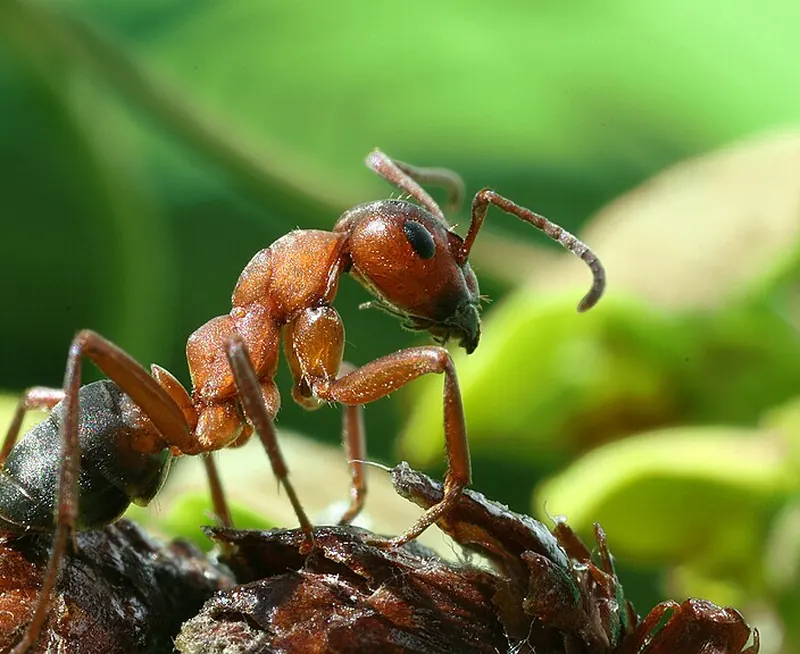
Old, multichamber nests may hold well over 100 egg-producing females.
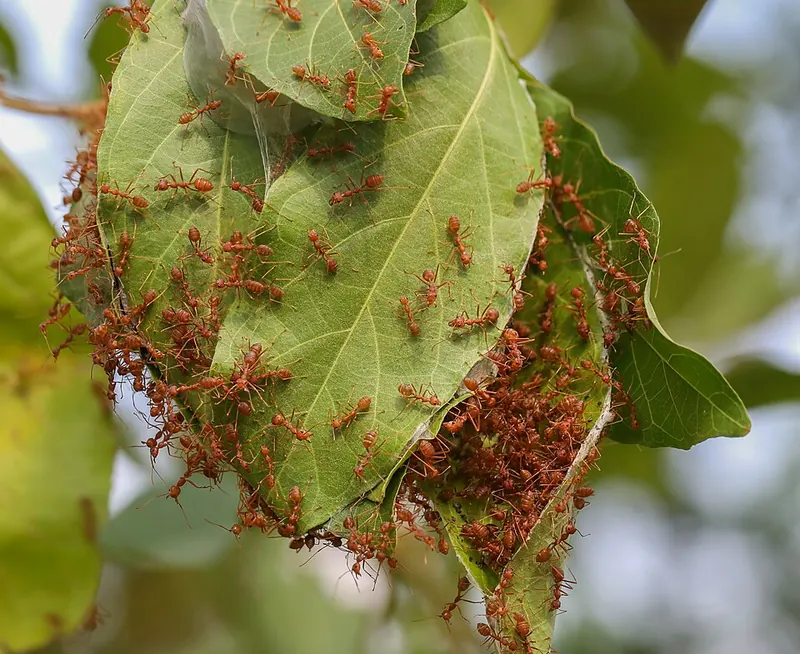
Weaver ants stitch leaves into their homes with silk made by their own larvae.
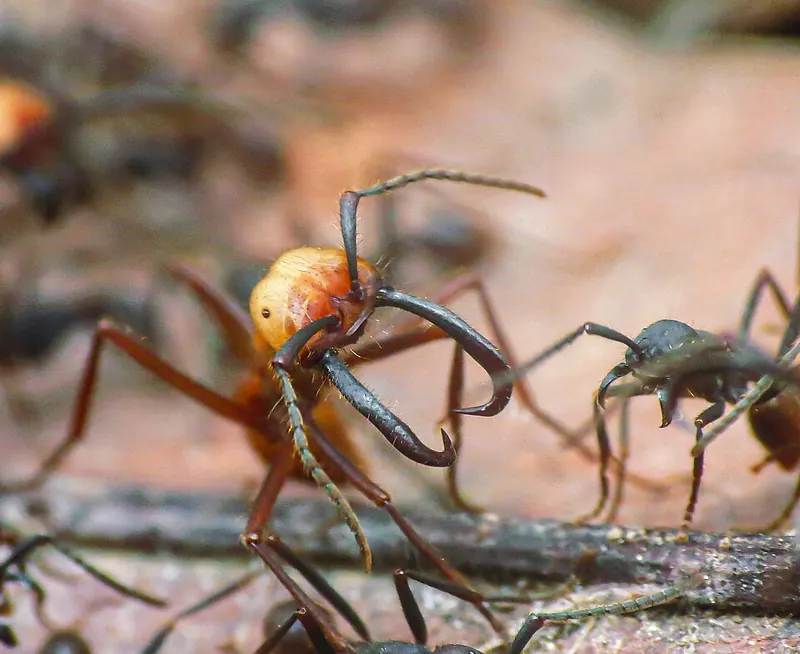
Over 500 other species live around its colonies, more than for any other single species.
Every photograph and every outline comes from a real, openly licensed image, credited at the bottom of its card. Only plain charts are drawn.
The words on these cards are written by AI from the sources named on each card. Software matched every number and claim to a sentence in those sources. Mistakes are still possible, so follow a card's links before relying on it.
Globe dots are real recorded sightings from GBIF. Where a card says native range only, they are clipped to that range. Otherwise they can include zoos, gardens and places the species was introduced.