Mammalia › Artiodactyla › Bovidae
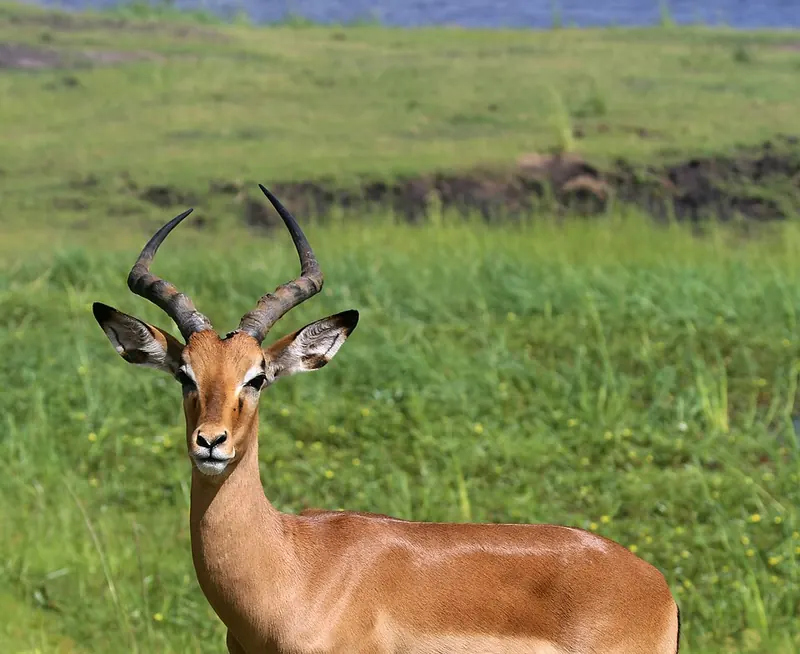
Impala
Horns up to 92 cm
The impala may be the only ungulate that grooms itself as well as its herd mates.
Field Guide · Chapter 3 of 29
Swipe across, tap a card to turn it over, then scroll down its back. Try Look closer on a front, spin a globe, and lift the question on a park sign.
The impala may be the only ungulate that grooms itself as well as its herd mates.
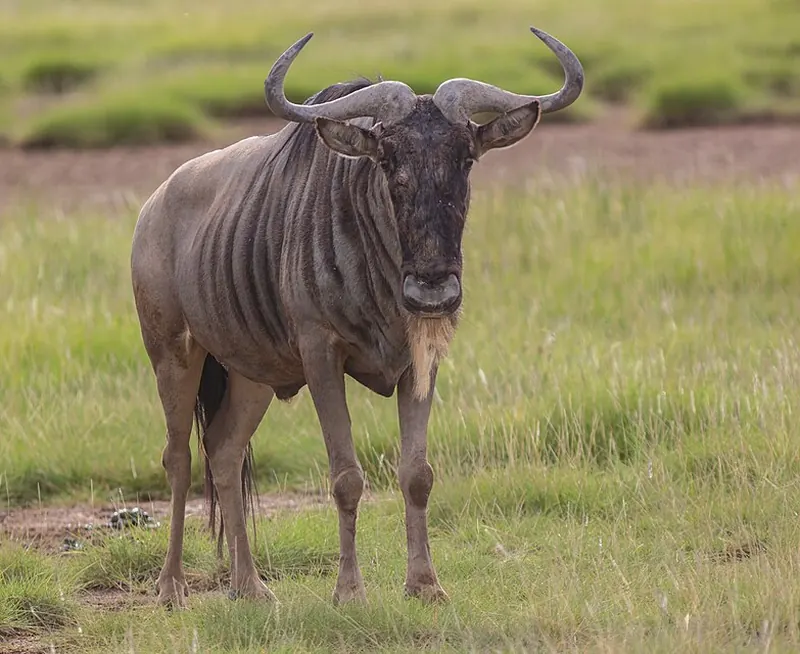
A calf can stand and start nursing about six minutes after it is born.
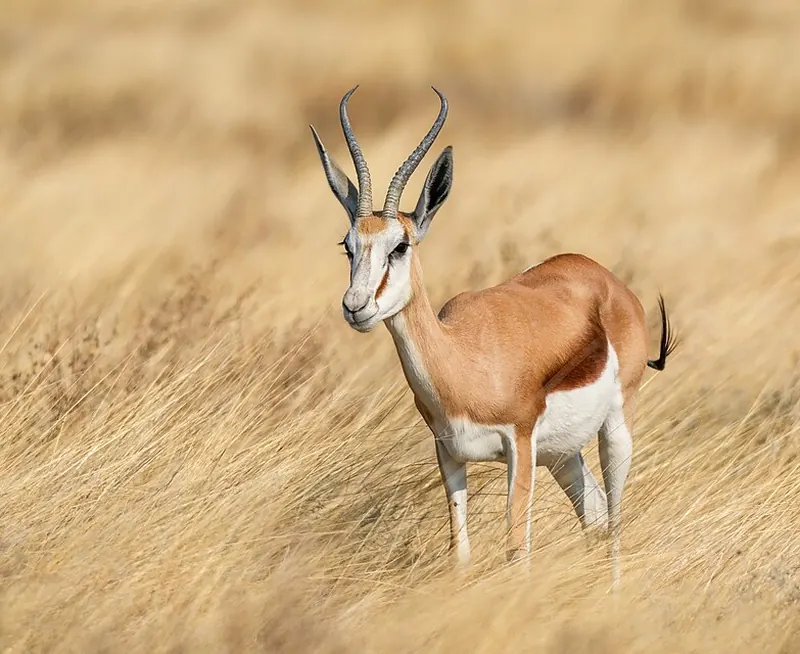
In extreme cases a springbok never drinks water in its whole life.
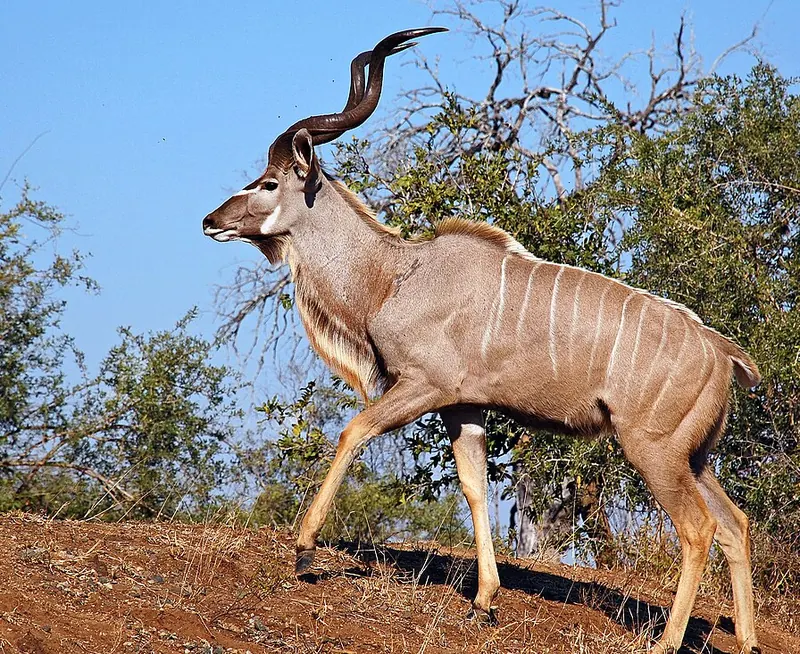
A bull's horns would reach about 120 cm if they were straightened out.
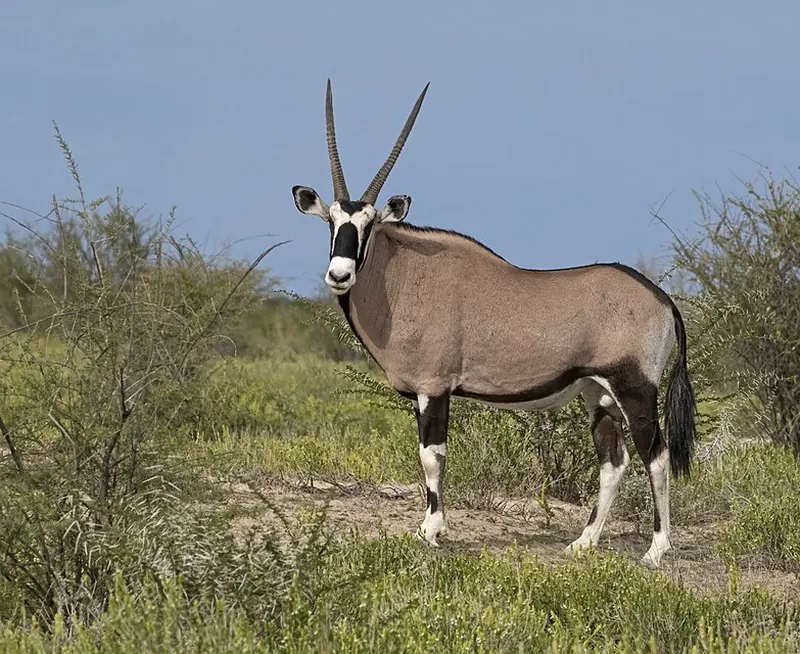
Wild melons and cucumbers can supply all the water a gemsbok needs.
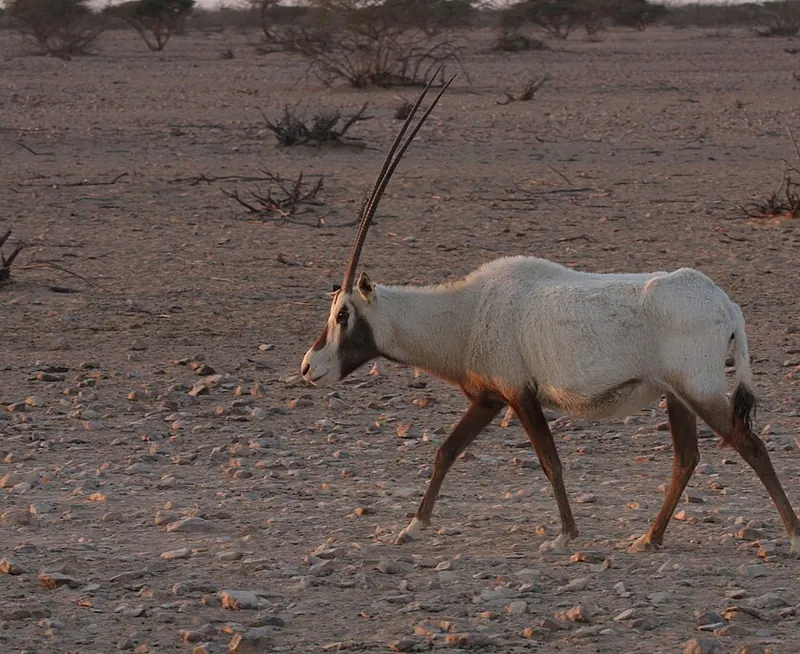
The Arabian oryx was gone from the wild by the early 1970s, and zoos saved it.
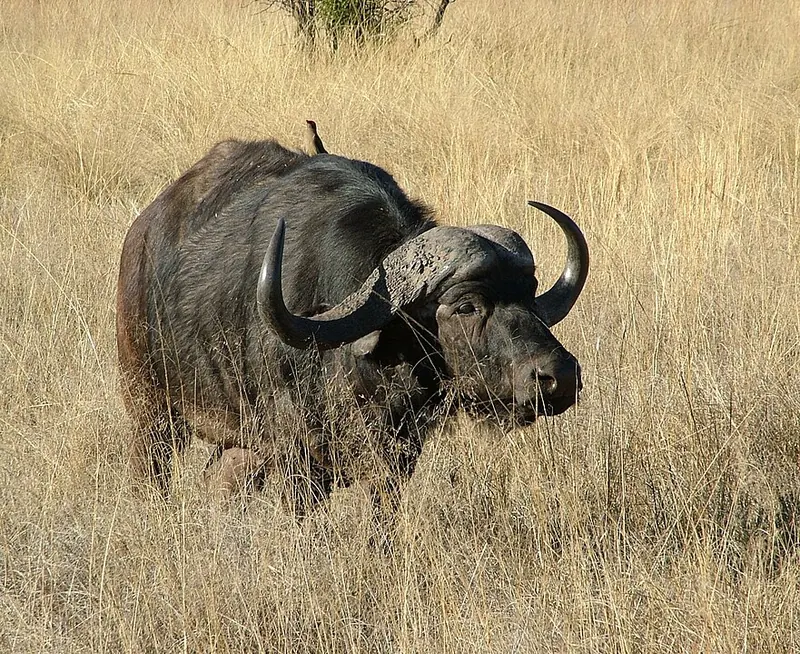
A rinderpest outbreak in the late 19th century killed 95 percent of African buffaloes.
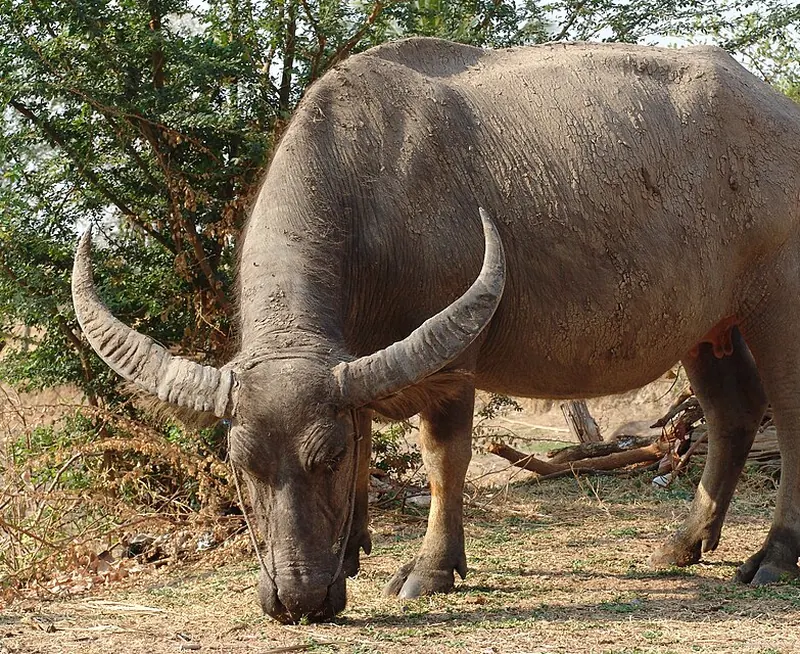
Its horns spread wider than those of any other bovid.
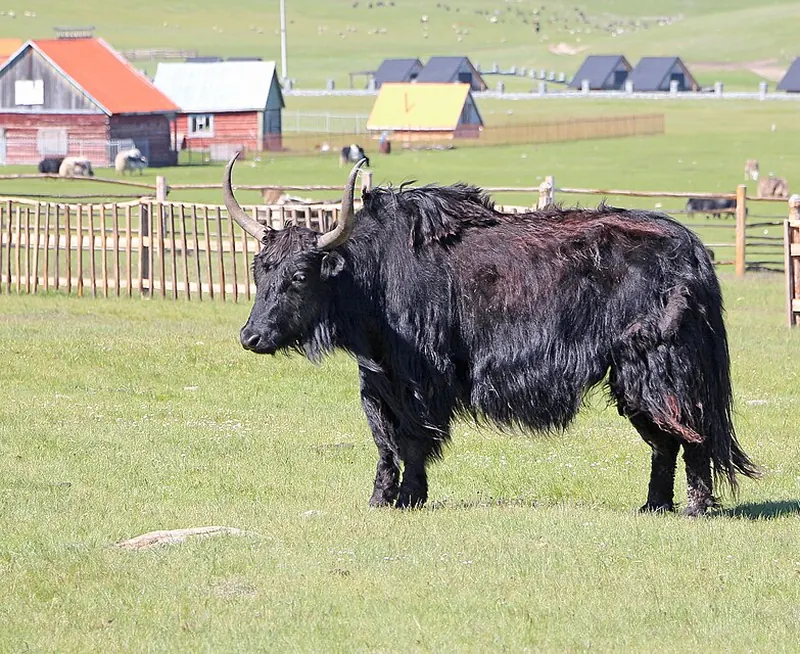
Chinese writings log yak and cattle crosses for at least 2,000 years.
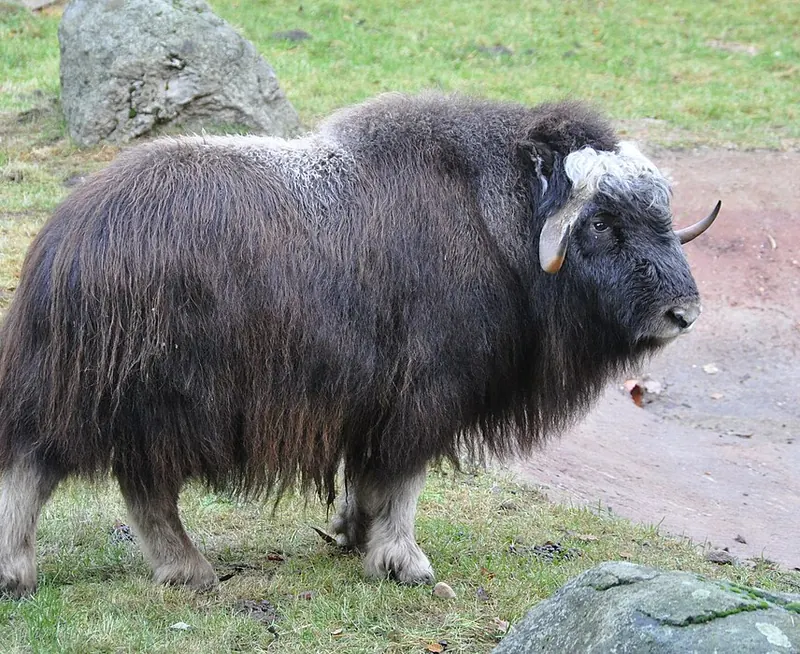
Its name comes from the smell males give off during the rut.
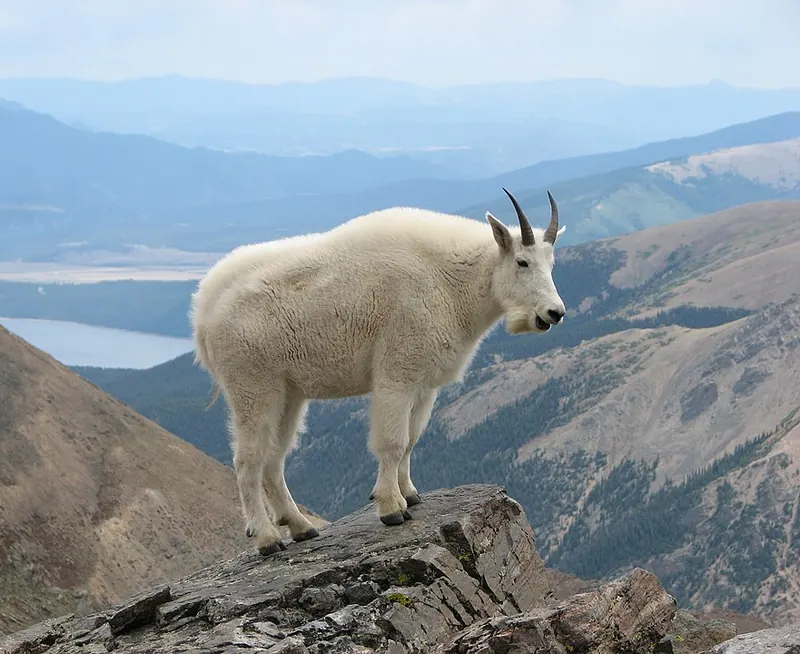
A mountain goat's age can be read from the rings on its horns.
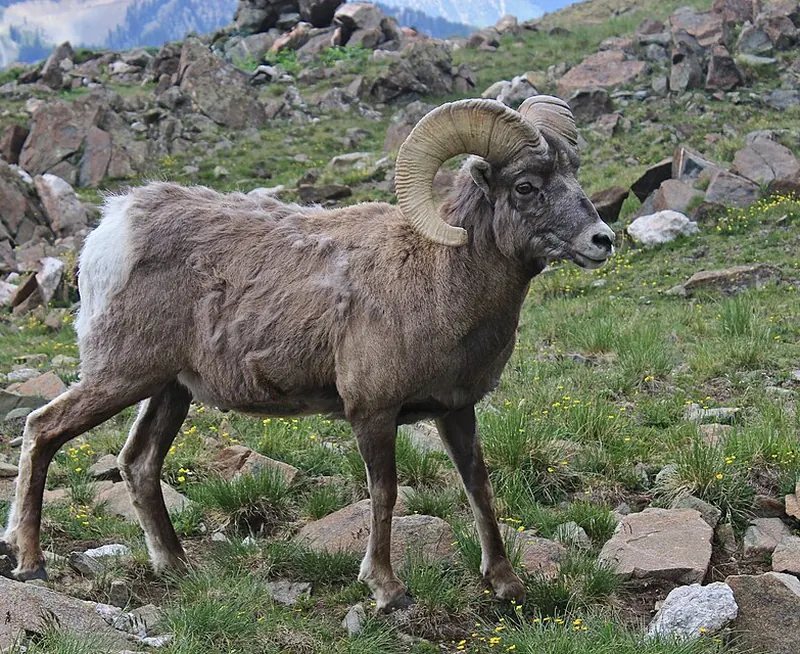
A ram's horns can weigh as much as all the bones in its body.
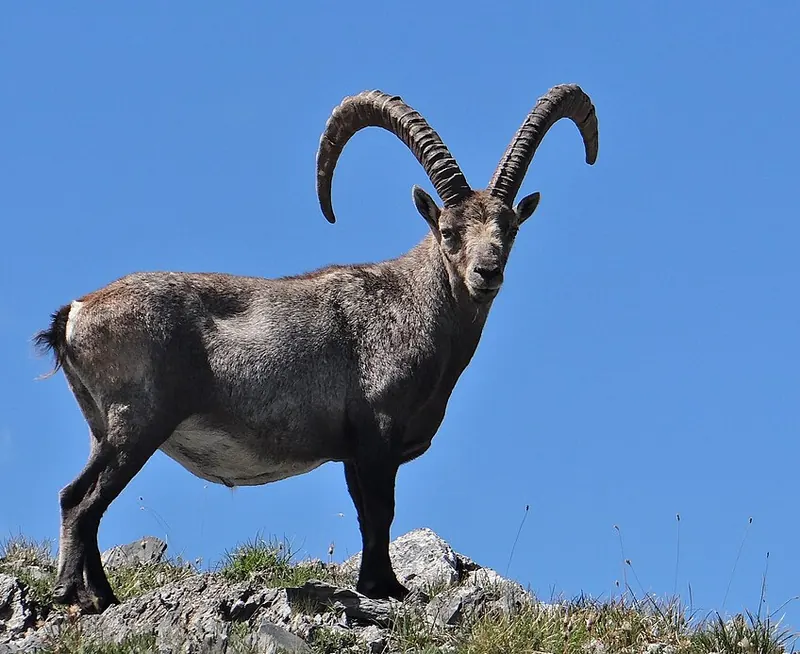
The Alpine ibex fell to fewer than 100 animals, all in one Italian national park.
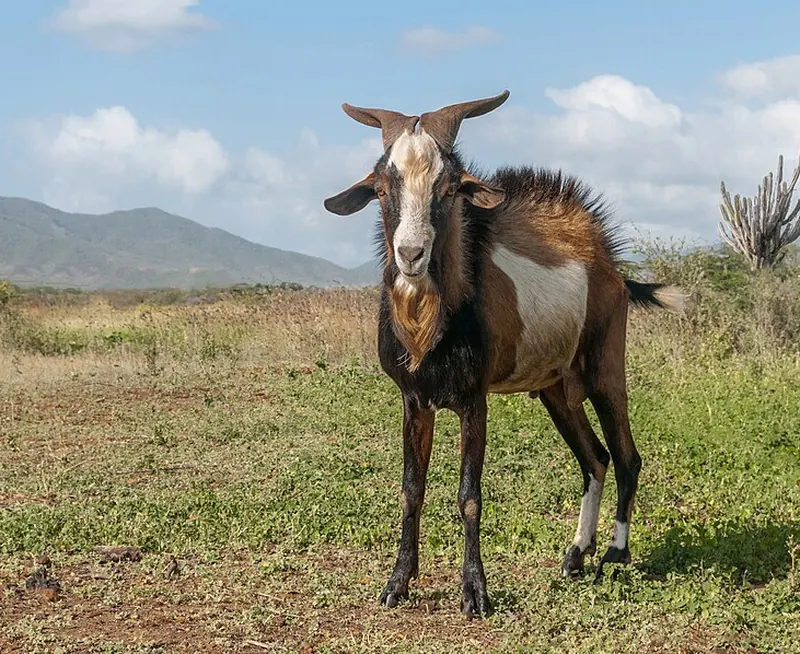
Goats are the only ruminant that regularly climbs trees.
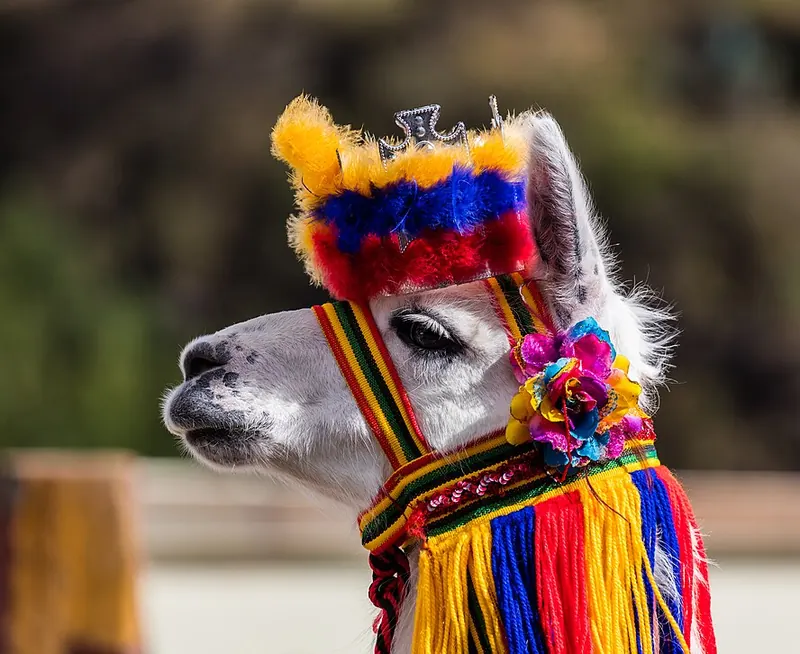
Llamas carry an unusually high amount of hemoglobin in their blood.
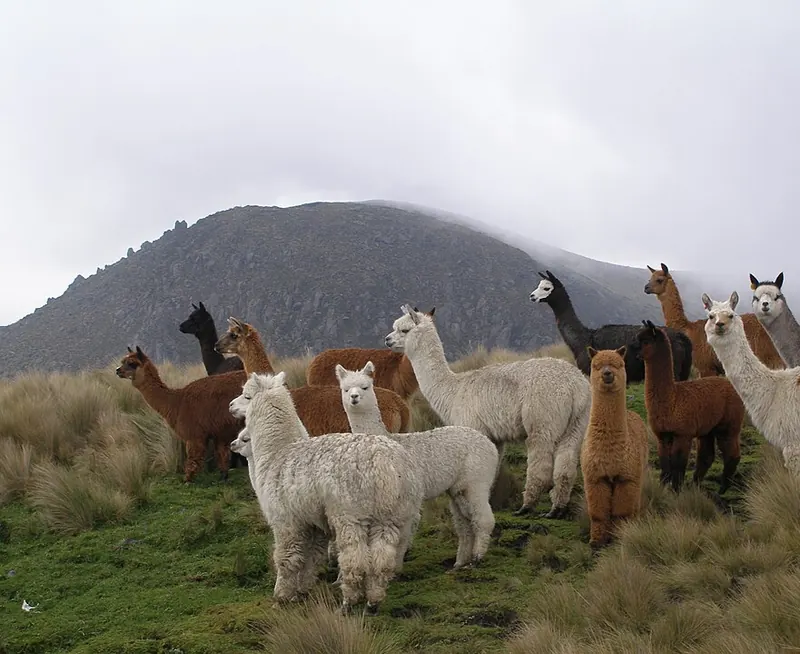
Mating itself makes a female alpaca ovulate.
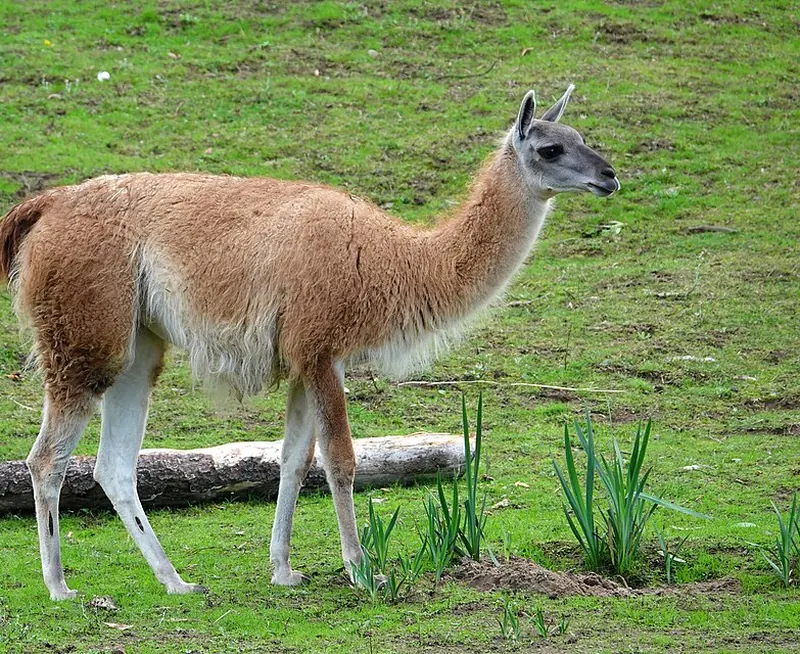
Guanacos spit when threatened, and can reach up to 1.8 m away.
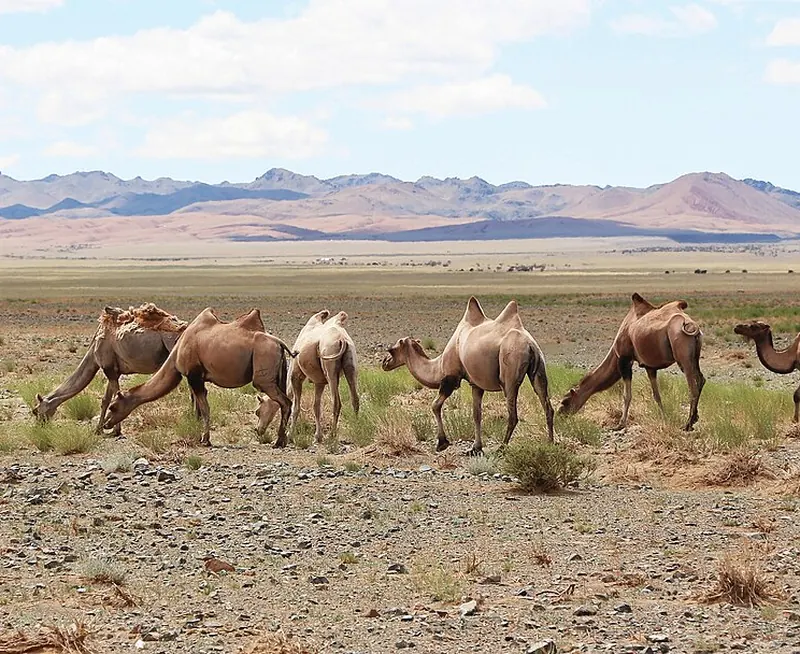
A calf is moving about on its own within a day of being born.
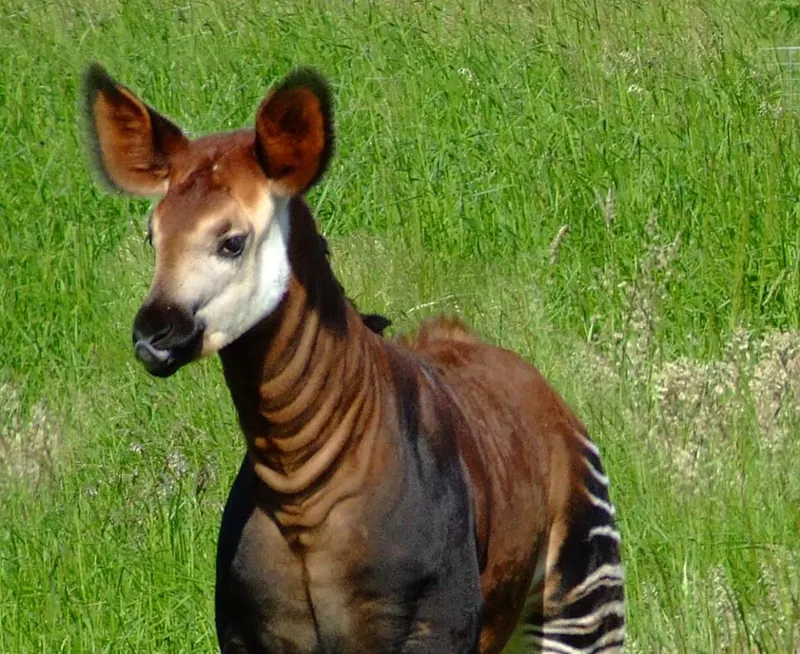
Its markings look like a zebra's, yet its closest living relative is the giraffe.
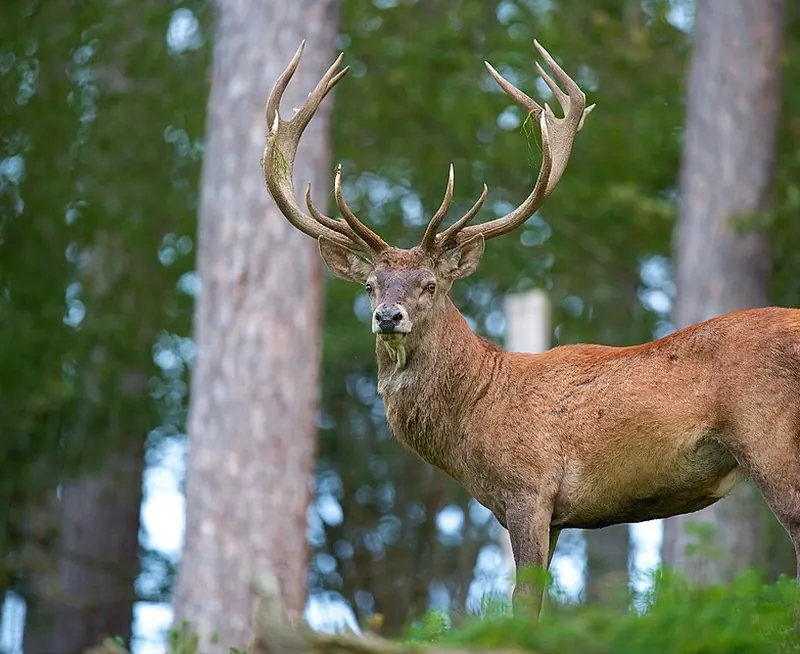
Every red deer calf is born spotted and loses the spots by the end of summer.
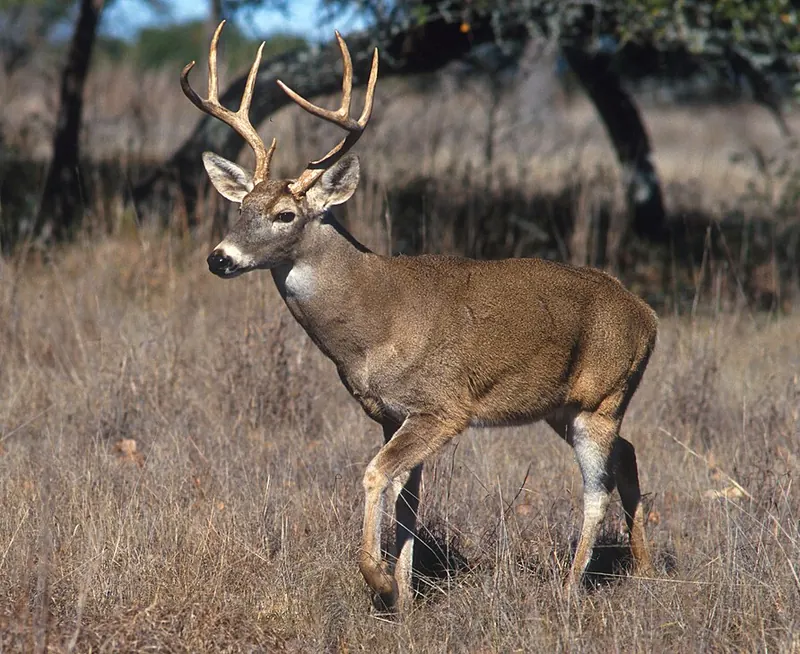
A buck drops its antlers in late winter and grows new ones by spring.
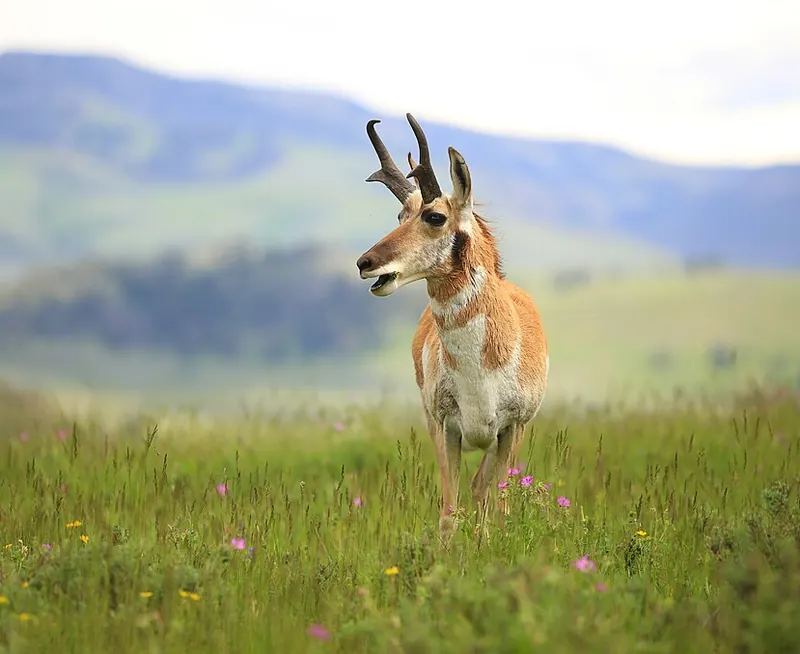
The fastest land mammal in the Americas, running up to 55 mph.
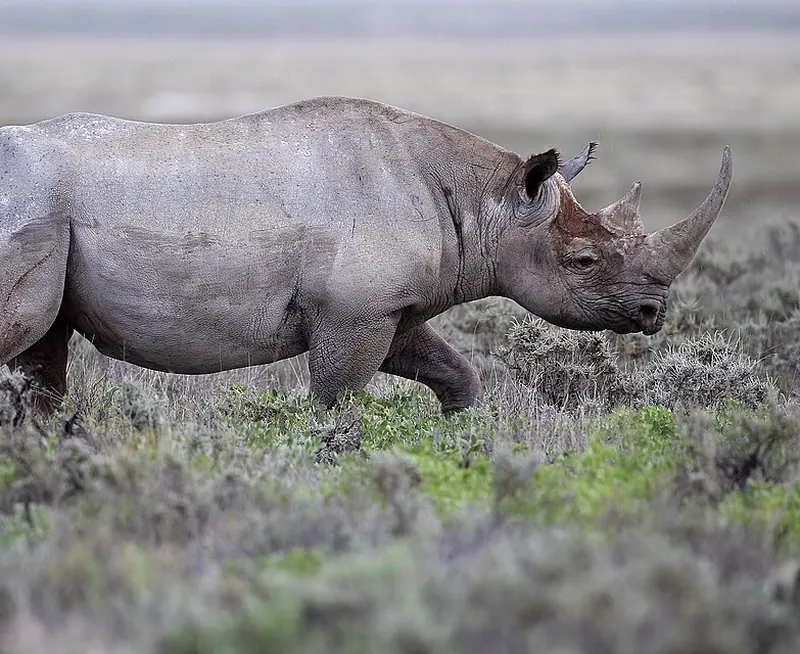
A black rhino offspring can depend on its mother for up to four years.
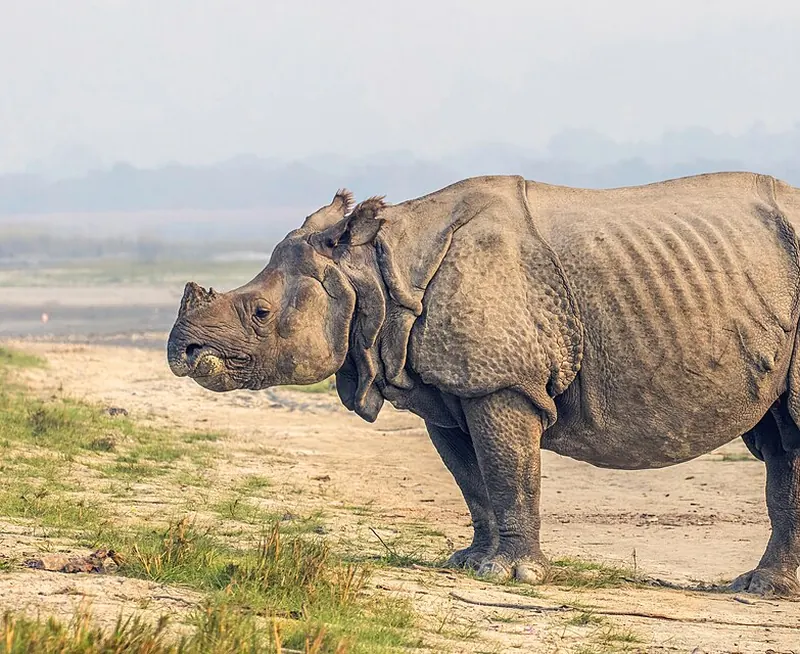
The largest rhinoceros in Asia, and second largest alive.
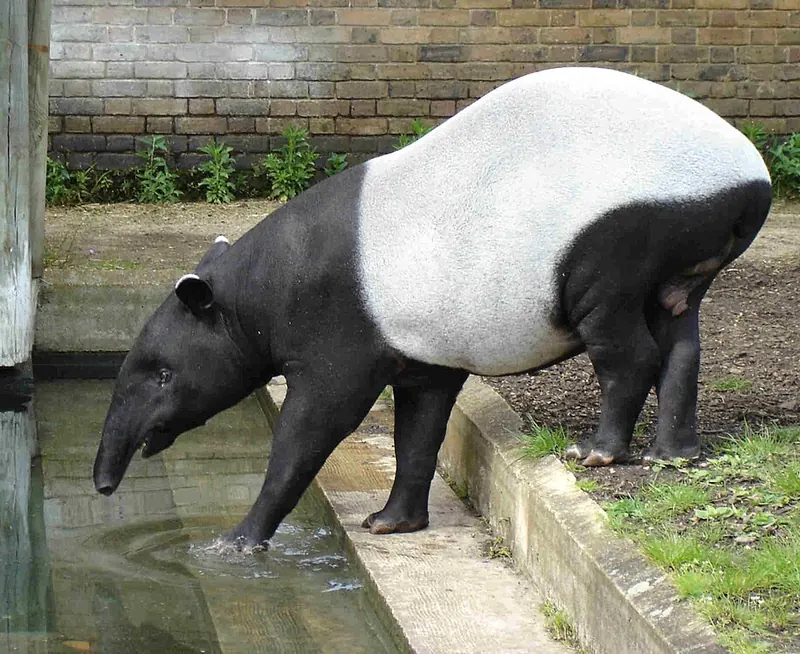
This is the one tapir that lives outside the Americas.
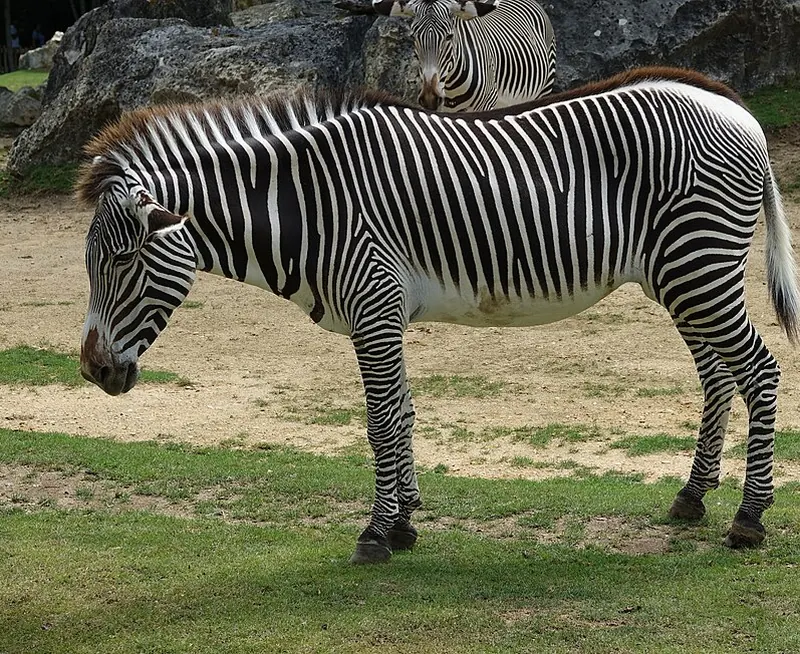
It is the tallest zebra and has the narrowest stripes of all zebras.
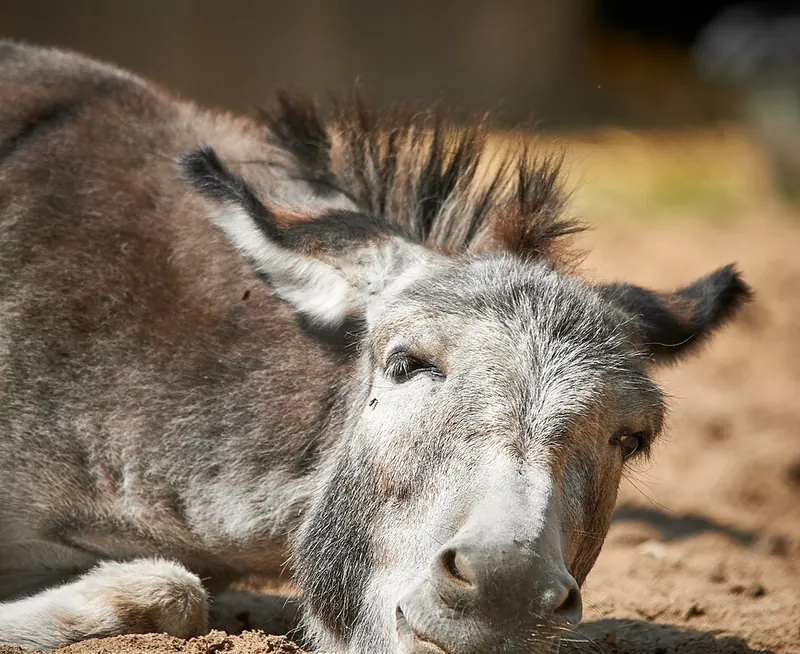
Donkeys can breed with zebras, and the offspring is called a zonkey.
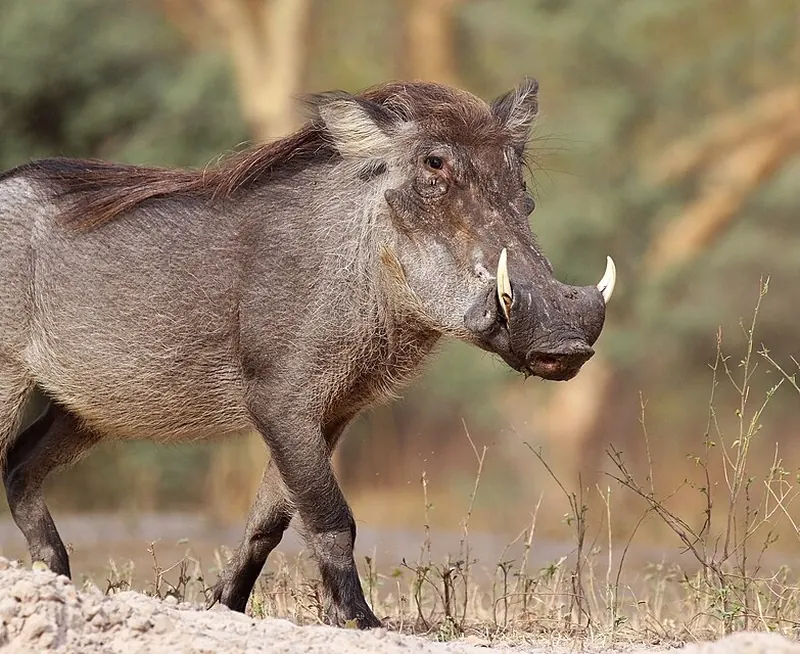
When chased, a warthog runs with its tail up and backs into its den with its tusks facing out.
Every photograph and every outline comes from a real, openly licensed image, credited at the bottom of its card. Only plain charts are drawn.
The words on these cards are written by AI from the sources named on each card. Software matched every number and claim to a sentence in those sources. Mistakes are still possible, so follow a card's links before relying on it.
Globe dots are real recorded sightings from GBIF. Where a card says native range only, they are clipped to that range. Otherwise they can include zoos, gardens and places the species was introduced.