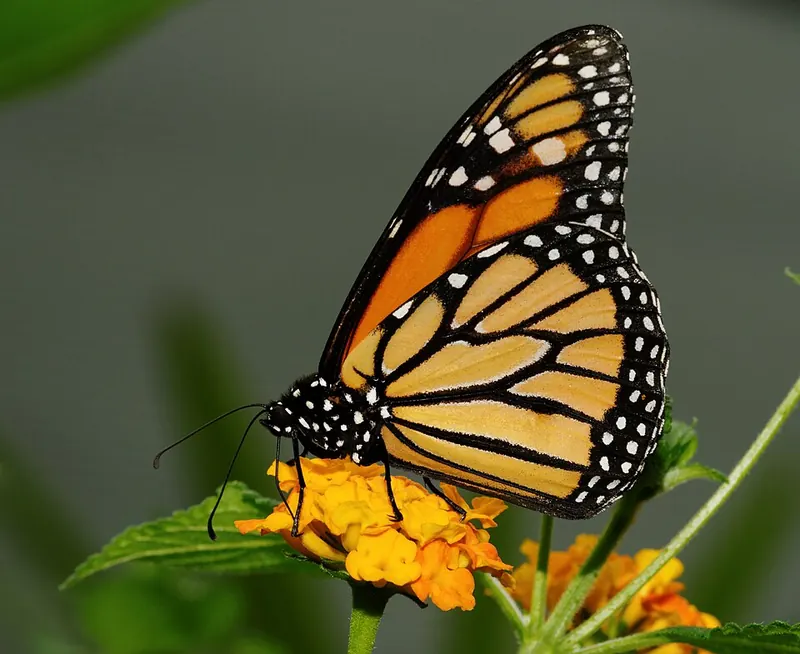
Insecta › Lepidoptera › Nymphalidae
Monarch butterfly
Thousands of miles
No single monarch makes the whole trip, because the migration spans several generations.
Field Guide · Chapter 18 of 29
Swipe across, tap a card to turn it over, then scroll down its back. Try Look closer on a front, spin a globe, and lift the question on a park sign.
No single monarch makes the whole trip, because the migration spans several generations.
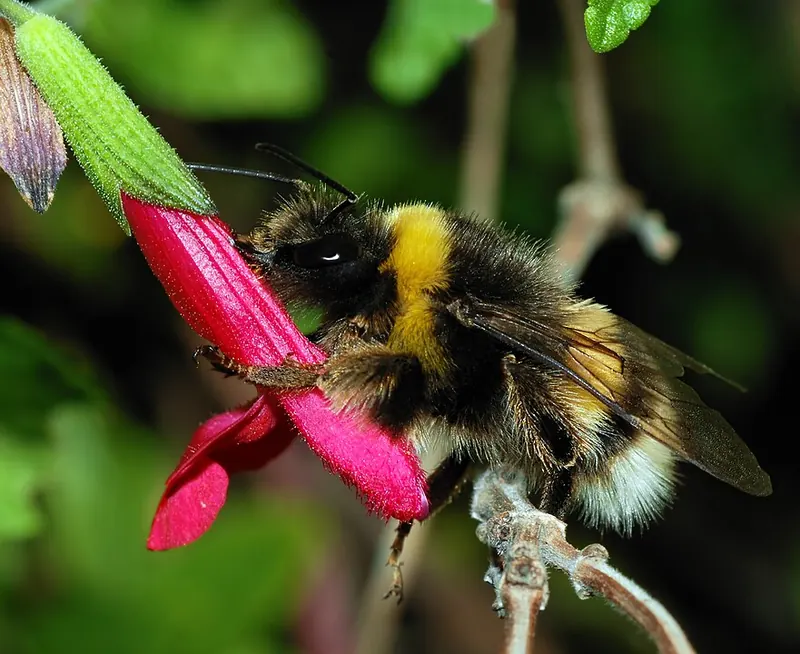
The queen mates with only one male.
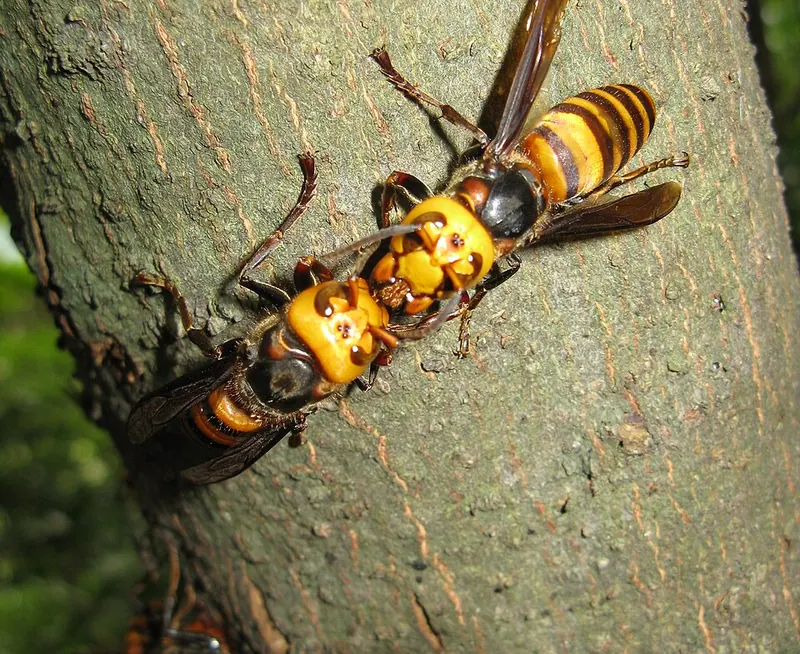
Under 50 hornets can wipe out a honey bee colony of tens of thousands in a few hours.
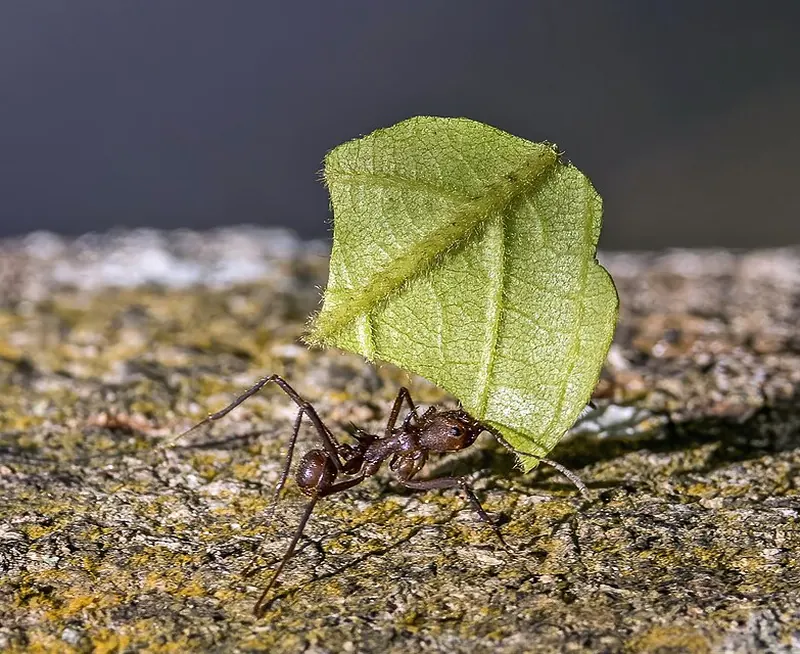
Each colony has a single queen, and she can live more than 20 years.
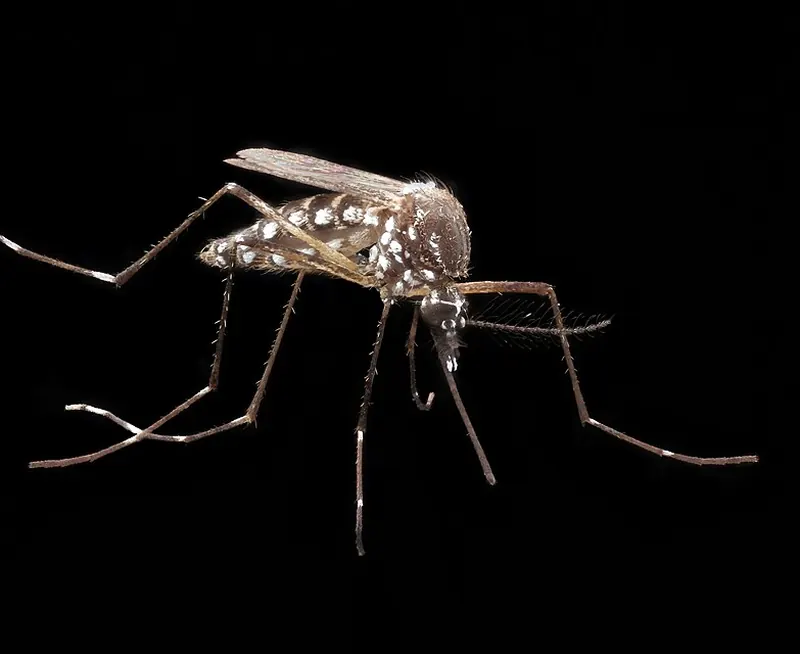
It reached the New World on the slave trade and is now one of the most widespread mosquitoes on Earth.
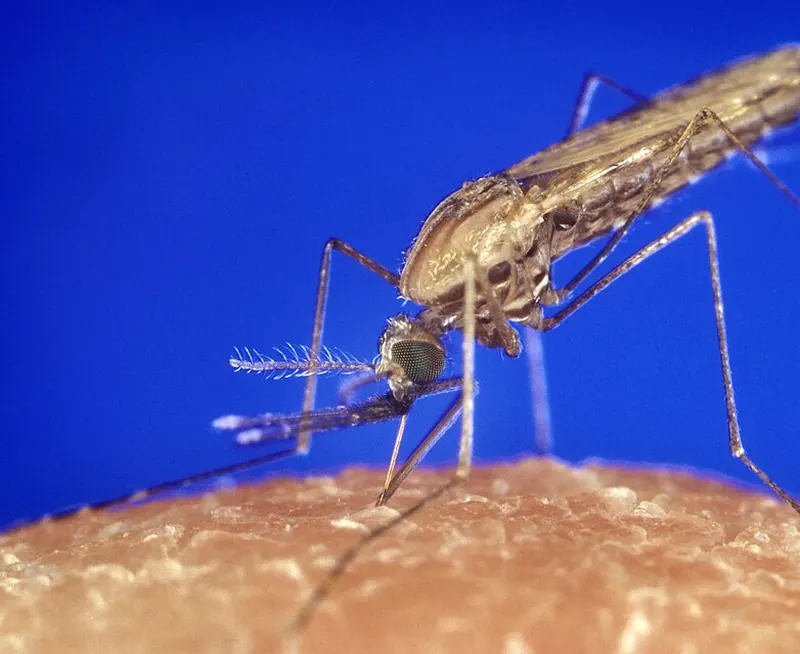
One of the most efficient malaria carriers known.
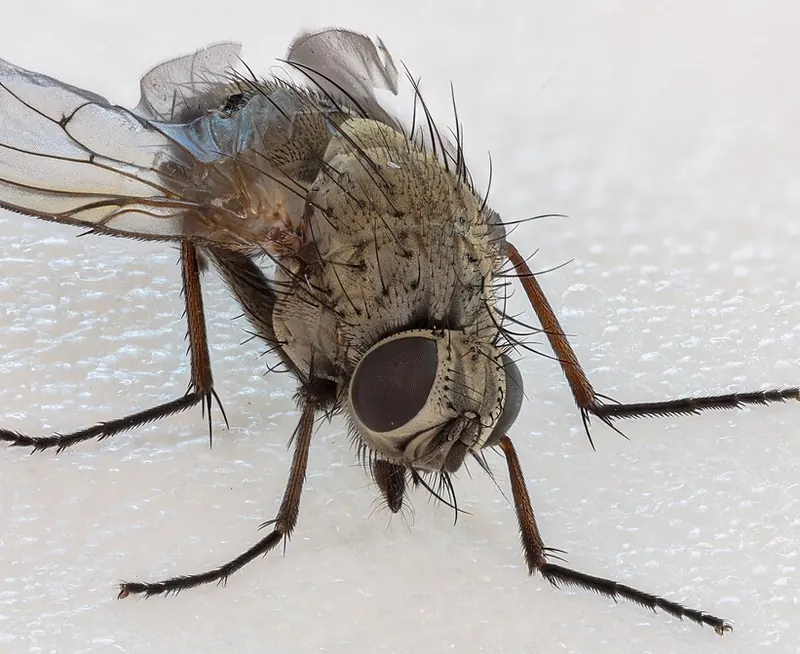
A housefly sees your swat in slow motion.
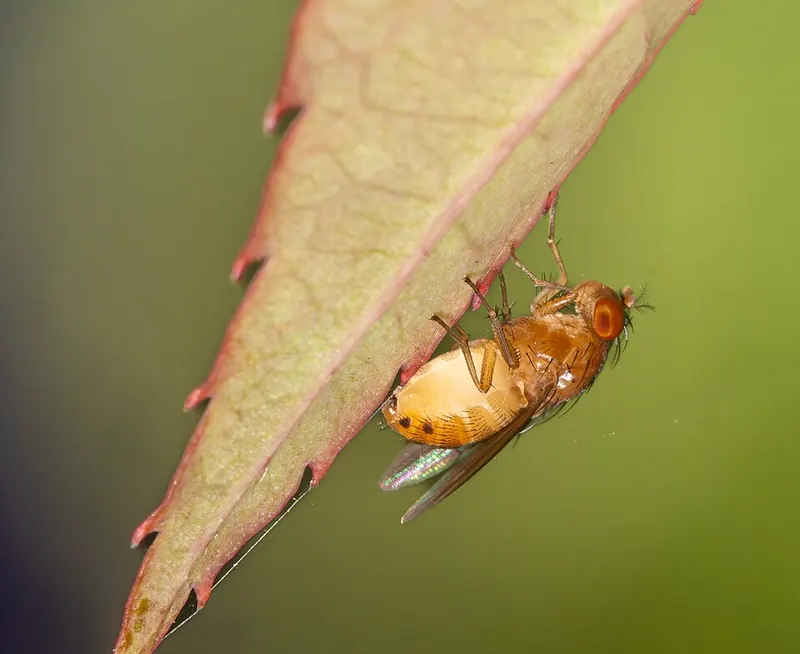
Six Nobel Prizes have gone to researchers who worked on this fly.
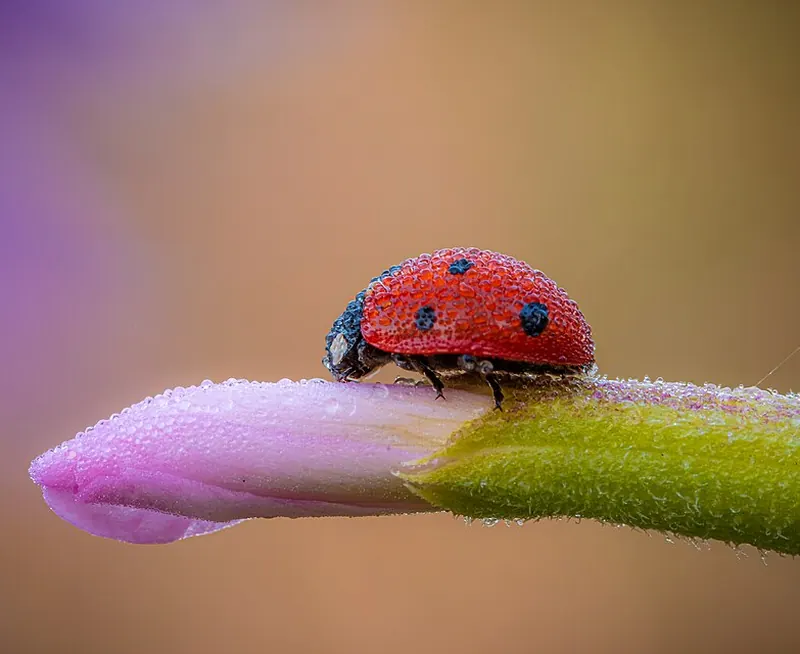
When aphids run short, this ladybird can eat pollen and nectar, but it cannot breed.
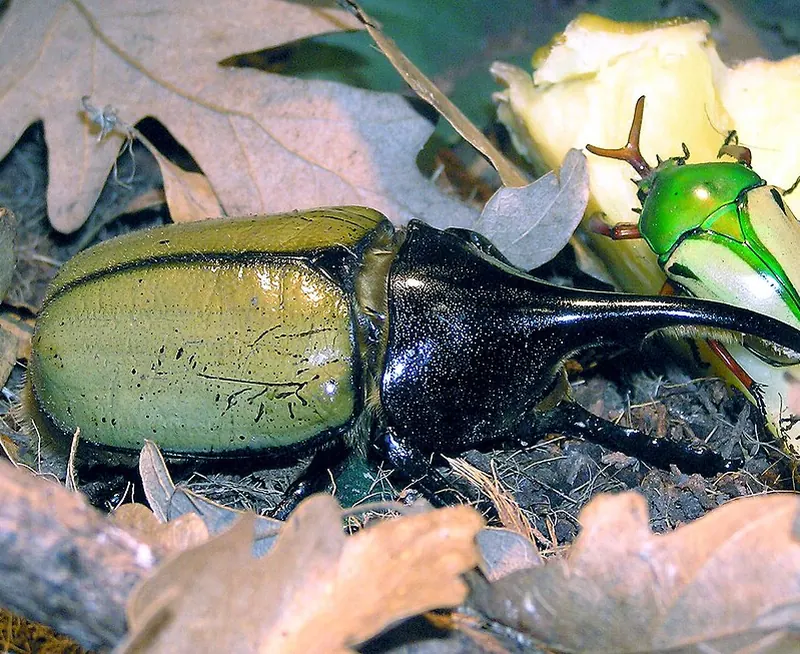
The Hercules beetle is the longest beetle in the world, measured with its horn.
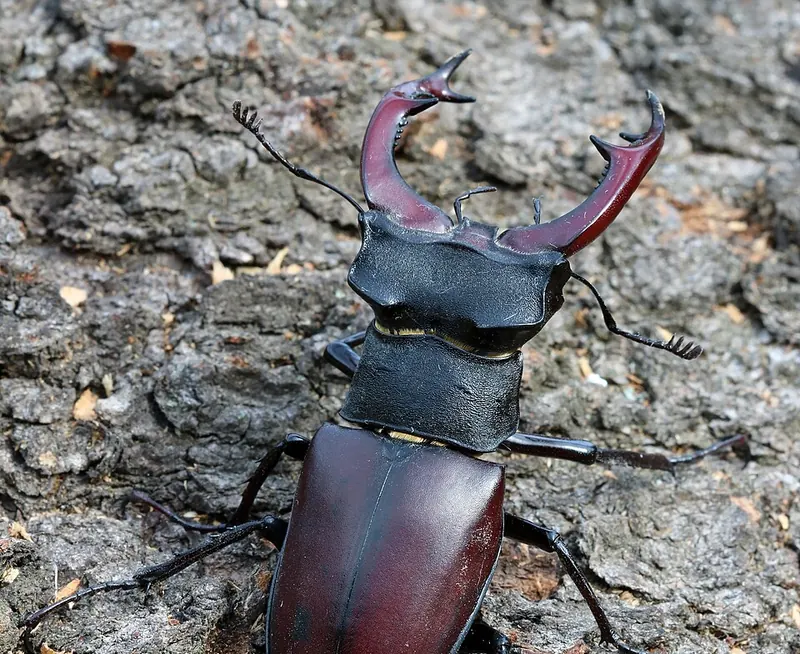
Europe's biggest beetle has antler-like jaws that are too weak to harm you.
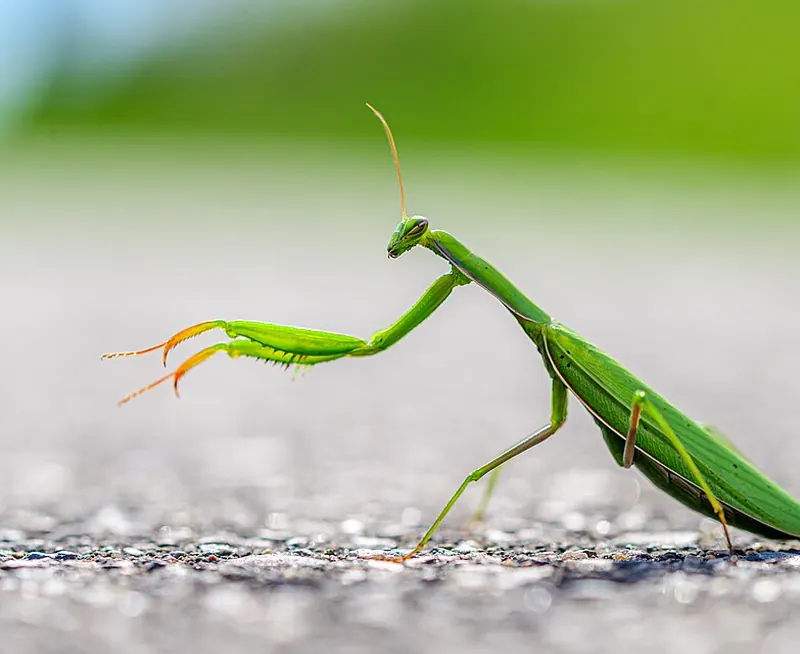
A female who spots a male is very likely to attack and kill him.
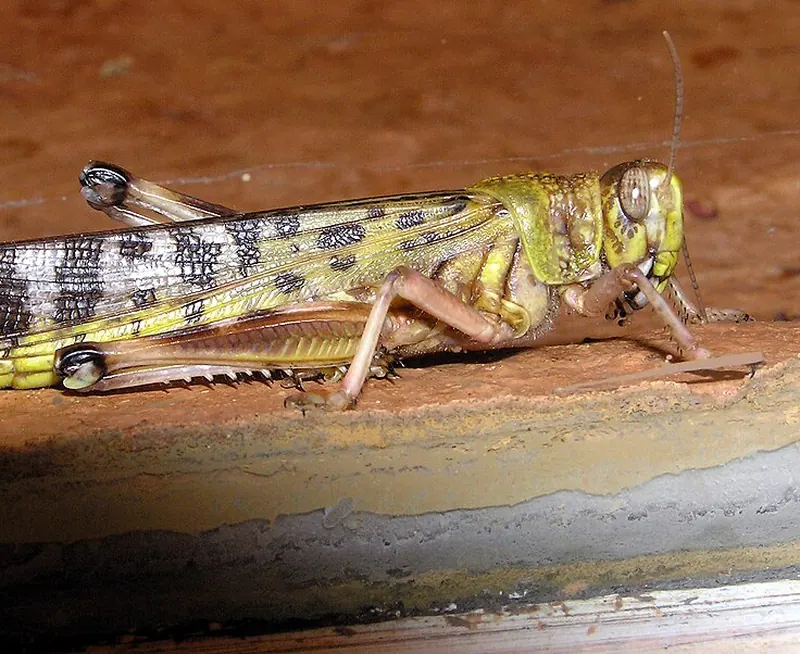
A single swarm can fly up to 150 km in one day, carried along by the wind.
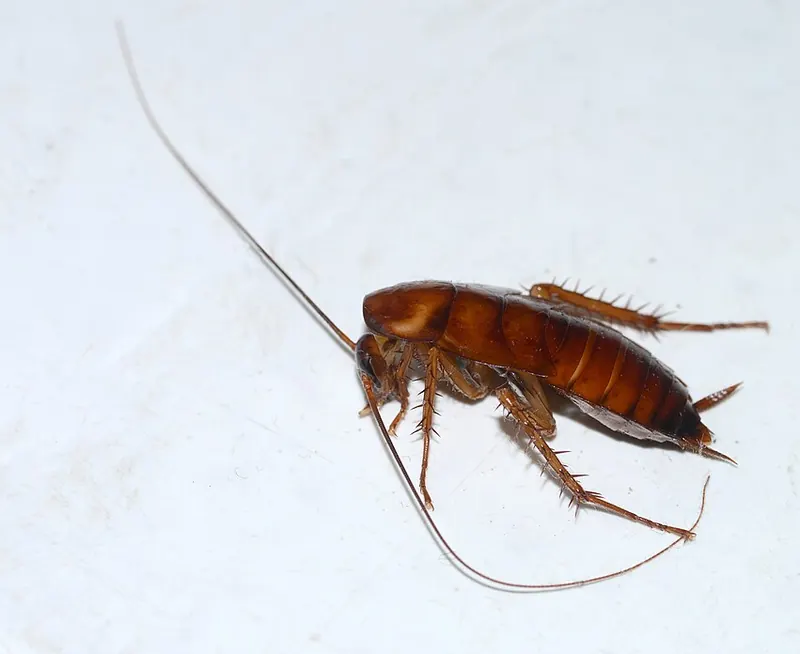
Named for America, yet it is native to Africa and the Middle East.
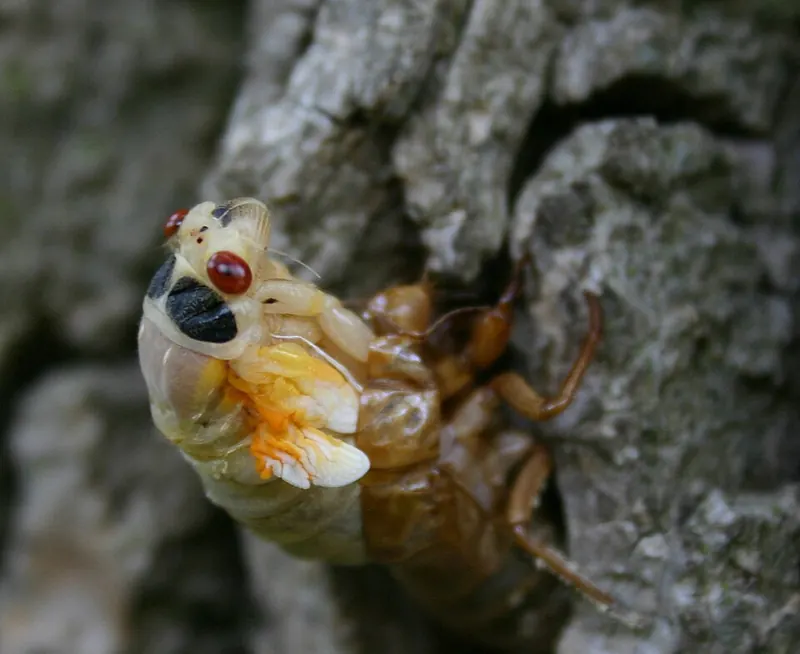
A whole brood sometimes climbs out of the ground in a single night.
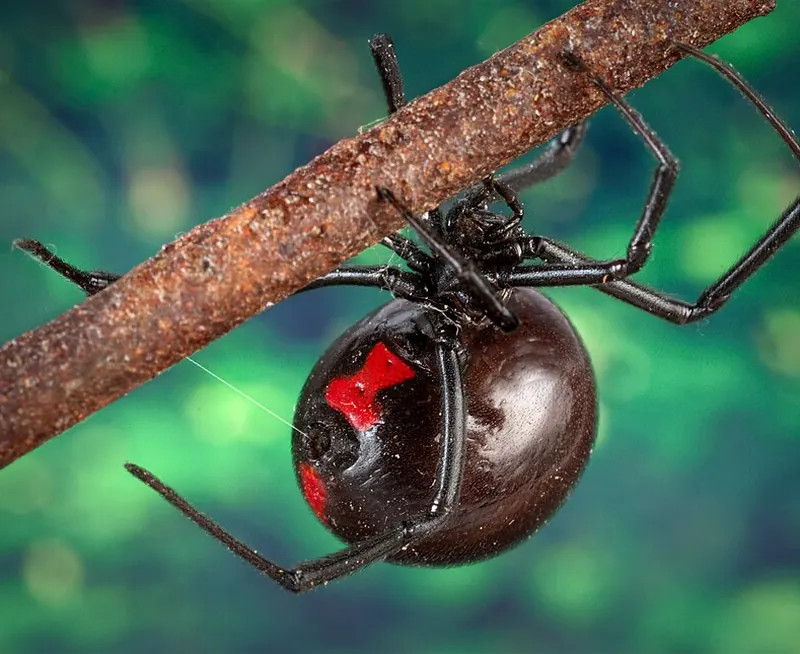
The females are known for sometimes eating their mates after reproduction.
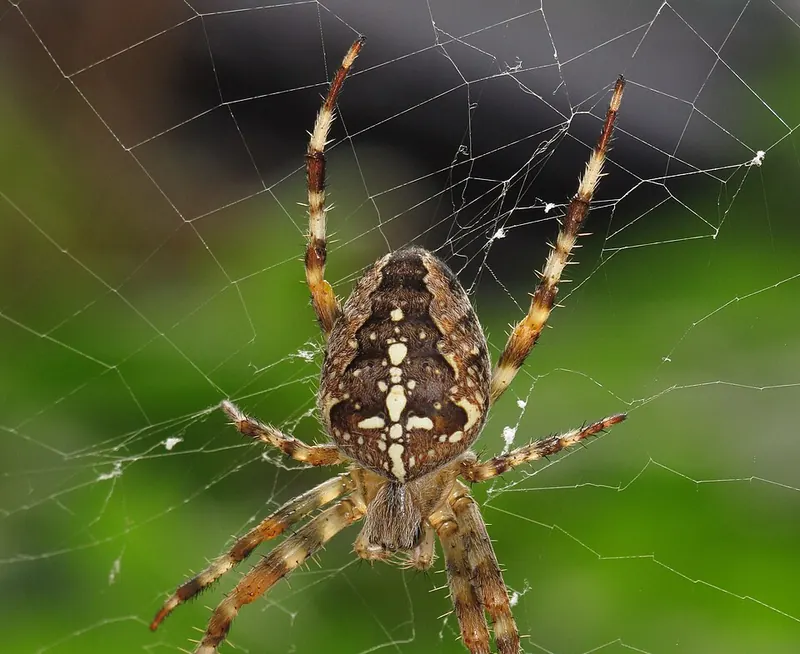
The female will sometimes eat the male right after they mate.
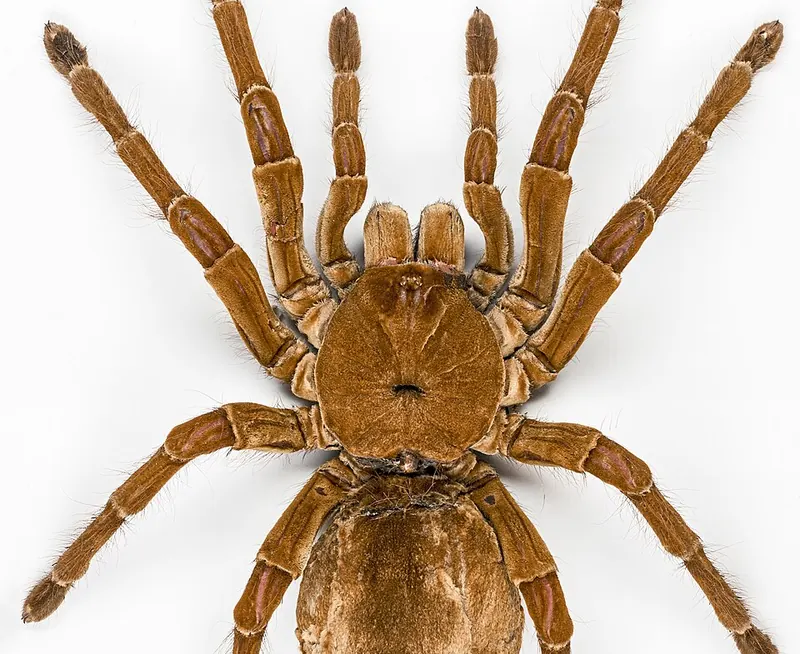
The heaviest spider on the planet, by mass.
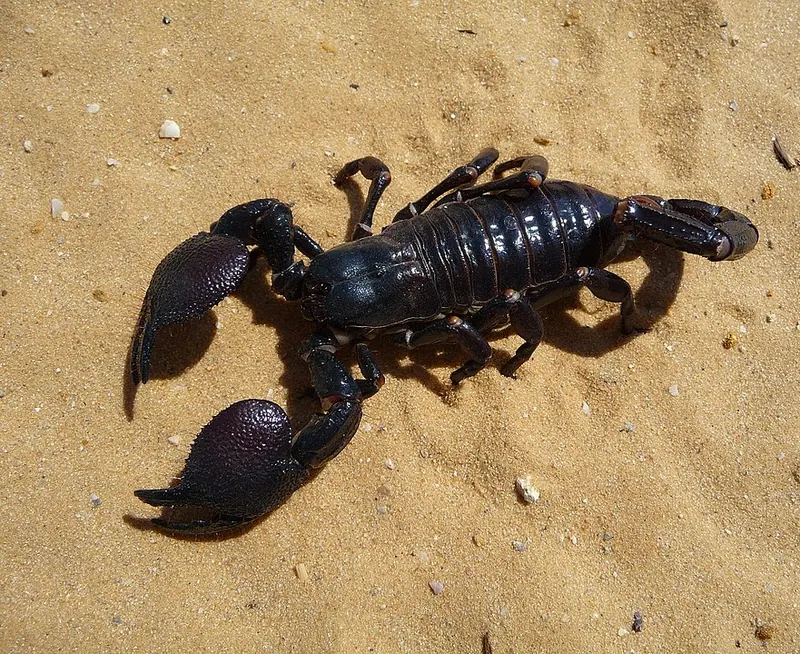
Despite its imposing size, its sting is usually mild.
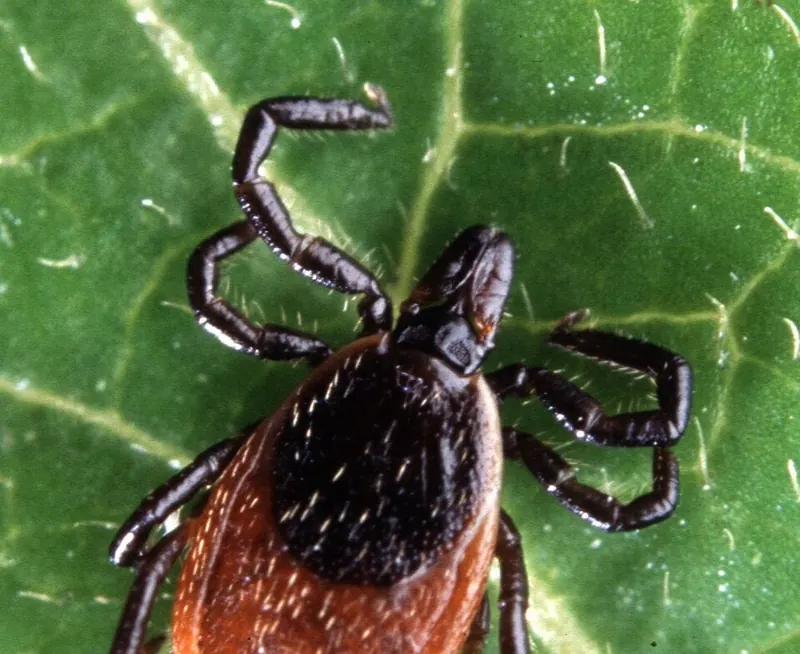
One small tick that carries Lyme disease, babesiosis, anaplasmosis and Powassan virus.
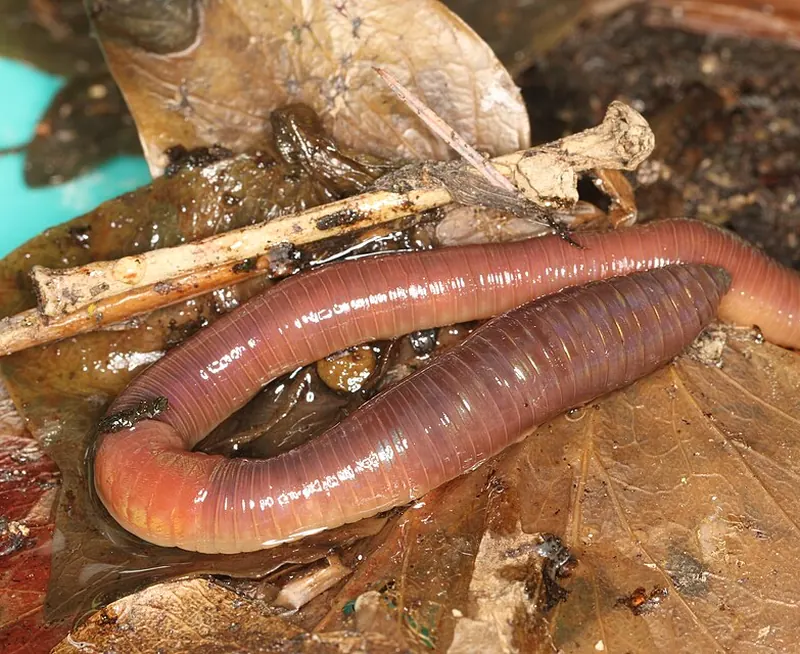
On a single night it can wander up to 19 m from its burrow.
Every photograph and every outline comes from a real, openly licensed image, credited at the bottom of its card. Only plain charts are drawn.
The words on these cards are written by AI from the sources named on each card. Software matched every number and claim to a sentence in those sources. Mistakes are still possible, so follow a card's links before relying on it.
Globe dots are real recorded sightings from GBIF. Where a card says native range only, they are clipped to that range. Otherwise they can include zoos, gardens and places the species was introduced.