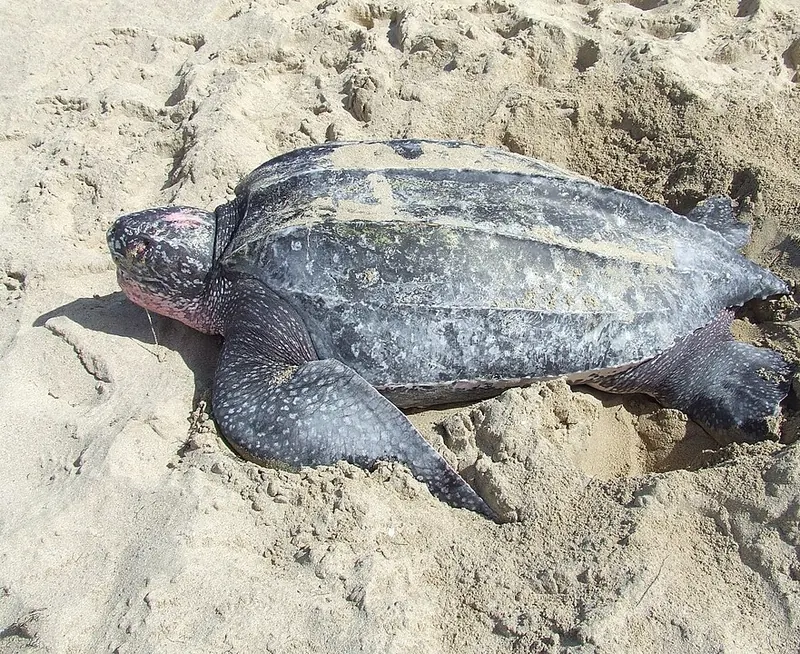
Testudines › Dermochelyidae
Leatherback sea turtle
Up to 2.7 m long
It has no bony shell, just leathery skin over oily flesh.
Field Guide · Chapter 12 of 29
Swipe across, tap a card to turn it over, then scroll down its back. Try Look closer on a front, spin a globe, and lift the question on a park sign.
It has no bony shell, just leathery skin over oily flesh.
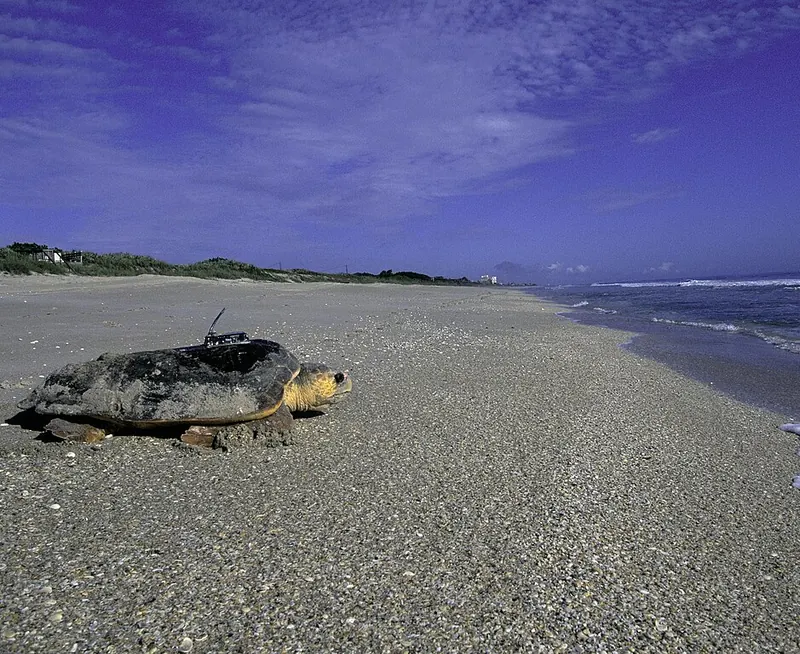
Its dives can run past ten hours, outlasting every other air-breathing sea creature with a backbone.
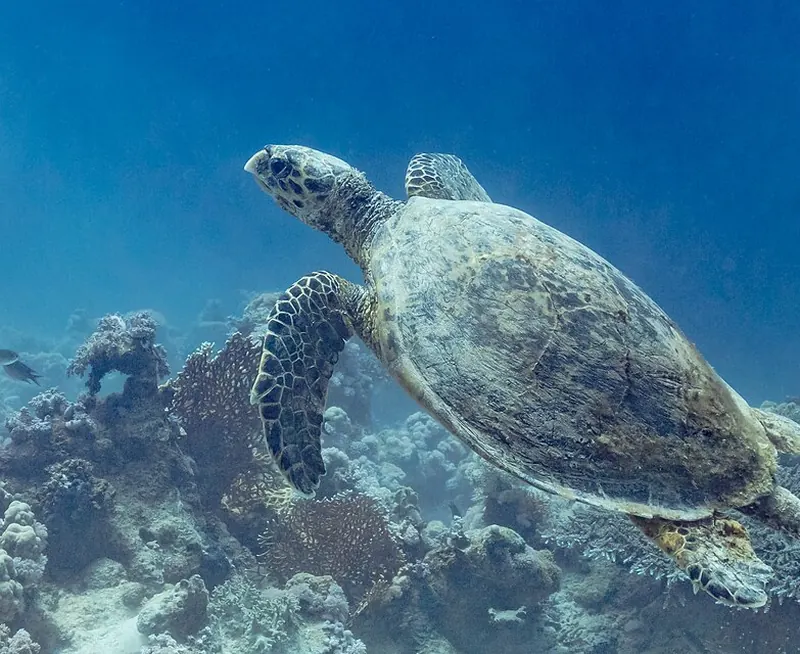
Its armored head keeps out the stings of the Portuguese man o' war.
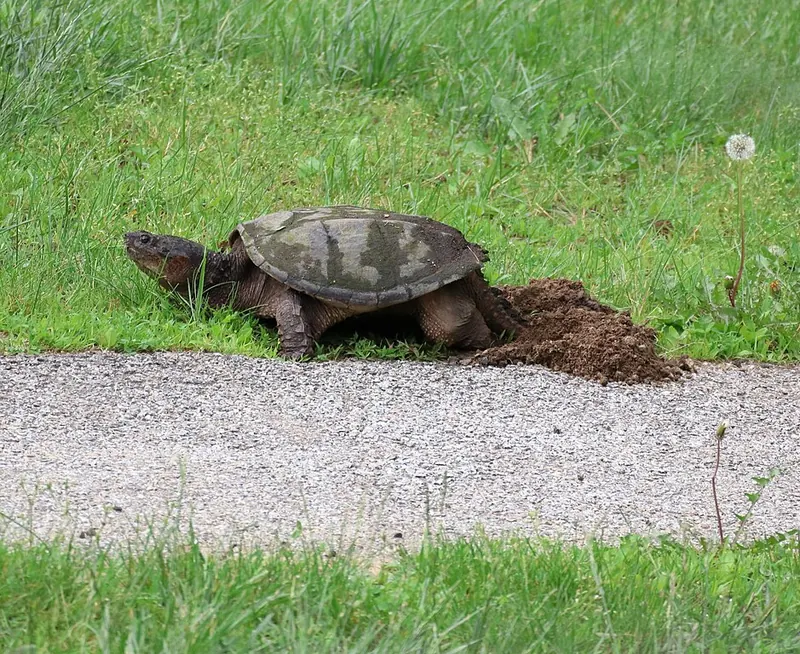
Females sometimes store sperm for several years.
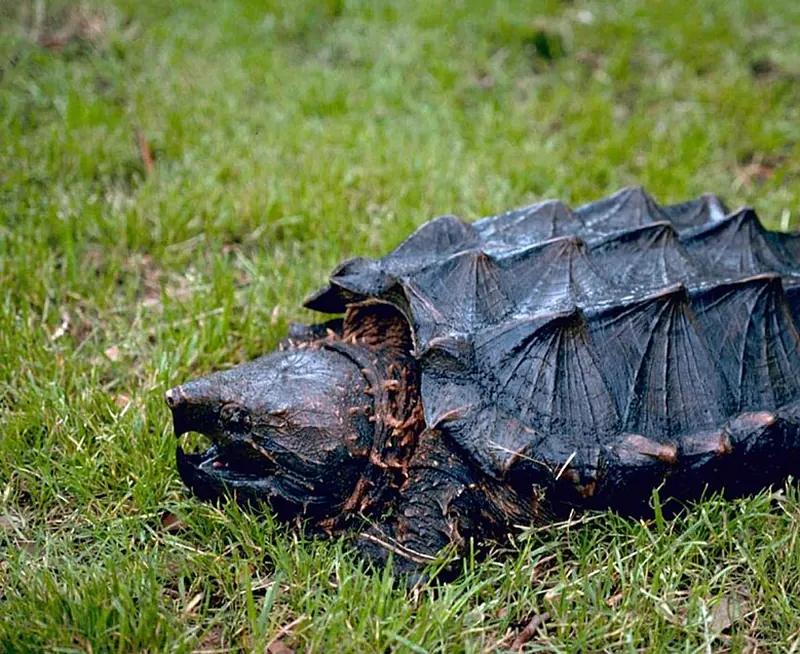
It can stay under water for 40 to 50 minutes at a time.
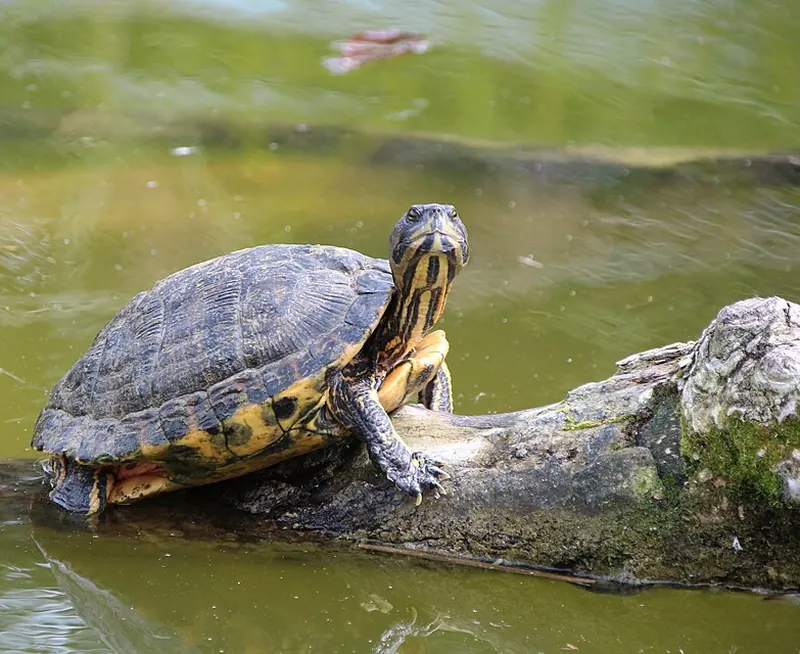
Some pond sliders fade to almost black, with few markings left to see.
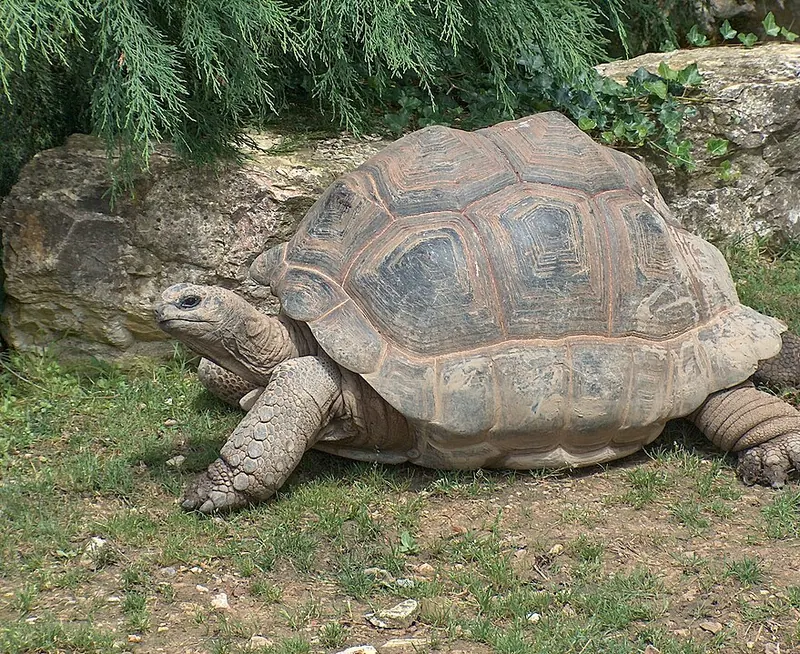
Some of them may have been alive for over 200 years.
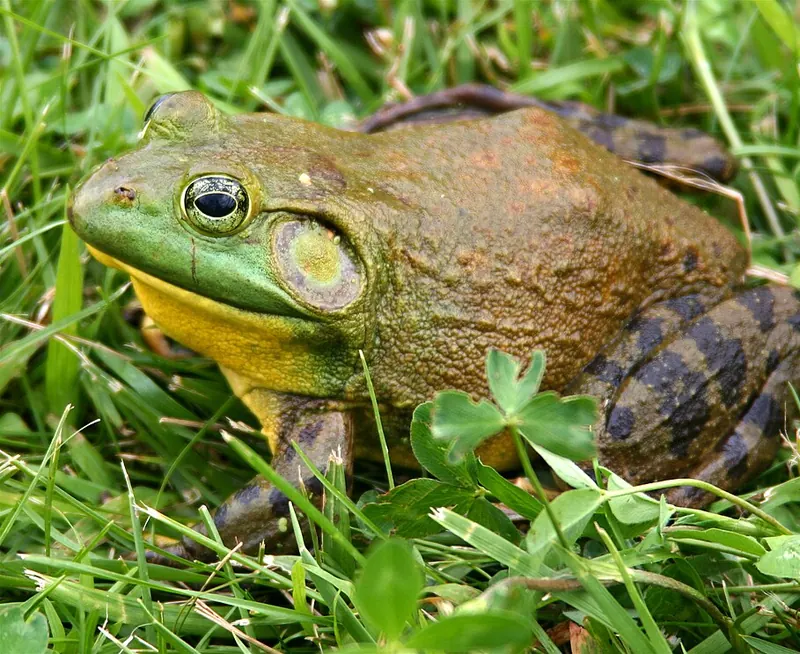
A male bullfrog has an eardrum bigger than his eye, and a female's is not.
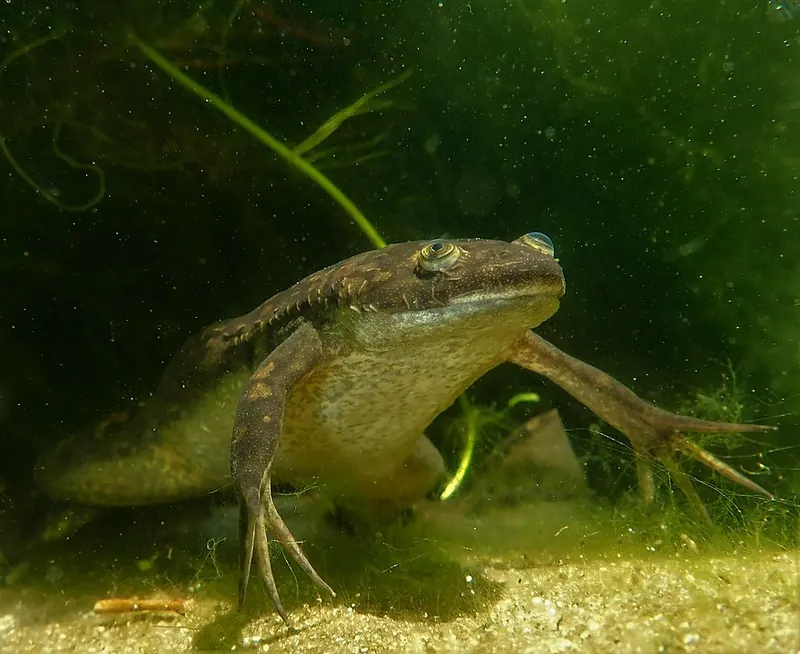
The first vertebrate ever cloned was this frog, in 1962.
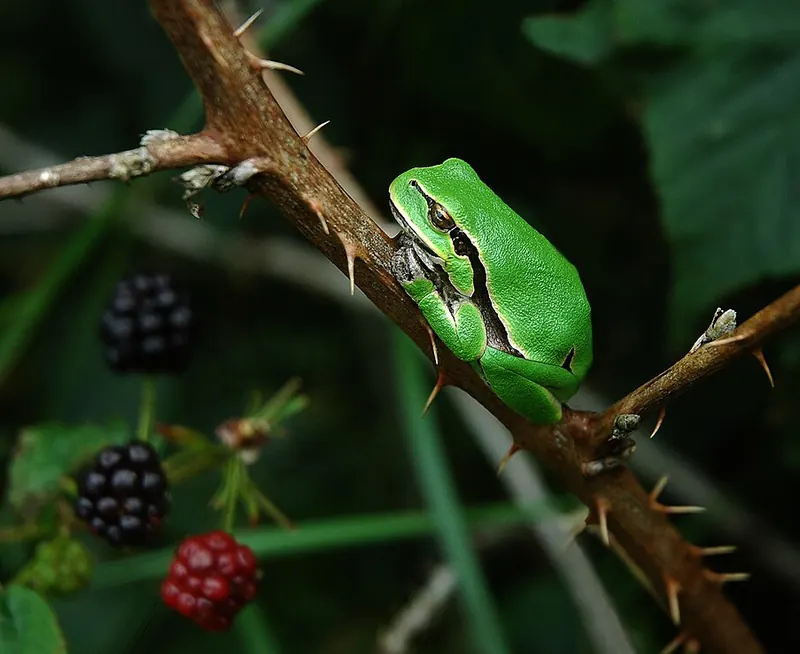
Once used as weather forecasters, since it croaks when rain is coming.
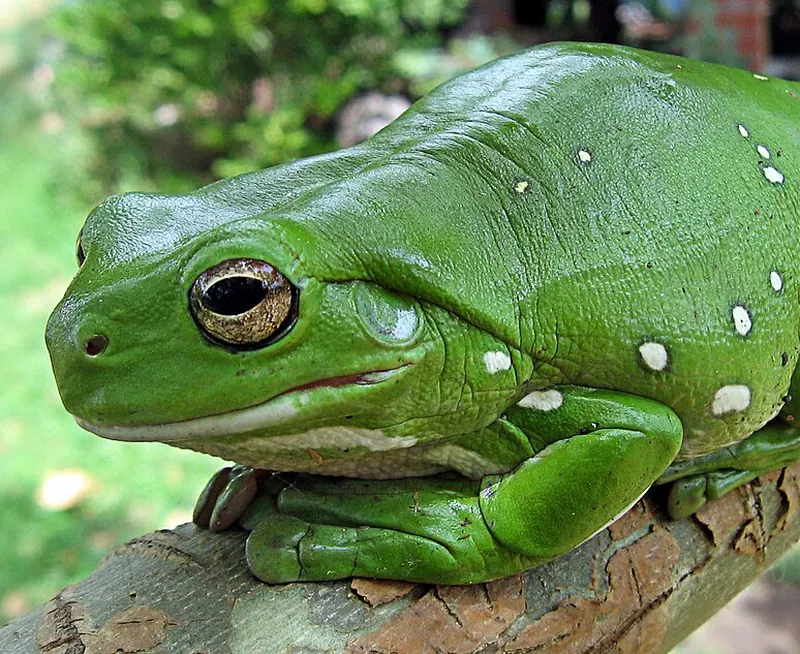
Its skin secretions may help make medicines.
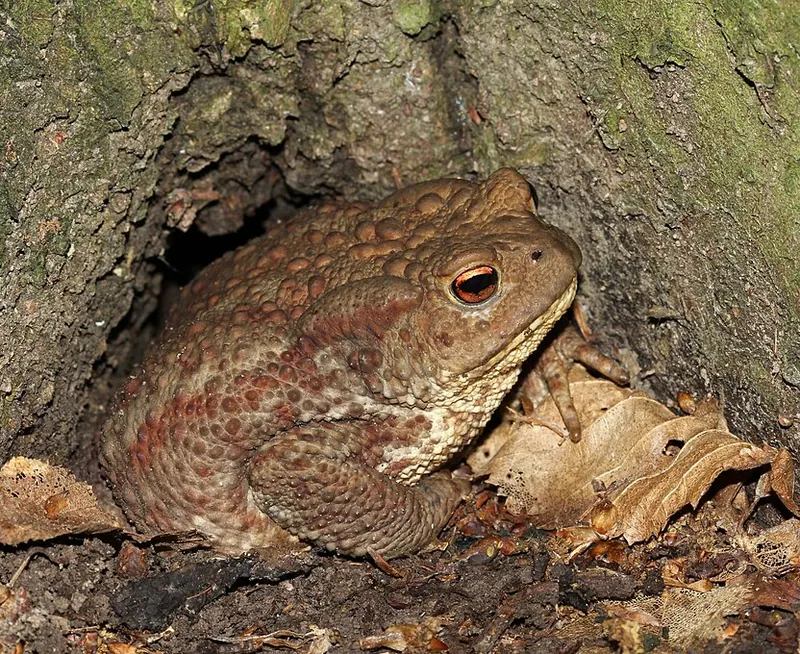
Moved more than 3 km away in a test, a common toad can still find its own breeding pond.
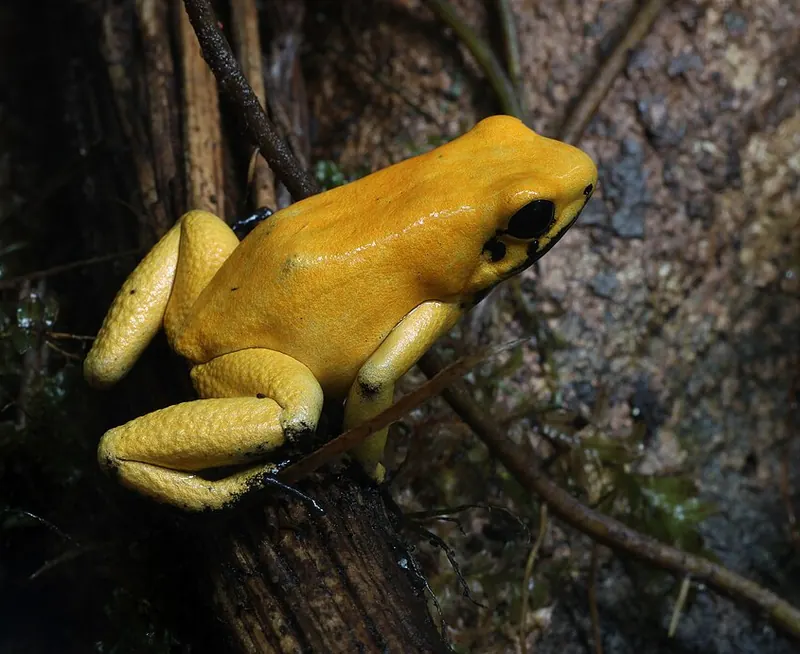
Small, but considered the most poisonous animal species on the planet.
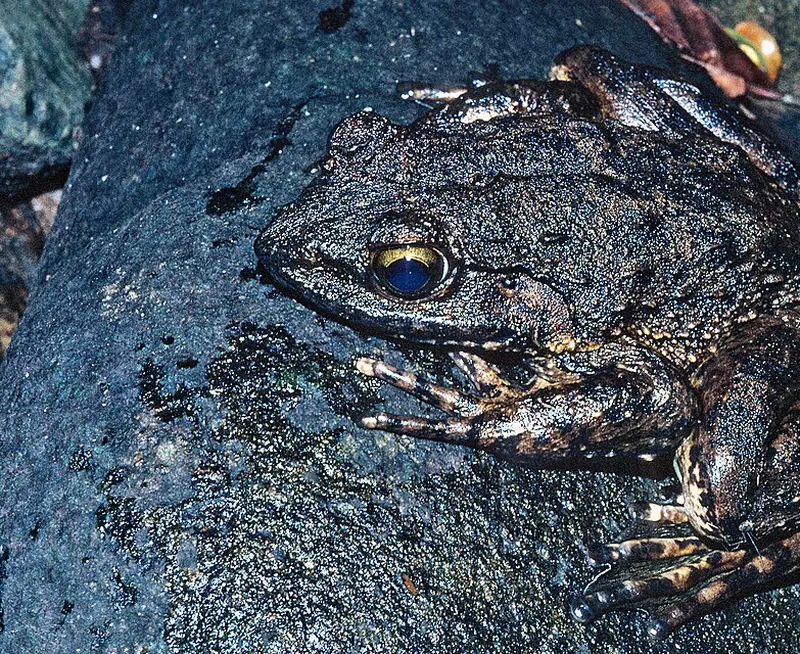
The largest living frog.
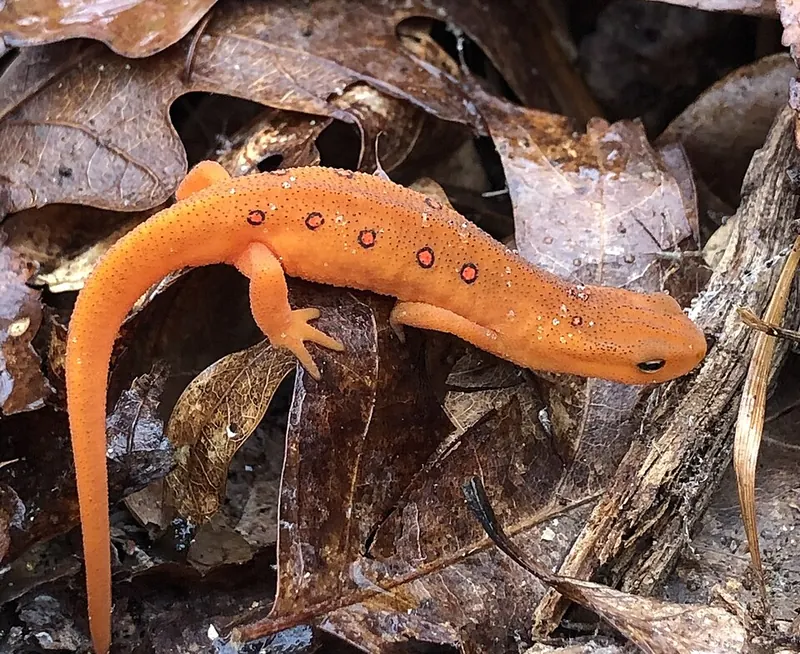
Its bright orange young lives on land, and is called a red eft.
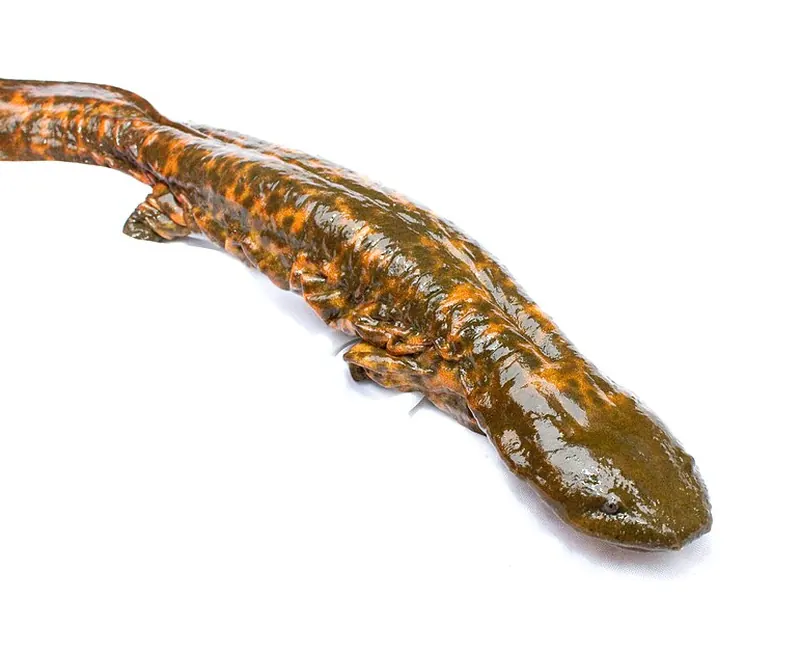
North America's biggest salamander, and it is a giant among its kind.
Every photograph and every outline comes from a real, openly licensed image, credited at the bottom of its card. Only plain charts are drawn.
The words on these cards are written by AI from the sources named on each card. Software matched every number and claim to a sentence in those sources. Mistakes are still possible, so follow a card's links before relying on it.
Globe dots are real recorded sightings from GBIF. Where a card says native range only, they are clipped to that range. Otherwise they can include zoos, gardens and places the species was introduced.