Cephalopoda › Octopoda › Octopodidae
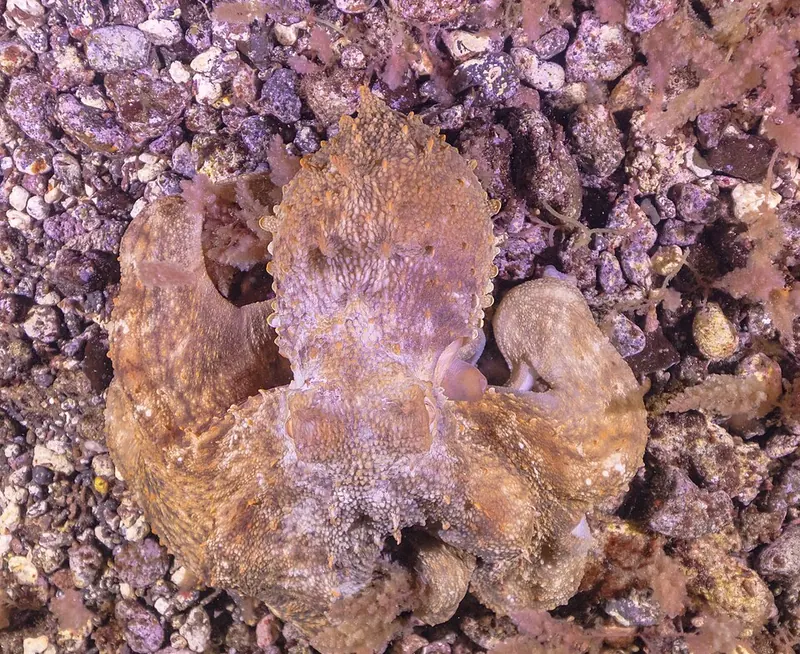
Common octopus
Up to 500,000 eggs
Its body holds about 500 million neurons, nearly comparable to dogs.
Field Guide · Chapter 17 of 29
Swipe across, tap a card to turn it over, then scroll down its back. Try Look closer on a front, spin a globe, and lift the question on a park sign.
Its body holds about 500 million neurons, nearly comparable to dogs.
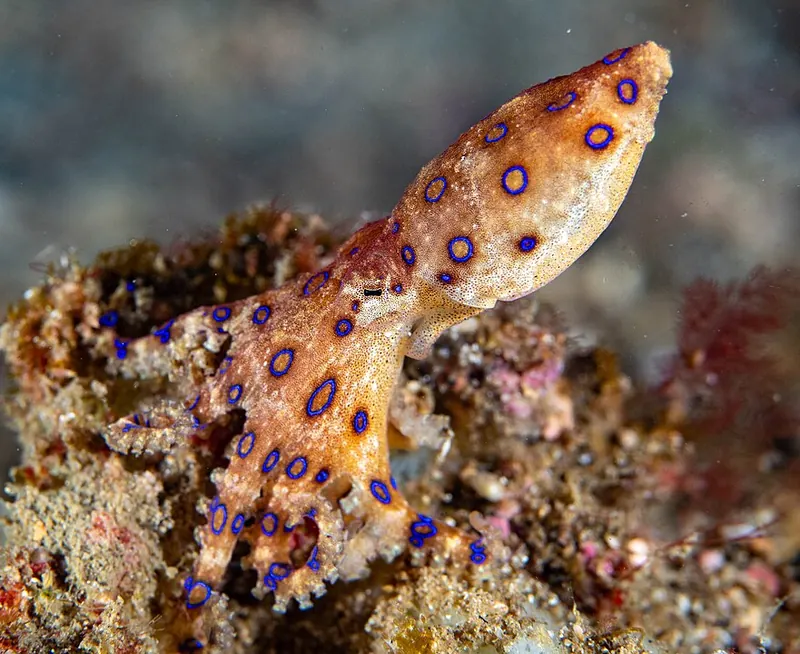
This small octopus makes a poison like the one in puffer fish.
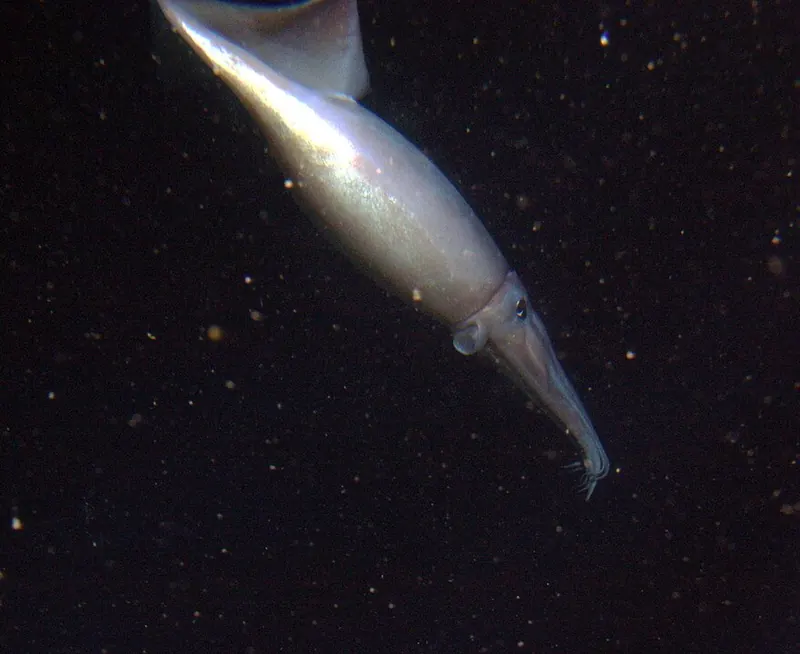
It flashes red and white across its whole body when other squid are near.
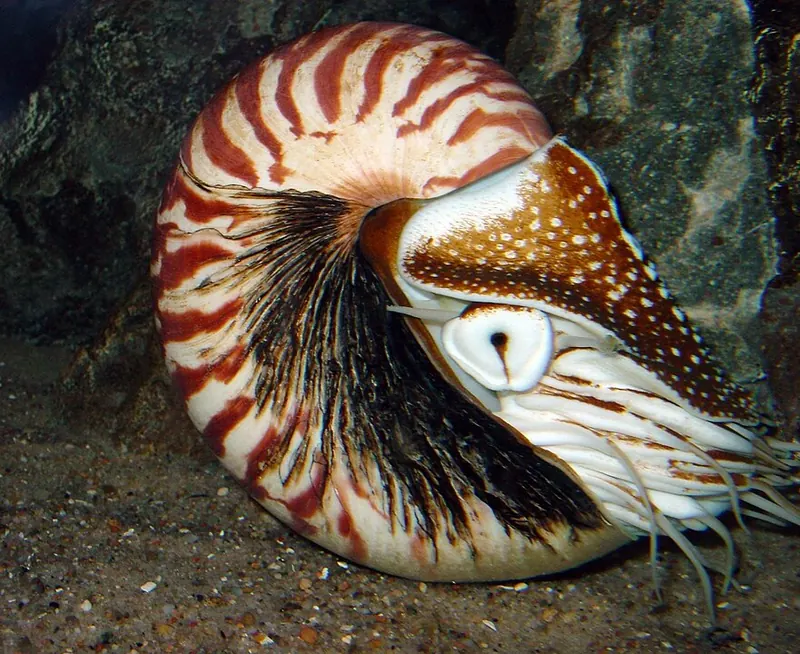
Its eyes have no lens, so they work like a pinhole camera.
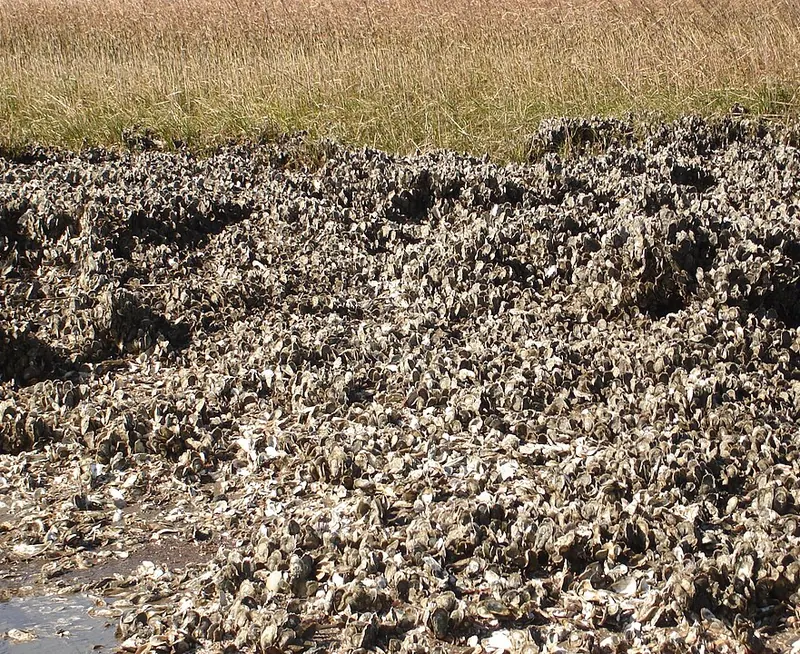
Each oyster strains up to fifty gallons of water through its body every day.
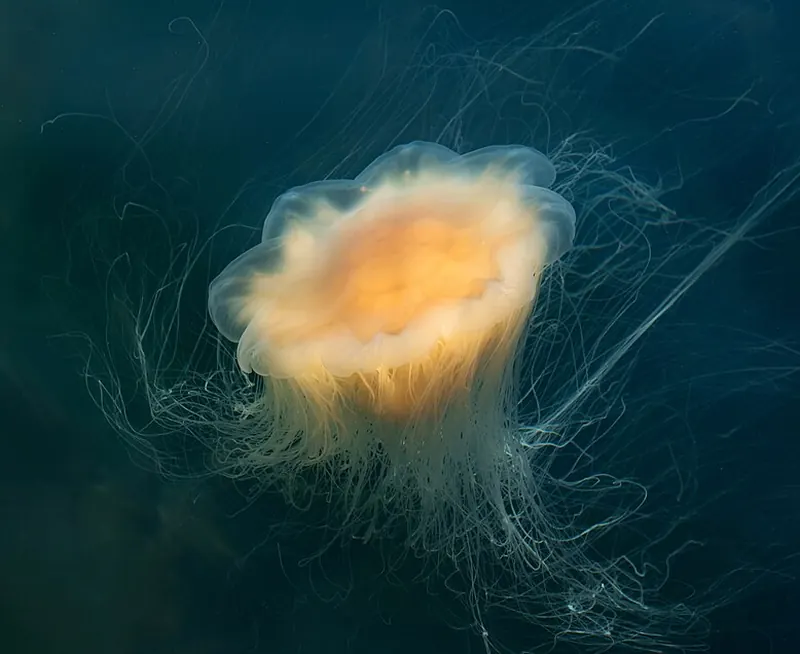
Larger ones may trail tentacles as long as 30 m.
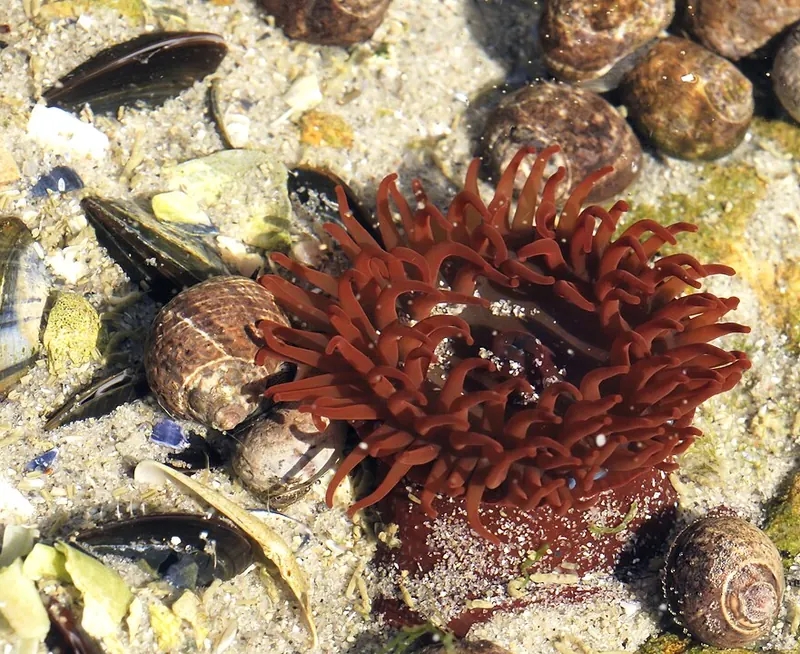
It is the only sea anemone species that broods its young.
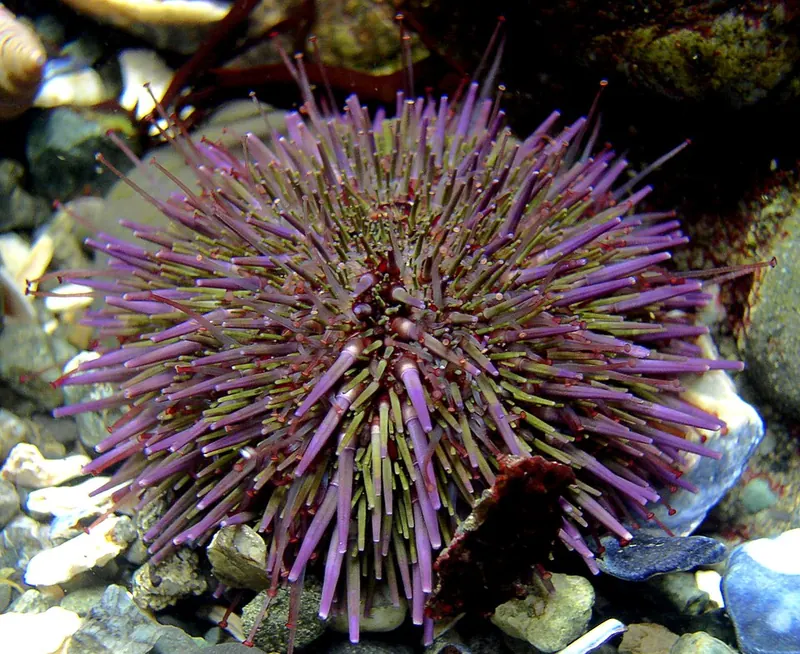
By the strictest count, this urchin and people share 7,700 genes.
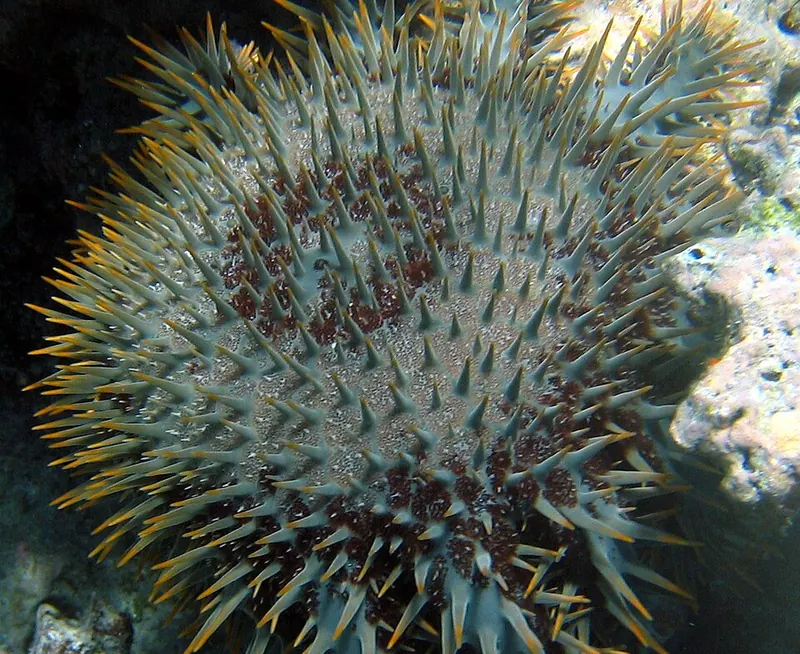
Adults of this starfish can kill entire coral colonies.
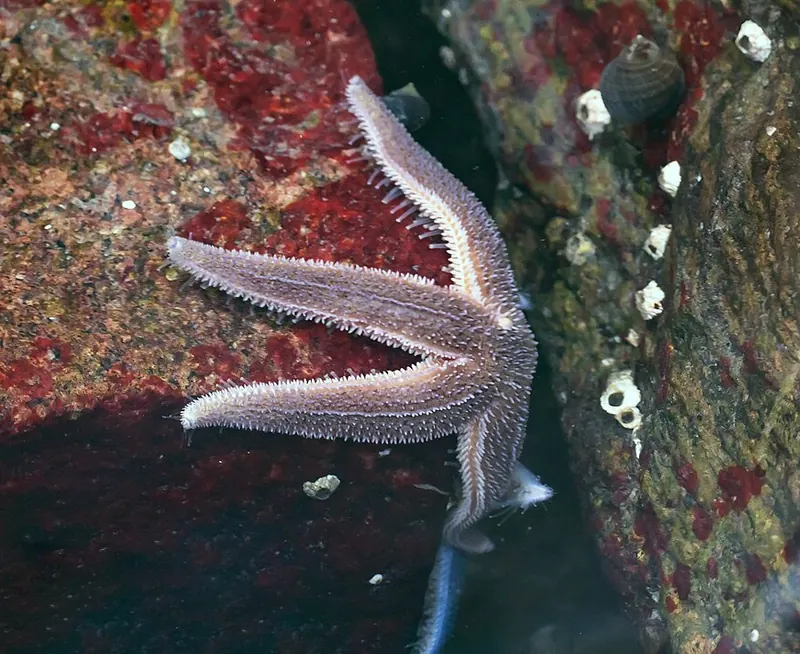
A starfish can lose an arm and grow a new one.
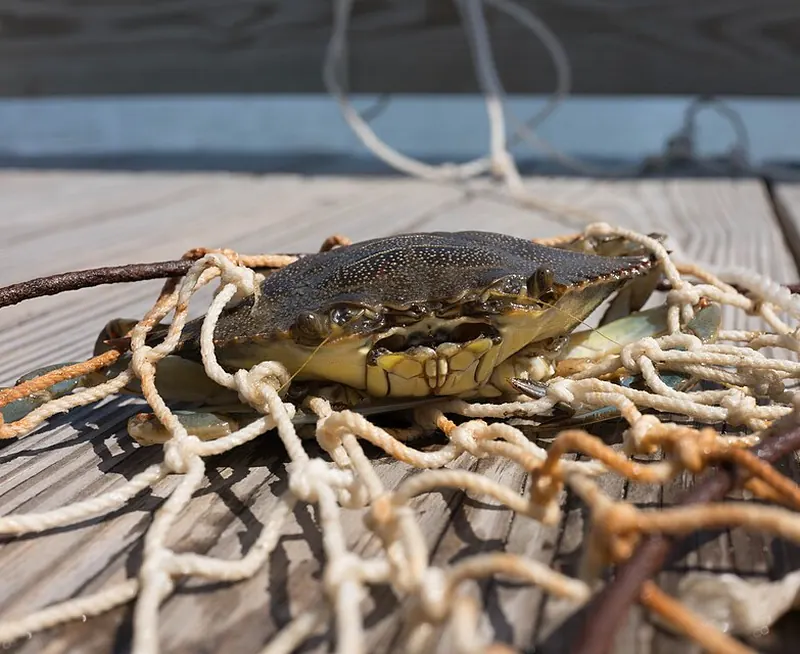
A female blue crab mates only once in her life, at her final molt.
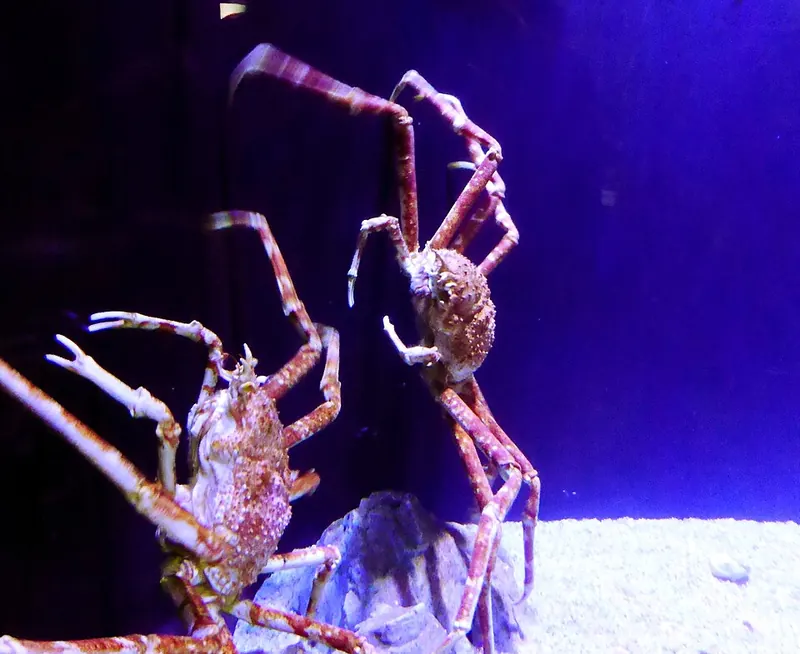
Its legs reach up to 3.7 metres from claw to claw, the greatest leg span of any known arthropod.
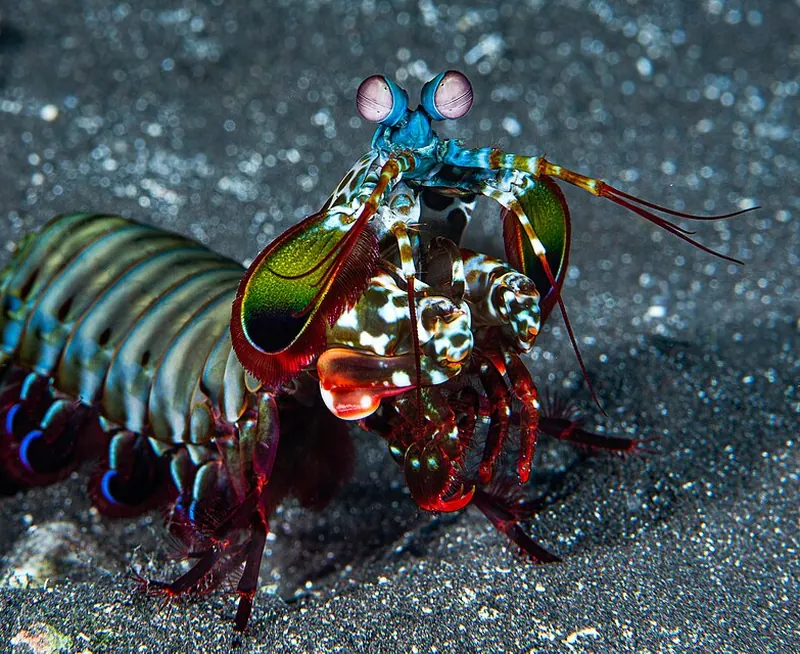
A club-shaped smasher reported to throw the fastest punch of any living animal.
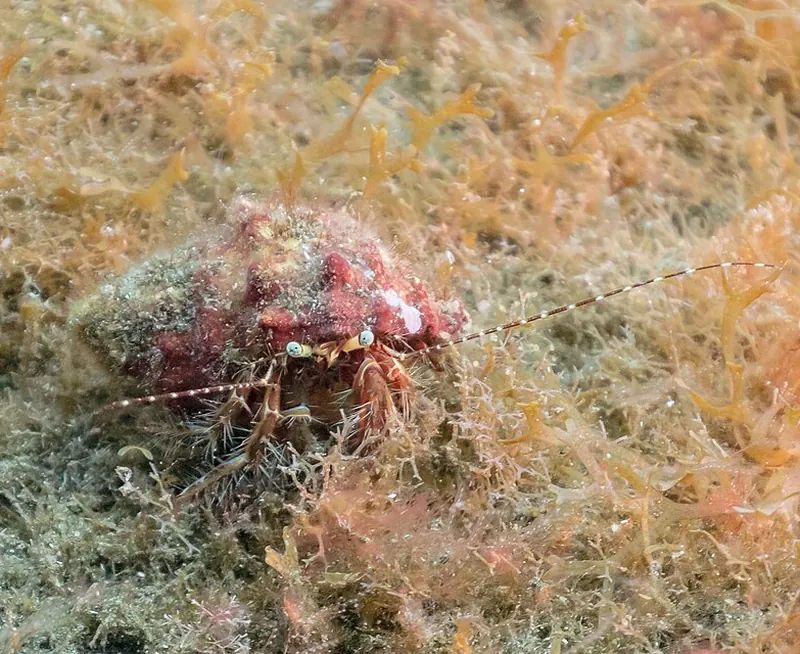
In warmer parts of its range, a sea anemone often grows on its borrowed shell.
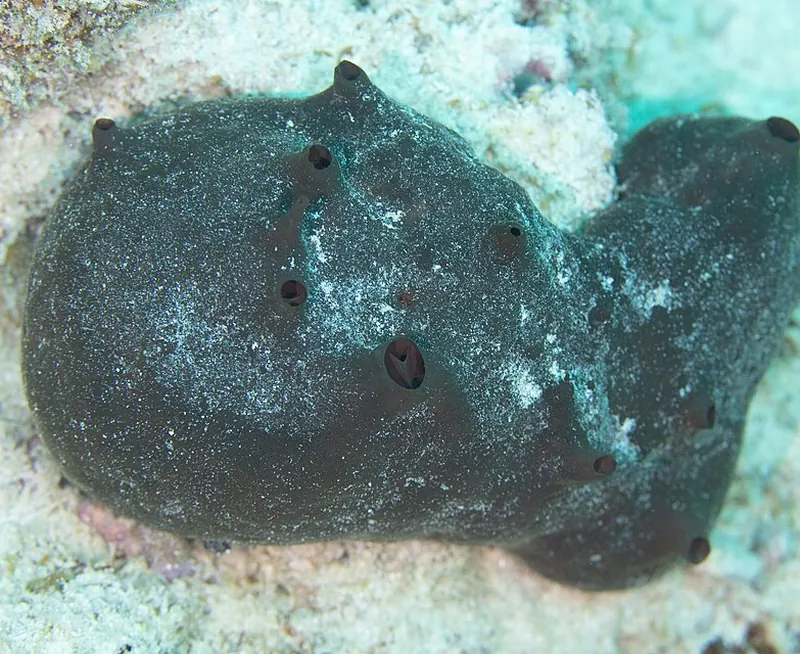
Roman soldiers once padded their helmets with this sea sponge.
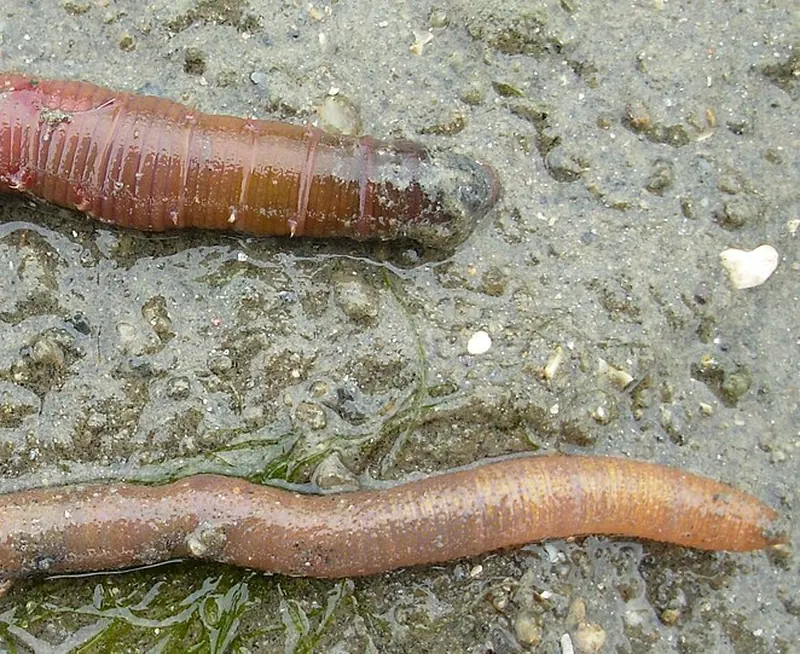
The coiled sand on a low-tide beach is made by a worm that is rarely seen.
Every photograph and every outline comes from a real, openly licensed image, credited at the bottom of its card. Only plain charts are drawn.
The words on these cards are written by AI from the sources named on each card. Software matched every number and claim to a sentence in those sources. Mistakes are still possible, so follow a card's links before relying on it.
Globe dots are real recorded sightings from GBIF. Where a card says native range only, they are clipped to that range. Otherwise they can include zoos, gardens and places the species was introduced.