Aves › Sphenisciformes › Spheniscidae
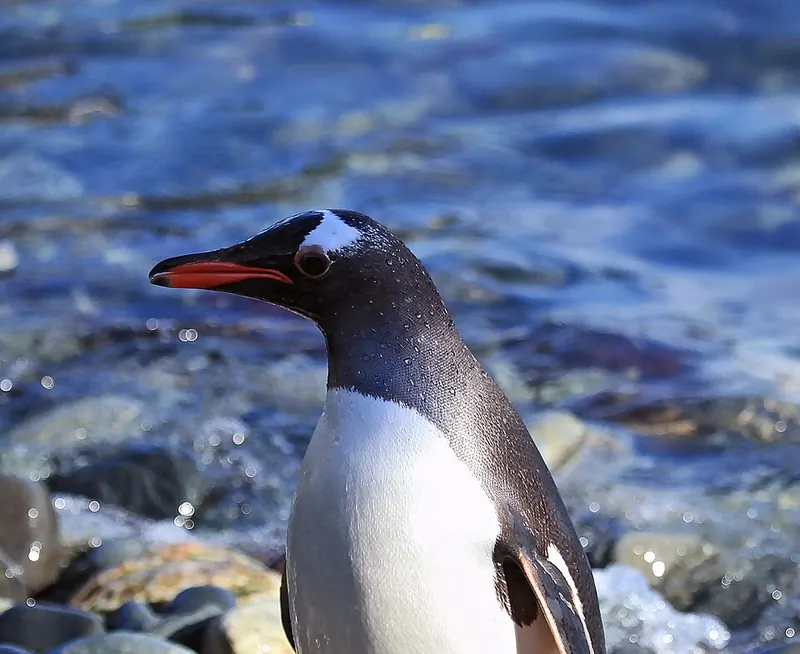
Gentoo penguin
Up to 36 km/h swimming
Swims faster underwater than any other penguin species, up to 36 km/h.
Field Guide · Chapter 8 of 29
Swipe across, tap a card to turn it over, then scroll down its back. Try Look closer on a front, spin a globe, and lift the question on a park sign.
Swims faster underwater than any other penguin species, up to 36 km/h.
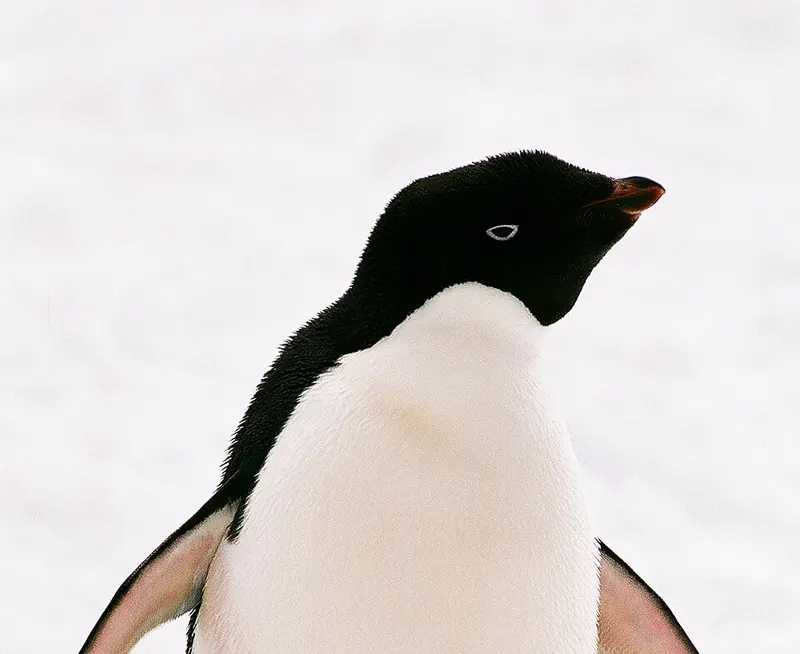
One of only four penguin species that nest on Antarctica itself.
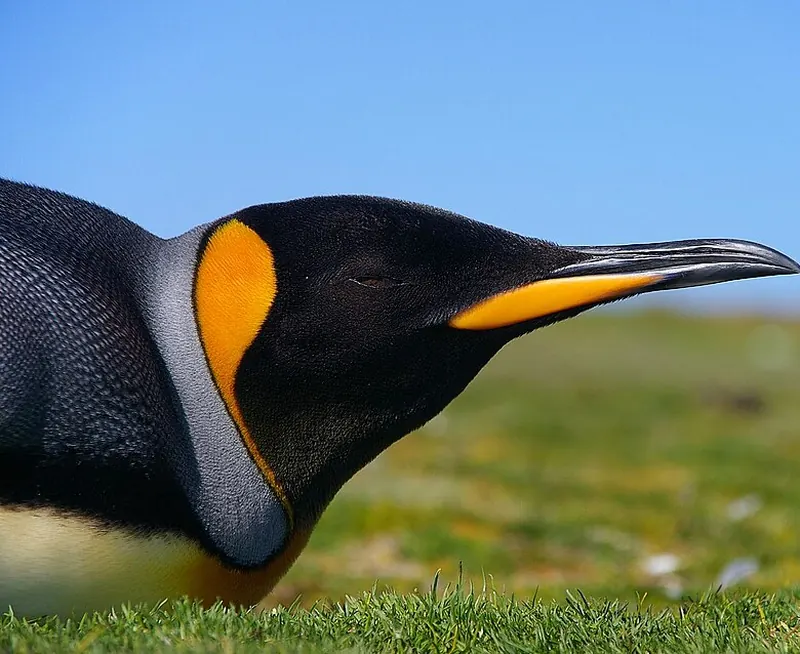
Some king penguins have been recorded diving deeper than 300 metres.
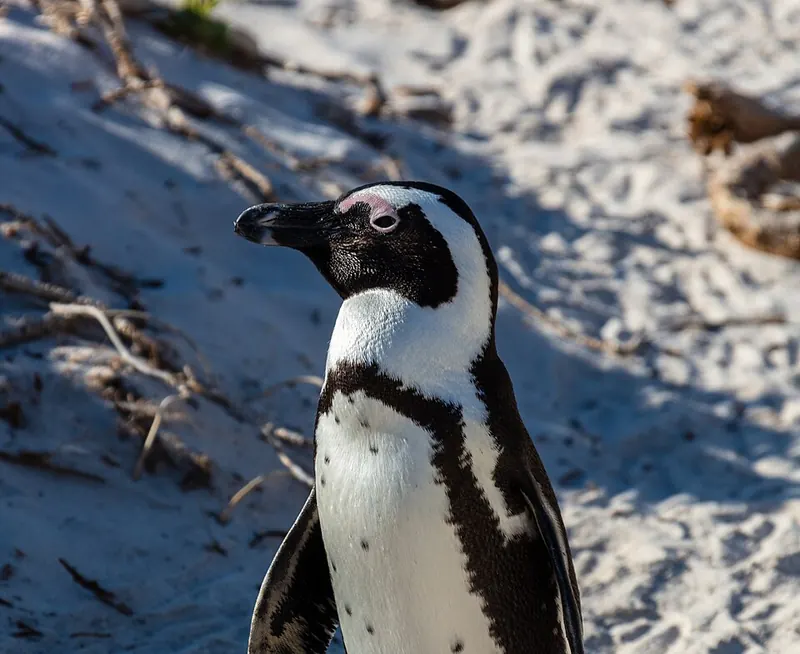
It is the only penguin that breeds in Africa.
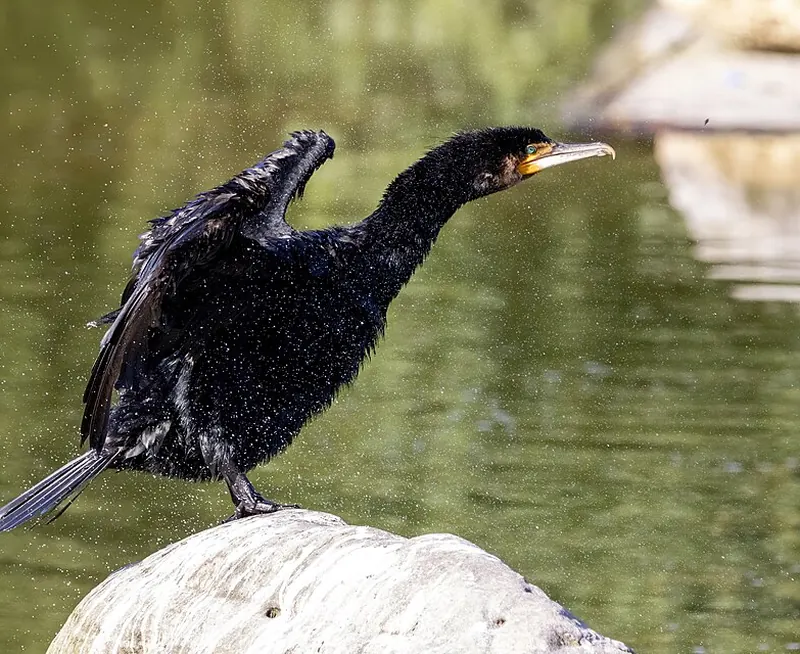
Adults have striking deep sea-green eyes.
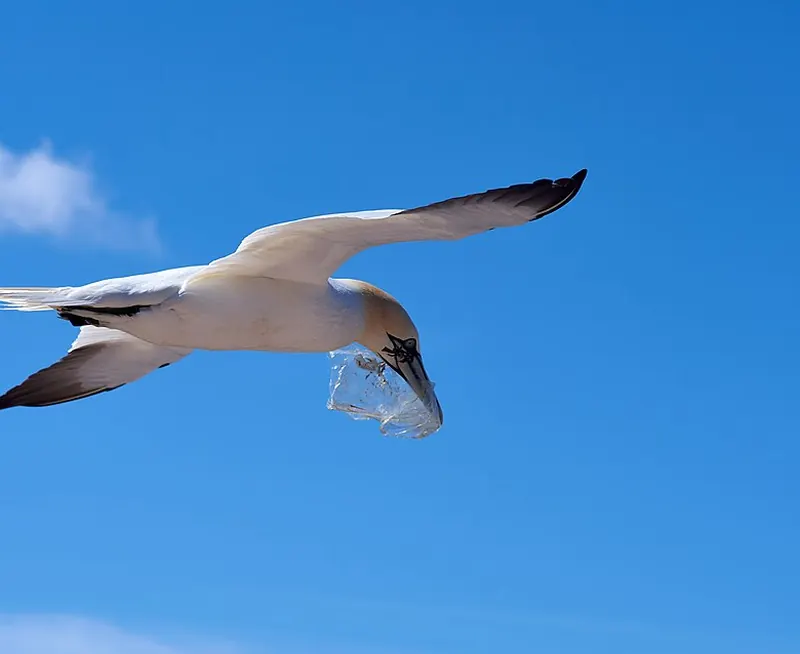
It generally finds its food by diving at high speed into the sea.
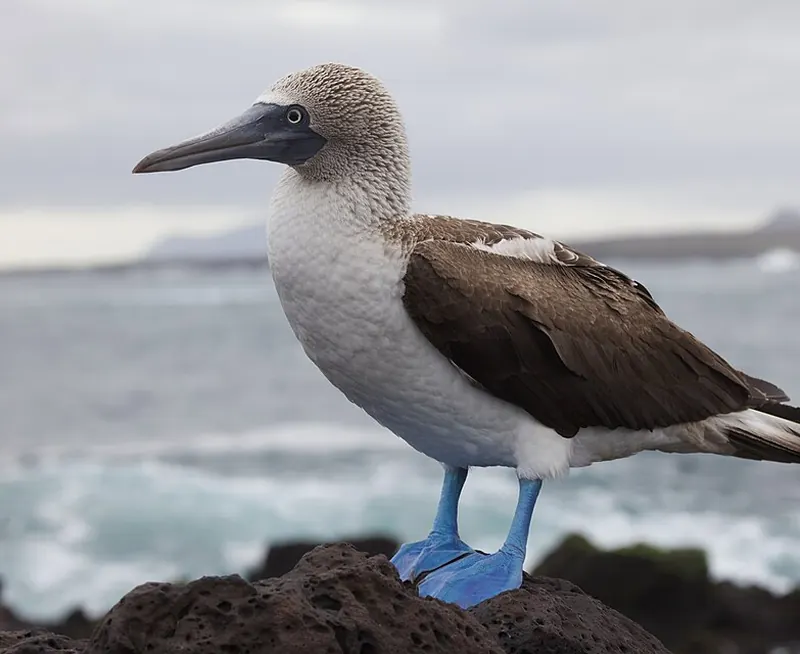
Its nostrils are shut for good, so it breathes through the corners of its mouth.
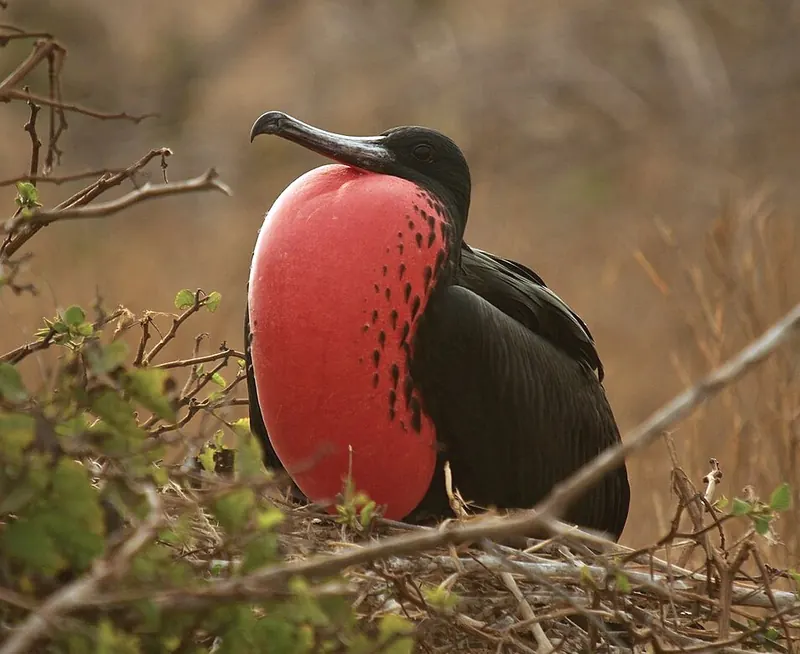
One of the fastest birds in the world, it flies at up to 153 kilometres per hour.
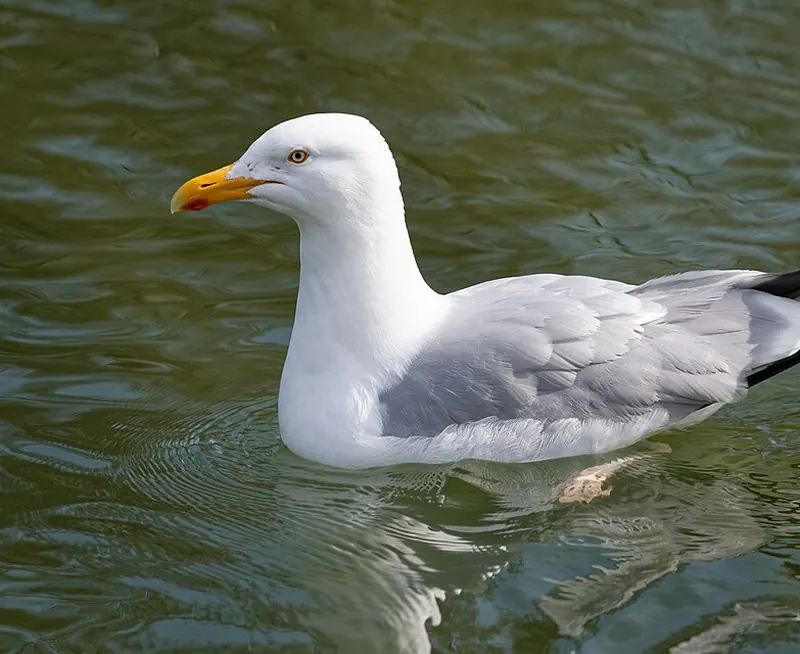
Young gulls peck a red spot on a parent's bill to show they are hungry.
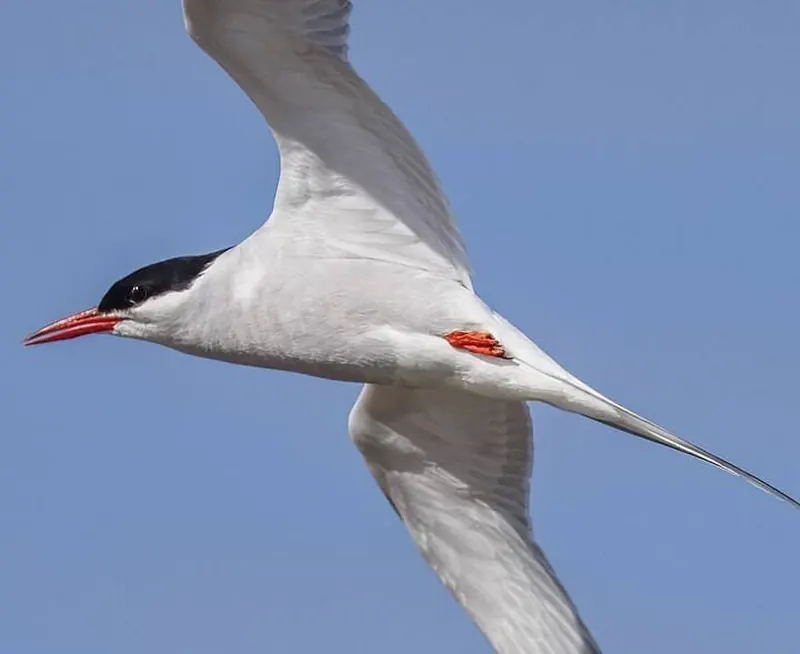
Pole to pole and back. It lives through two summers a year and sees more daylight than any other animal.
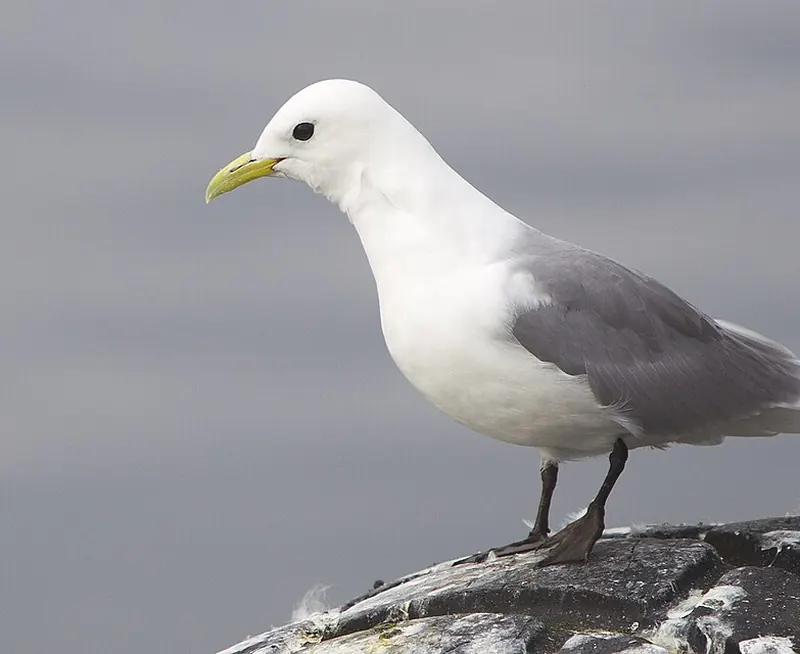
Some kittiwakes now nest on top of street lights in Newcastle.
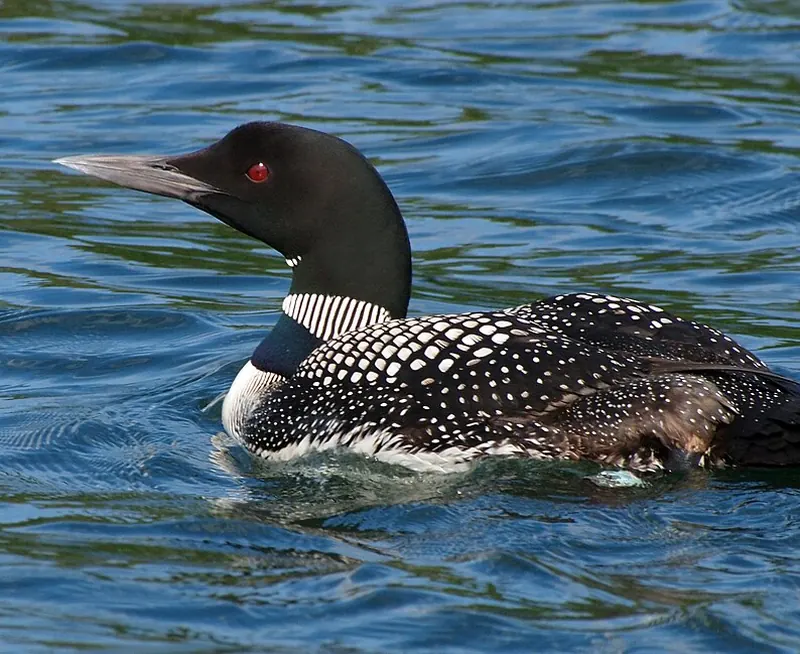
It can dive as deep as 60 metres to catch its prey underwater.
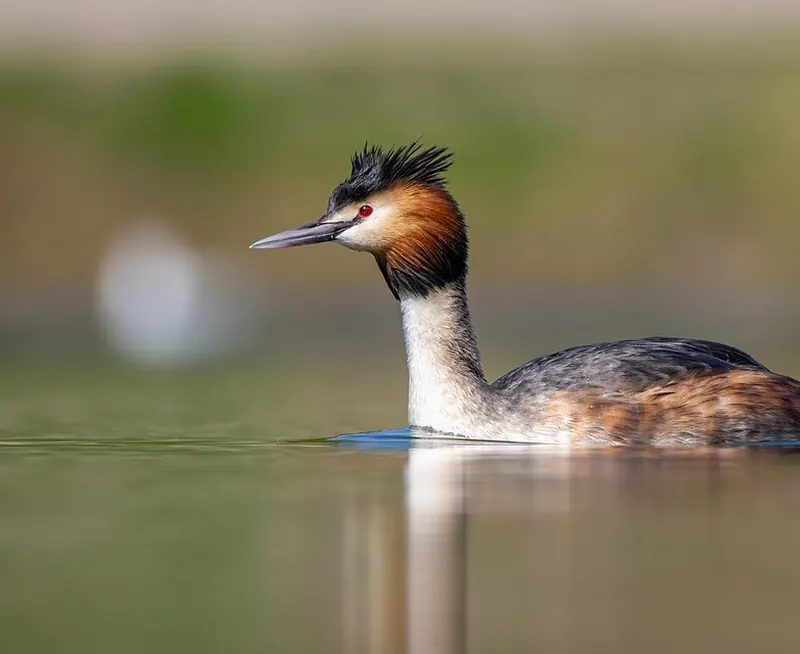
Young grebes swim and dive almost as soon as they hatch.
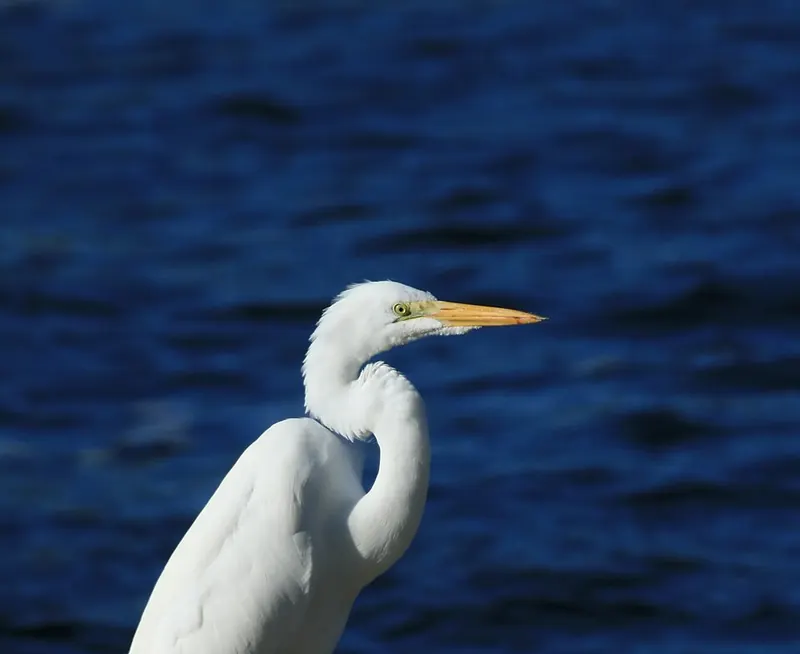
Stealing is how great egrets get a very high share of their food, from smaller herons.
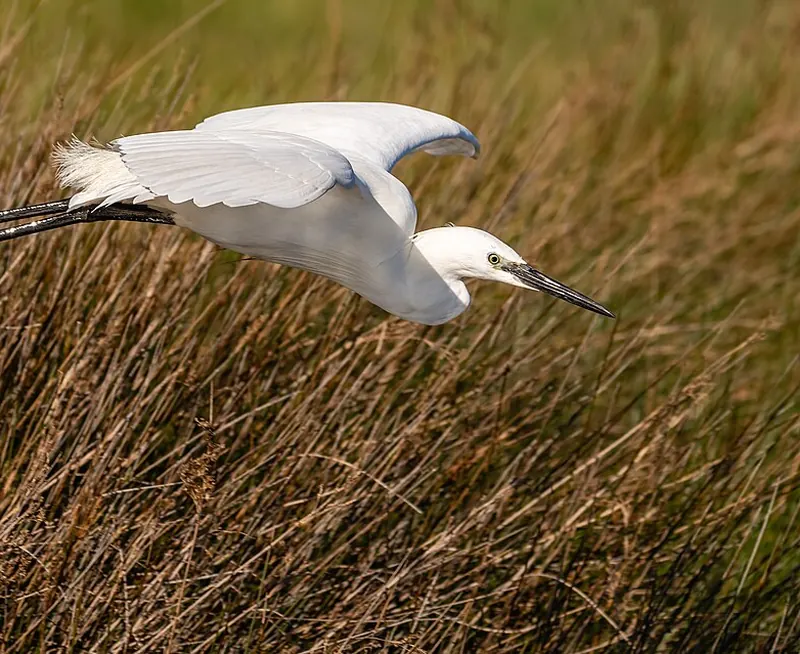
It was once common in Britain and Ireland, then over-hunting wiped it out.
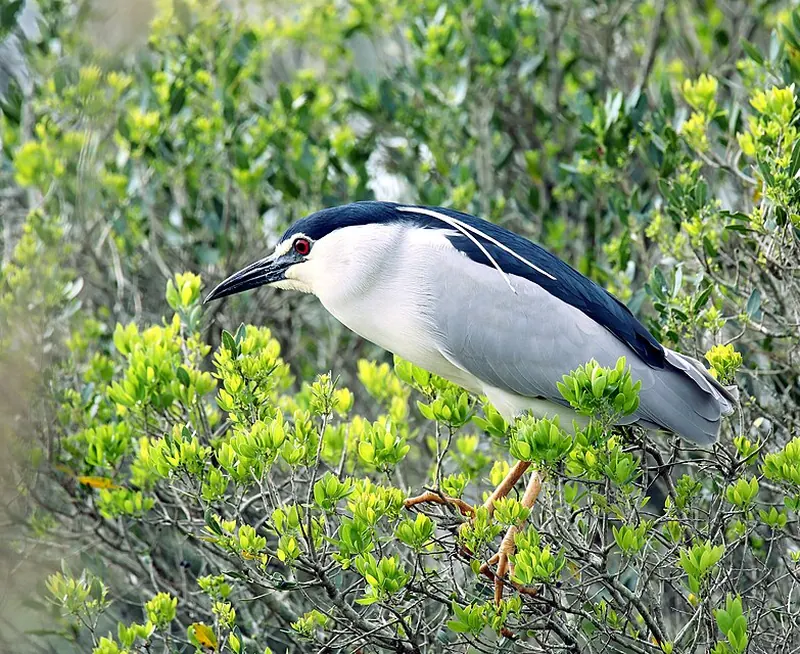
For a short while in courtship its legs turn bright salmon-pink.
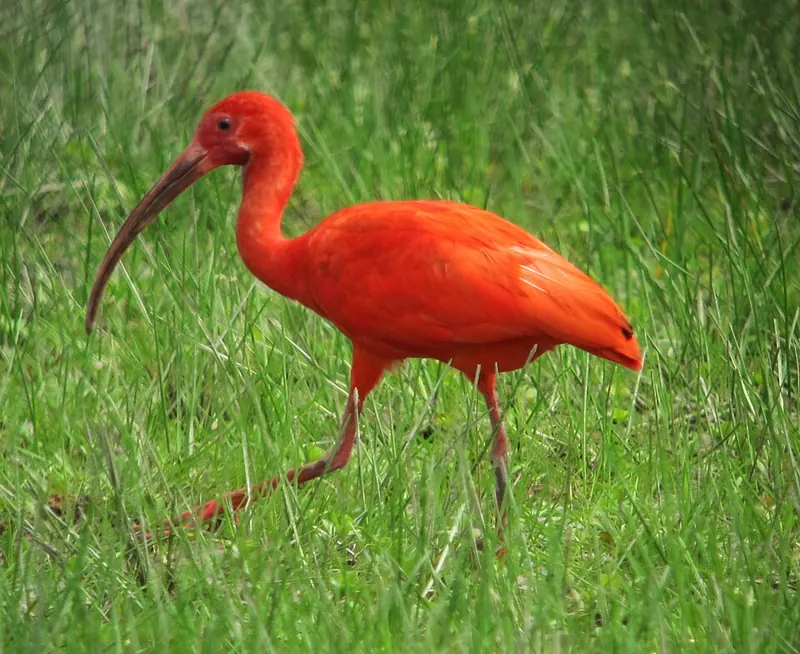
The only wading bird in the world with red coloration.
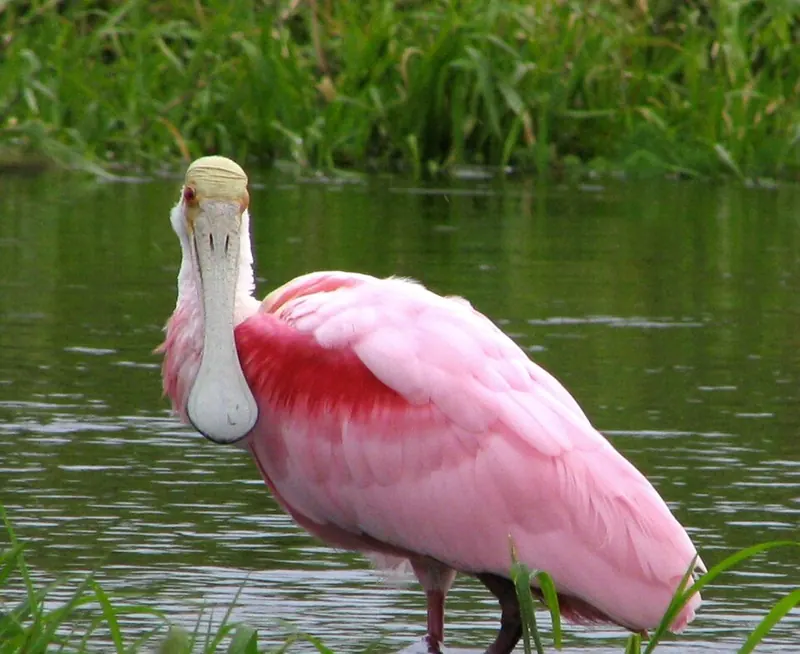
Its pink comes from the food it eats, through the same kind of pigment that colours a flamingo.
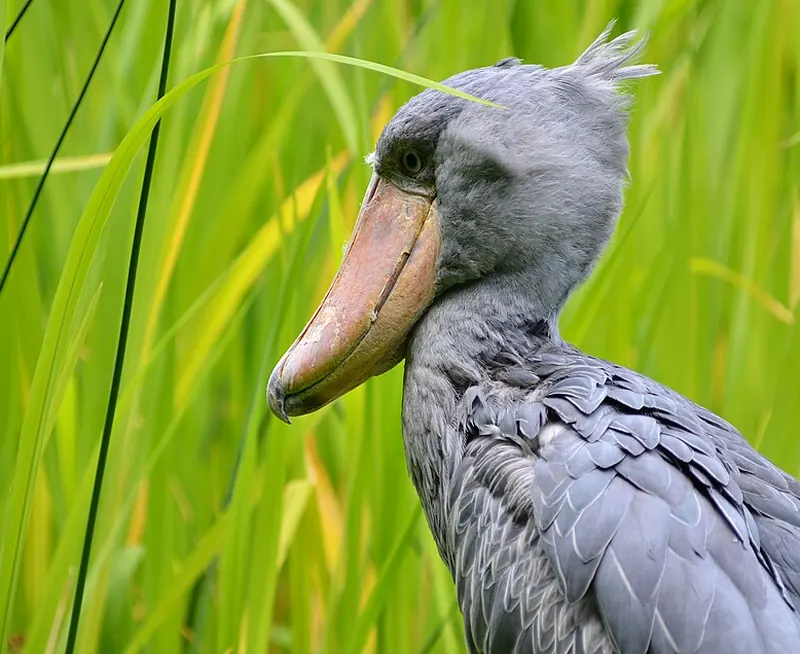
It stands so still for so long that it has been described as statue-like.
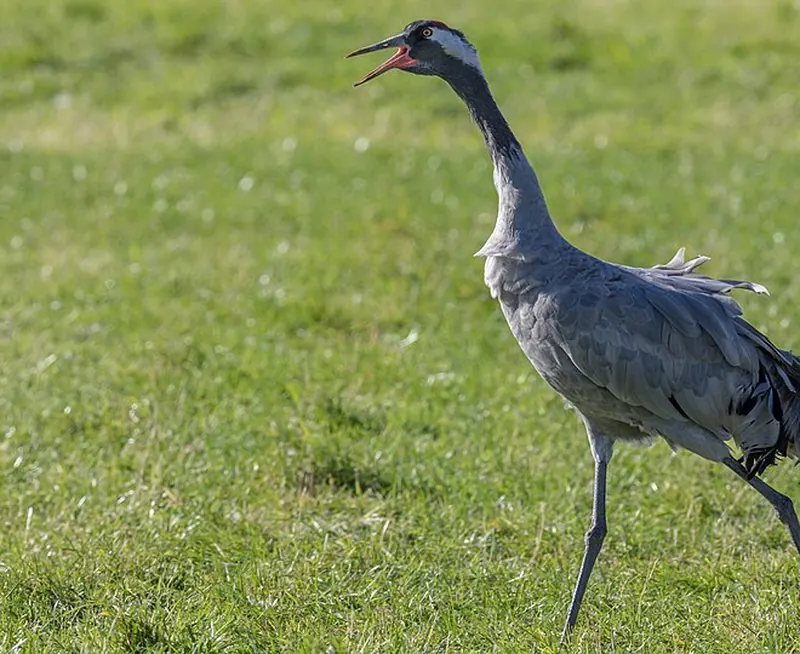
A common crane may try to court a new mate the year after its partner dies.
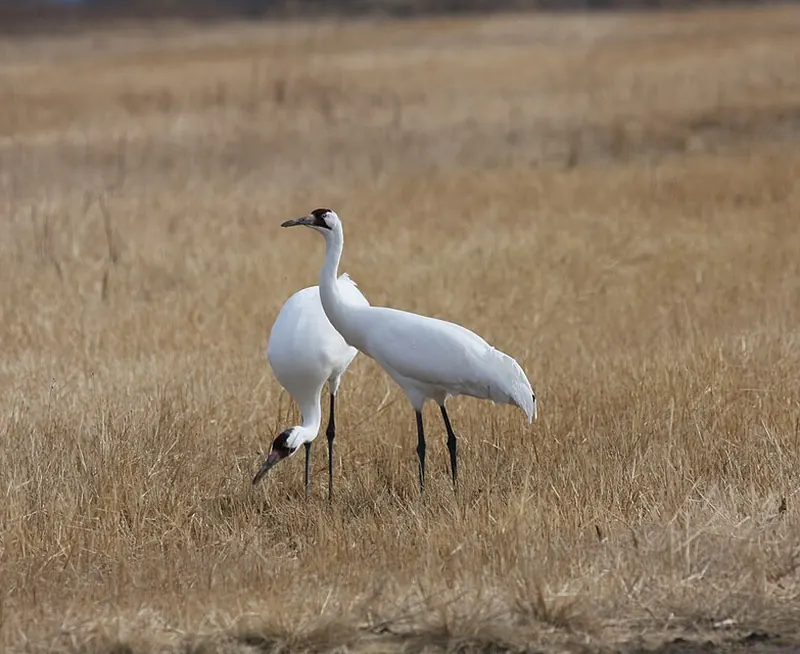
By 1941 only 21 wild whooping cranes were left alive.
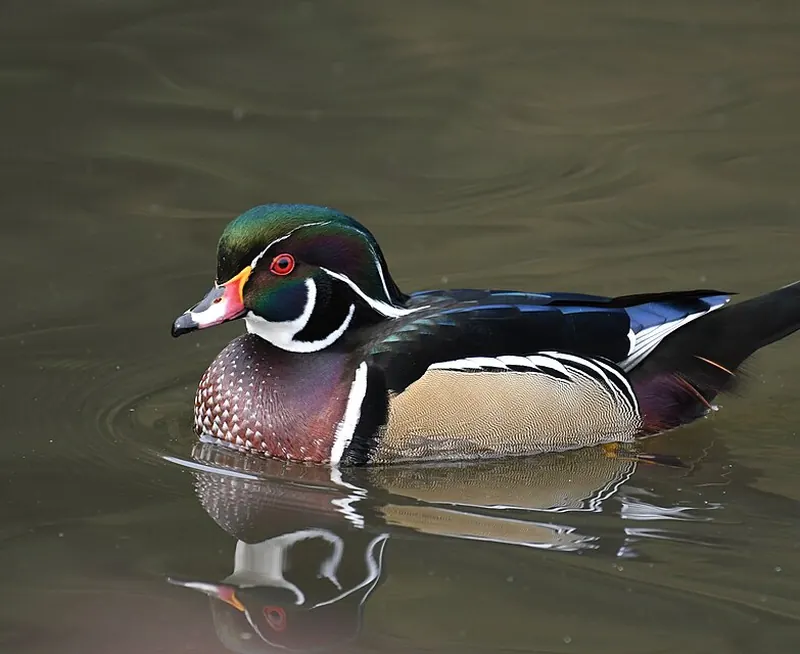
One of the few ducks that nests in trees, which is where it gets its name.
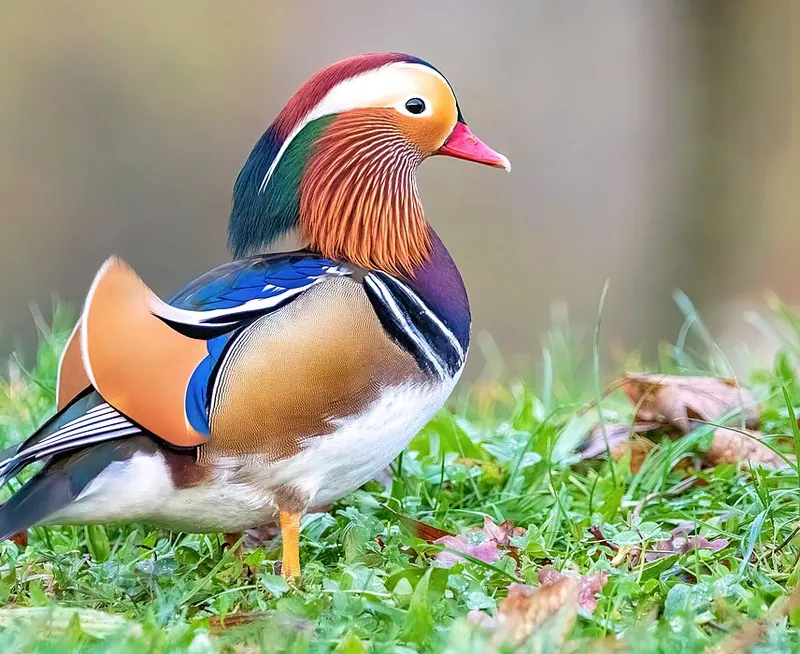
The male has sail feathers on its back that stand up like boat sails.
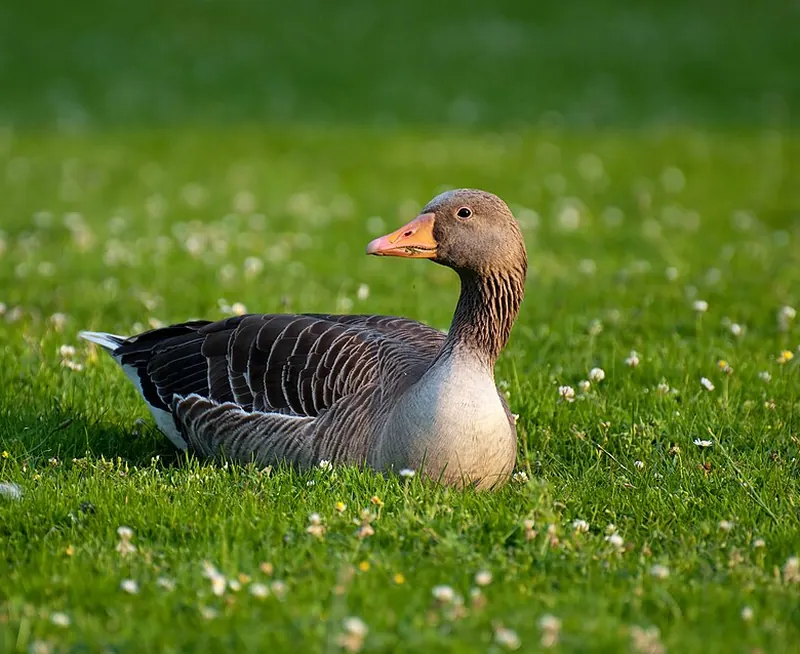
Most breeds of domestic goose descend from this wild bird, tamed at least as early as 1360 BCE.
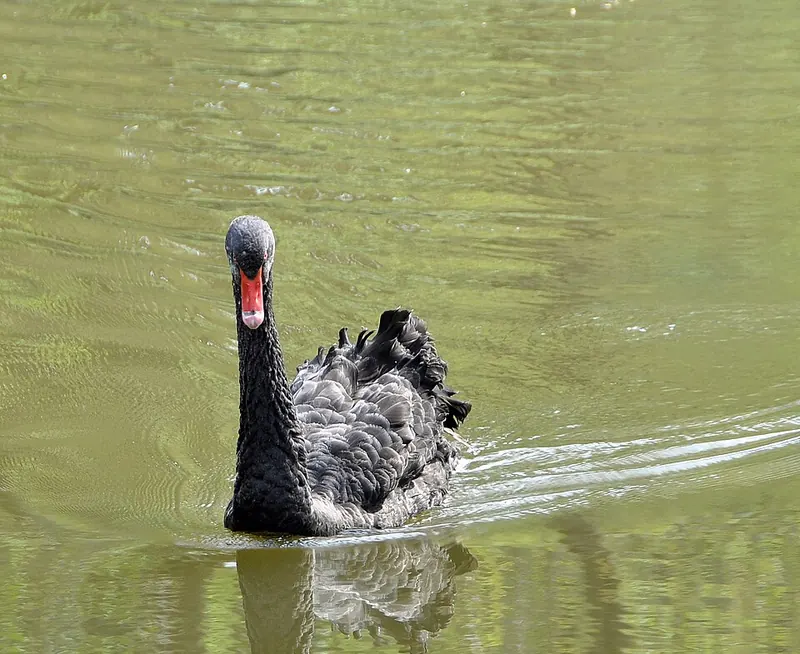
About a third of their broods have a father who is not the mate.
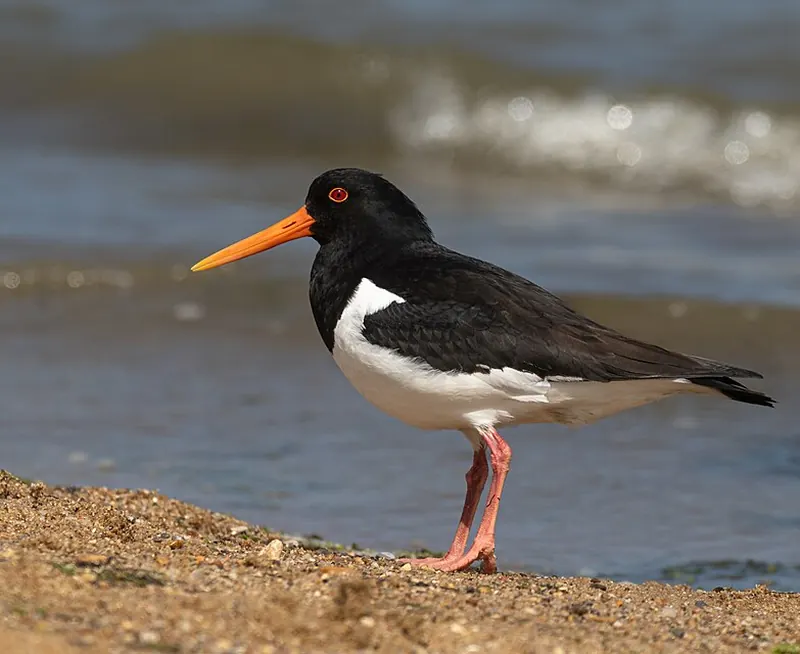
Ringed as a grown-up in 1982, one bird was found again 43 years later, at 46 or more.
Every photograph and every outline comes from a real, openly licensed image, credited at the bottom of its card. Only plain charts are drawn.
The words on these cards are written by AI from the sources named on each card. Software matched every number and claim to a sentence in those sources. Mistakes are still possible, so follow a card's links before relying on it.
Globe dots are real recorded sightings from GBIF. Where a card says native range only, they are clipped to that range. Otherwise they can include zoos, gardens and places the species was introduced.