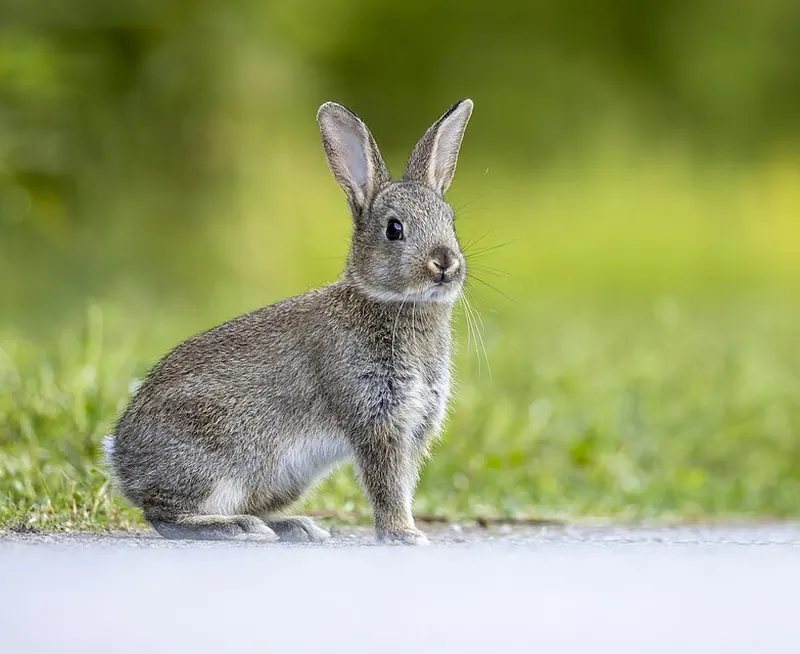
Mammalia › Lagomorpha › Leporidae
European rabbit
Up to 9 years old
Unlike hares, a baby rabbit is born blind and helpless.
Field Guide · Chapter 4 of 29
Swipe across, tap a card to turn it over, then scroll down its back. Try Look closer on a front, spin a globe, and lift the question on a park sign.
Unlike hares, a baby rabbit is born blind and helpless.
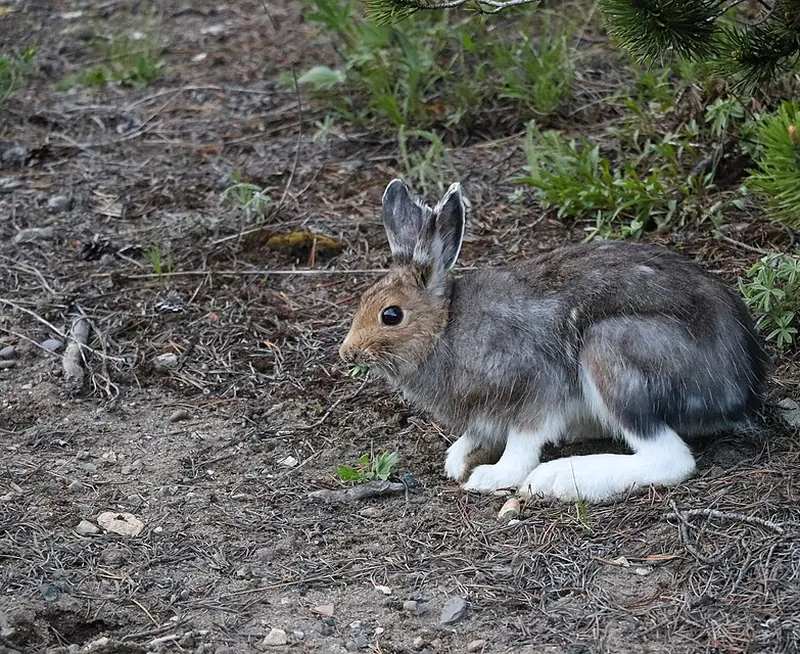
As many as 85 percent do not live longer than a year in the wild.
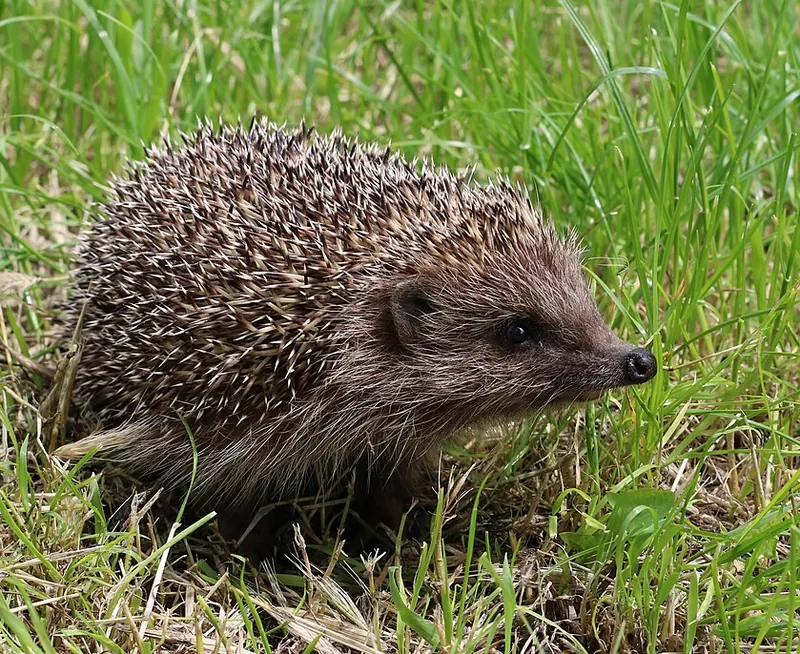
An adult hedgehog carries around 5,000 spines on its body.
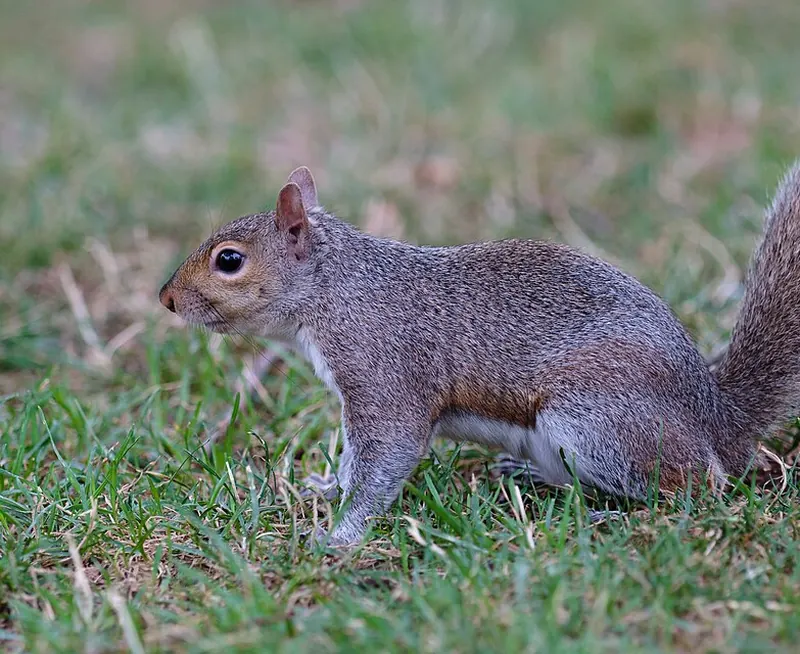
In Europe it is on a list that says it cannot be bred or released into the environment.
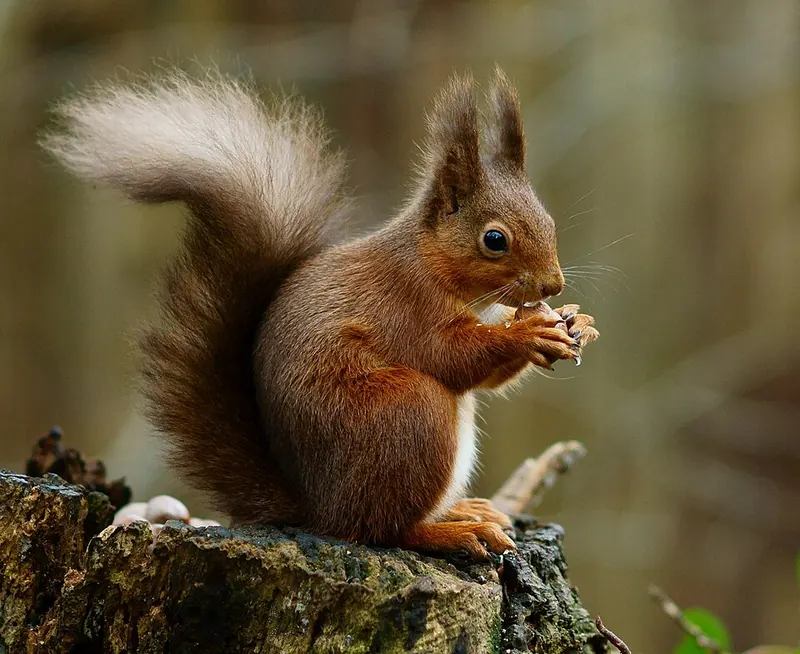
In some places, whole populations may have almost identically colored coats.

It lives alone, except during mating season.
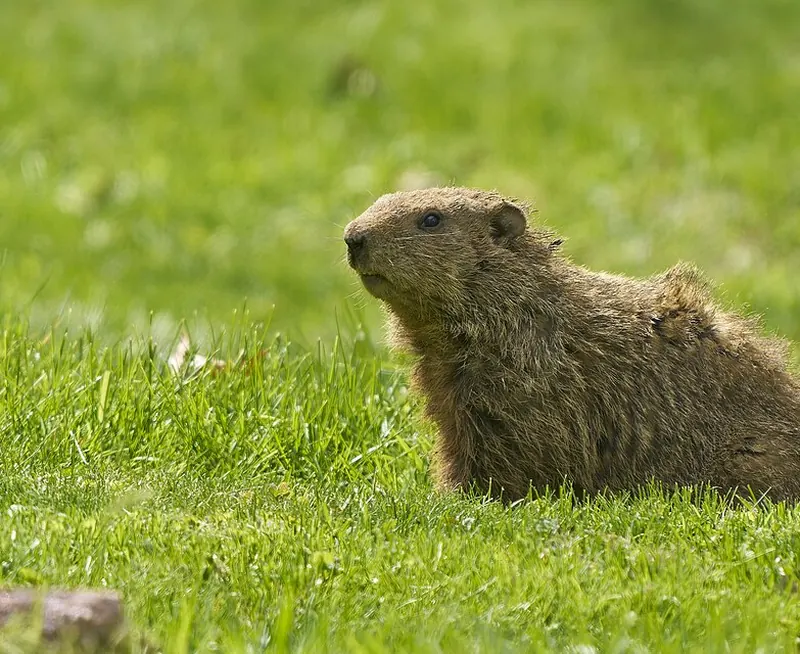
Heavy-bodied, yet a strong swimmer that sometimes climbs trees.
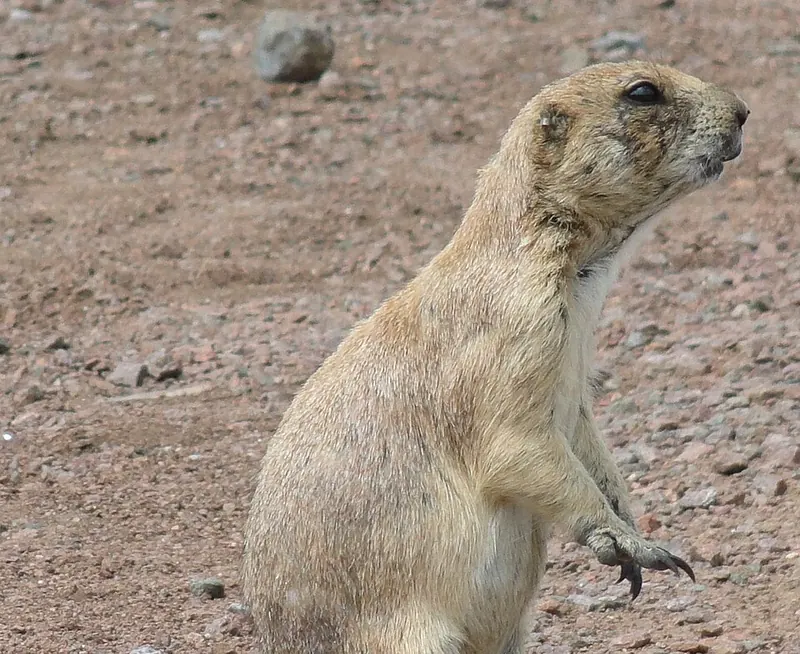
A single Texas town was reported to hold 400,000,000 prairie dogs.
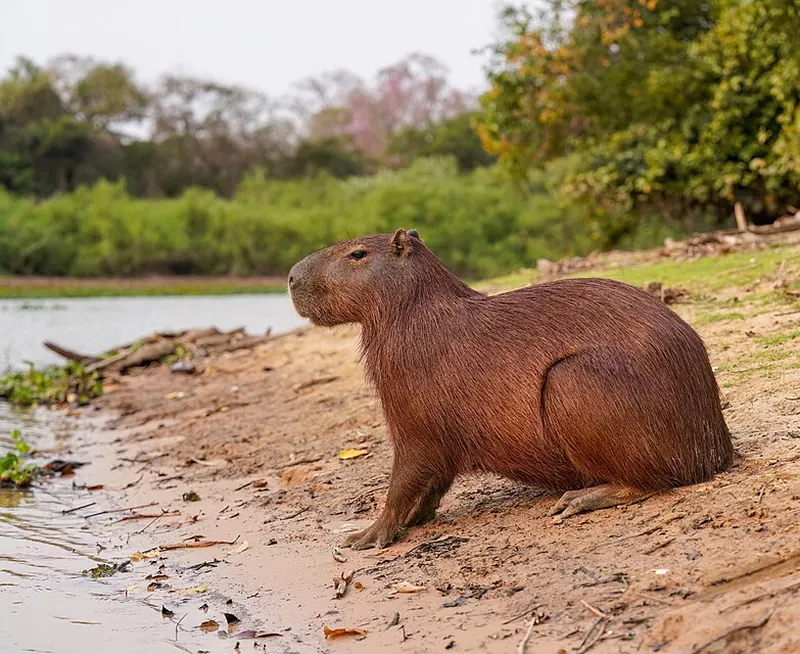
The largest living rodent, native to South America and not to Chile.
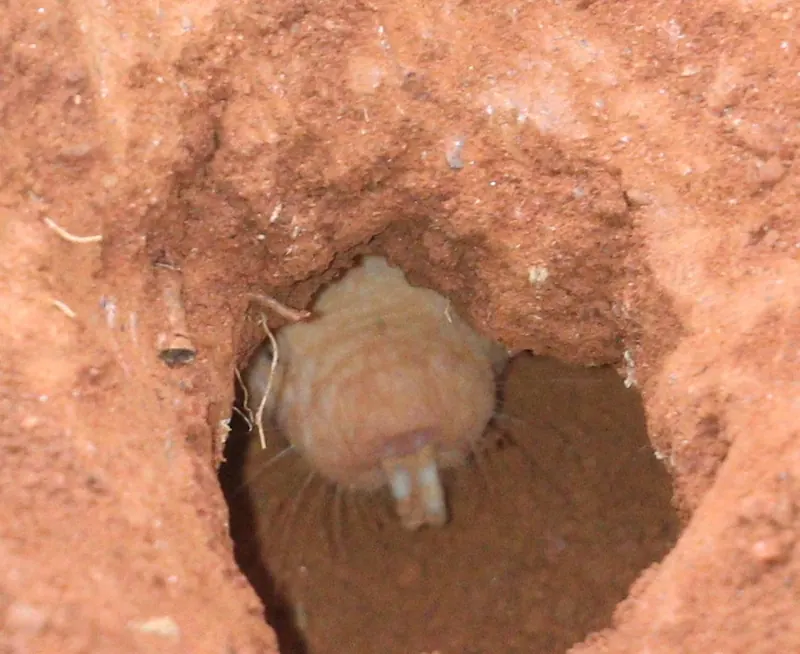
It can live longer than any other rodent, in excess of 37 years.
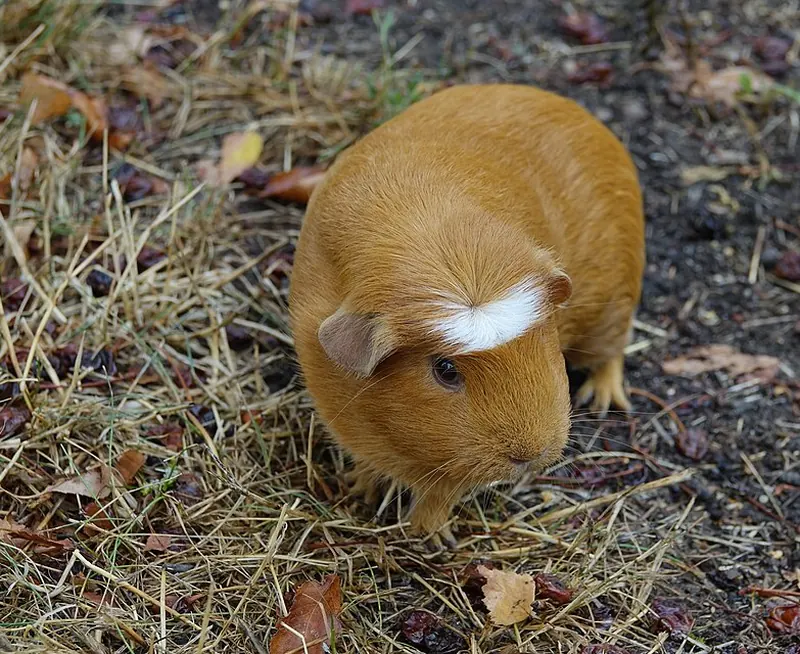
Guinea pigs were first raised as livestock for meat, and people in the Andes still eat them.
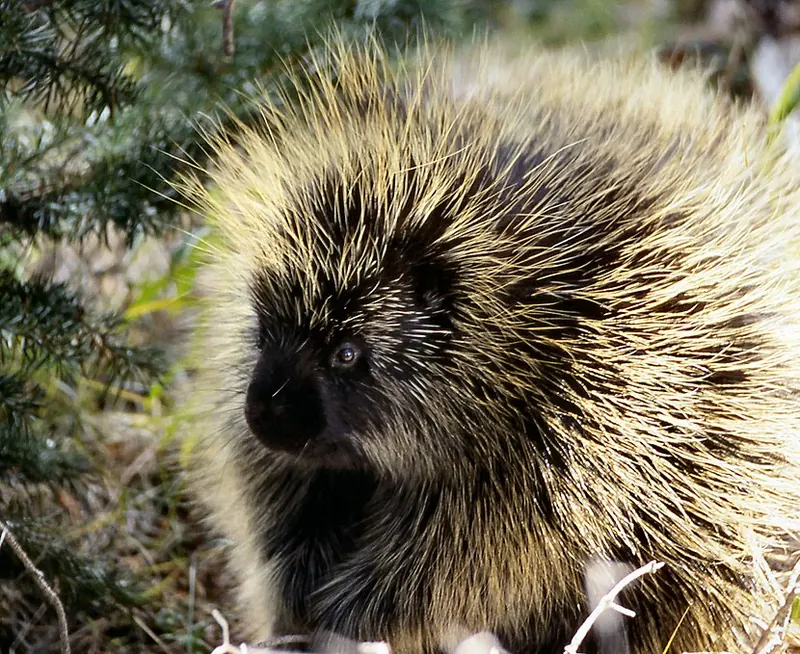
Predators have been known to die after a quill goes in.
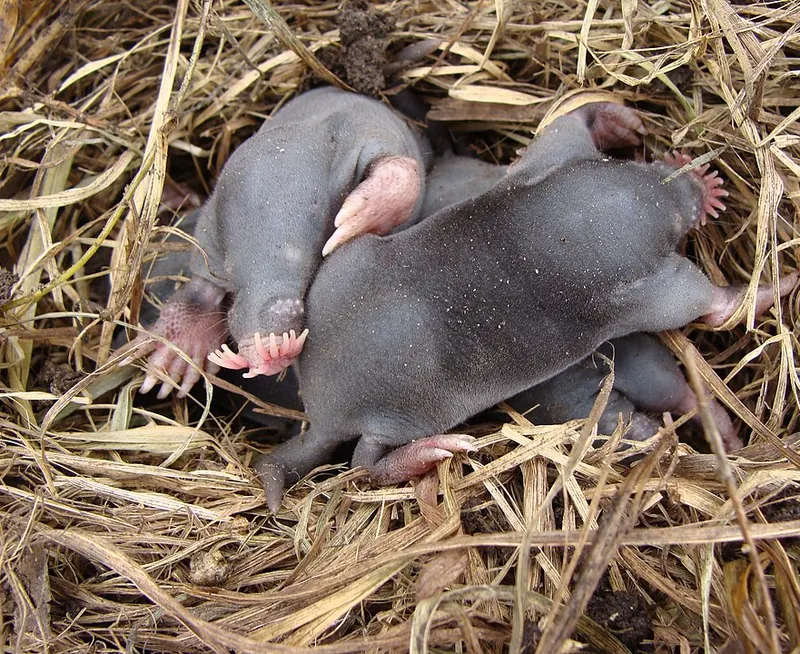
A report in Nature calls this mole the fastest-eating mammal.
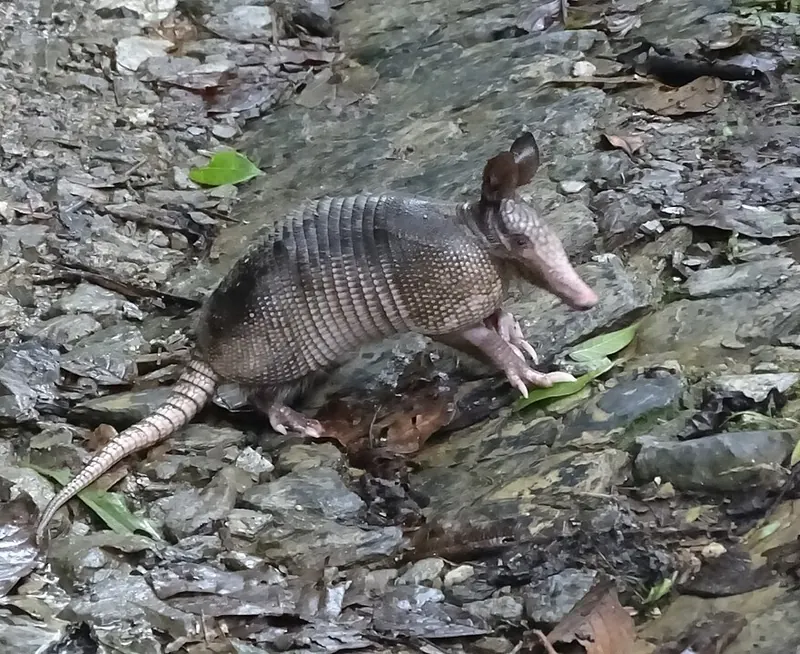
When frightened, it can jump 91 to 120 cm straight up, and that makes it a danger on roads.
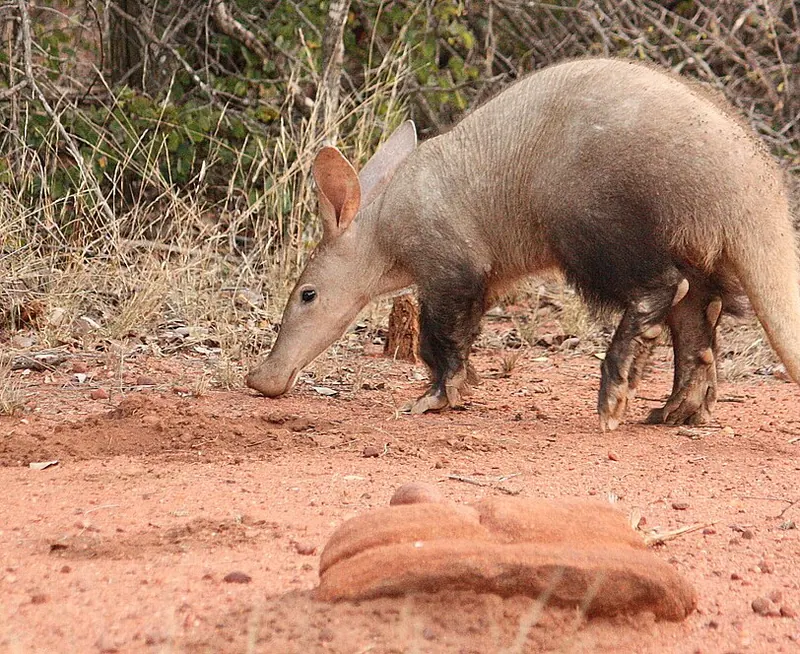
When pressed, it can dig extremely quickly.
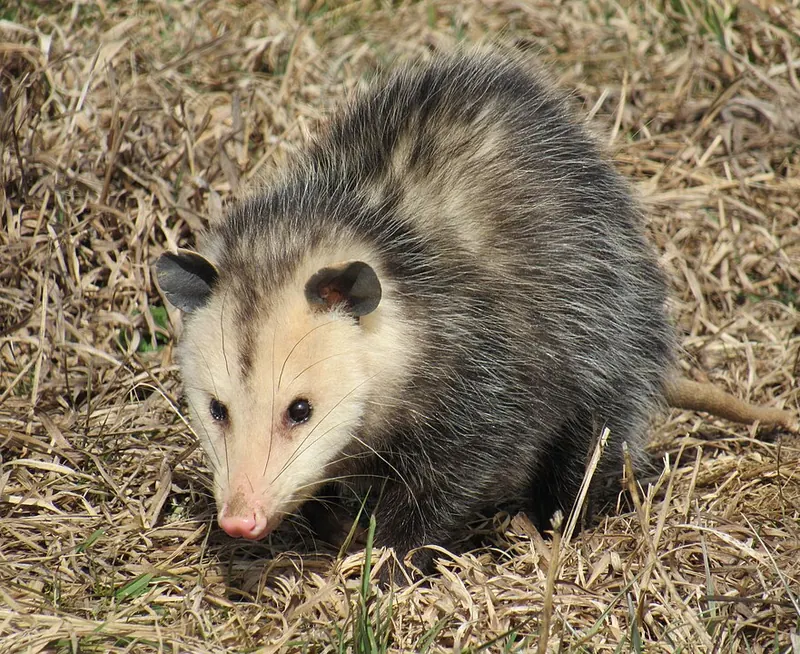
The northernmost marsupial in the world, reaching from Costa Rica up into southern Canada.
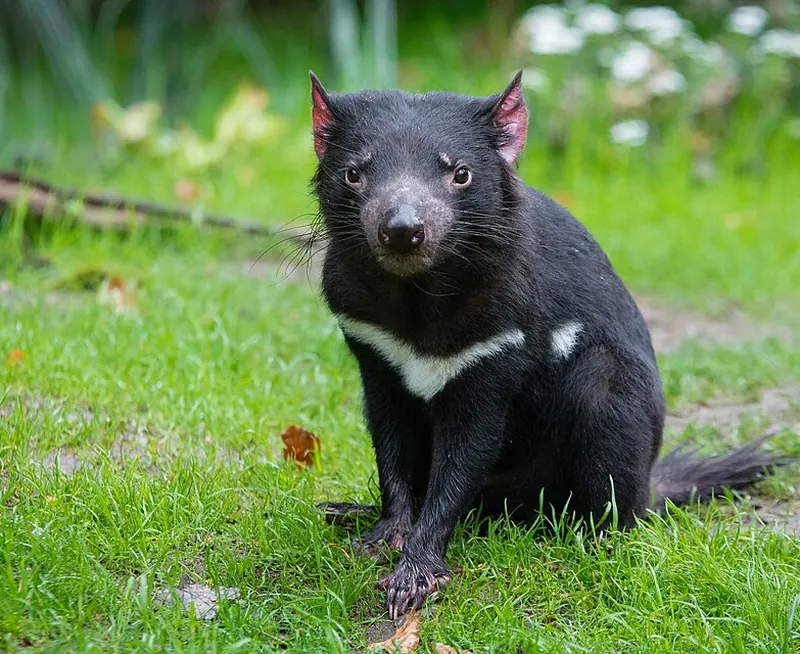
For its size, it has among the strongest bites of any living predatory land mammal.
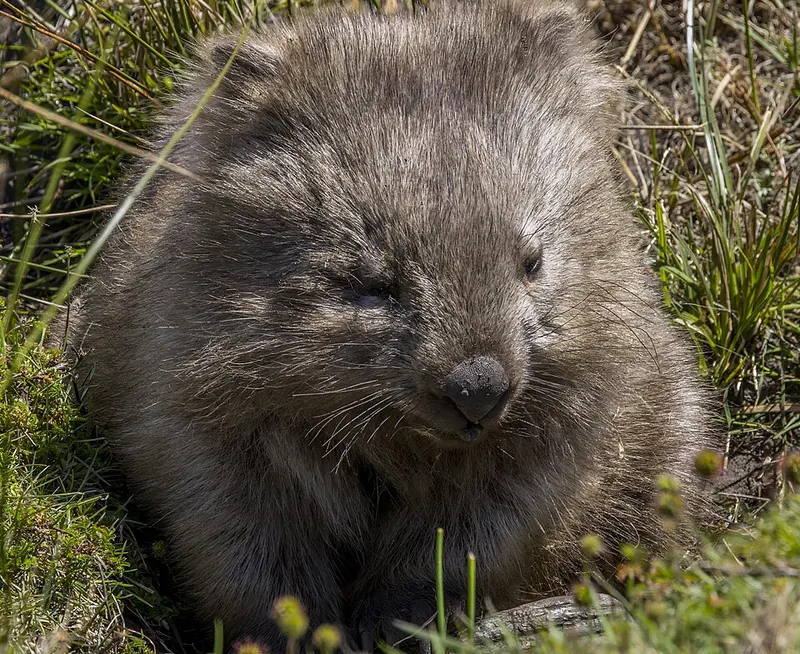
Its teeth never stop growing, a trait no other marsupial shares.
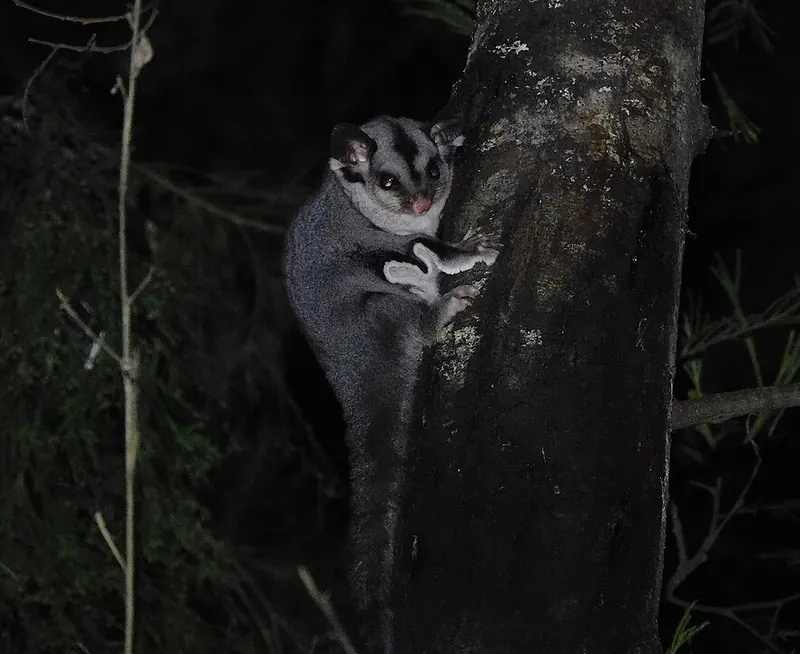
It may get up to half its daily water from drinking rainwater.
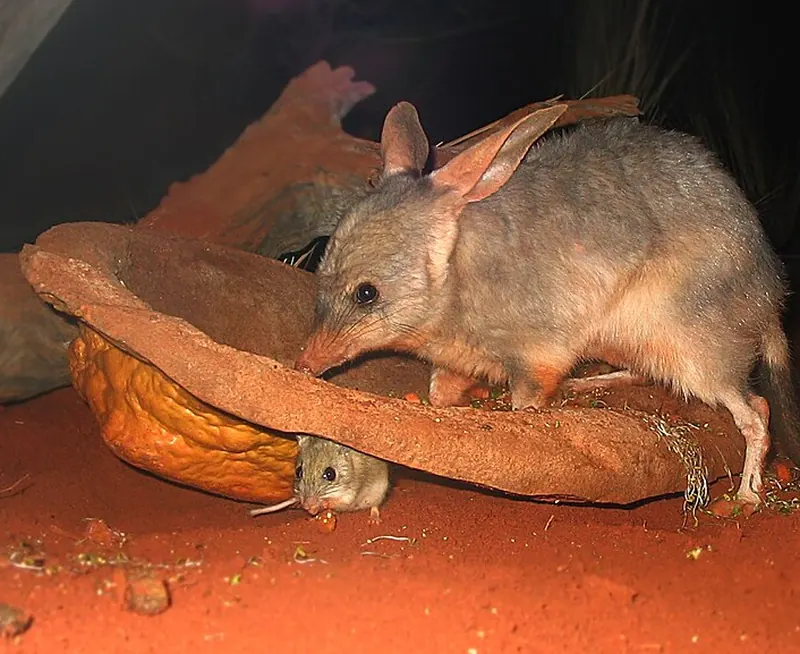
A bilby is pregnant for only 12 to 14 days, one of the shortest pregnancies among mammals.
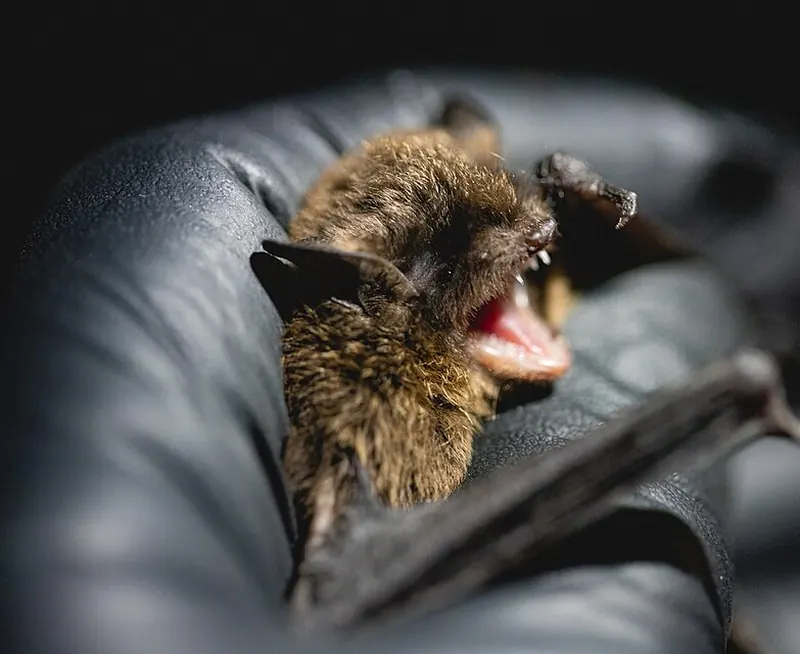
Its name misleads: it is not a close relative of the big brown bat.
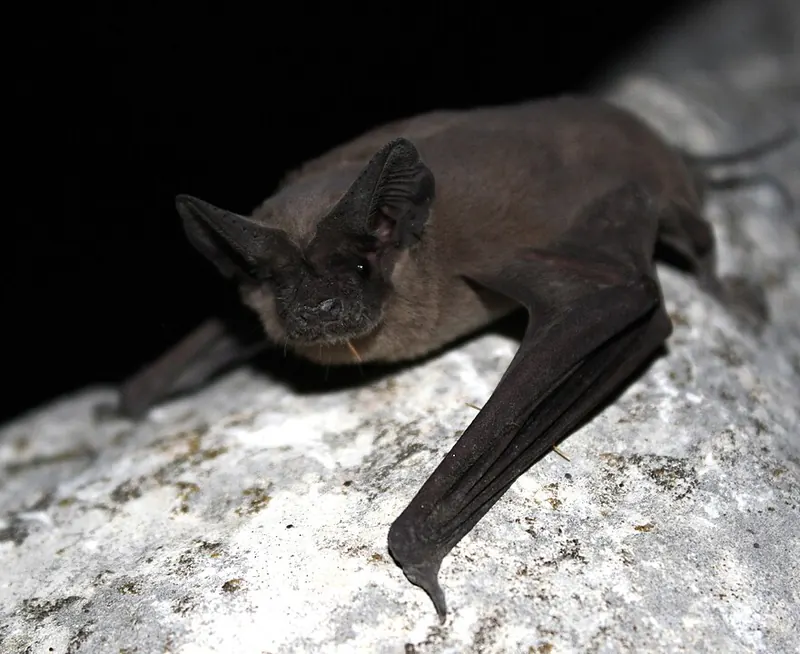
Claims put it at the top of the animal speed table, in level flight.
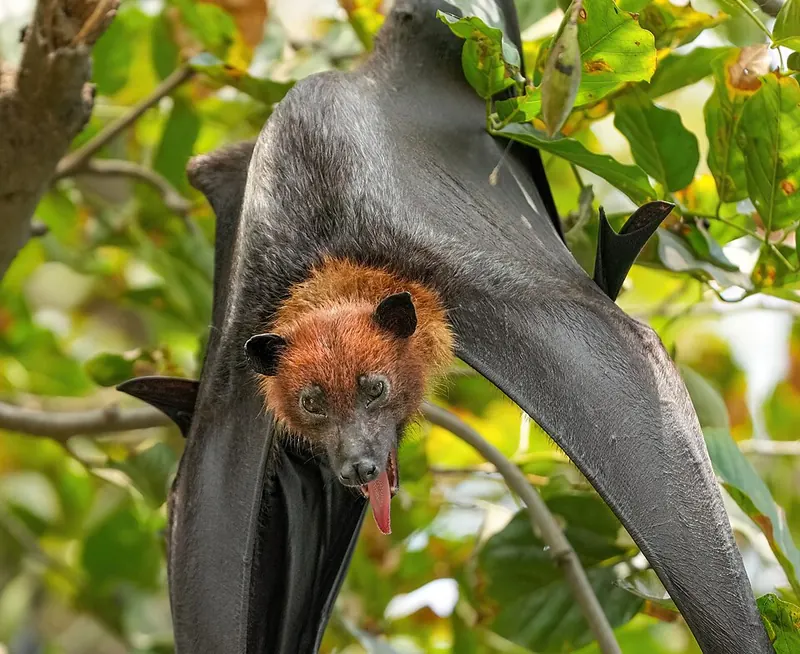
India's largest bat, one of the biggest in the world, can weigh 1.6 kg.
Every photograph and every outline comes from a real, openly licensed image, credited at the bottom of its card. Only plain charts are drawn.
The words on these cards are written by AI from the sources named on each card. Software matched every number and claim to a sentence in those sources. Mistakes are still possible, so follow a card's links before relying on it.
Globe dots are real recorded sightings from GBIF. Where a card says native range only, they are clipped to that range. Otherwise they can include zoos, gardens and places the species was introduced.