Aves › Accipitriformes › Accipitridae
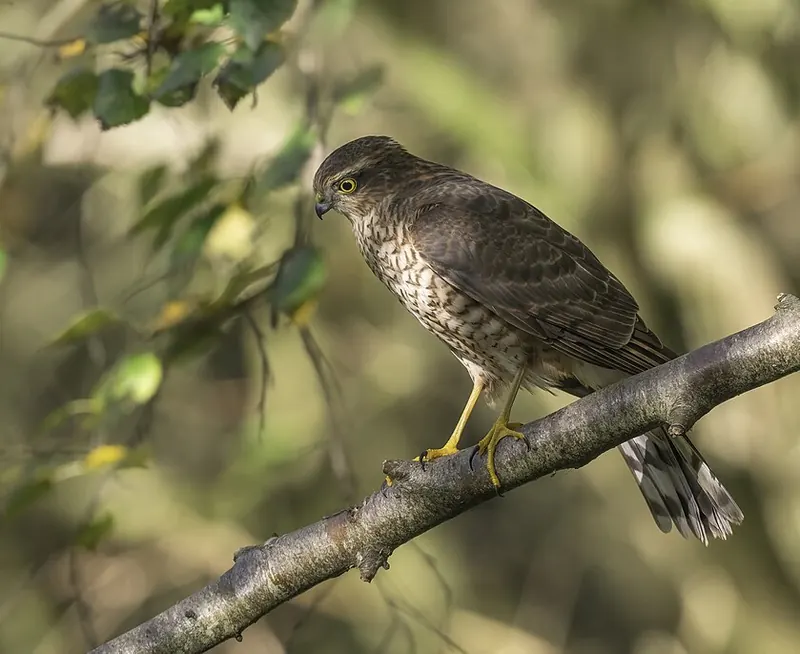
Eurasian sparrowhawk
Up to 25% larger
A female can be up to a quarter bigger than the male, one of the widest size gaps of any bird.
Field Guide · Chapter 9 of 29
Swipe across, tap a card to turn it over, then scroll down its back. Try Look closer on a front, spin a globe, and lift the question on a park sign.
A female can be up to a quarter bigger than the male, one of the widest size gaps of any bird.
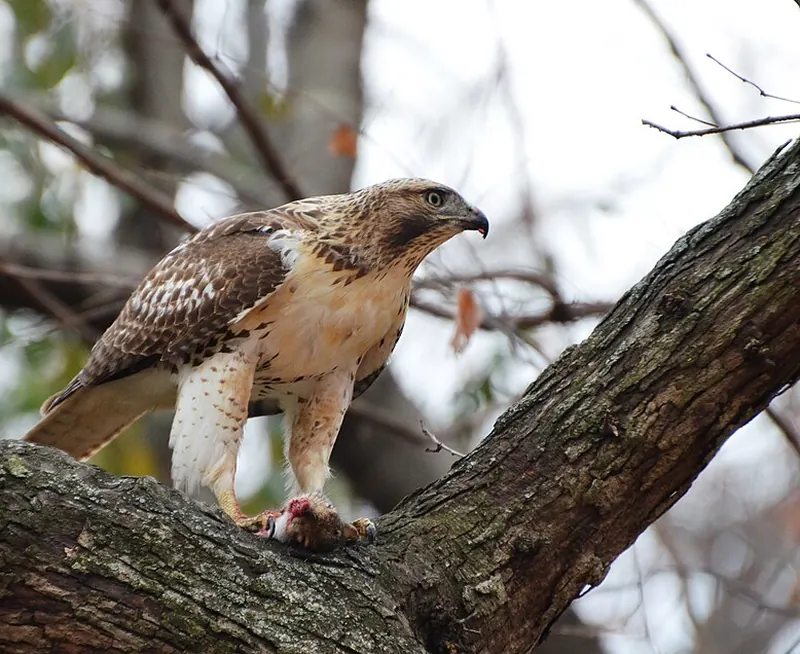
Pairs stay together for life, and a hawk takes a new mate only when its first one dies.
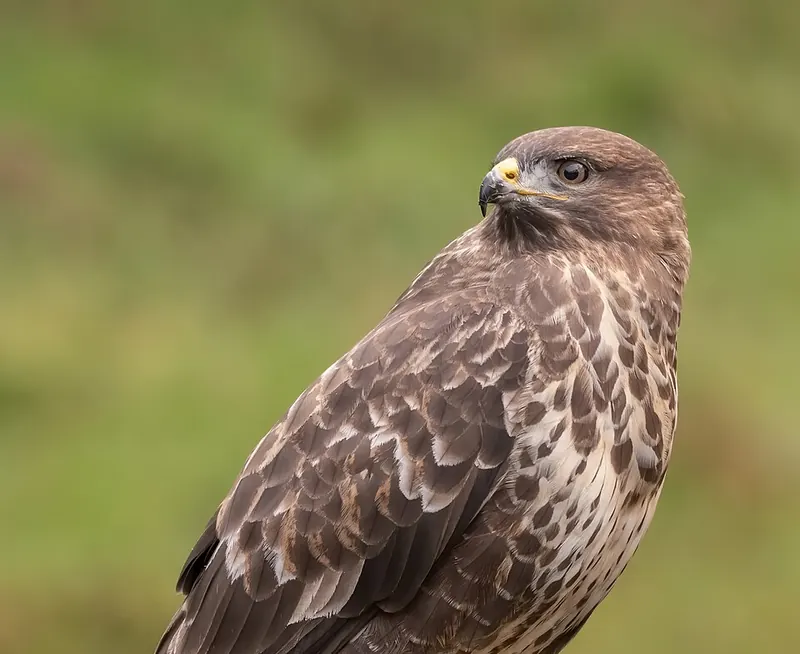
Almost certainly the most numerous daytime bird of prey in Europe.
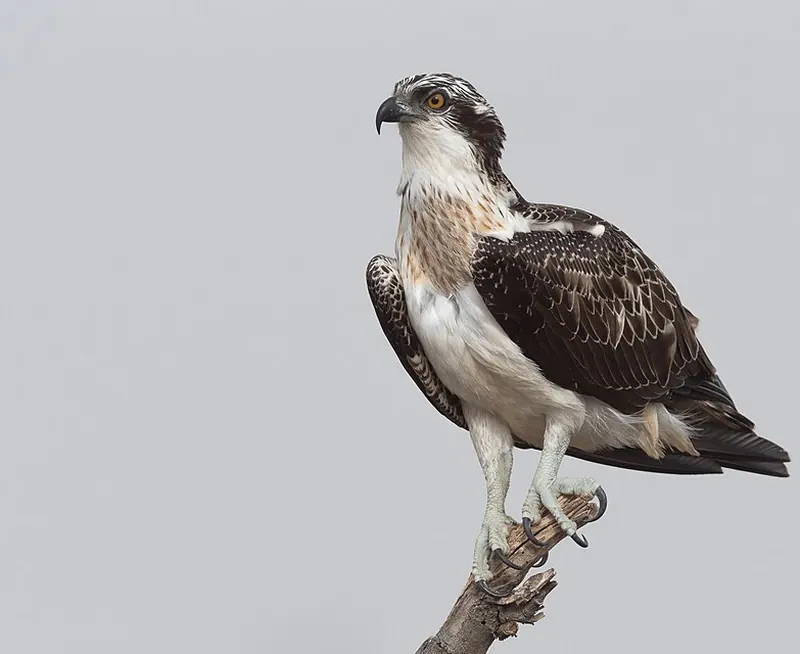
It hunts by hovering, then plunging feet first into the water for fish.
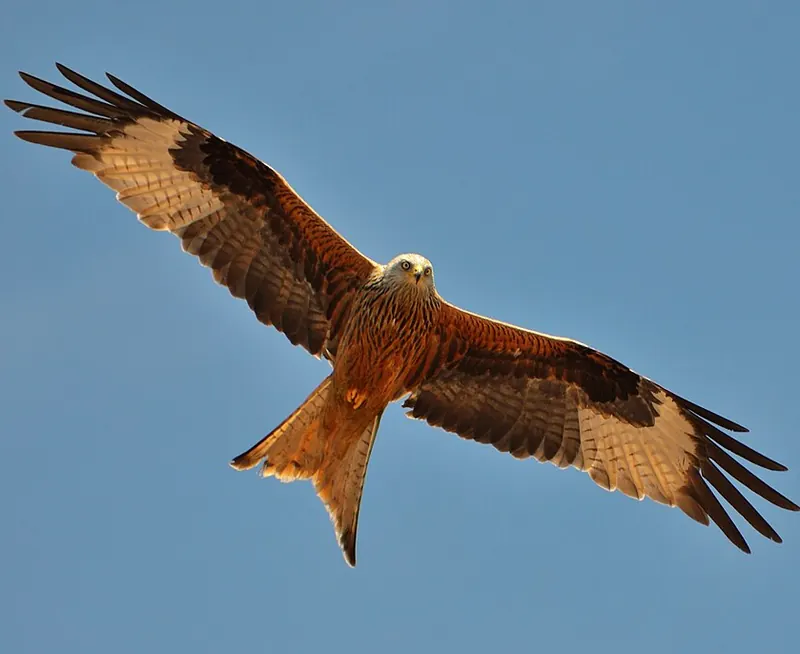
About 1% of Welsh hatchlings are a rare white form, and that whiteness is a disadvantage.
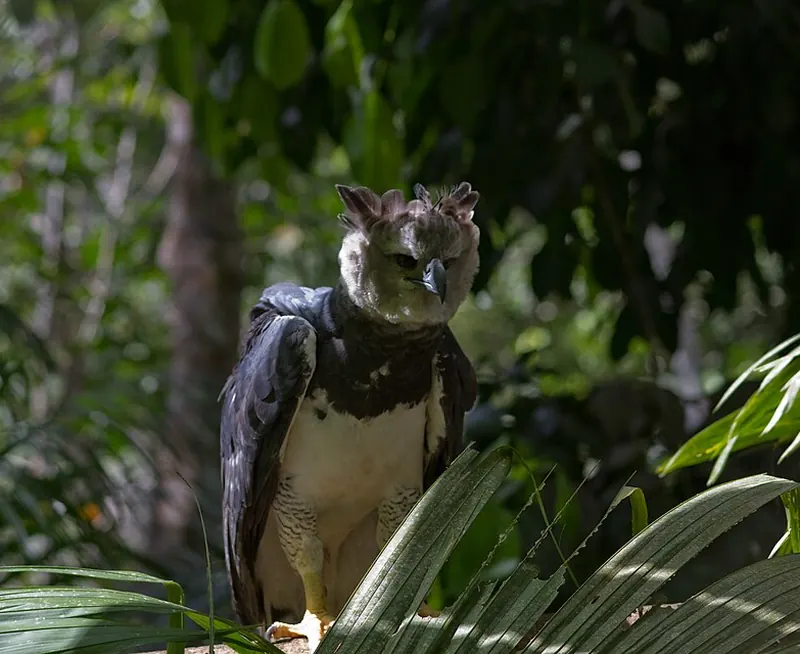
It has the largest talons of any living eagle.
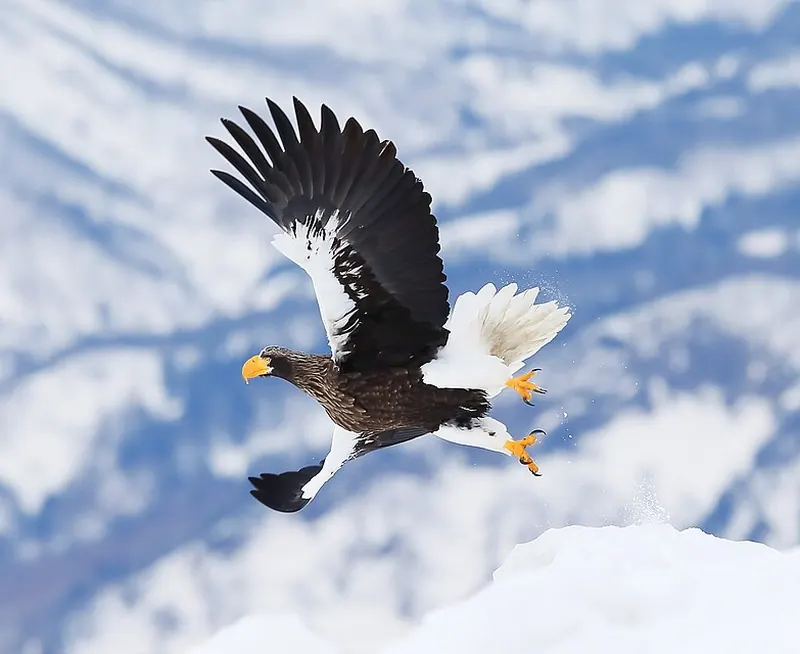
It is typically the heaviest eagle in the world.
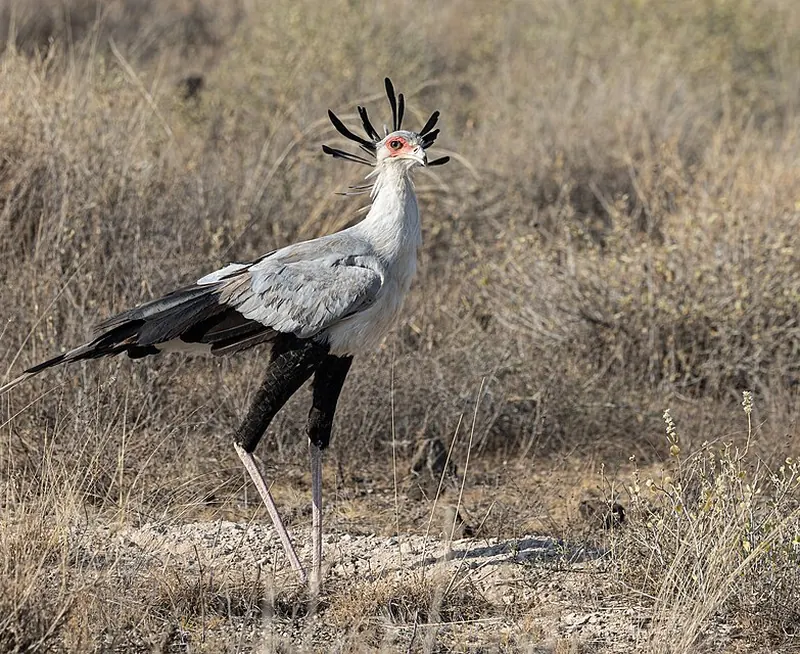
Unlike most birds of prey, it is largely terrestrial and hunts on foot.
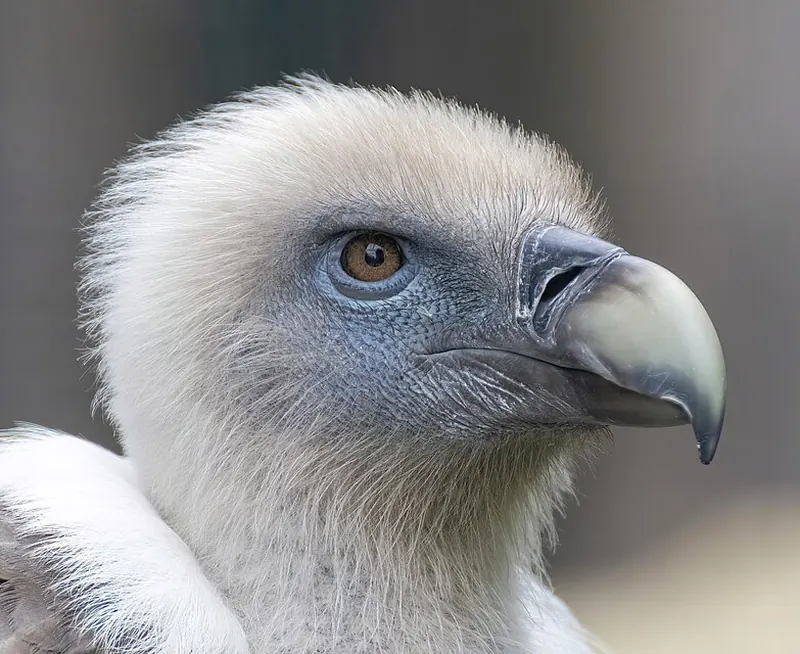
Germany lost this vulture in the mid-18th century.
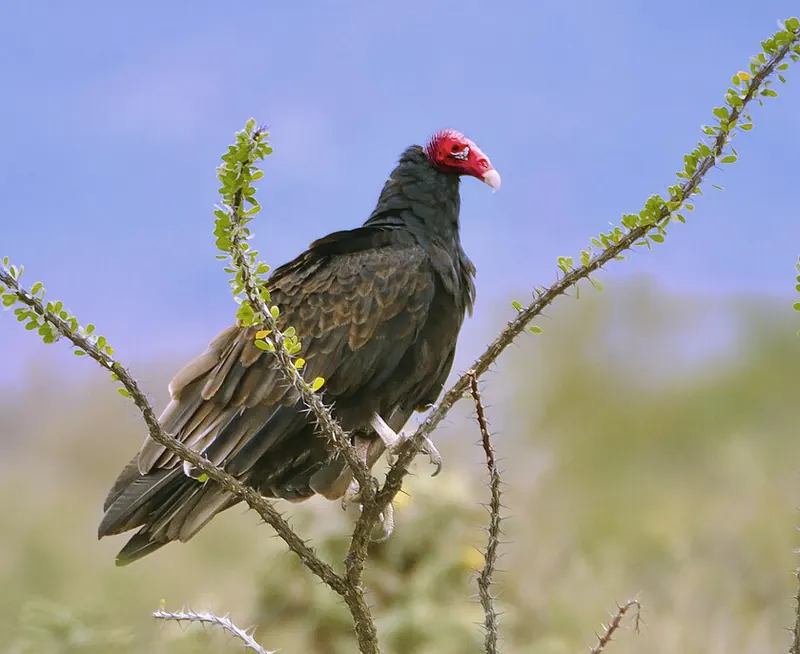
It has no real voice: its only calls are grunts and low hisses.
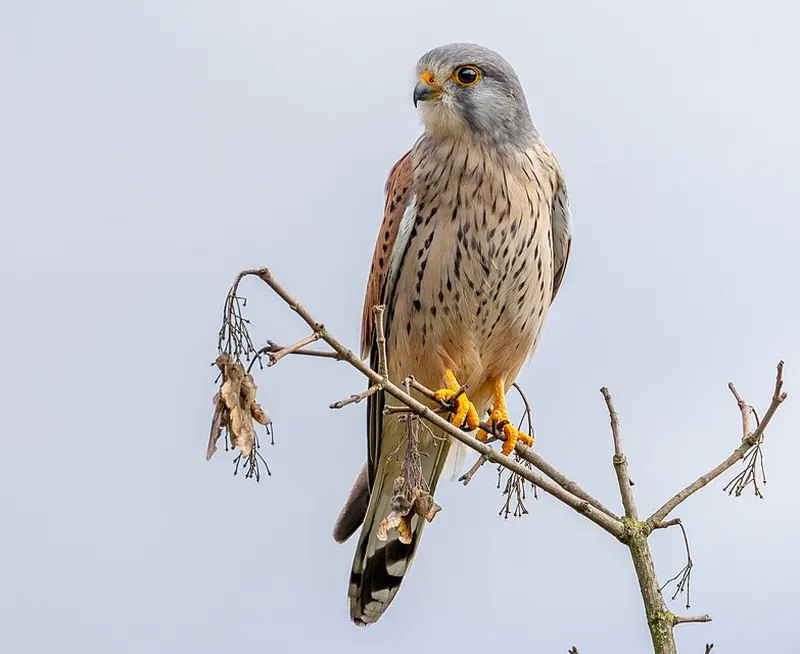
The kestrel hangs in mid-air, searching the ground below for prey.
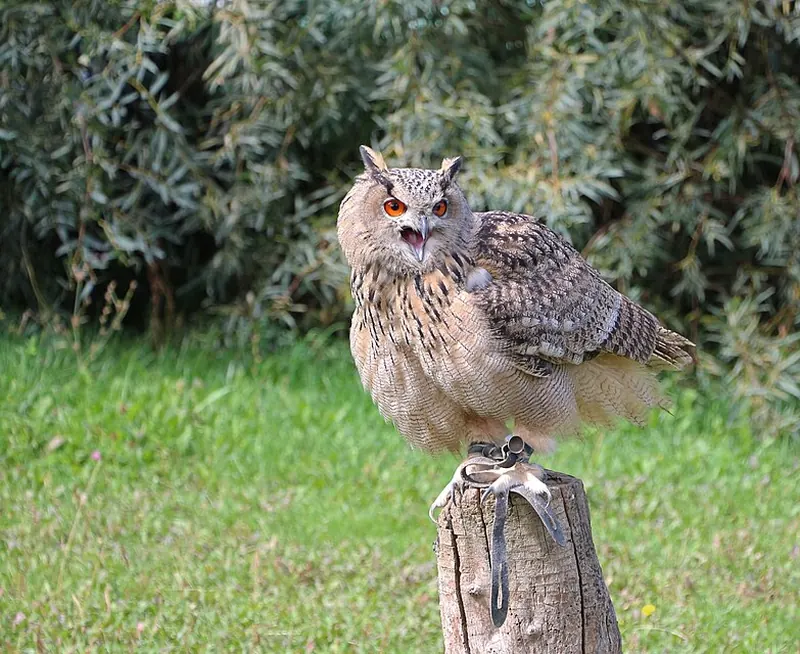
One of the largest owl species there is.
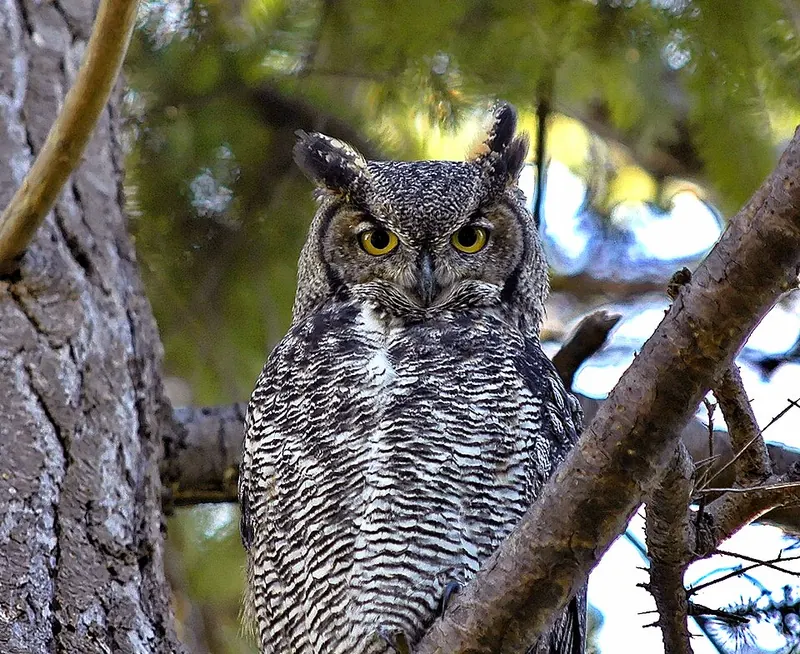
It eats more kinds of prey than any other raptor in the Americas.
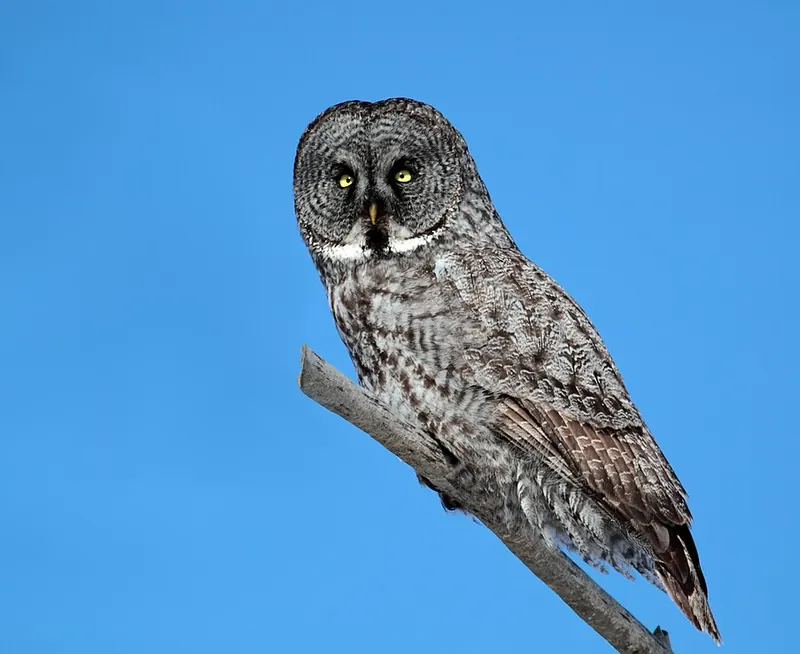
It has the largest facial disc of any raptor, and no ear tufts at all.
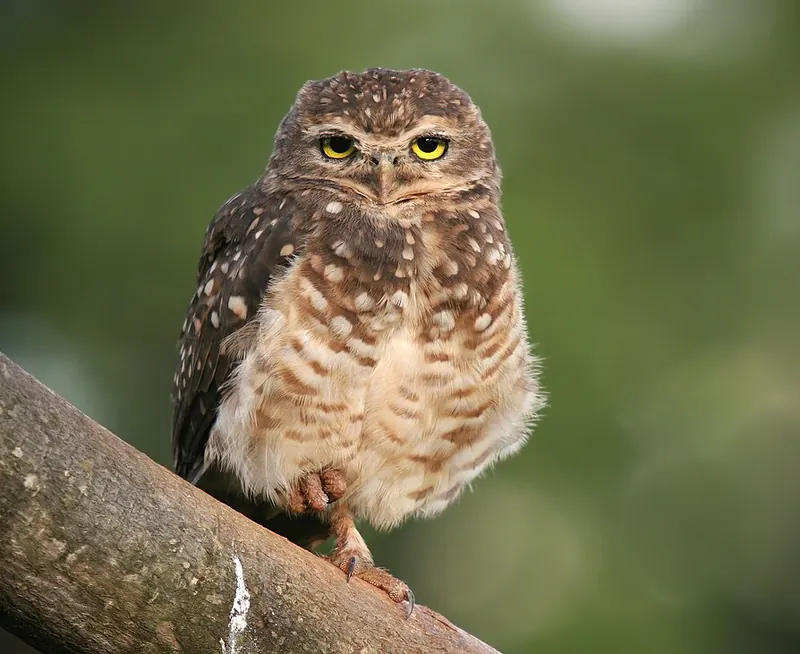
When threatened it retreats into its burrow and makes rattling and hissing sounds like a rattlesnake.
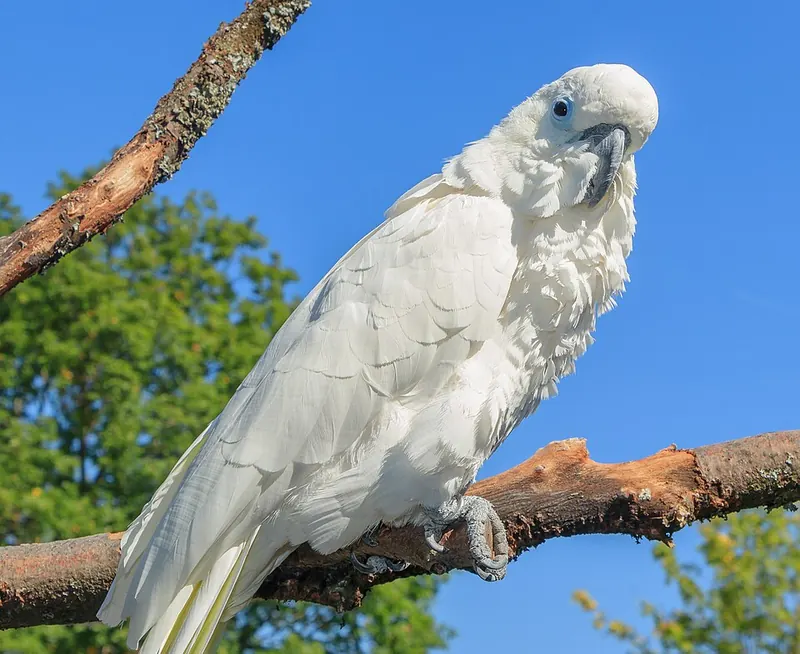
In Sydney they learned to open garbage bins, and the trick spreads by imitation.
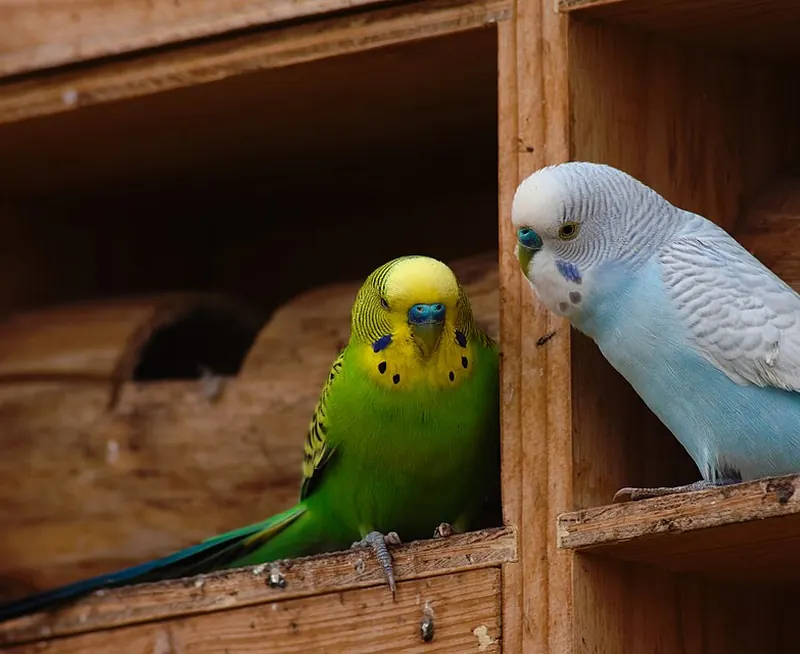
Budgerigars have survived harsh inland conditions in Australia for over five million years.
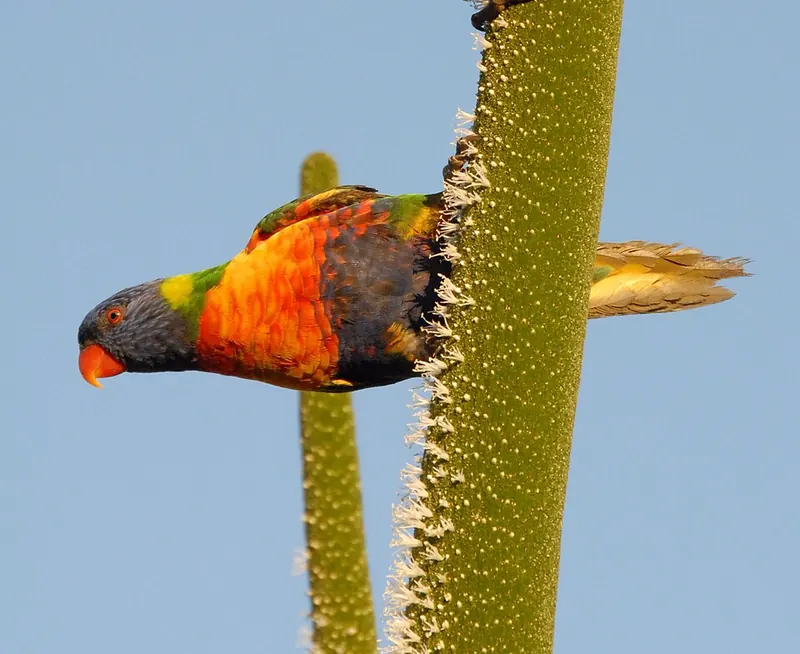
Males and females look identical, so sex is found by surgery or by DNA from a feather.
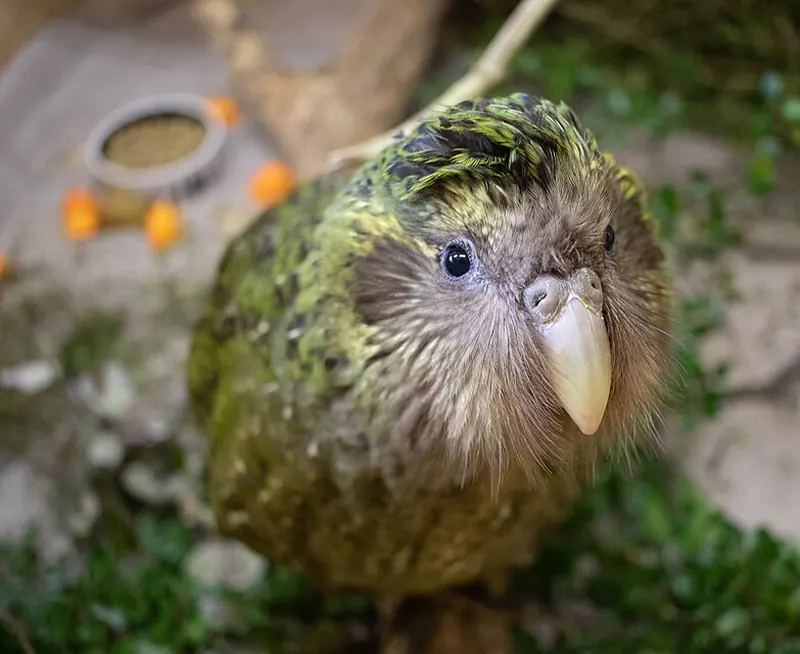
The world's heaviest parrot is also the only one that cannot fly.
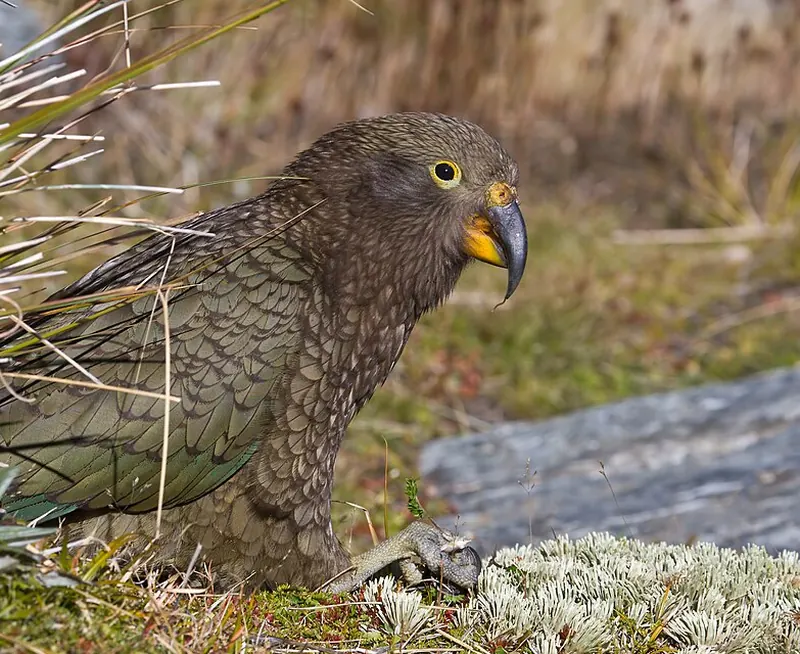
One of the few parrots that regularly spends time above the tree line.
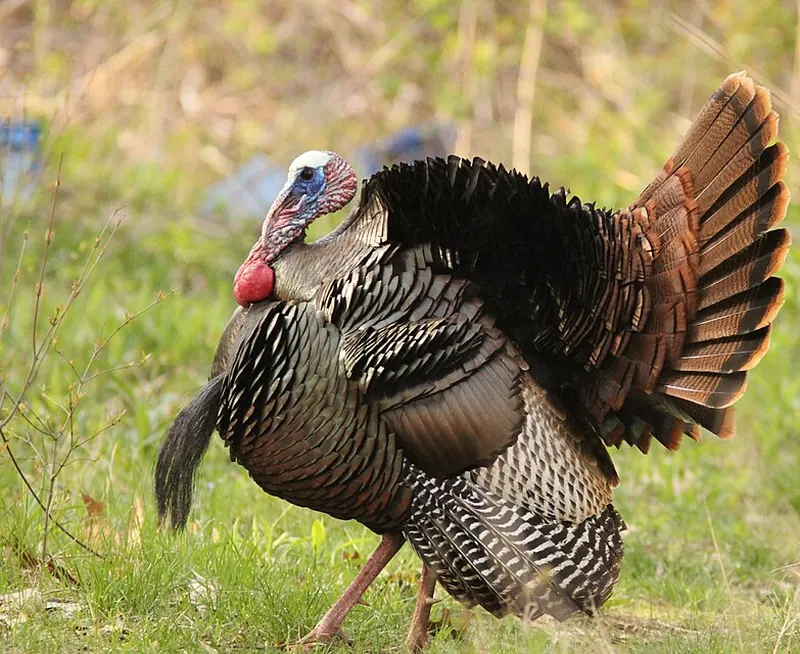
Its weight puts it near the top of all flying birds on Earth.
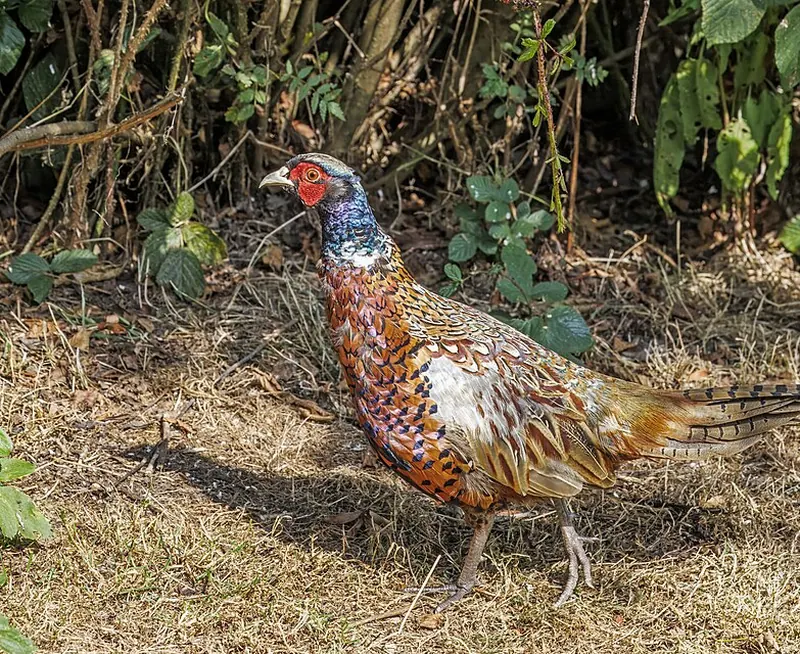
In the UK, about 50 million captive pheasants are released each summer.
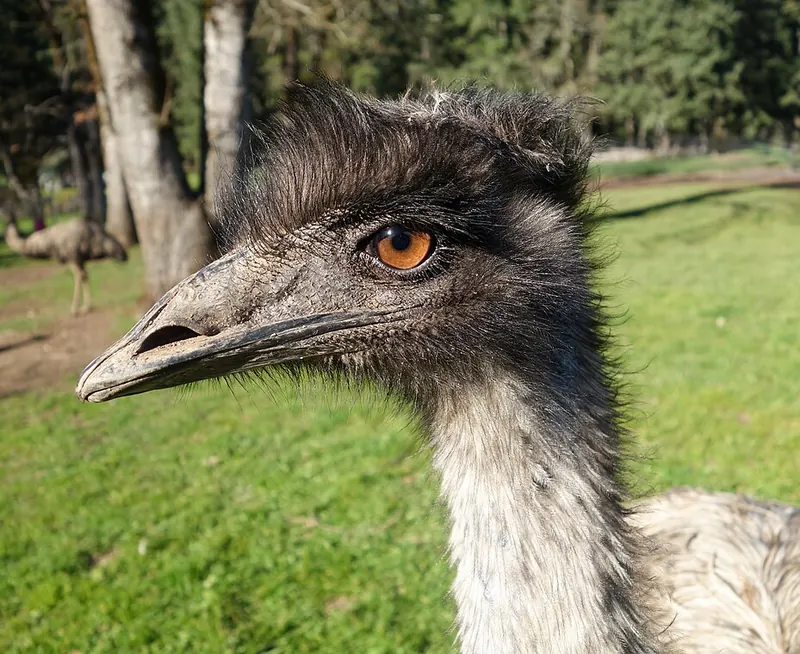
Emus are the only bird with calf muscles, which makes them good at sprinting.
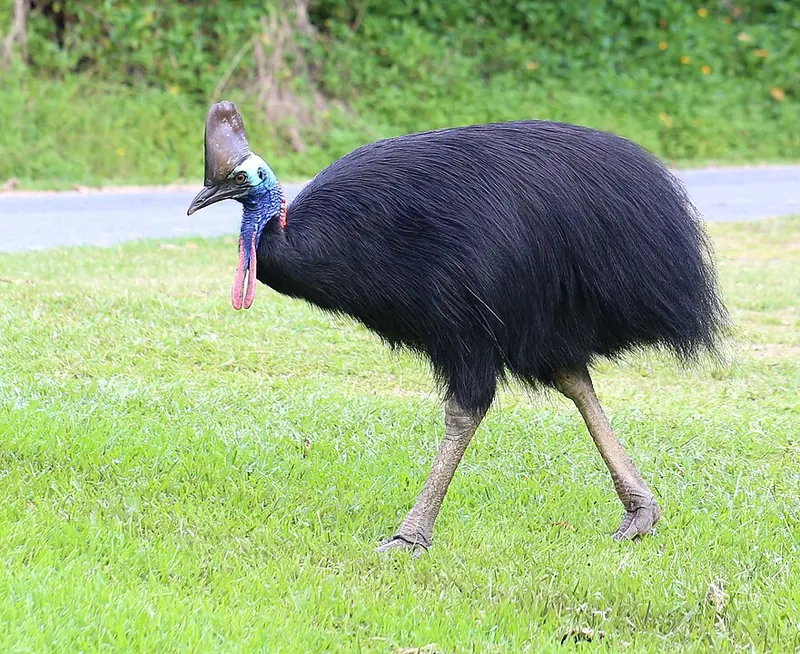
Startled, it can barrel through forest at a pace near 50 kilometers an hour.
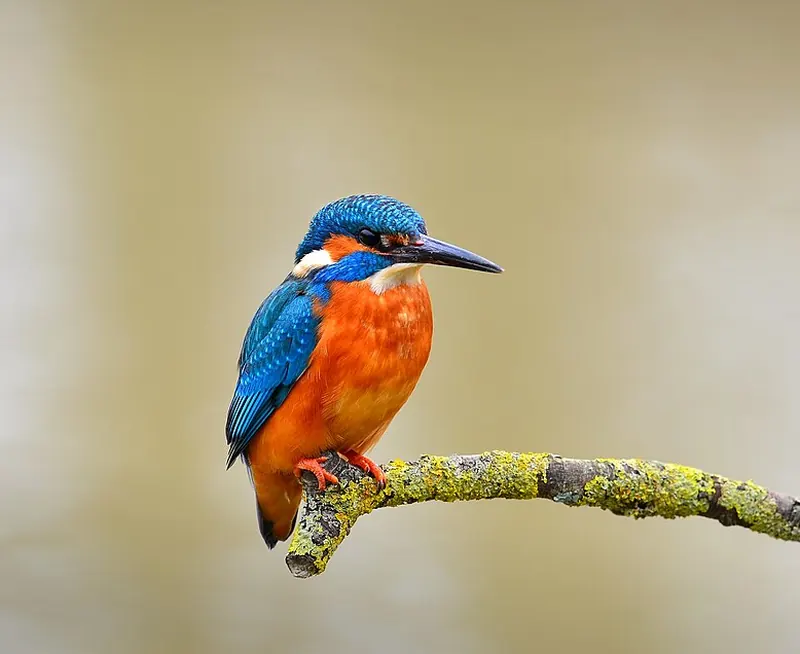
Daily food makes up around 60% of its weight, so it defends a stretch of river.
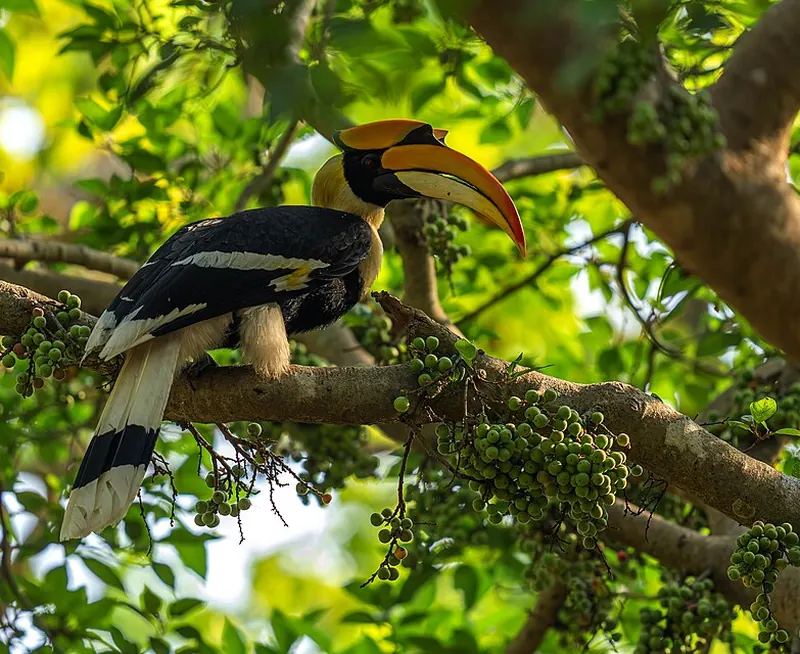
The mother stays shut in until the chicks are half developed, with her mate bringing her food.
Every photograph and every outline comes from a real, openly licensed image, credited at the bottom of its card. Only plain charts are drawn.
The words on these cards are written by AI from the sources named on each card. Software matched every number and claim to a sentence in those sources. Mistakes are still possible, so follow a card's links before relying on it.
Globe dots are real recorded sightings from GBIF. Where a card says native range only, they are clipped to that range. Otherwise they can include zoos, gardens and places the species was introduced.