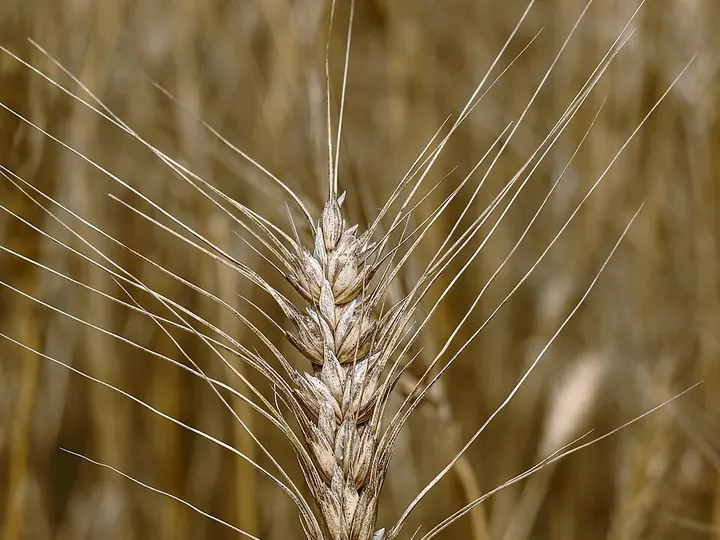
Bread wheat
Triticum aestivumLiliopsida › Poales › Poaceae
95% of world wheatIts origin was a cross between a domesticated wheat and a wild goatgrass.
Field Guide · Chapter 26 of 29
Swipe across, tap a card to turn it over, then scroll down its back. Try Look closer on a front, spin a globe, and lift the question on a park sign.
Its origin was a cross between a domesticated wheat and a wild goatgrass.
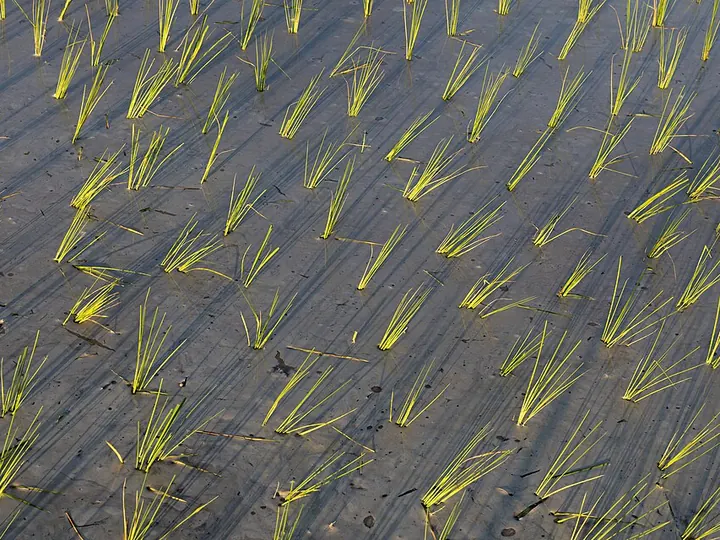
People in the Yangtze valley of China began domesticating this grain between 13,500 and 8,200 years ago.
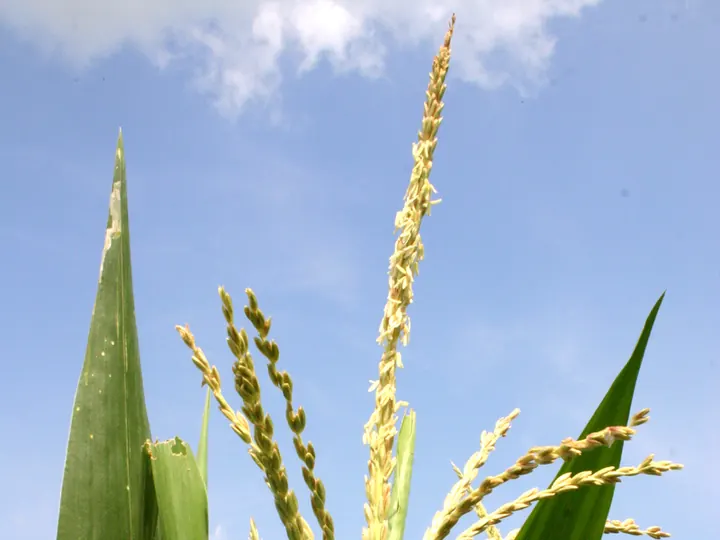
Each year more maize is produced, by weight, than any other grain.
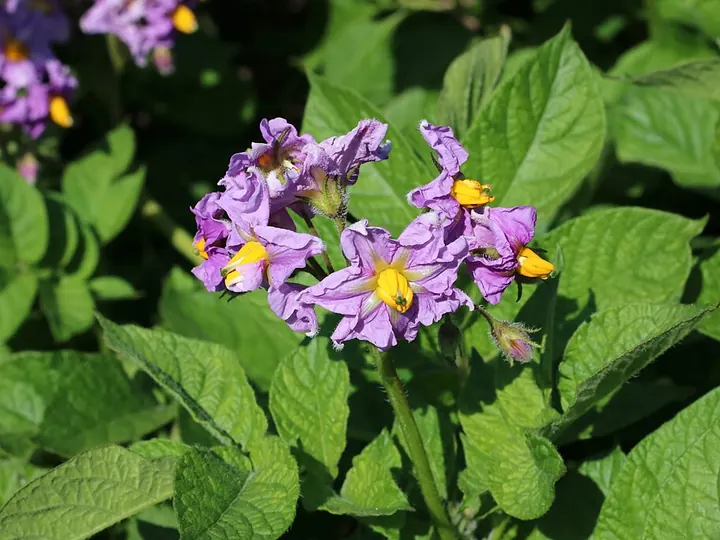
The part you eat is an underground stem, not a root.
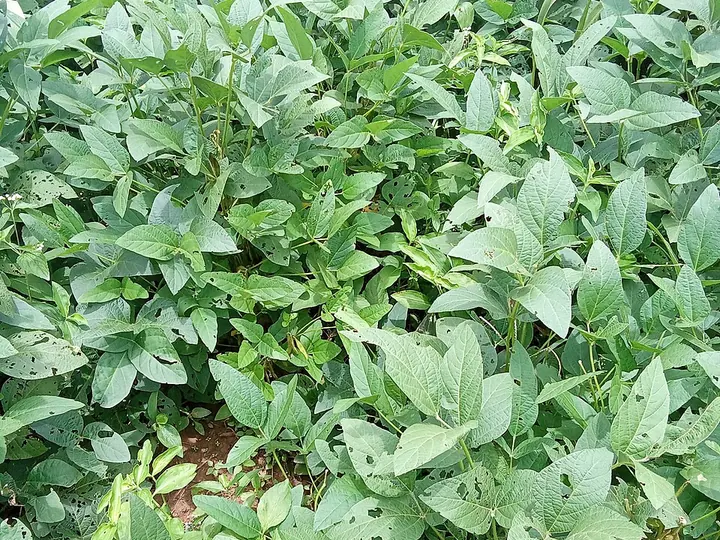
Soy was tamed from a wild plant in north-central China 6,000 to 9,000 years ago.
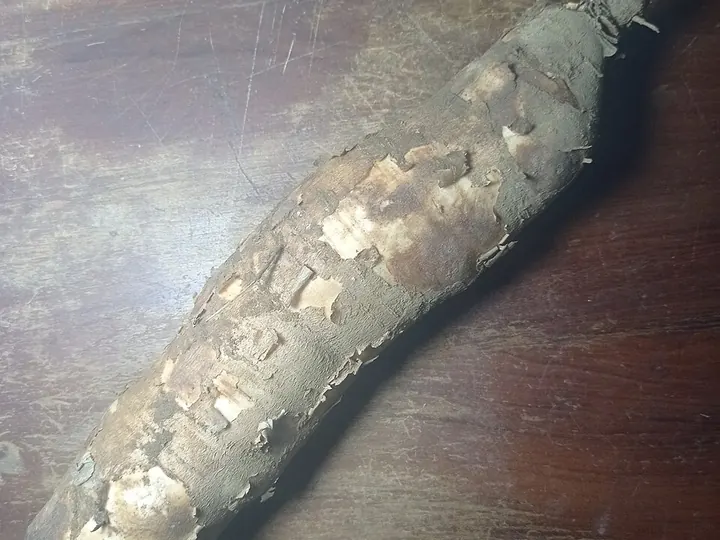
More than 500 million people depend on this root for food.
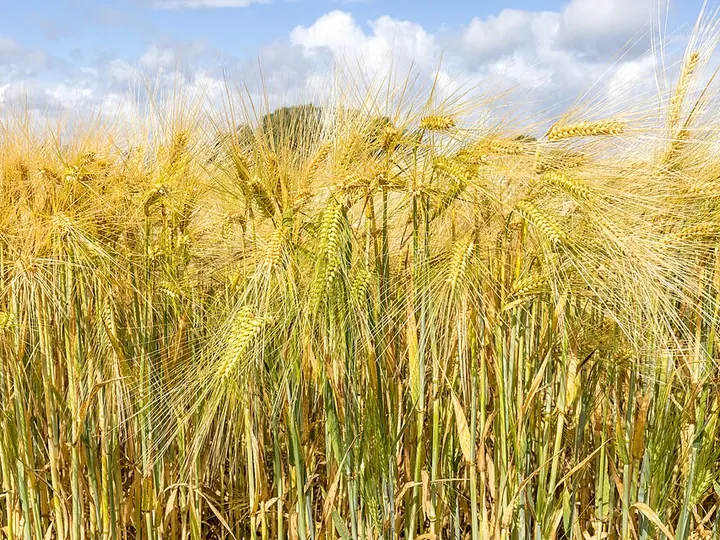
Most barley never becomes bread or beer: 70% of the crop is used as animal feed.
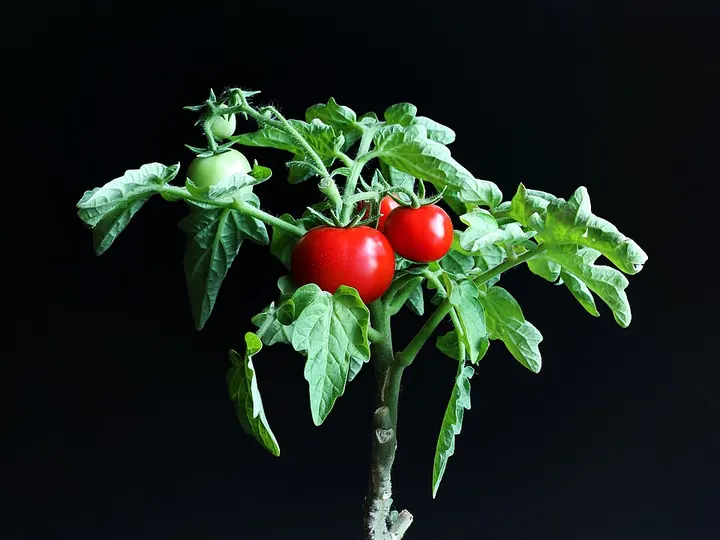
Modern tomatoes lost sugar when breeders made them all ripen red.
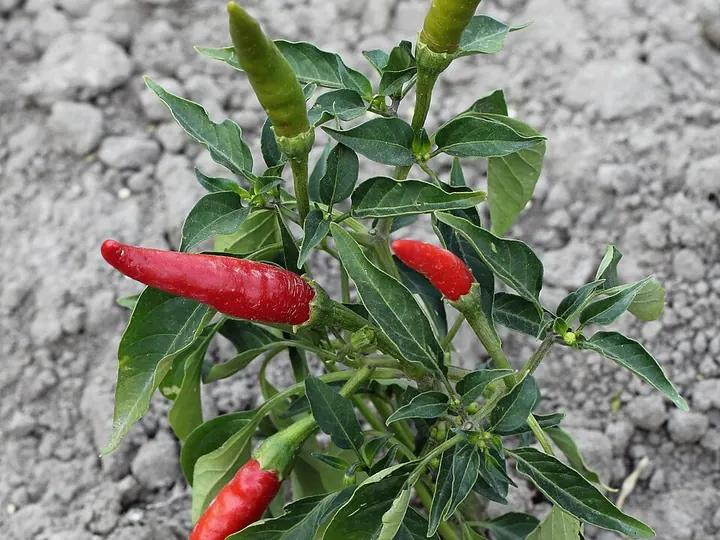
This plant is one of the oldest crops people grow, cultivated for about 6,000 years.
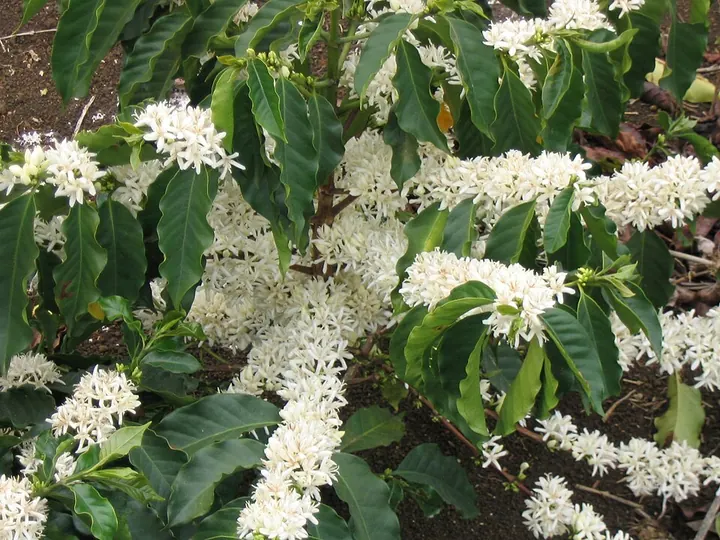
Wild arabica numbers 13.5 to 19.5 billion plants, yet it is still listed as endangered.
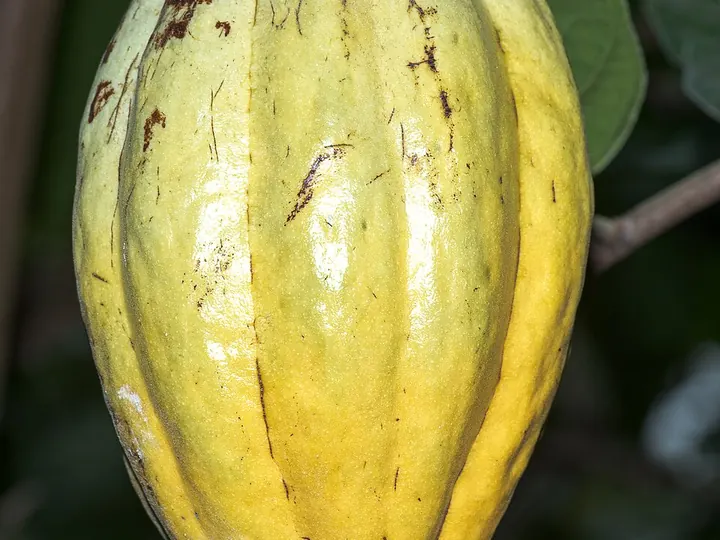
Of a mature tree's 6,000 blossoms, roughly 20 pods survive the year.
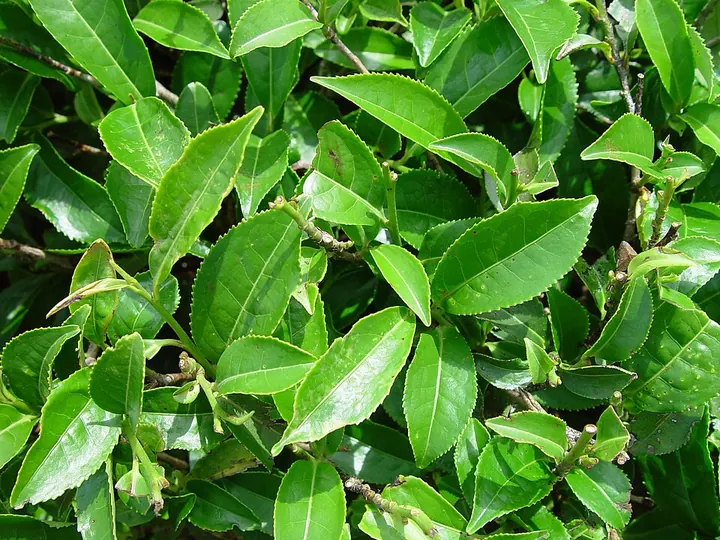
White, green, oolong and black tea all come from one species, processed differently.
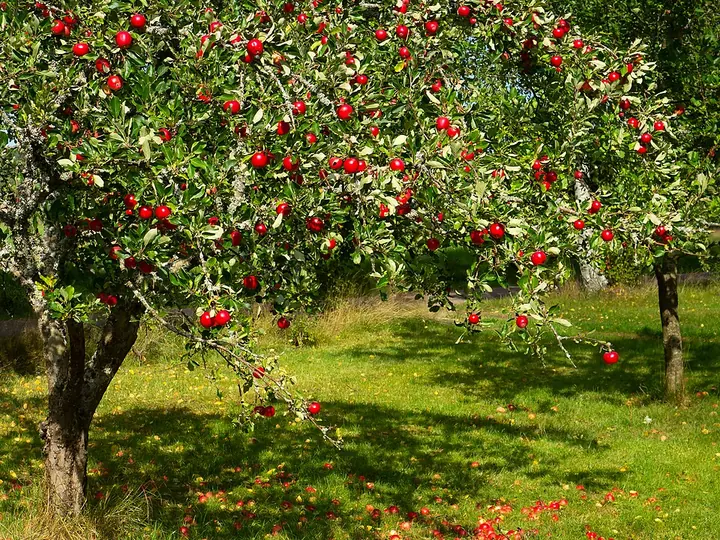
A seed from an apple usually grows into a tree unlike the one it came from.
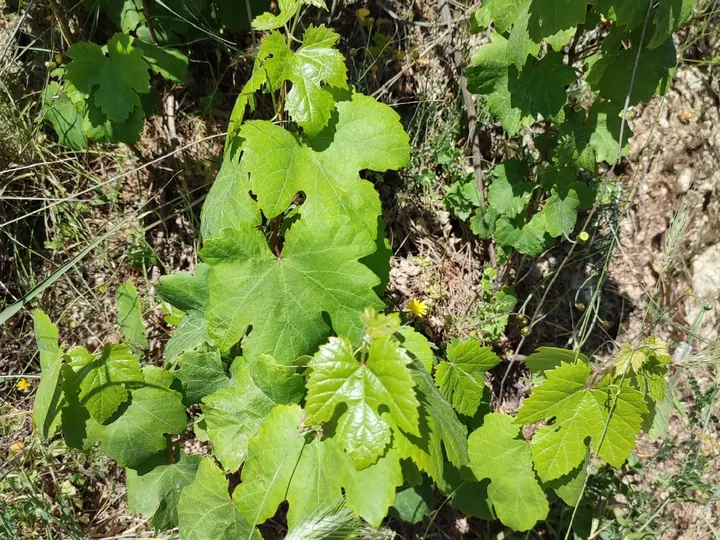
Wine storage jars from northern Iran are about 7,000 years old.
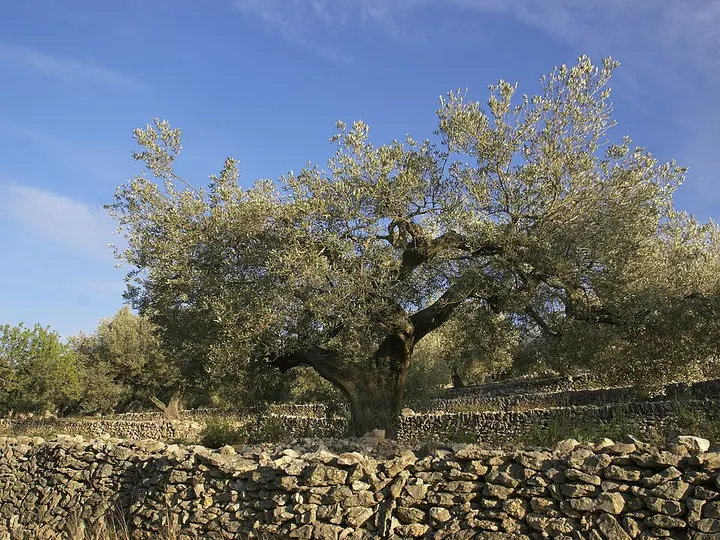
The olive belongs to a species with six natural subspecies, spread across a wide range.
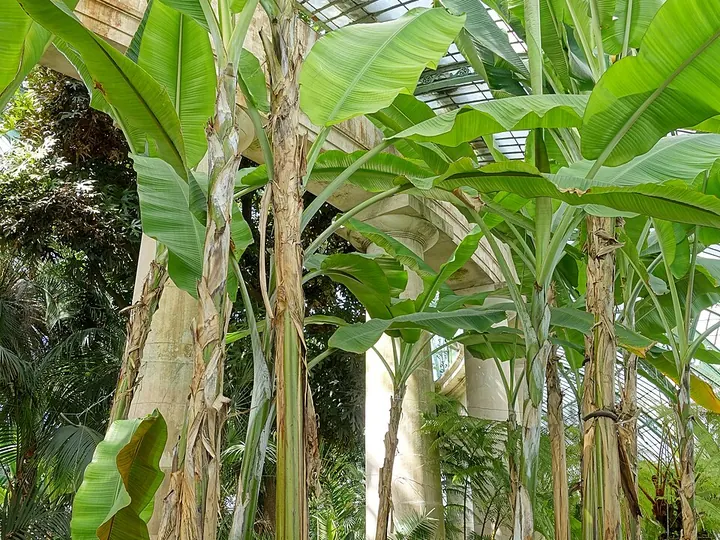
The seeds in the bananas we eat are reduced to tiny black specks.
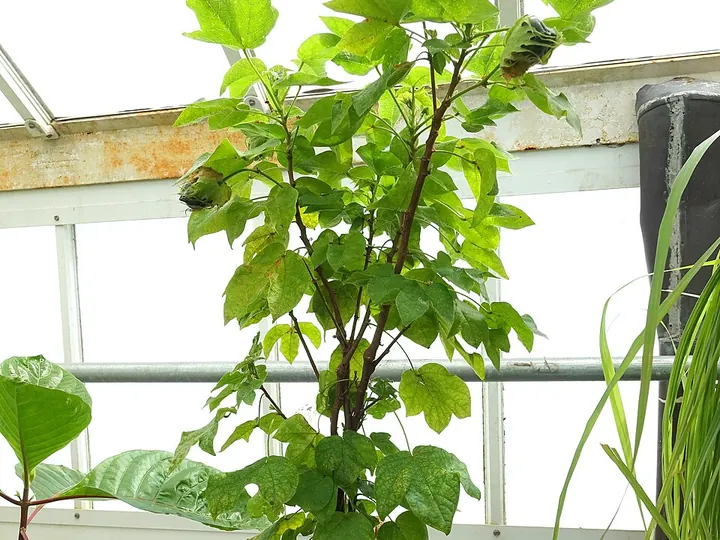
About 90% of the world's cotton comes from this one species of plant.
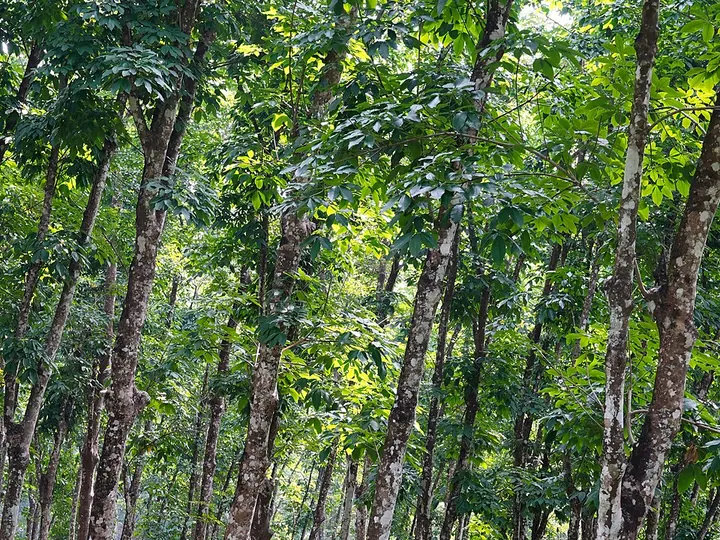
The milky sap from this tree is the main source of natural rubber.
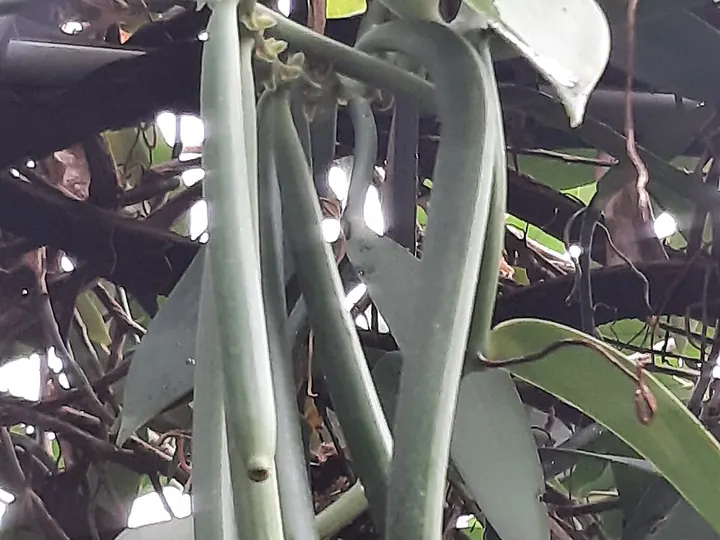
Nearly all the vanilla around the Indian Ocean likely descends from a single introduction.
Every photograph and every outline comes from a real, openly licensed image, credited at the bottom of its card. Only plain charts are drawn.
The words on these cards are written by AI from the sources named on each card. Software matched every number and claim to a sentence in those sources. Mistakes are still possible, so follow a card's links before relying on it.
Globe dots are real recorded sightings from GBIF. Where a card says native range only, they are clipped to that range. Otherwise they can include zoos, gardens and places the species was introduced.