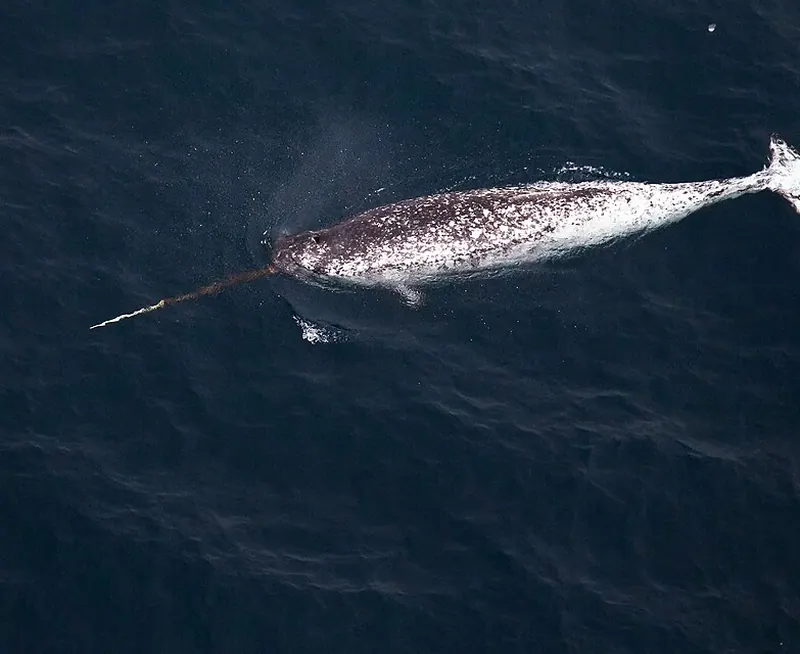
Mammalia › Cetacea › Monodontidae
Narwhal
3.0 to 5.5 m long
The long tusk is really a canine tooth, growing out through the lip.
Field Guide · Chapter 5 of 29
Swipe across, tap a card to turn it over, then scroll down its back. Try Look closer on a front, spin a globe, and lift the question on a park sign.
The long tusk is really a canine tooth, growing out through the lip.
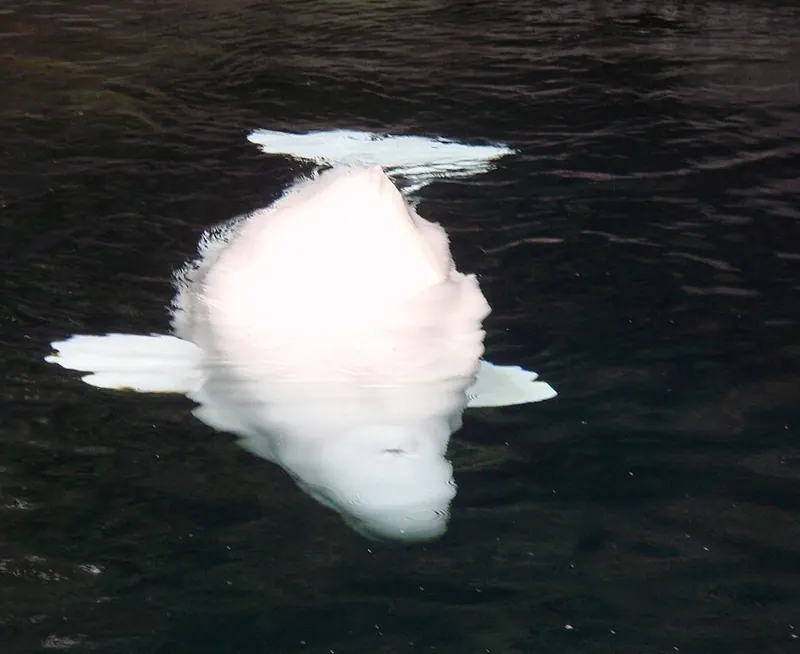
Its neck bones are not fused, so it can nod its head.
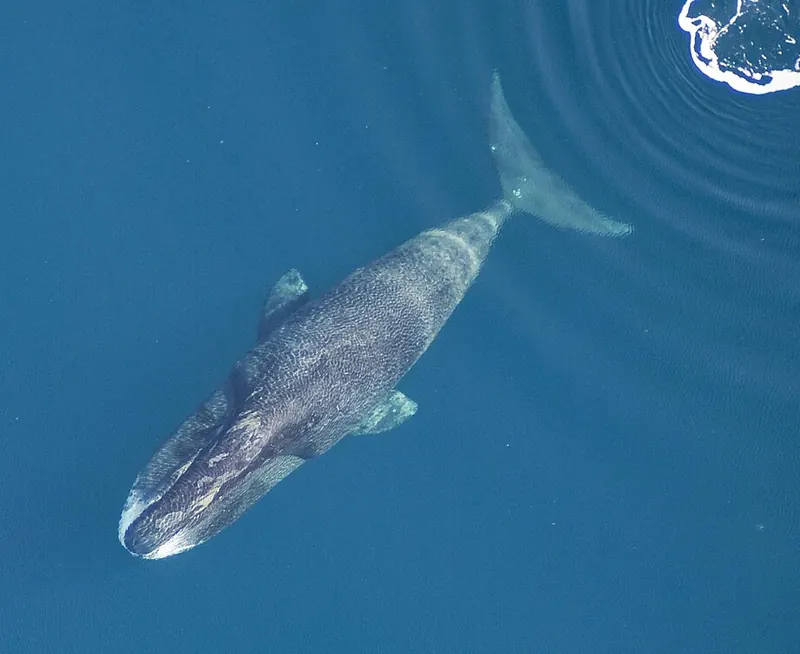
It may be the longest-lived mammal, able to reach more than 200 years.
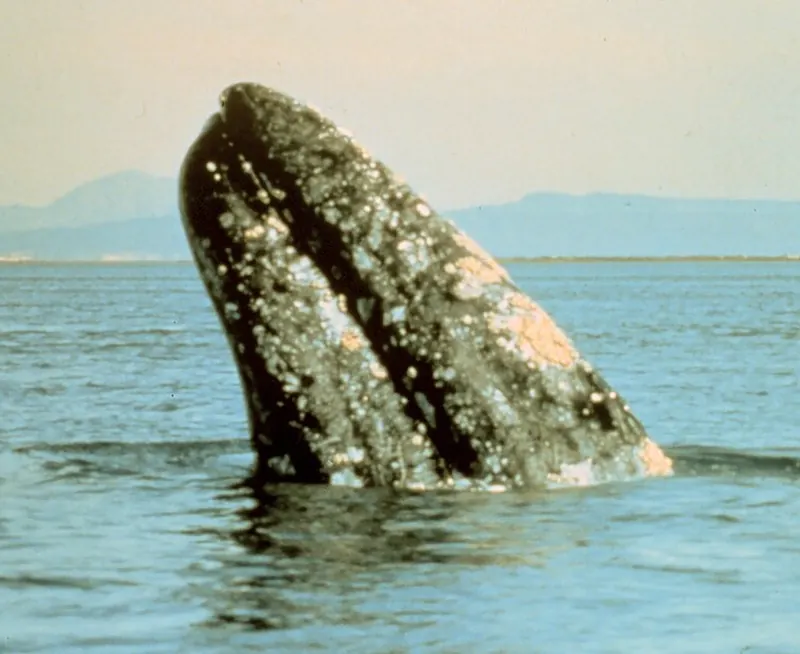
Its mottled gray skin is made of scars left by parasites that dropped off in cold feeding grounds.
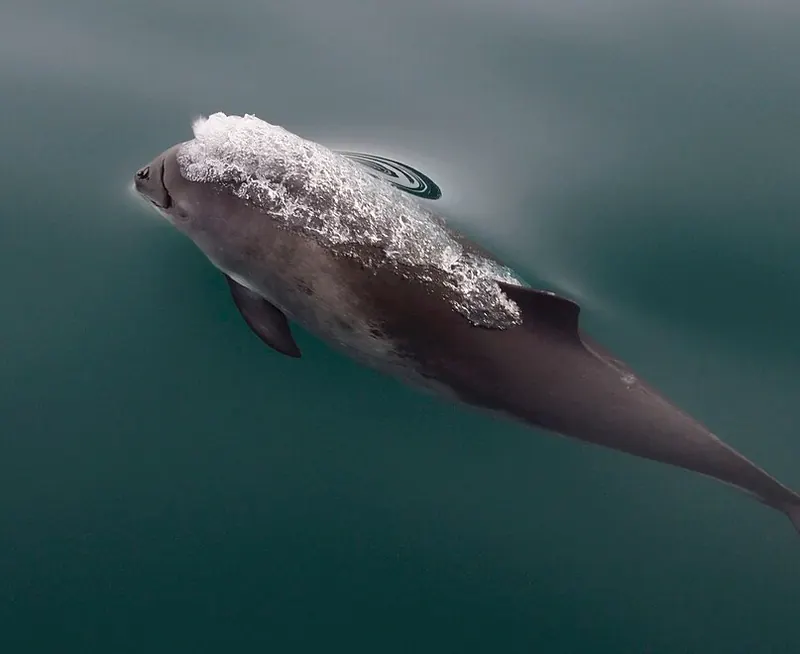
Some turn up hundreds of kilometres inland, far up rivers from the open water.
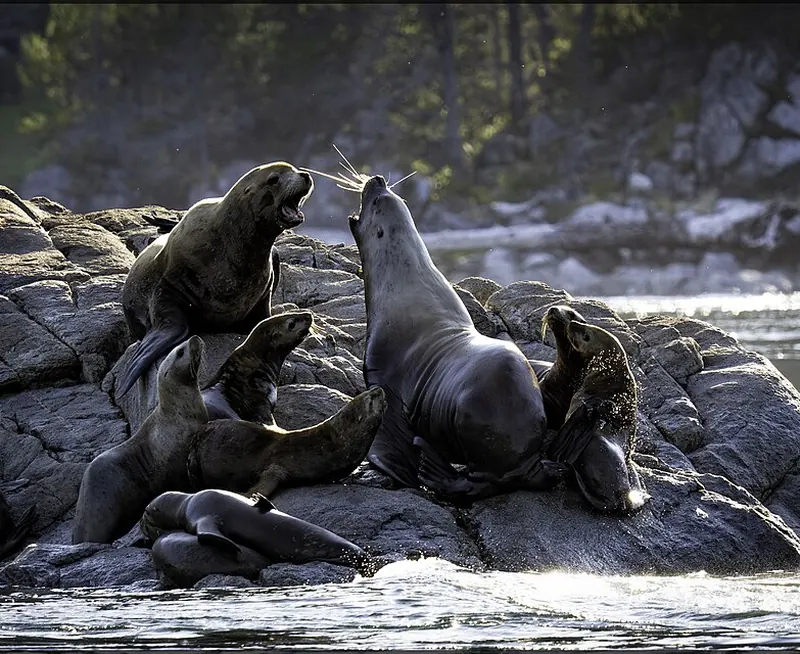
The US Navy trains them for certain military operations.
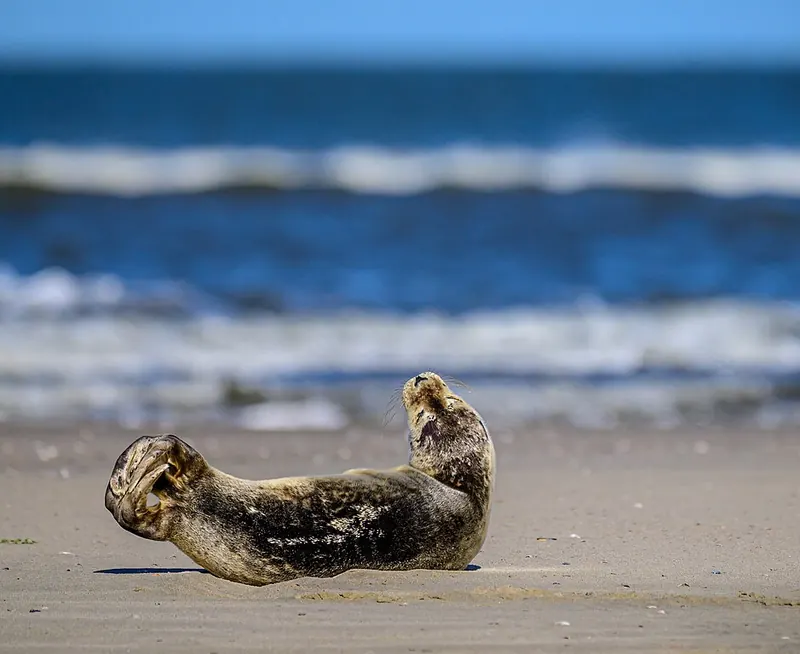
Mostly a coastal seal, yet dives of over 500 m have been recorded.
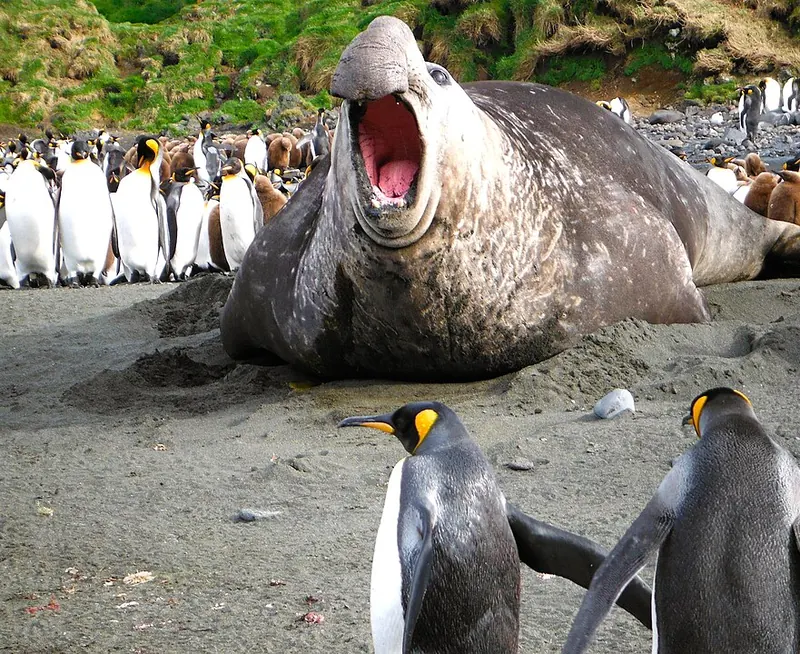
It dives deeper than any air-breathing animal that is not a whale.
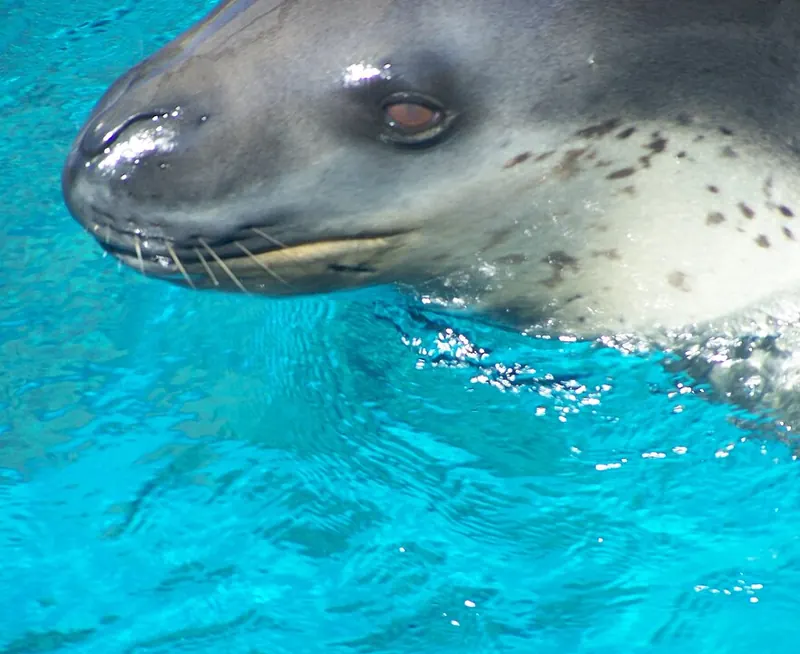
Its only natural predator is the orca.
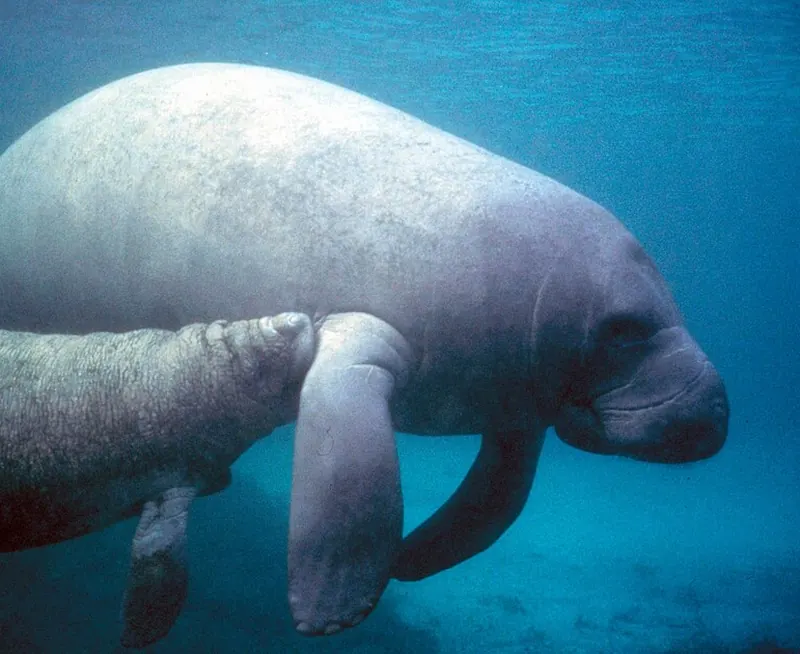
Its whiskers are highly sensitive, and it uses them to feed and find its way.
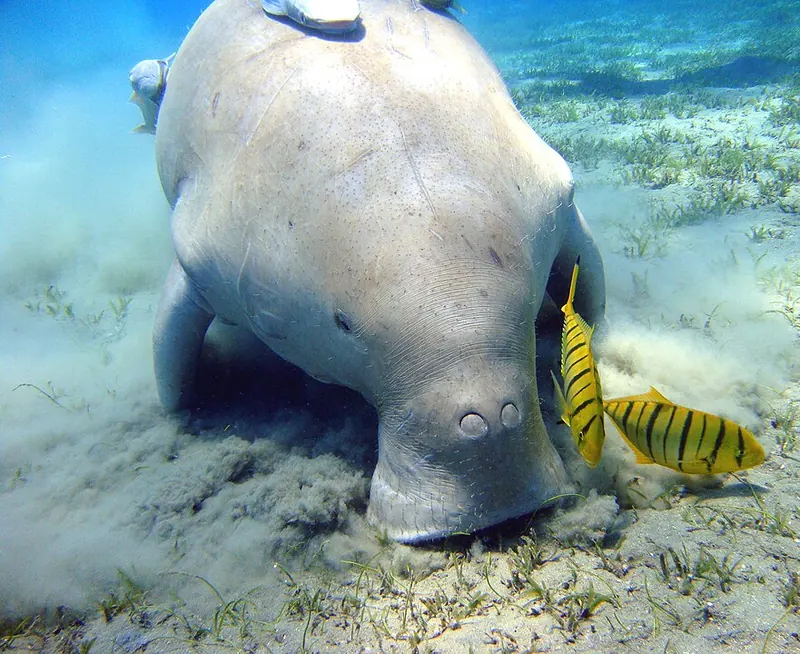
Its closest modern relative, Steller's sea cow, was hunted to extinction in the 18th century.
Every photograph and every outline comes from a real, openly licensed image, credited at the bottom of its card. Only plain charts are drawn.
The words on these cards are written by AI from the sources named on each card. Software matched every number and claim to a sentence in those sources. Mistakes are still possible, so follow a card's links before relying on it.
Globe dots are real recorded sightings from GBIF. Where a card says native range only, they are clipped to that range. Otherwise they can include zoos, gardens and places the species was introduced.