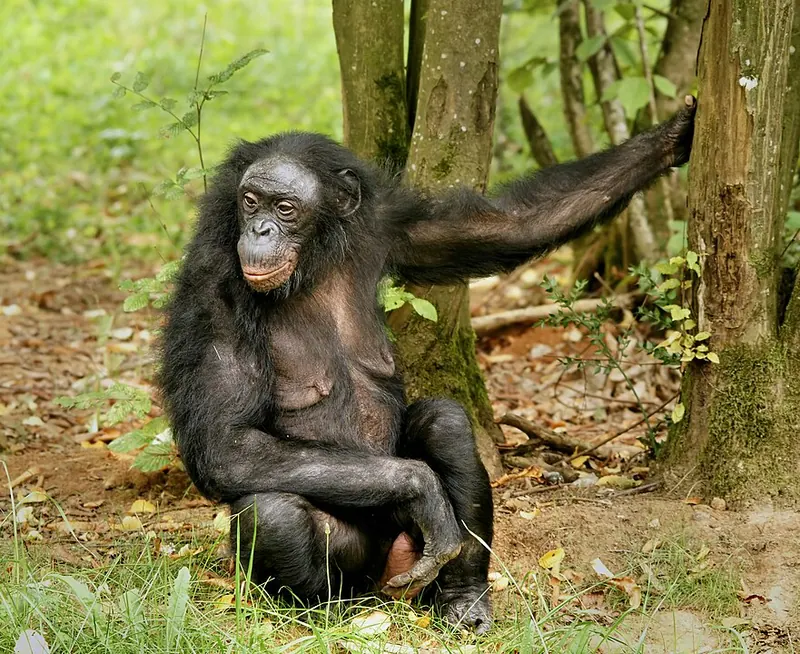
Mammalia › Primates › Hominidae
Bonobo
Males stand 119 cm
Bonobos are the only non-human animal seen engaging in tongue kissing.
Field Guide · Chapter 2 of 29
Swipe across, tap a card to turn it over, then scroll down its back. Try Look closer on a front, spin a globe, and lift the question on a park sign.
Bonobos are the only non-human animal seen engaging in tongue kissing.
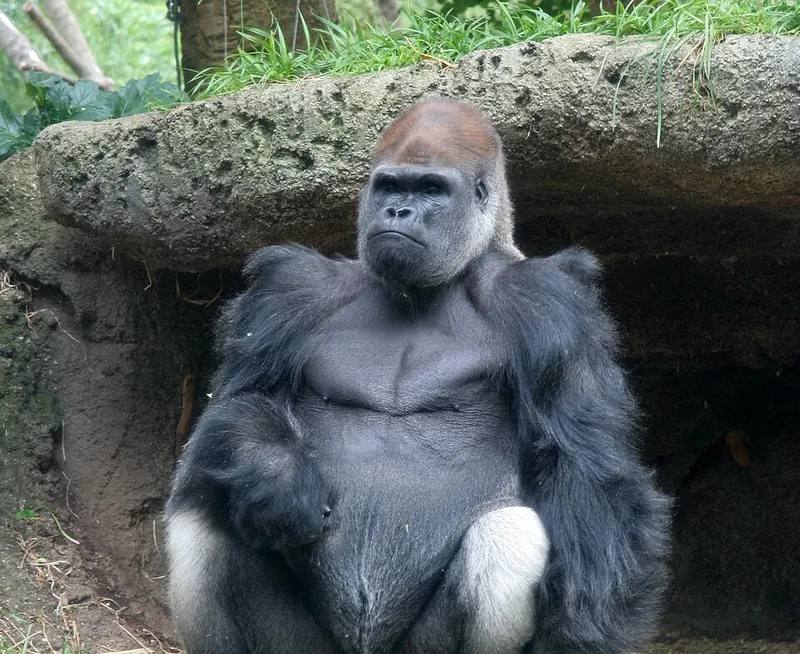
Only its eastern cousin is a bigger living primate.
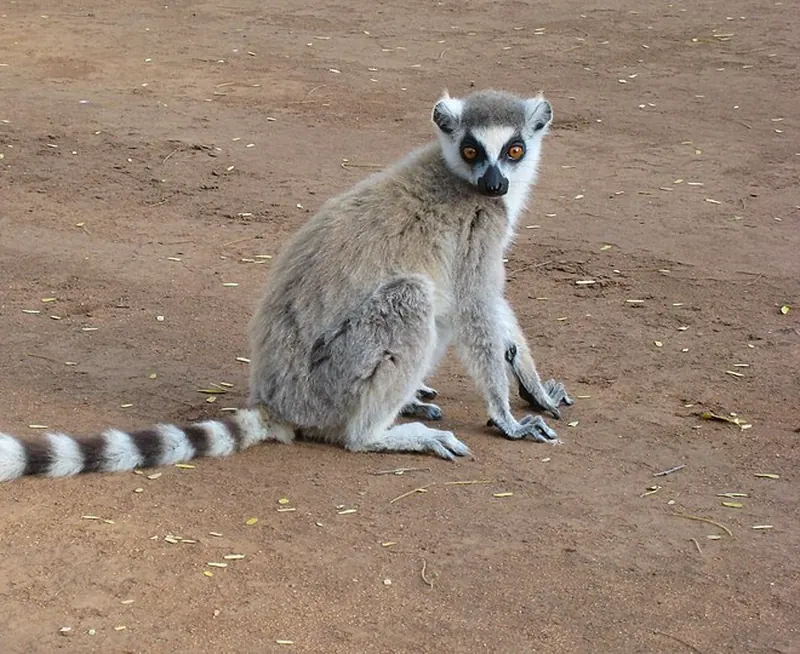
Females outrank males in every circumstance, feeding priority included.
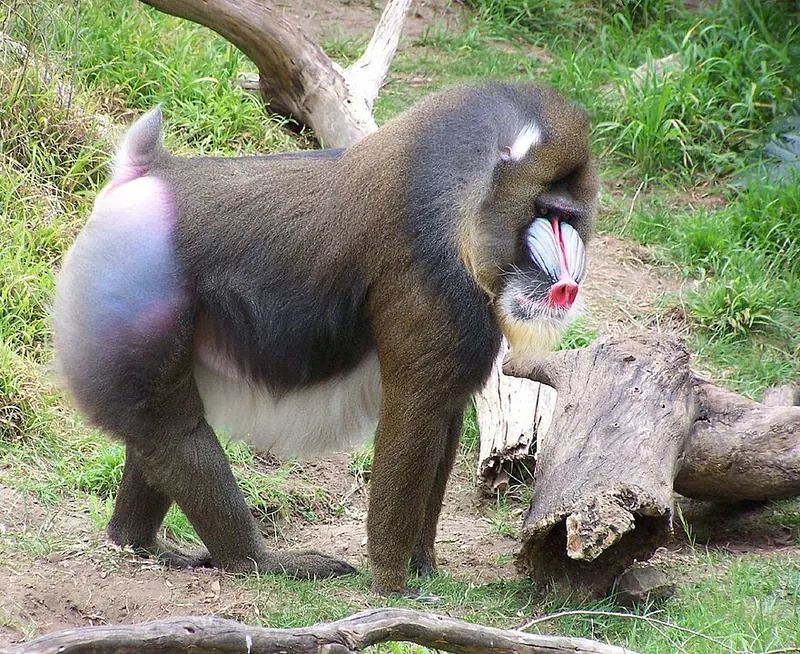
Its face is red and blue, and few mammals are more colourful.
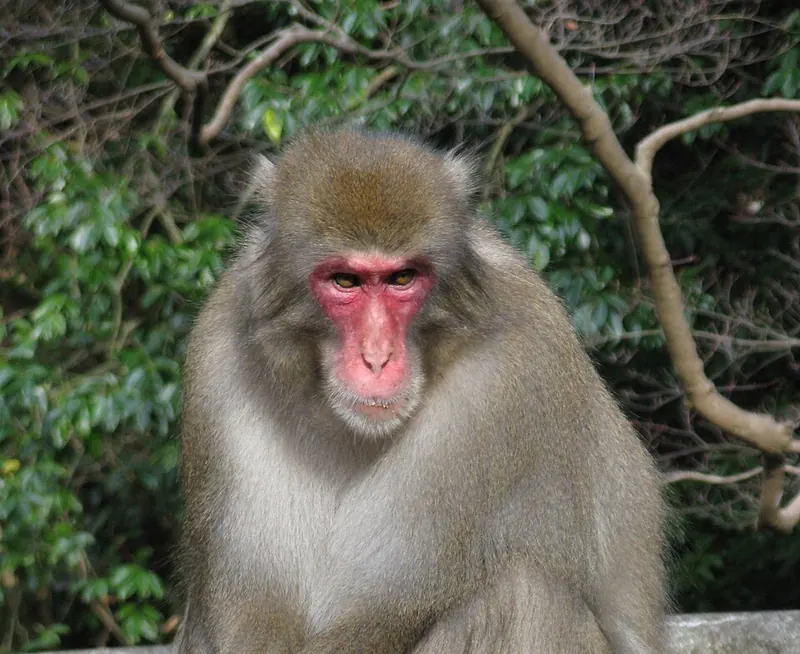
No other non-human primate lives farther north than the Japanese macaque.
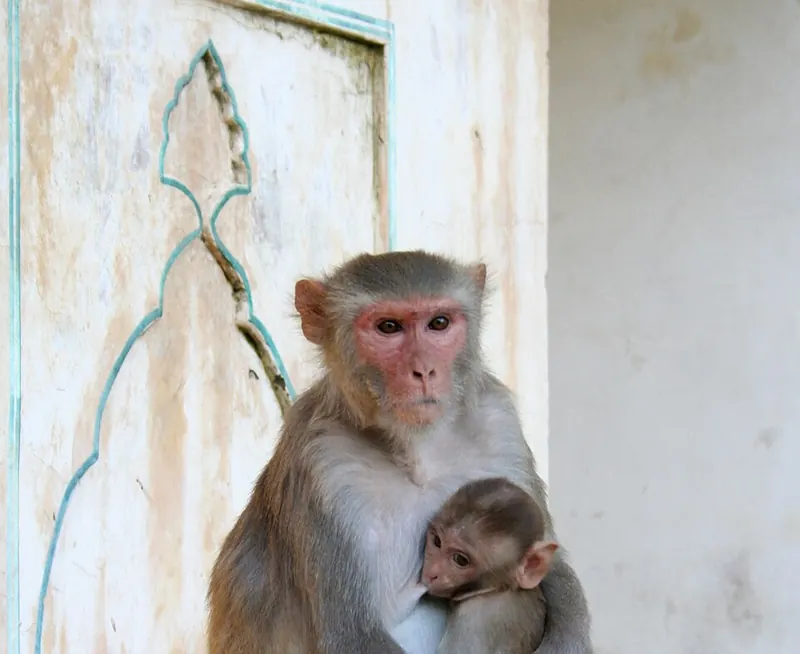
In 1948 a rhesus macaque became the first primate astronaut.
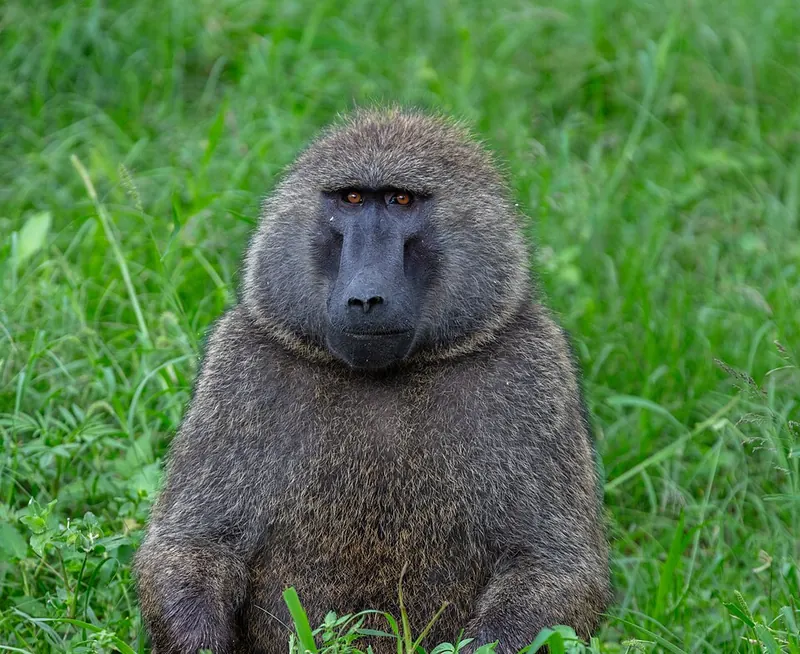
The most wide-ranging of all baboons, native to 25 countries across Africa.
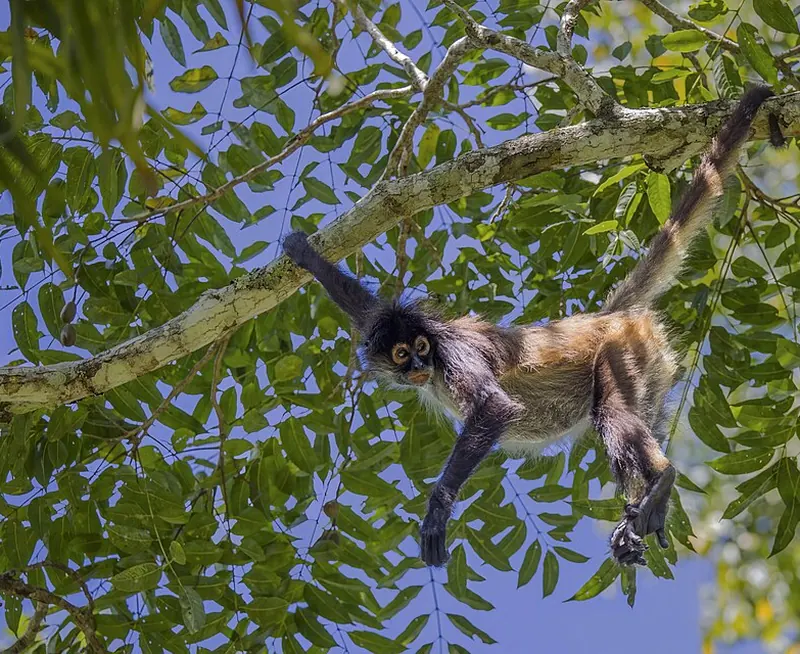
It can hang from a branch by its tail and often does so while it feeds.
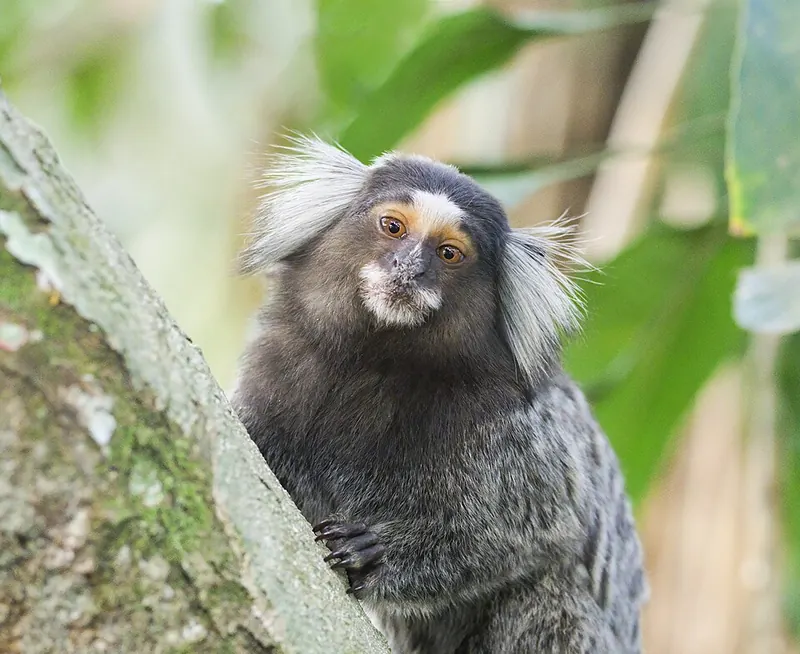
Only its big toes have flat nails, as in most primates.
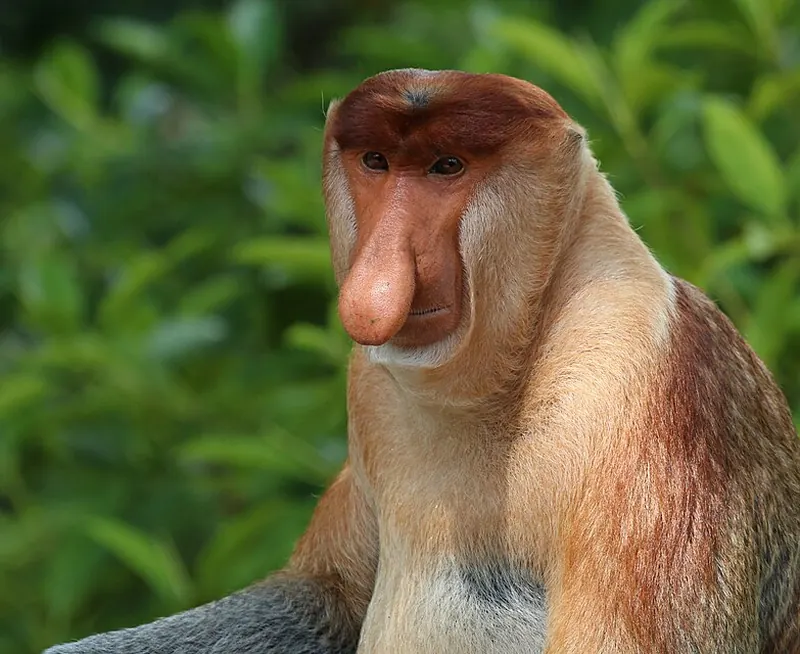
It may be the most water-loving primate, and it can swim up to 20 metres underwater.
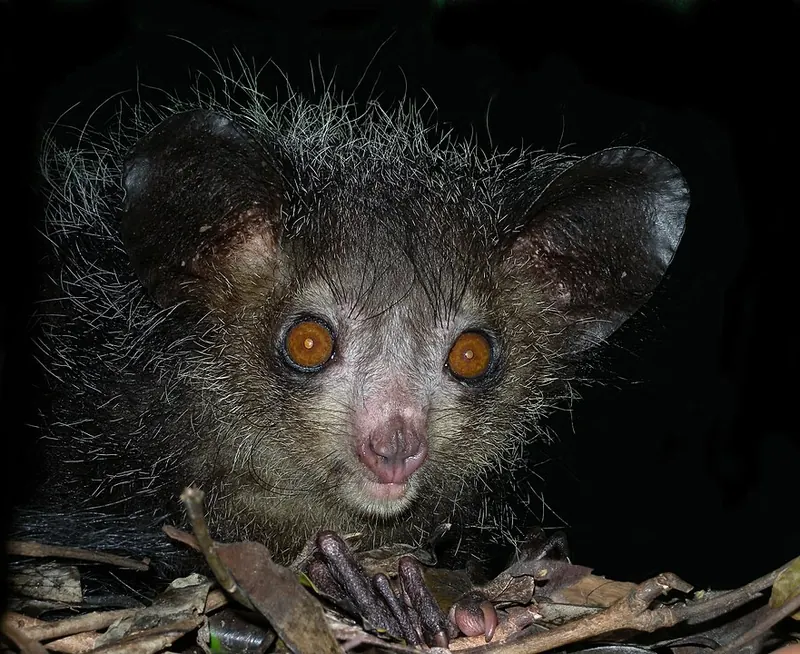
It taps on trees, listens for hollows, and pulls grubs out with one thin finger.
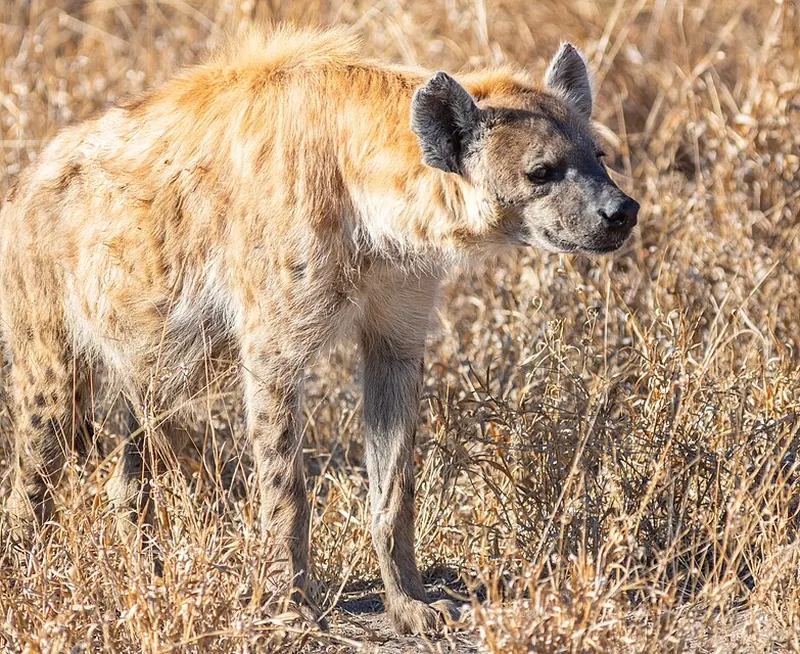
The only placental mammal where females have a pseudo-penis and no external vaginal opening.
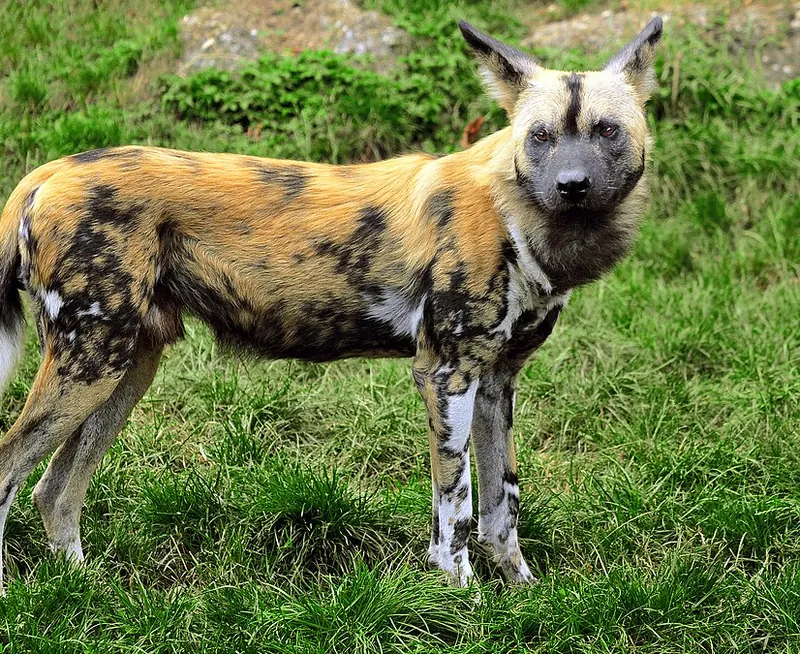
At a kill, the young get to eat first.
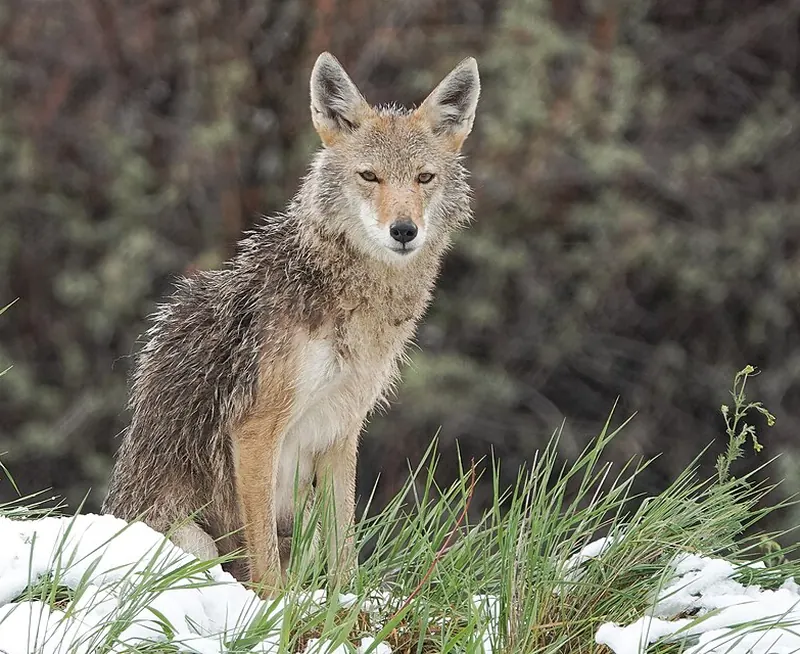
Coyotes lack color vision, so they see the world in grays and faint blues.
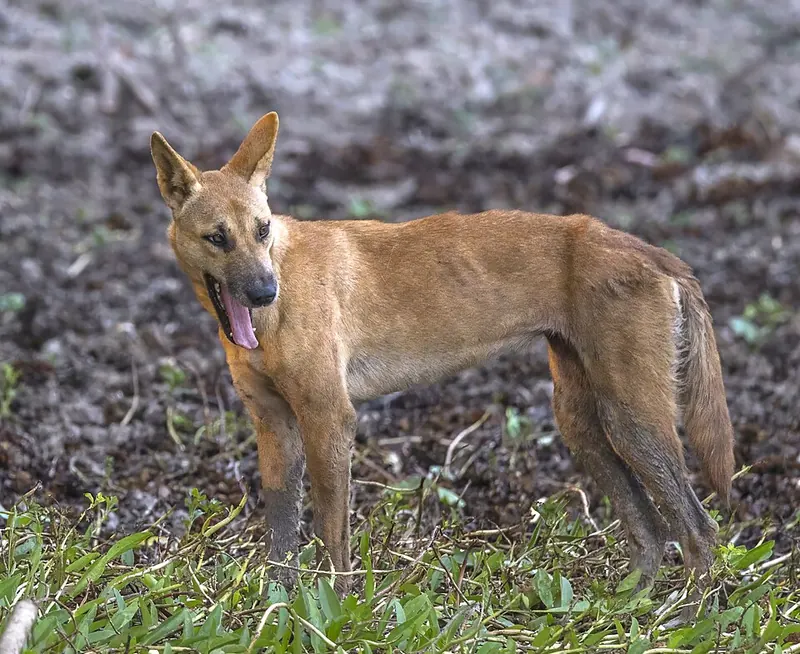
A 2017 review proposes the dingo is a type of domestic dog.
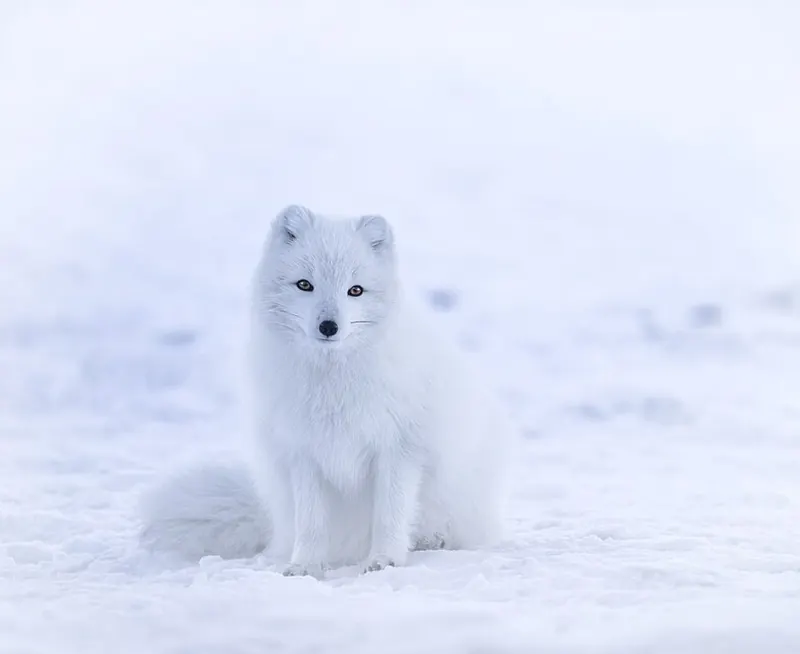
In winter its paws are sheathed in dense fur, unlike other canids.
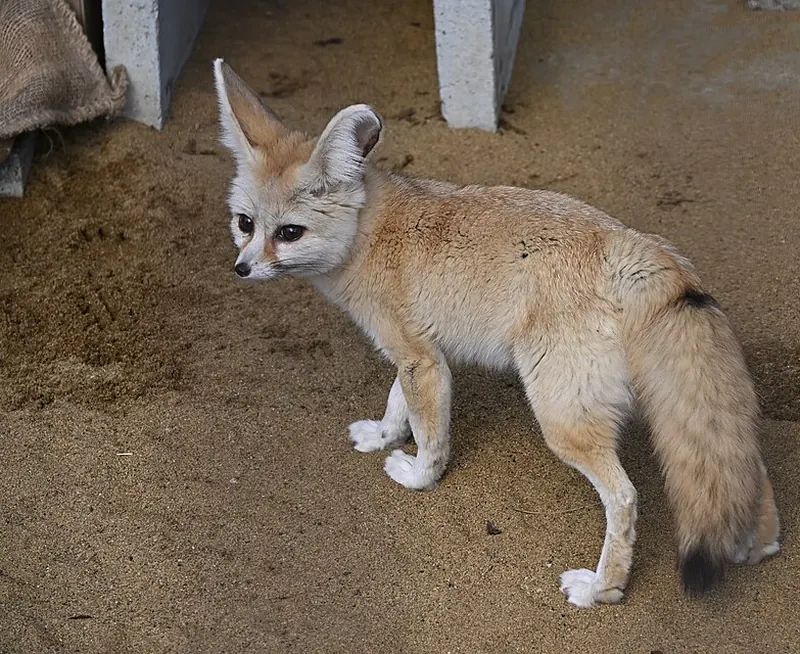
Its ears are big enough to shed heat and to hear prey moving under the sand.
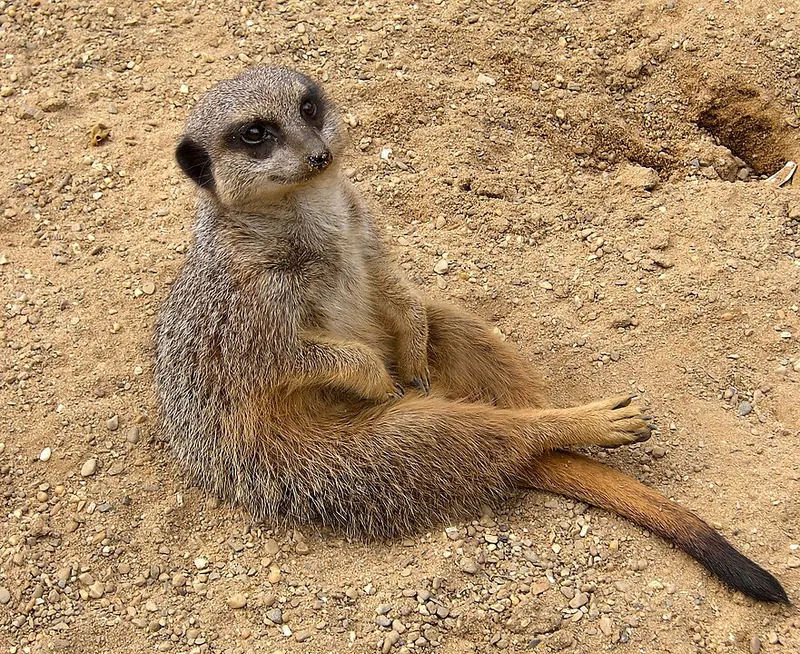
Almost a fifth of meerkats die by violence from their own kind, the highest share recorded among mammals.
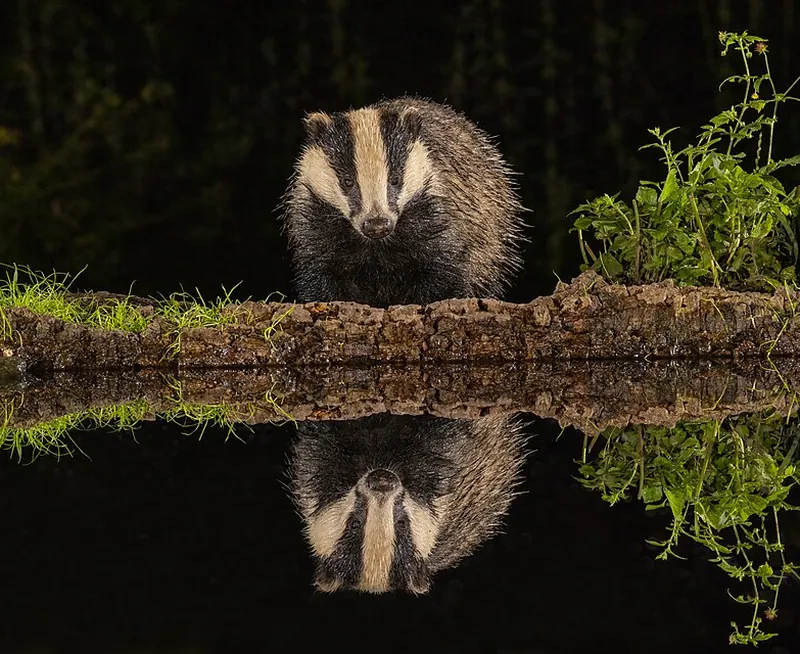
One badger sett can have as many as fifty exits.
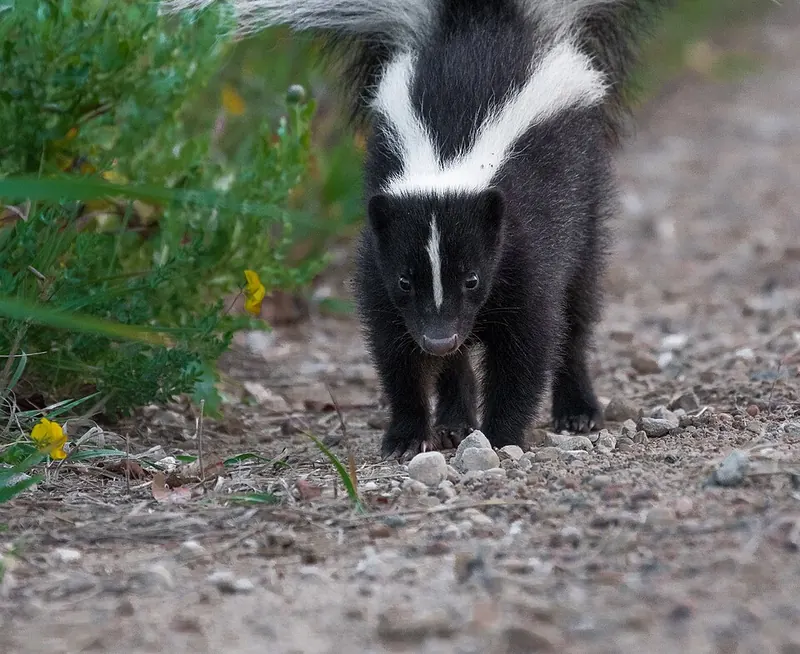
Its musk is a blend of sulfur compounds that are close cousins of alcohols.
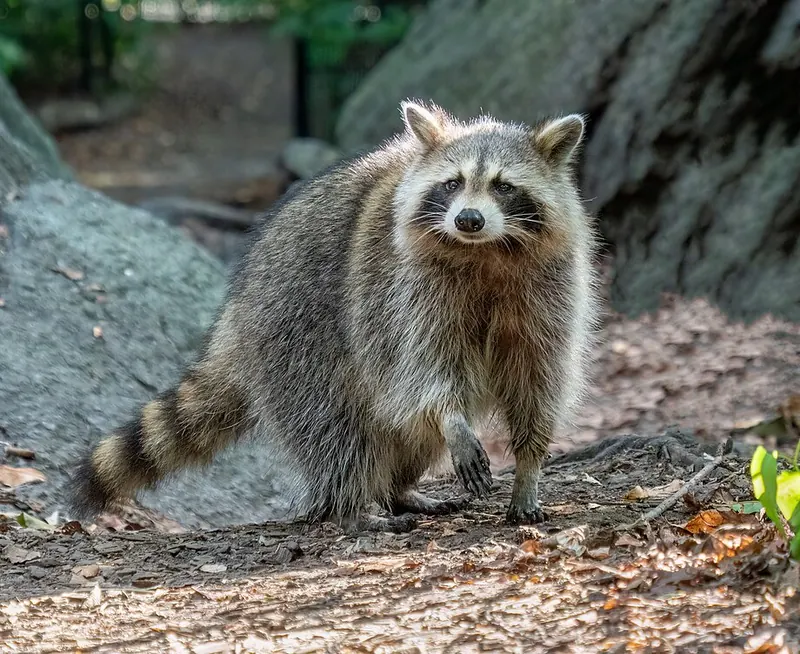
A raccoon can remember how to solve a task for at least three years.
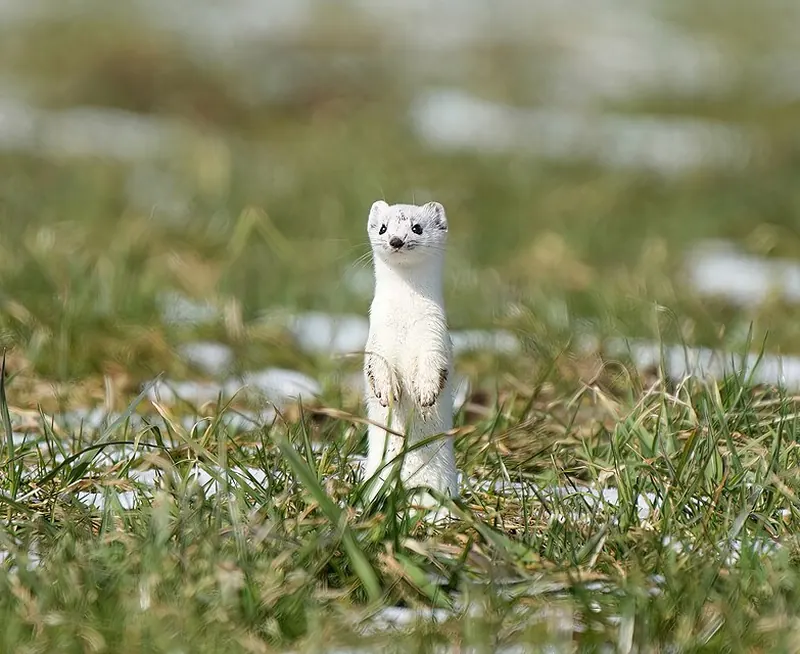
After mating, a stoat embryo can lie dormant for nine to ten months before it implants.
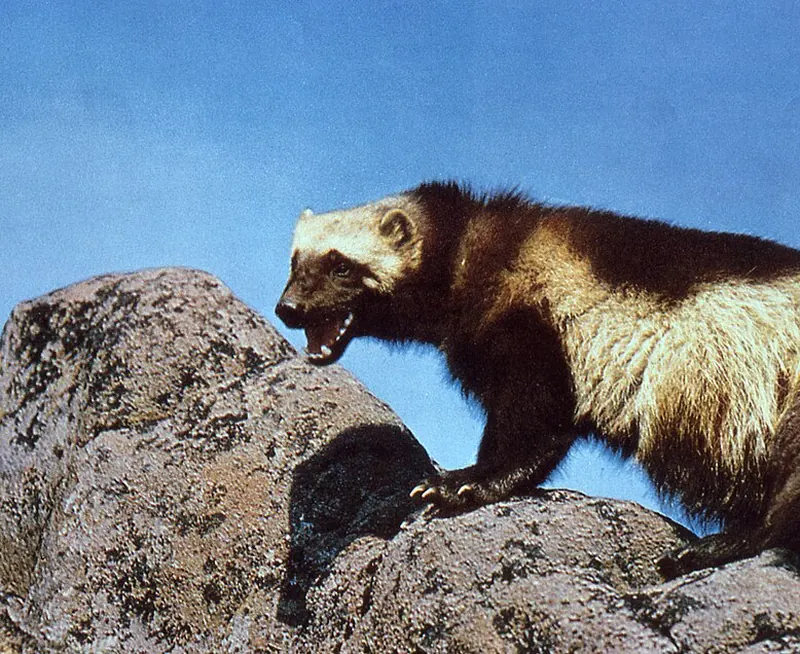
A wolverine has been recorded killing prey many times its own size, such as an adult deer.
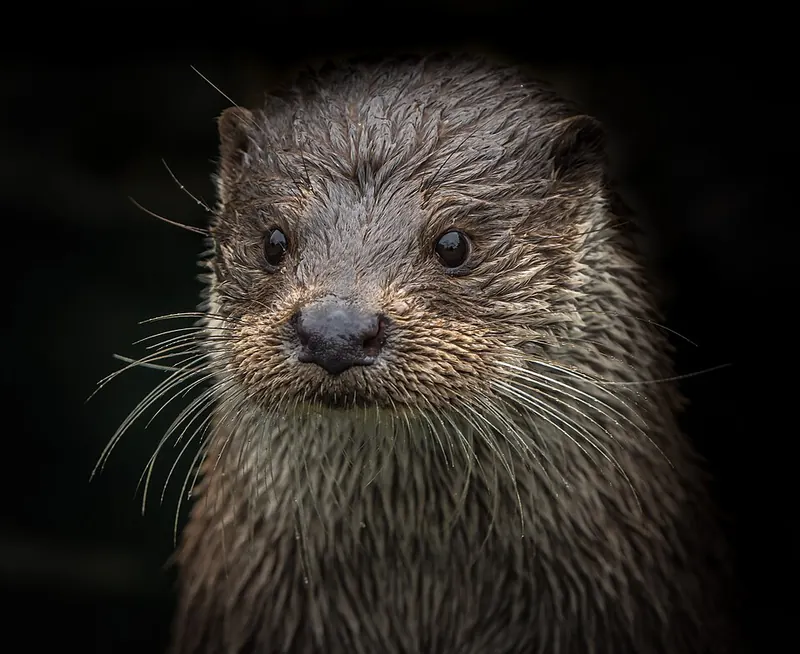
Its bones are denser, which makes it float less well.
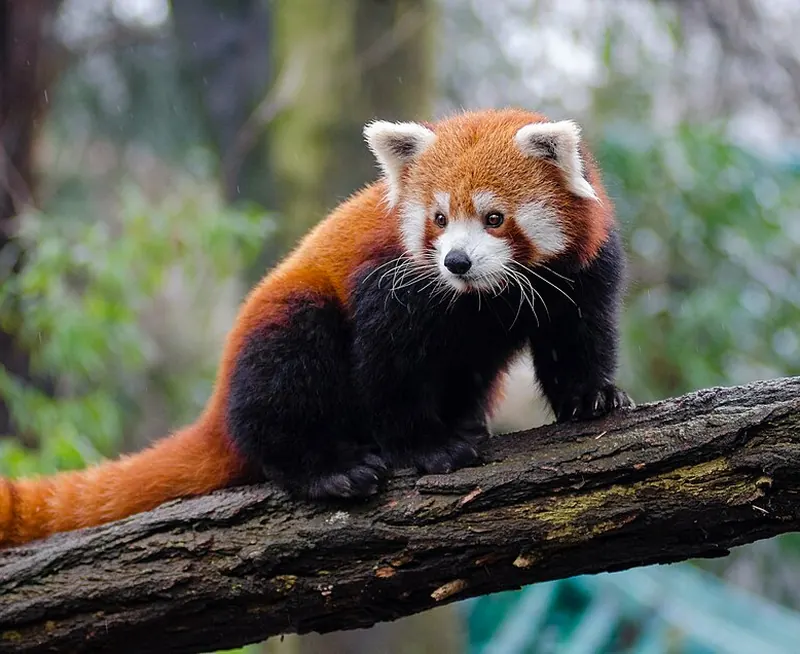
Despite the name, this animal is not close kin of the giant panda.
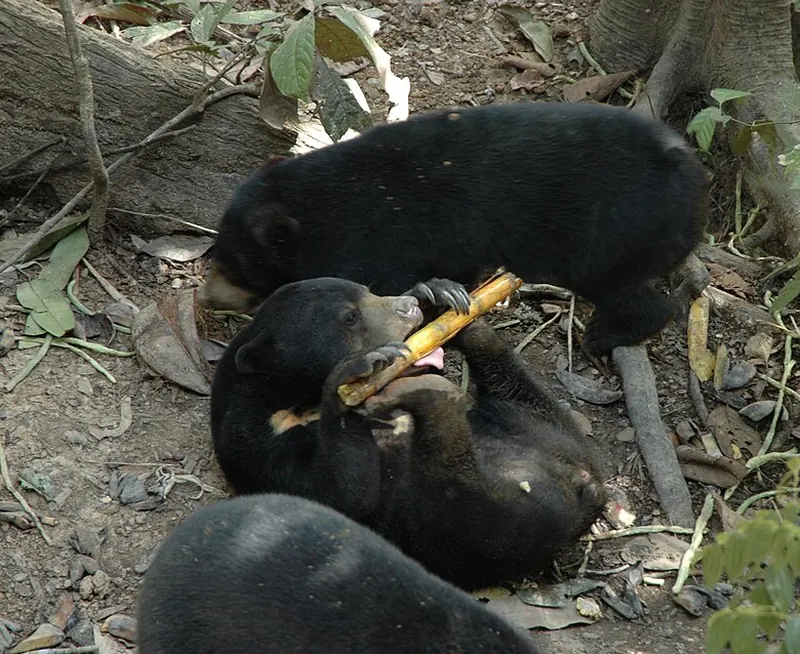
It is the most tree-living of all bears.
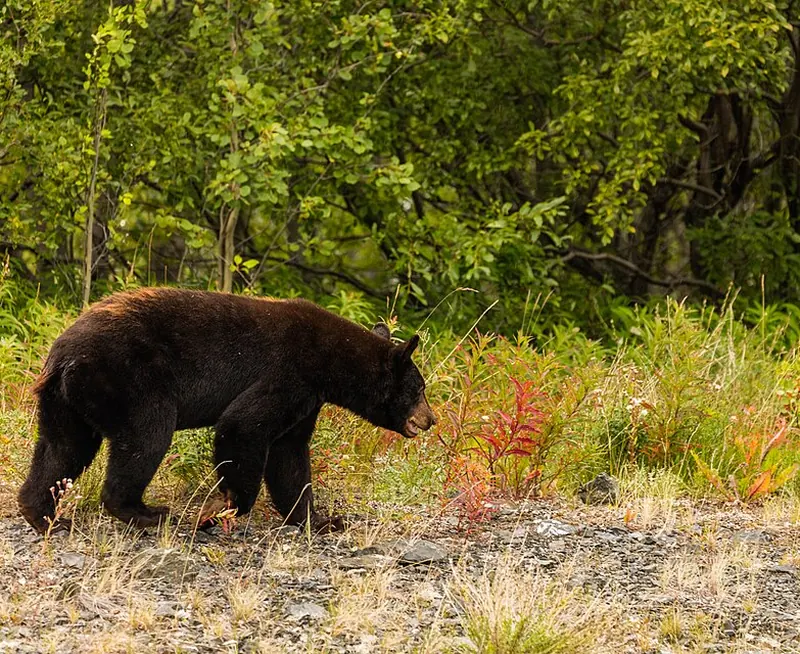
North America's smallest bear, yet its large males outsize bears on other continents.
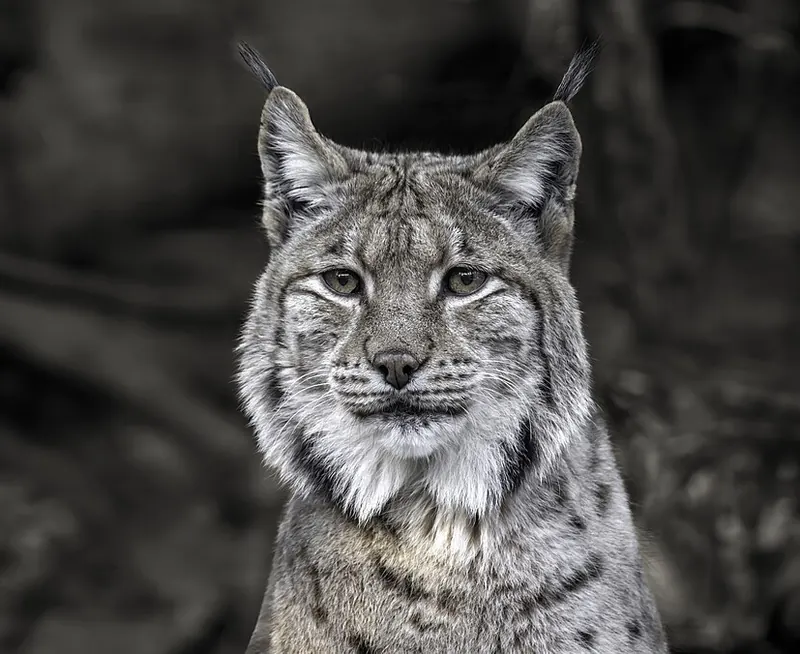
It has taken adult deer of 150 kg or more.
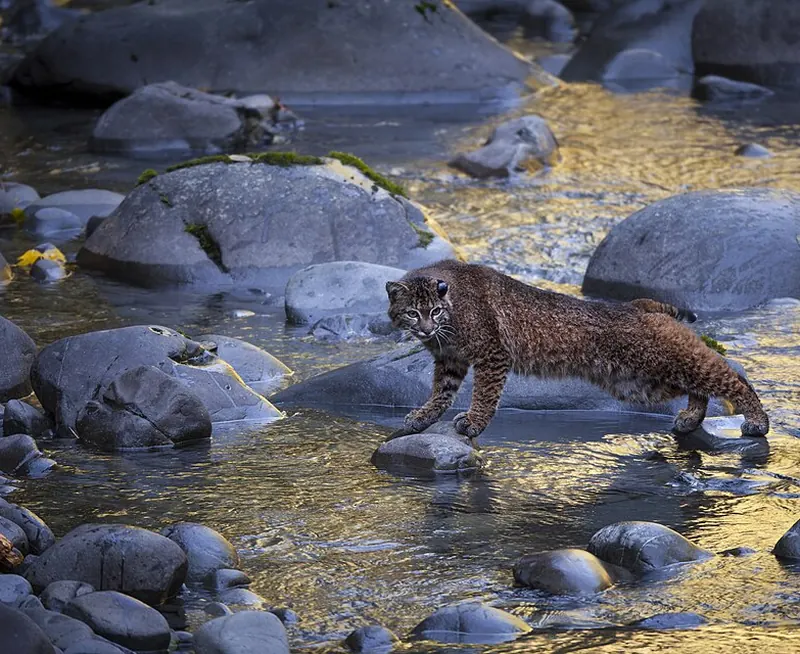
On average the smallest of the four lynx species.
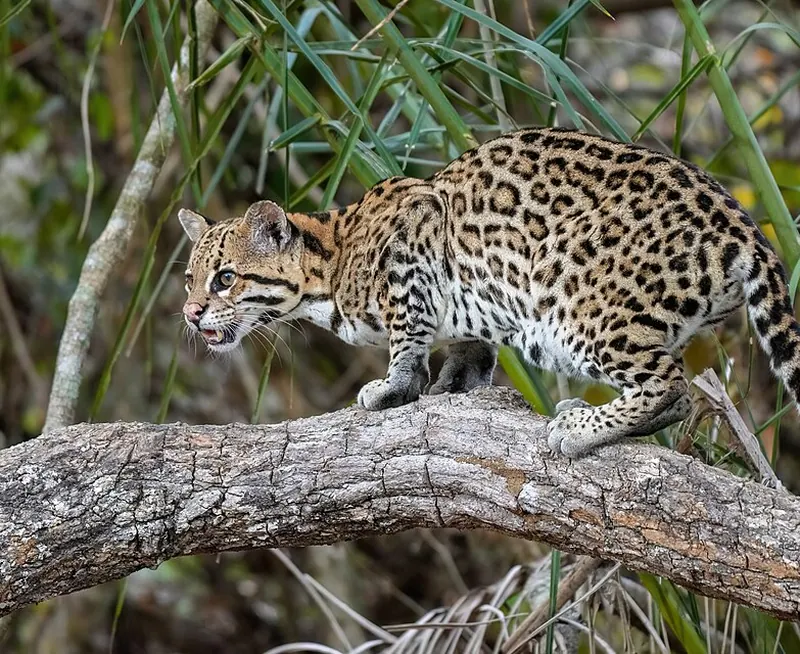
Every ocelot has a coat pattern of its own, and people can use it to tell individuals apart.
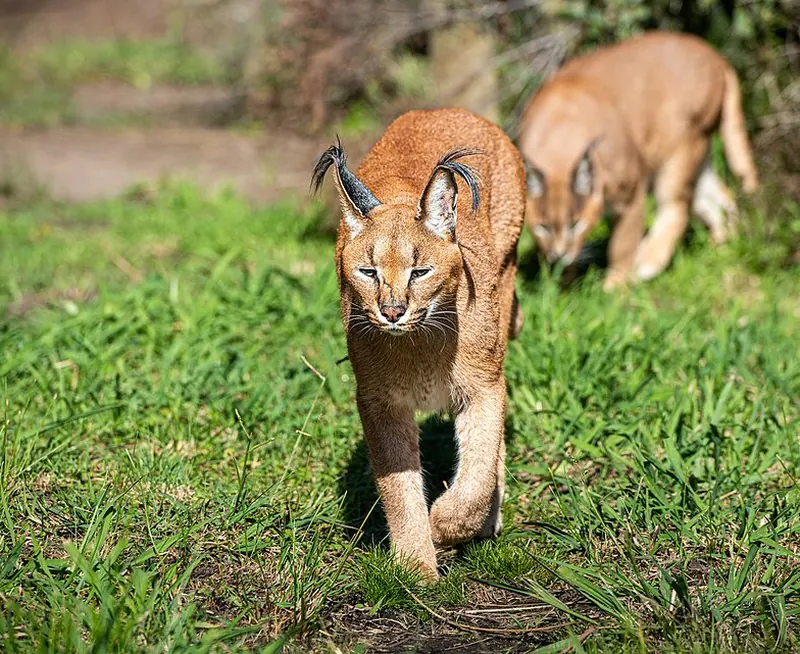
A cat that can leap higher than 3.0 m and catch birds in midair.
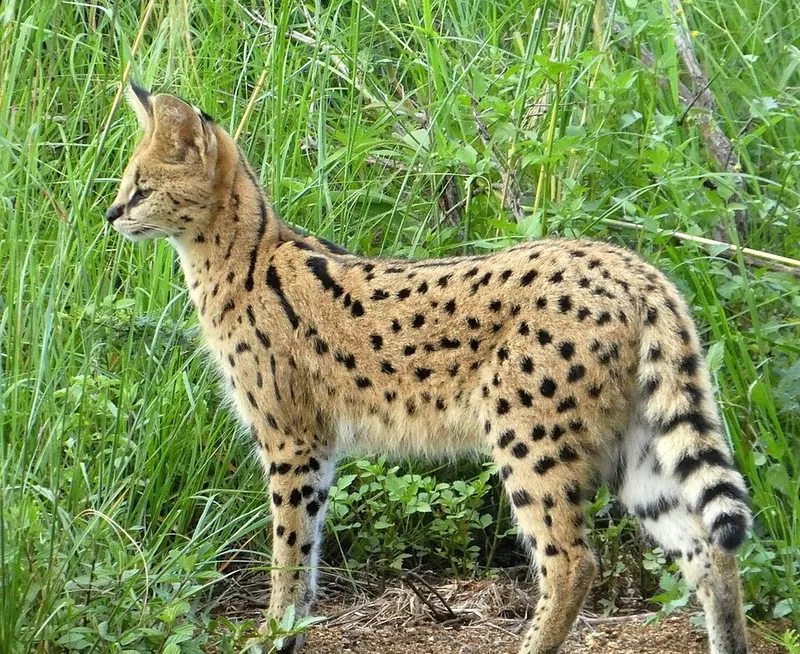
It can leap over 2 m into the air to land on prey with its forefeet.
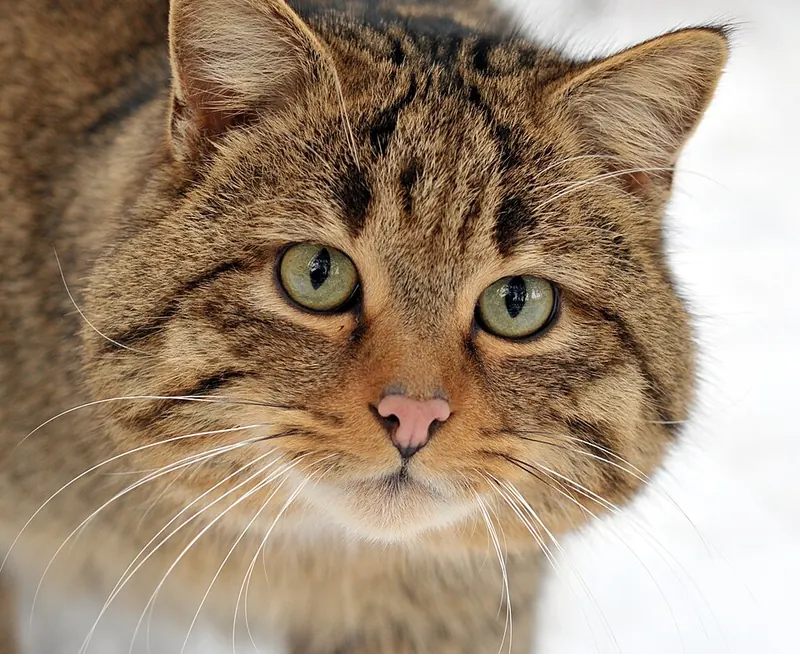
Scotland's Highlands may have held only around 400 of them in 2004.
Every photograph and every outline comes from a real, openly licensed image, credited at the bottom of its card. Only plain charts are drawn.
The words on these cards are written by AI from the sources named on each card. Software matched every number and claim to a sentence in those sources. Mistakes are still possible, so follow a card's links before relying on it.
Globe dots are real recorded sightings from GBIF. Where a card says native range only, they are clipped to that range. Otherwise they can include zoos, gardens and places the species was introduced.