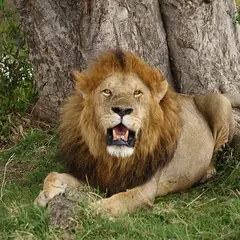
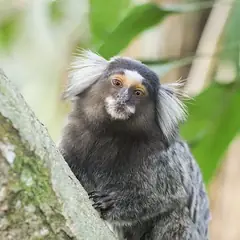
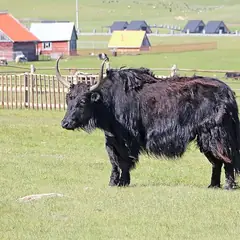
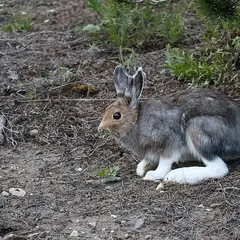
Mammalia › Carnivora › Felidae
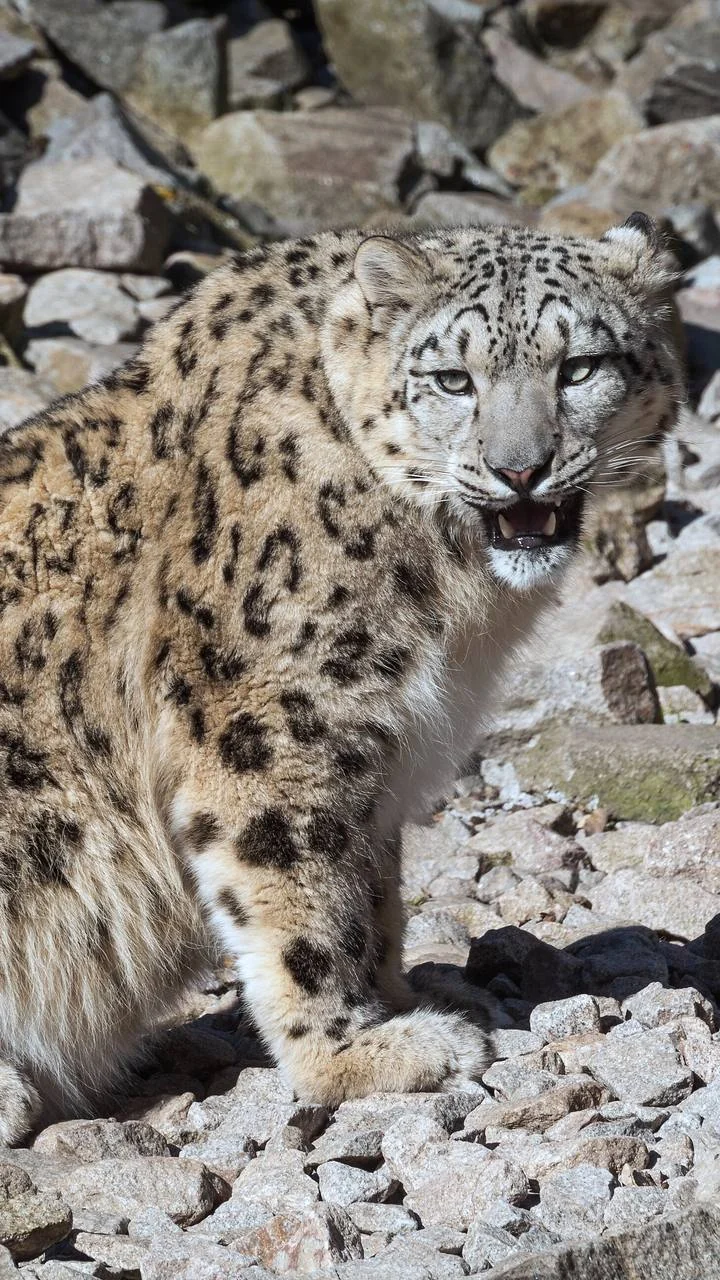
Snow leopard
Panthera unciaBroad furred paws and a tail nearly as long as its body let it chase prey down cliffs far above the tree line.
3,000+ mwhere it lives
80–105 cmits tail
12countries
Animals and plants, one card each. Swipe across, tap a card to turn it over, then scroll down its back. Try Look closer on a front, spin a globe, and lift the question on a park sign.
Every species in this guide, placed where it has been recorded. Drag to spin, tap a dot to meet it.
Broad furred paws and a tail nearly as long as its body let it chase prey down cliffs far above the tree line.
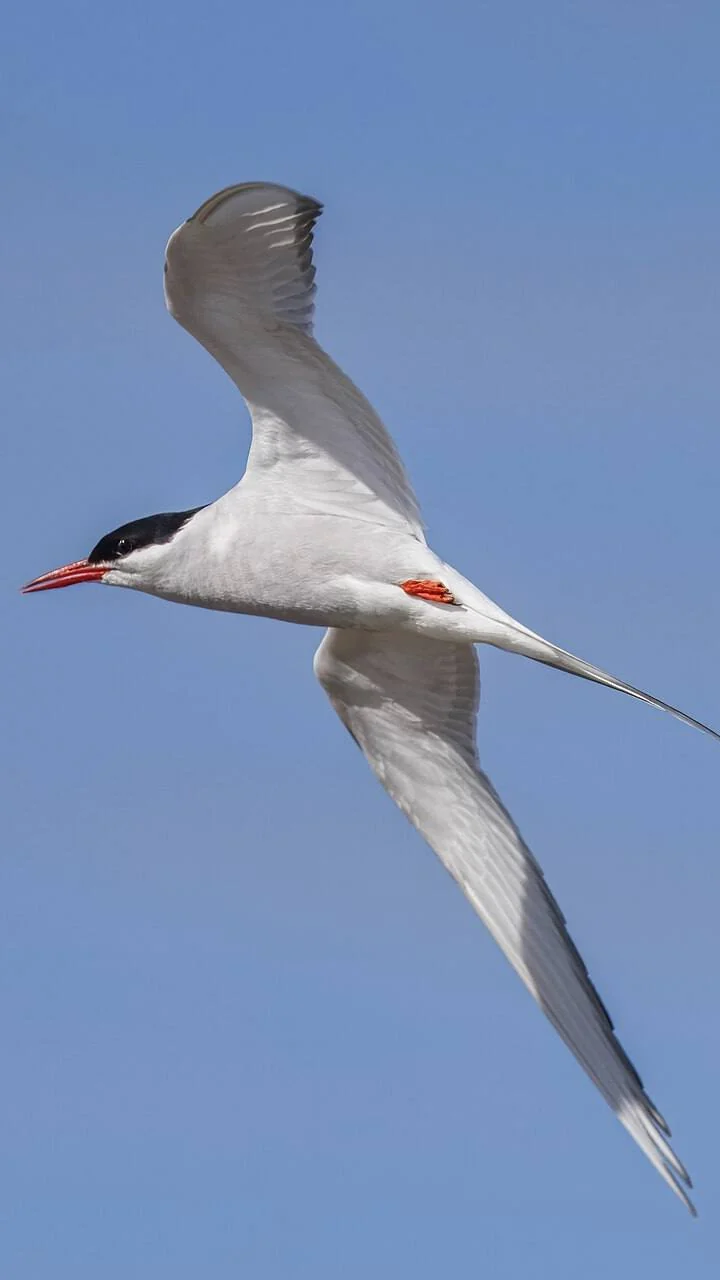
Pole to pole and back. It lives through two summers a year and sees more daylight than any other animal.
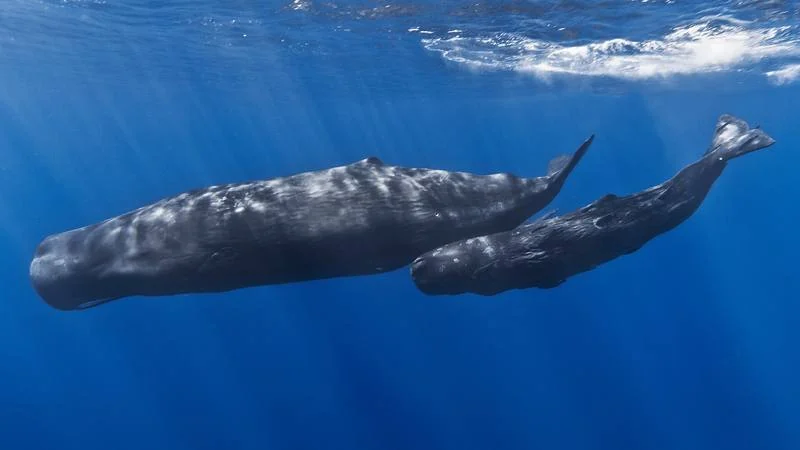
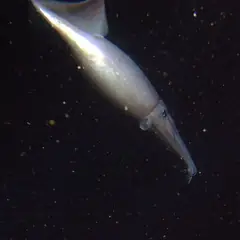
Dives past 2,000 m on one breath and hunts squid in the dark. It has the largest brain of any animal known.
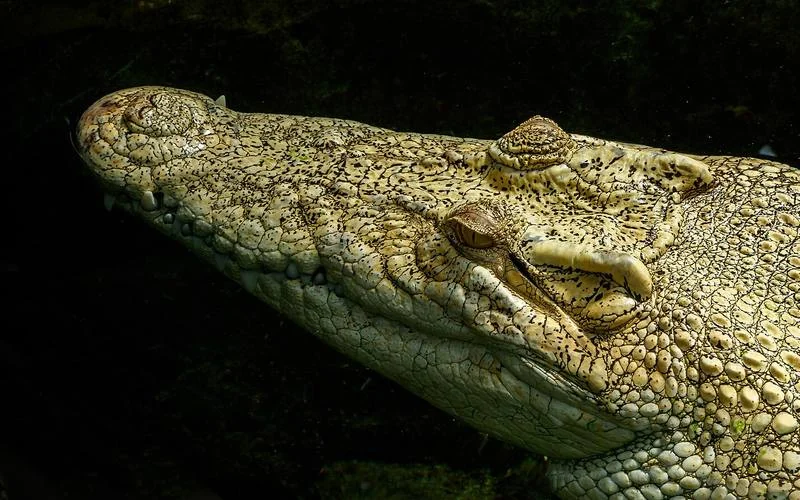
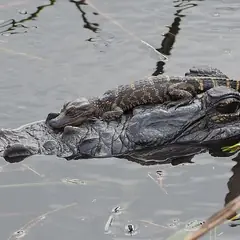
The largest living reptile. A 4.59 m crocodile bit with 16,414 newtons, the highest force measured in a laboratory.
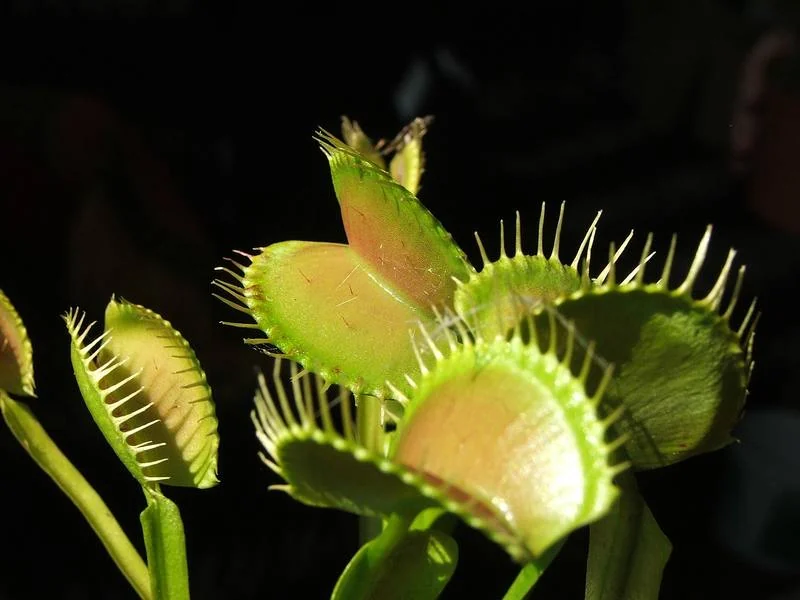
It shuts only if touched twice within about twenty seconds, so raindrops do not fool it. It grows wild only near Wilmington, North Carolina.
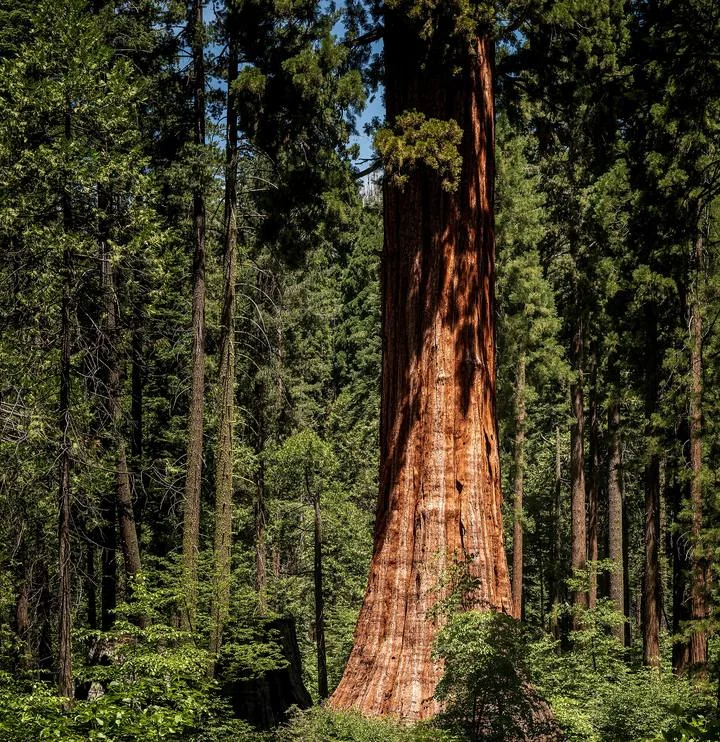
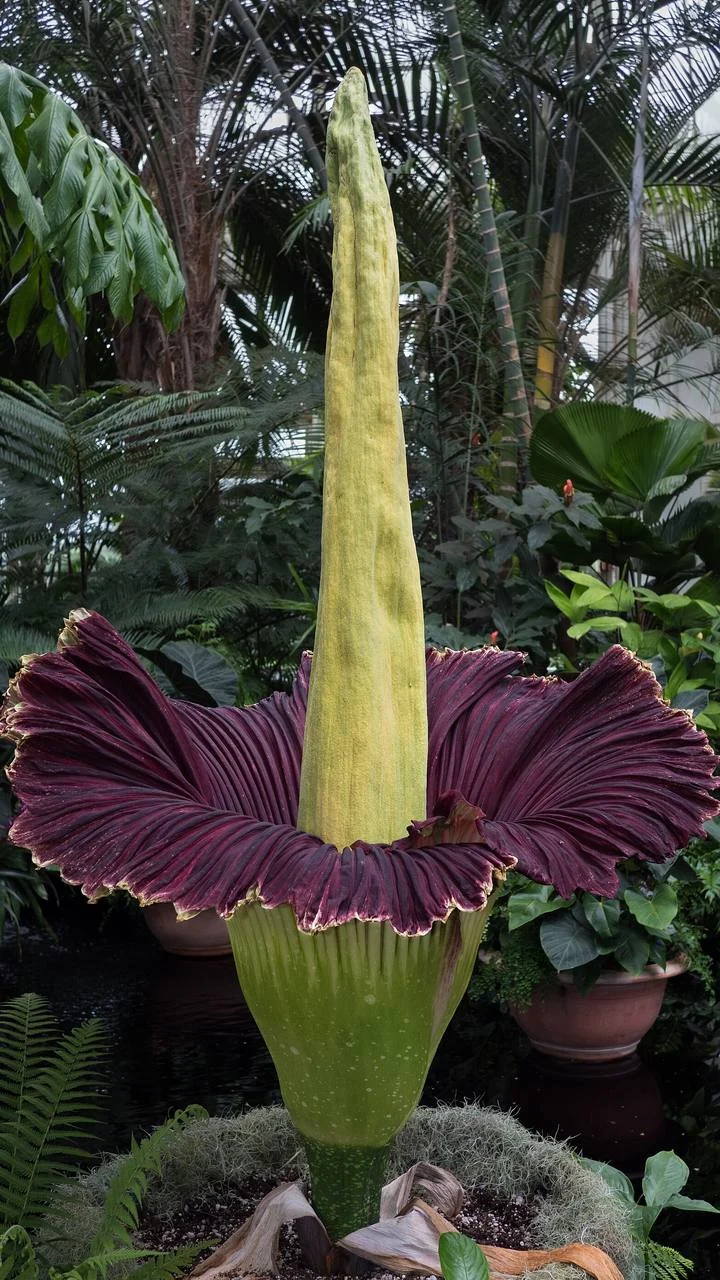
Over three metres tall, smelling of rotting meat to bring in carrion beetles and flesh flies. The flowers last a day or so.
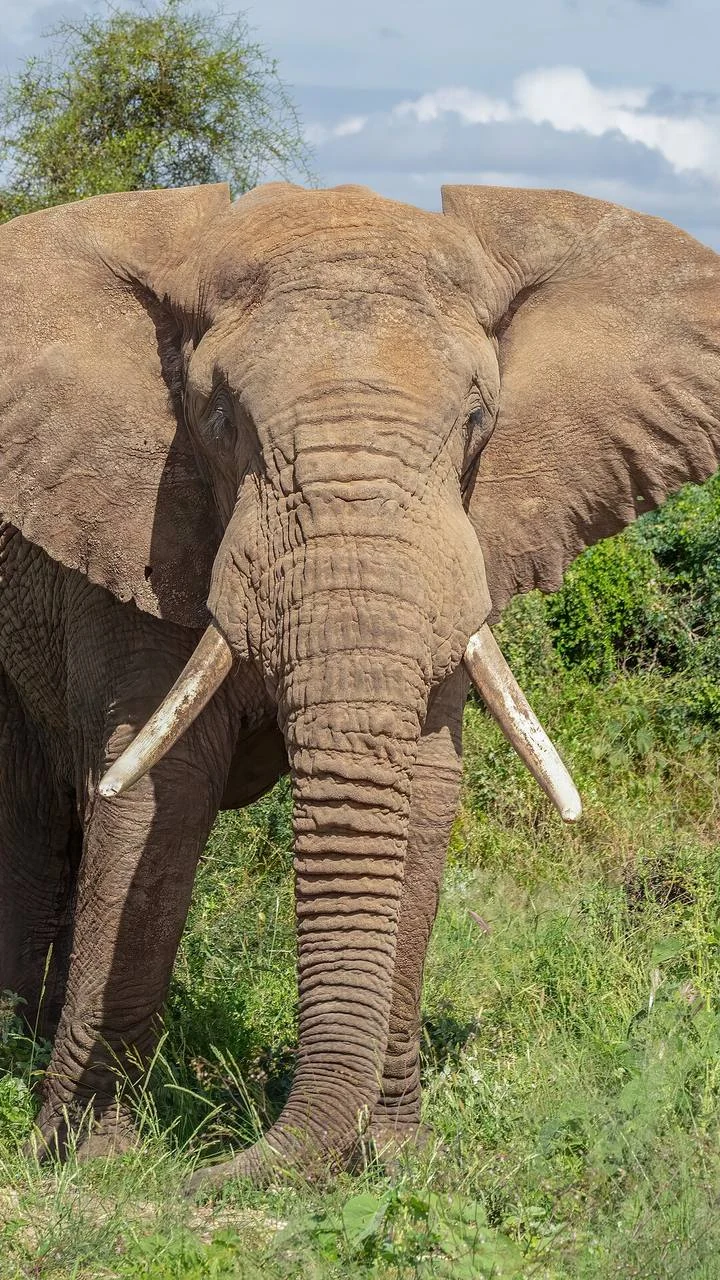
The largest land animal alive. A grown bull stands about 3.2 m at the shoulder and weighs about 6 tonnes.
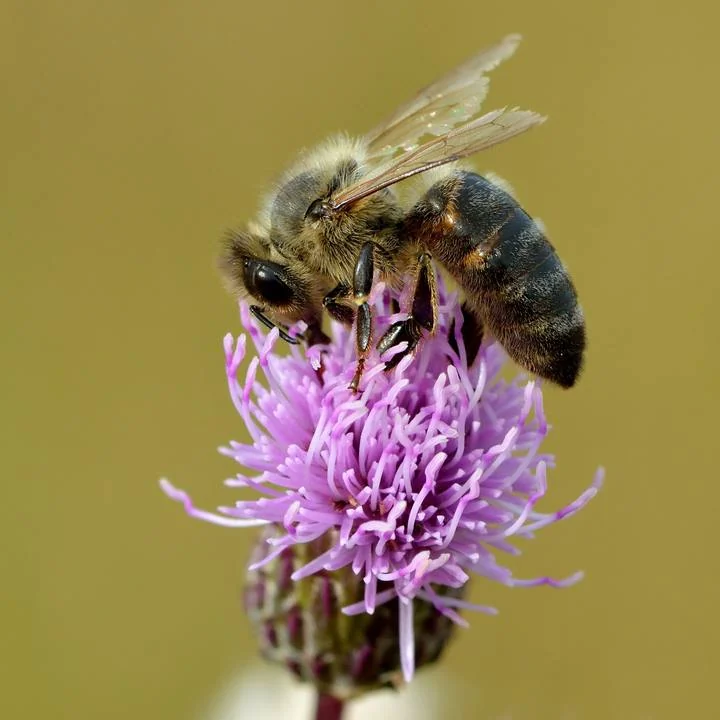
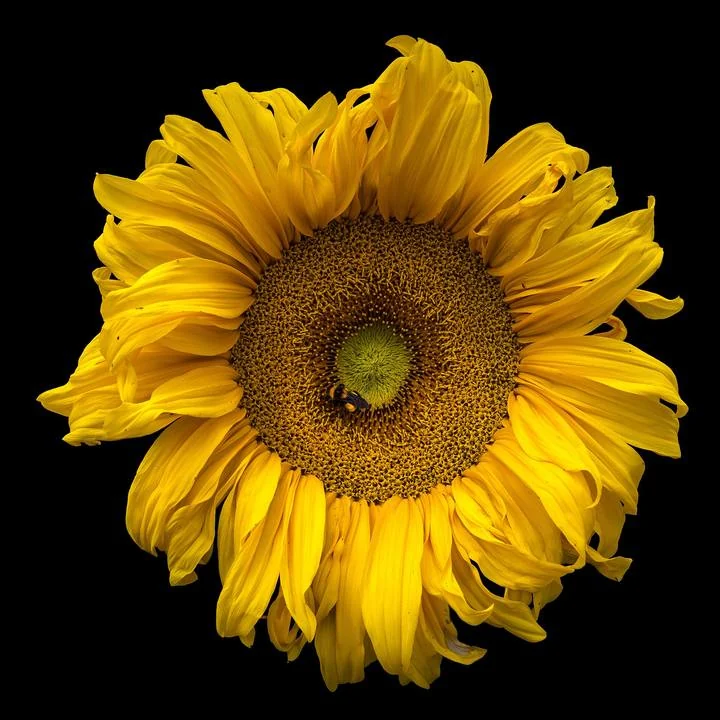
The “flower” is many tiny florets packed in spirals, usually 34 one way and 55 the other. Young heads follow the sun.
Every photograph and every outline of a plant or animal comes from a real, openly licensed image, credited at the bottom of its card, public domain first. Only plain charts are drawn. Every figure was checked against the sources named there. Some species figures differ between sources: where they did I used the government or scientific body first.
Globe dots are real recorded sightings from GBIF, clipped to the native range so zoos and gardens do not count. A few photos are of captive animals or garden plants, and the snow leopard is one of them.