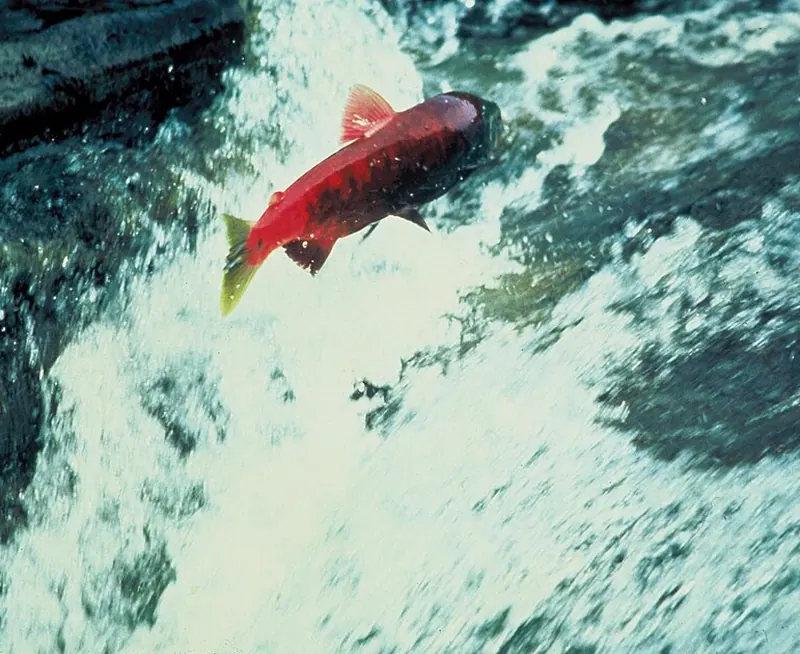
Salmoniformes › Salmonidae
Sockeye salmon
Dies after one spawn
Some sockeye never reach the sea and live their whole lives in a lake.
Field Guide · Chapter 14 of 29
Swipe across, tap a card to turn it over, then scroll down its back. Try Look closer on a front, spin a globe, and lift the question on a park sign.
Some sockeye never reach the sea and live their whole lives in a lake.
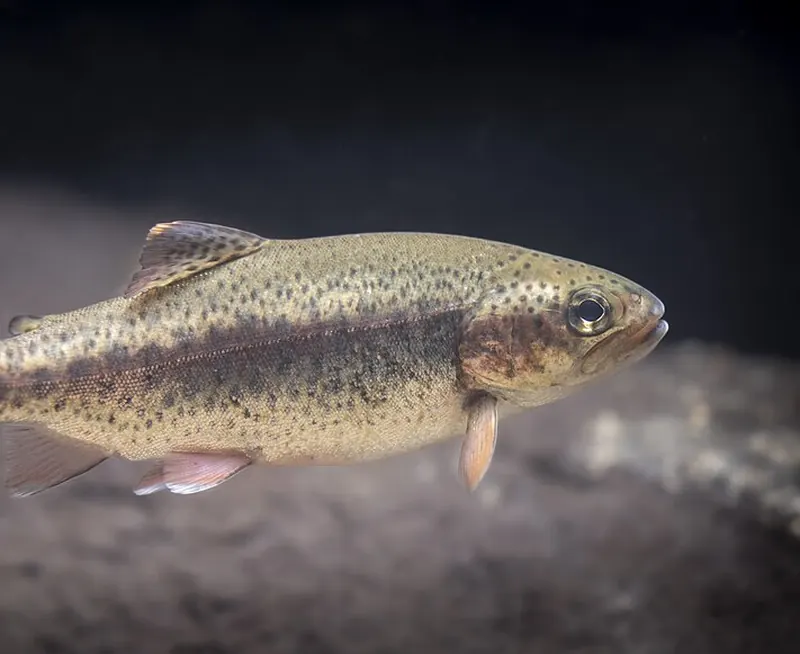
People have carried it to at least 45 countries for food or sport.
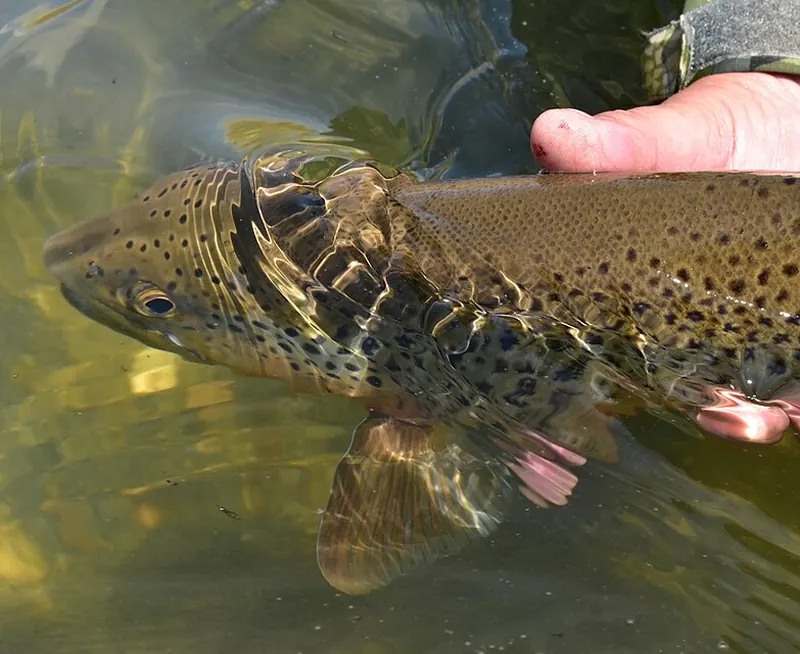
Brown trout were introduced worldwide as a game fish, and became one of the world's worst invasive species.
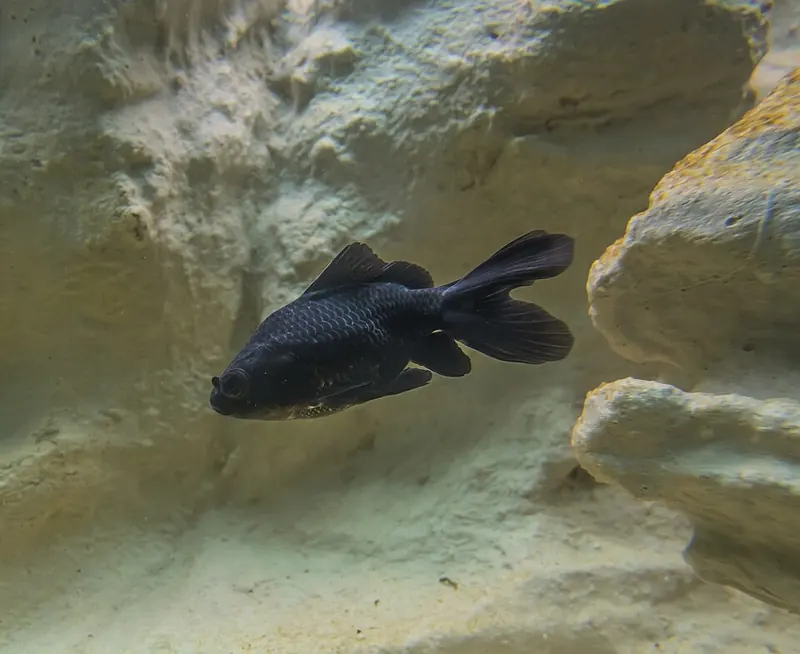
Let loose in the wild, goldfish slowly turn back to yellow-orange.
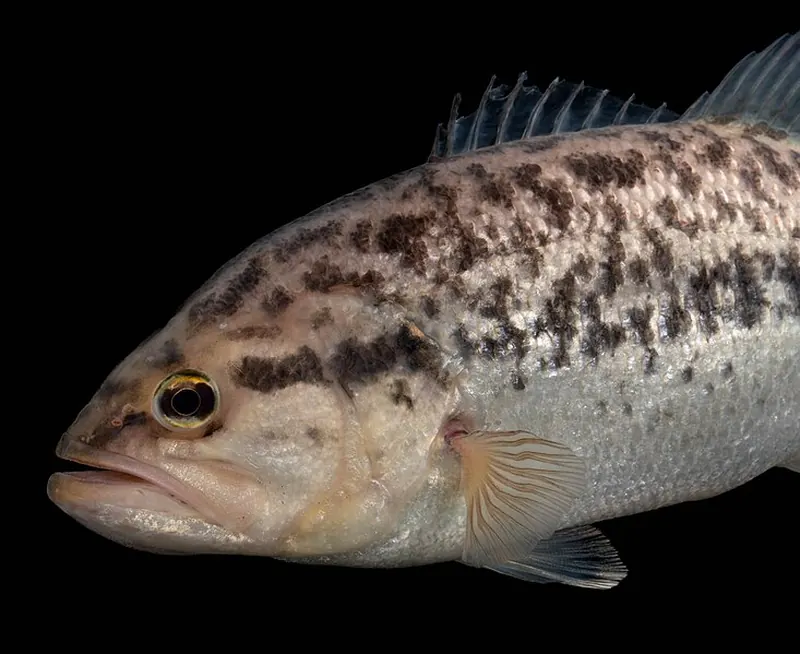
In this bass the female is usually bigger than the male.
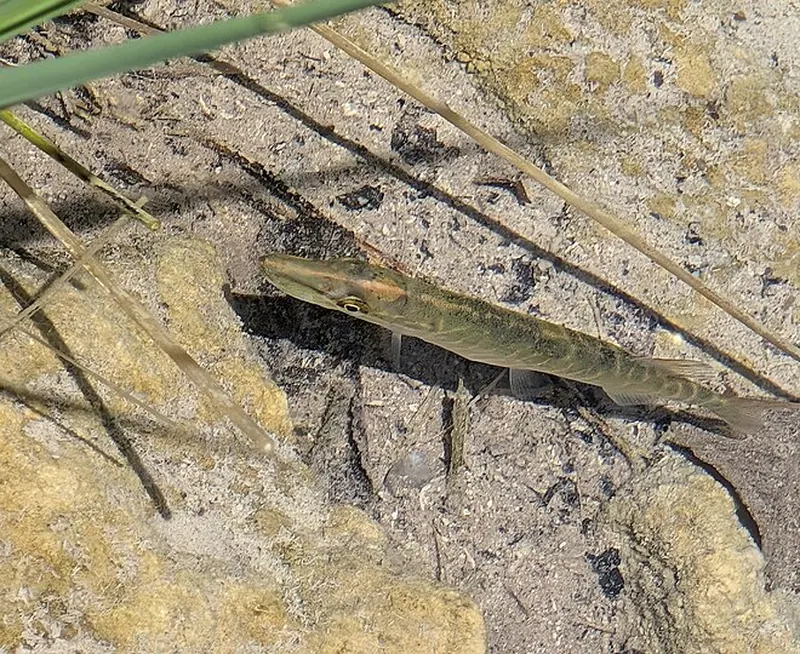
Some juvenile pike have choked to death on a fellow pike of similar size.
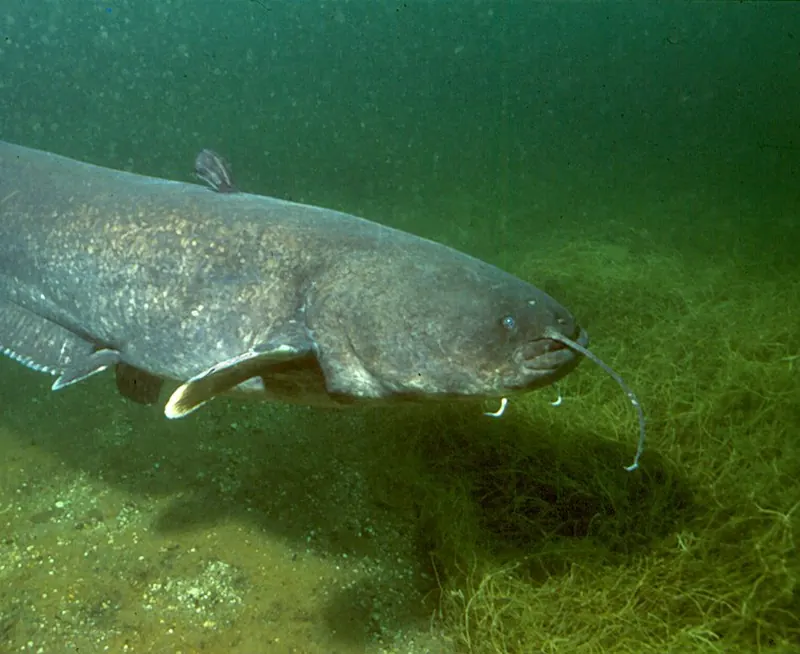
It can swim backwards, like an eel.
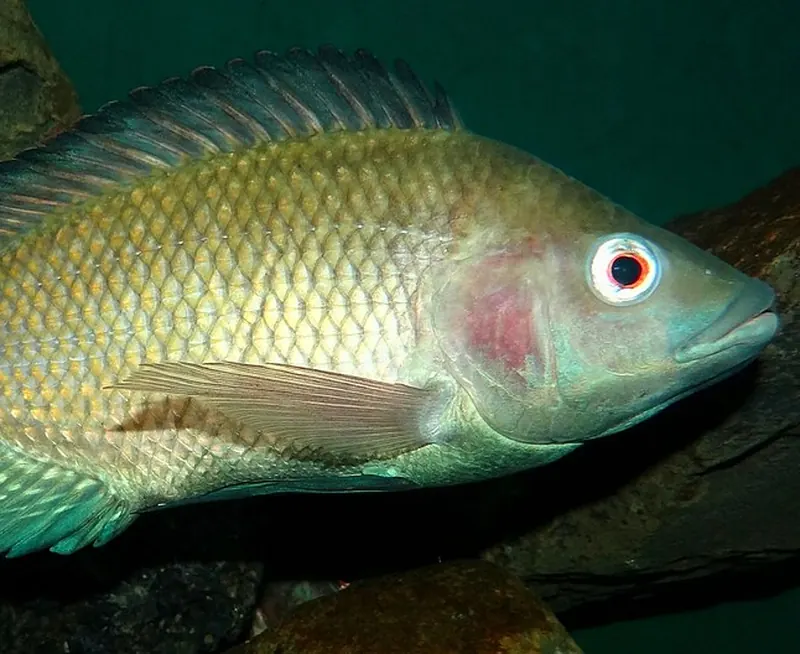
Males and females eat the same amount, yet males tend to grow larger, turning food into weight better.
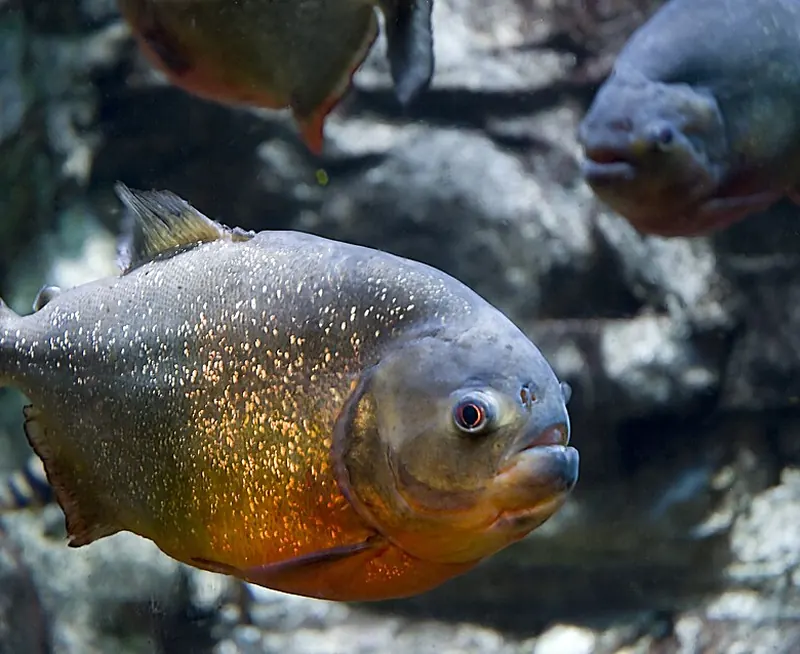
Despite its reputation as a ferocious predator, it is mostly a scavenger.
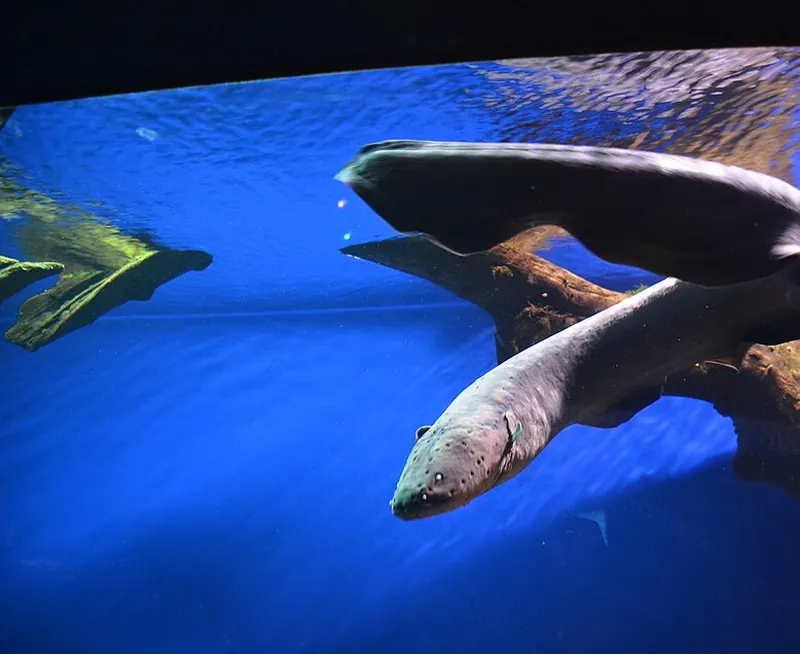
Nearly eighty percent of its oxygen comes from air it gulps at the surface.
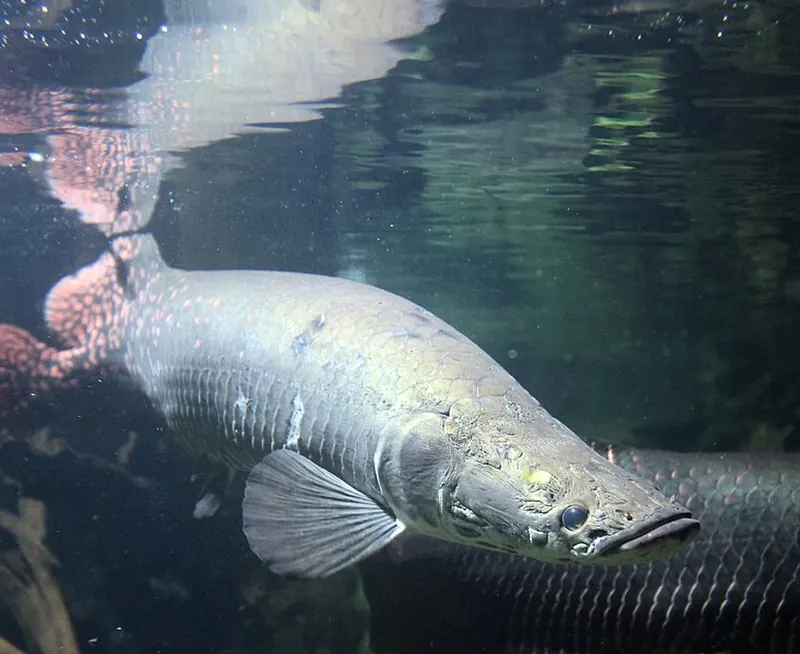
It has to come up for air every 10 to 20 minutes.
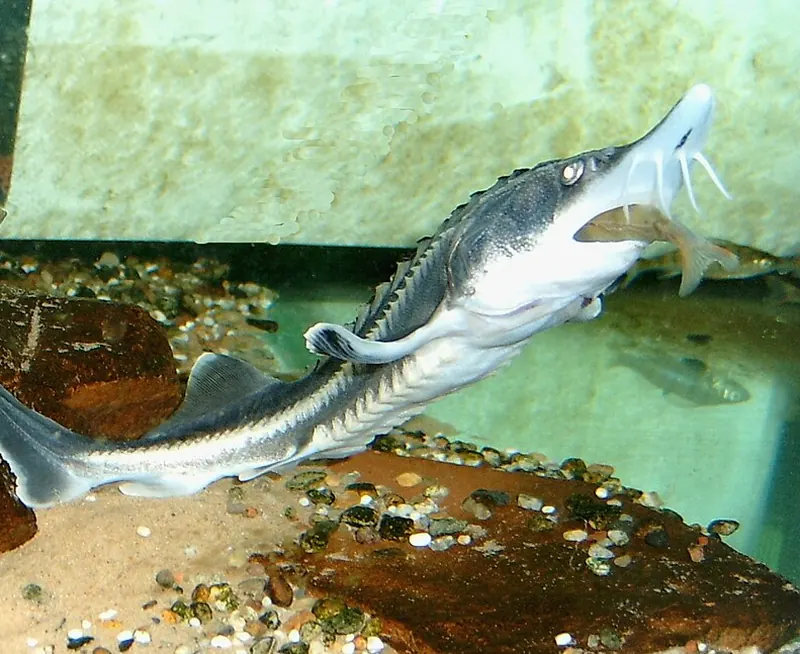
The beluga sturgeon is the largest freshwater fish in the world.
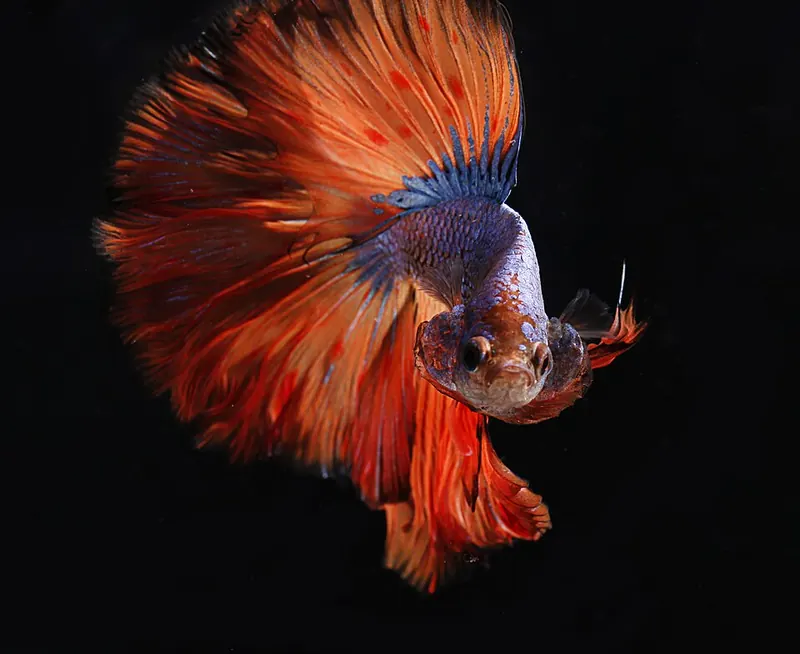
Wild bettas are drab. The bright reds and blues come from selective breeding.
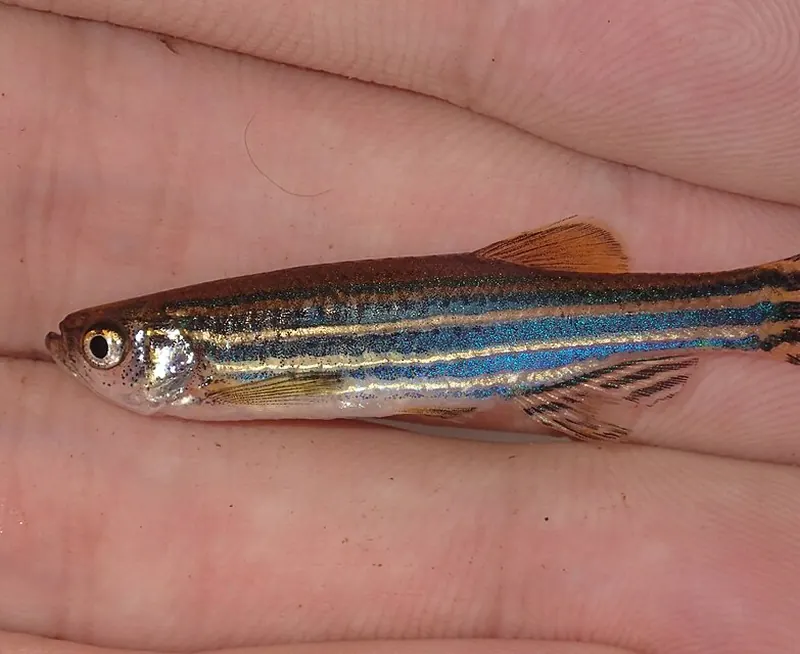
Its major organs begin forming within 36 hours of fertilization.
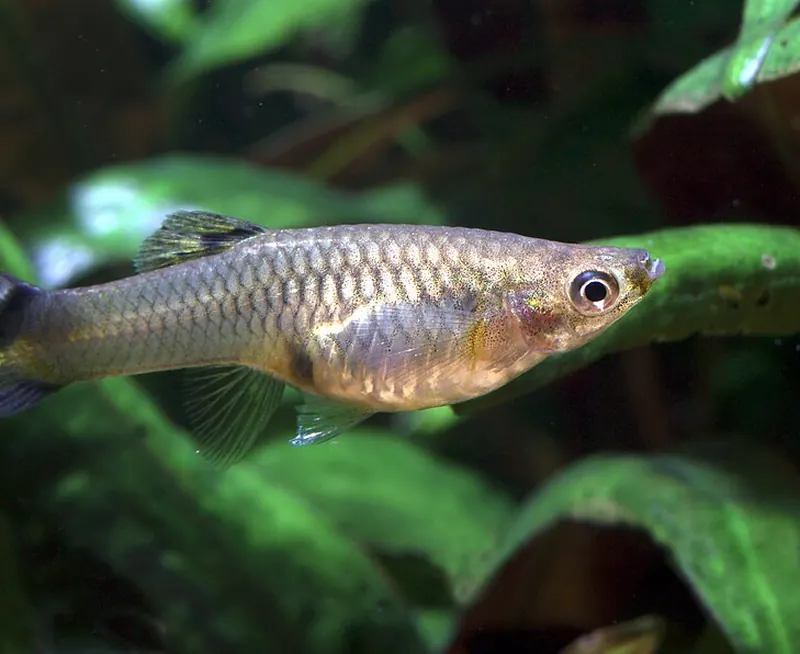
Guppies have been introduced to every continent except Antarctica.
Every photograph and every outline comes from a real, openly licensed image, credited at the bottom of its card. Only plain charts are drawn.
The words on these cards are written by AI from the sources named on each card. Software matched every number and claim to a sentence in those sources. Mistakes are still possible, so follow a card's links before relying on it.
Globe dots are real recorded sightings from GBIF. Where a card says native range only, they are clipped to that range. Otherwise they can include zoos, gardens and places the species was introduced.