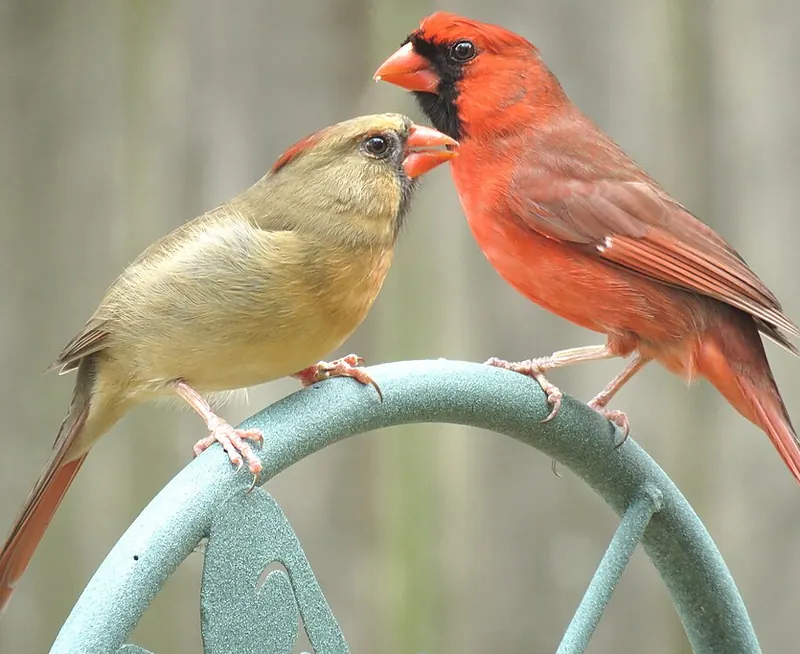
Aves › Passeriformes › Cardinalidae
Northern cardinal
In one study, 9 to 35% of nestlings came from extra-pair copulations.
Field Guide · Chapter 7 of 29
Swipe across, tap a card to turn it over, then scroll down its back. Try Look closer on a front, spin a globe, and lift the question on a park sign.
In one study, 9 to 35% of nestlings came from extra-pair copulations.
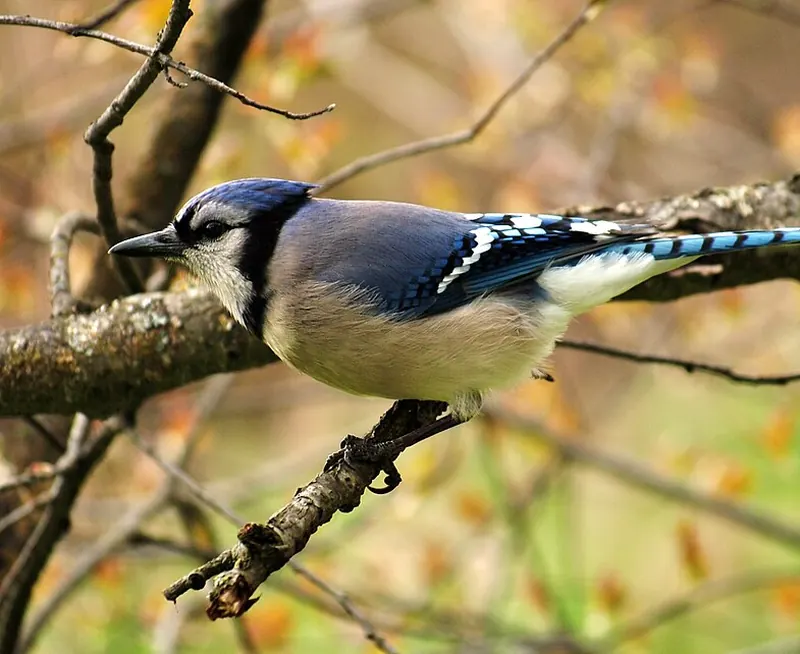
In winter a blue jay hides far more food than it can eat.
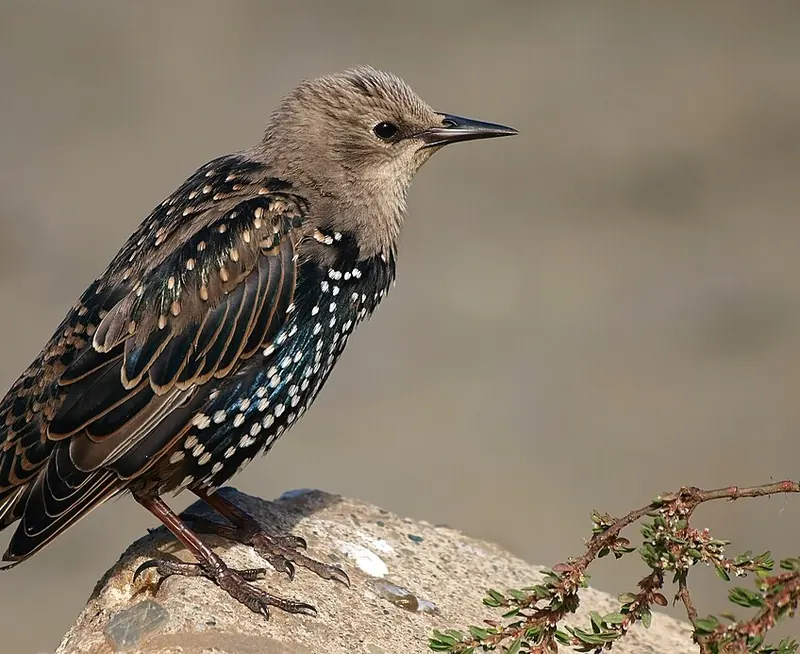
Some roosts hold up to 1.5 million of them, and their droppings cause trouble.
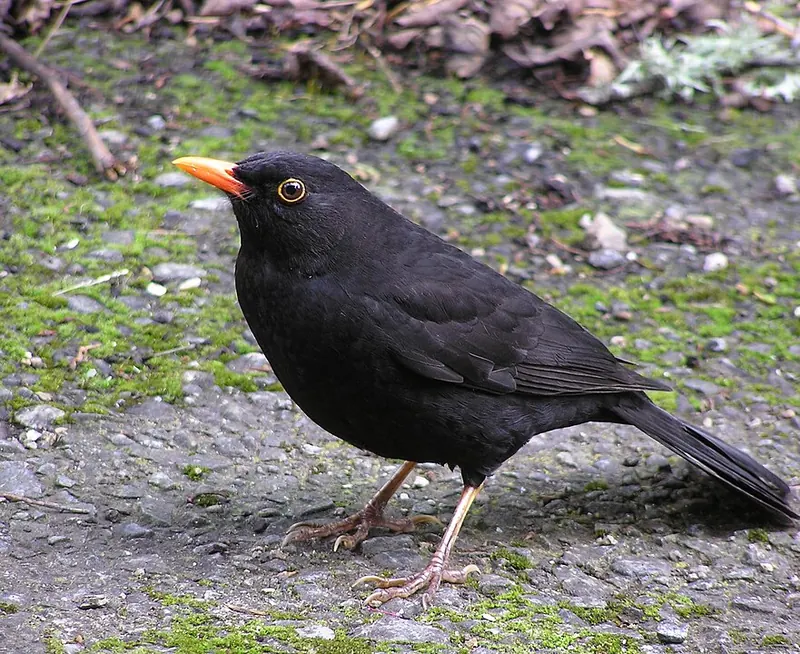
A few of its former Asian subspecies are now treated as species of their own.
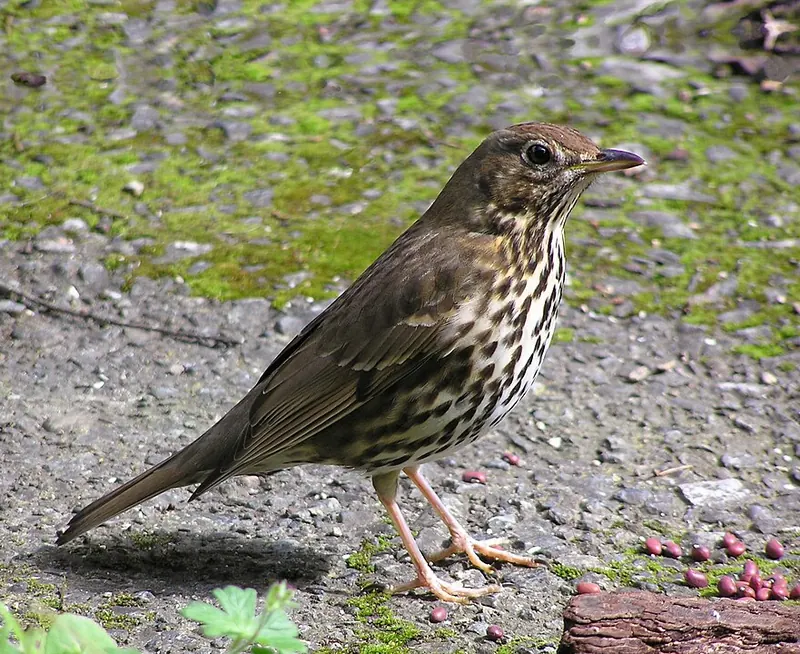
It breaks snail shells by smashing them on a favourite stone it uses as an anvil.
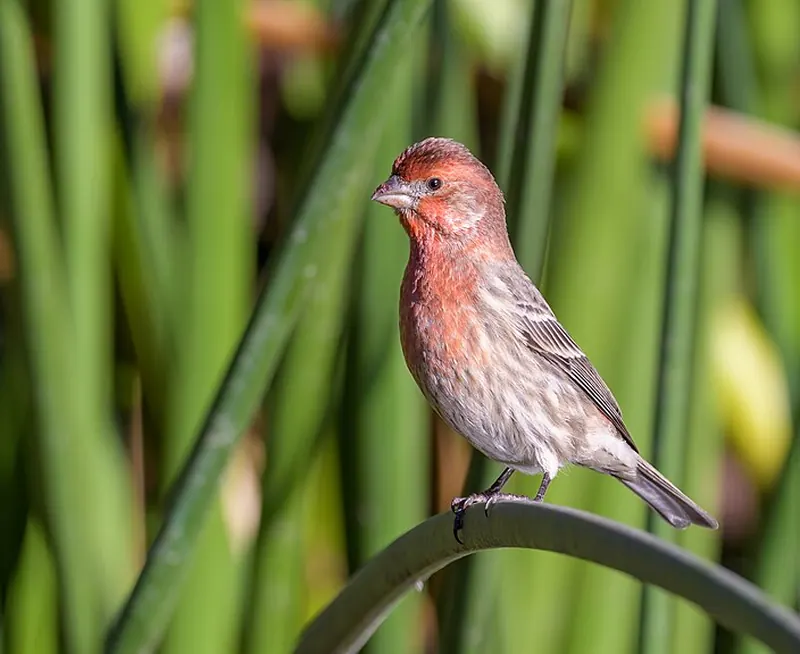
A male house finch gets its red from the berries it eats, and the color rises and falls with the seasons.
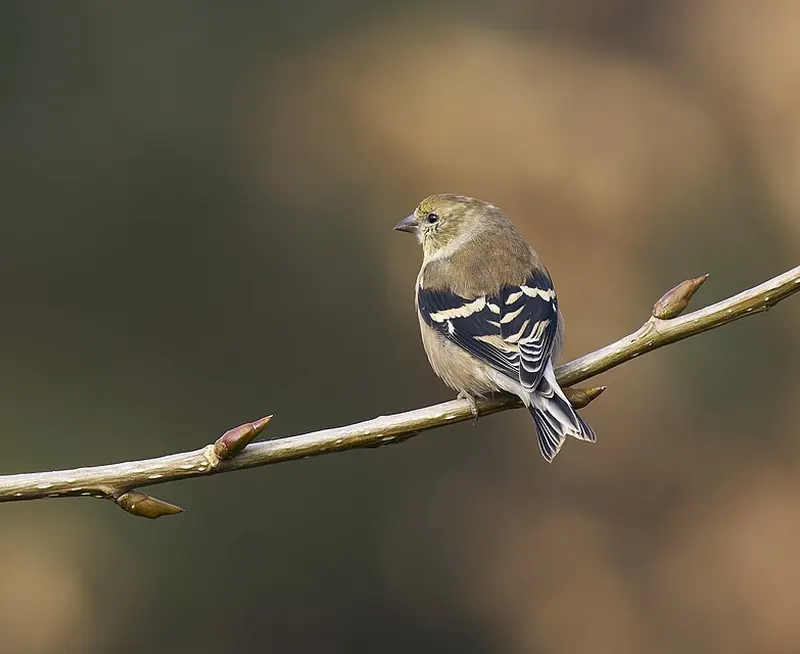
The only cardueline finch that molts twice a year, so its plumage changes with the seasons.
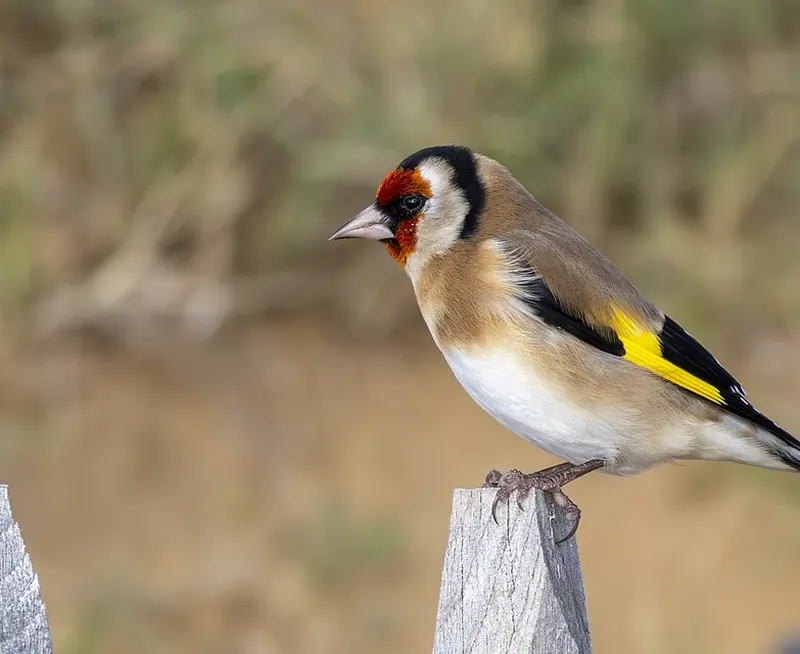
One goldfinch in Armenia ate 30 seeds from one sunflower head in a single hour.
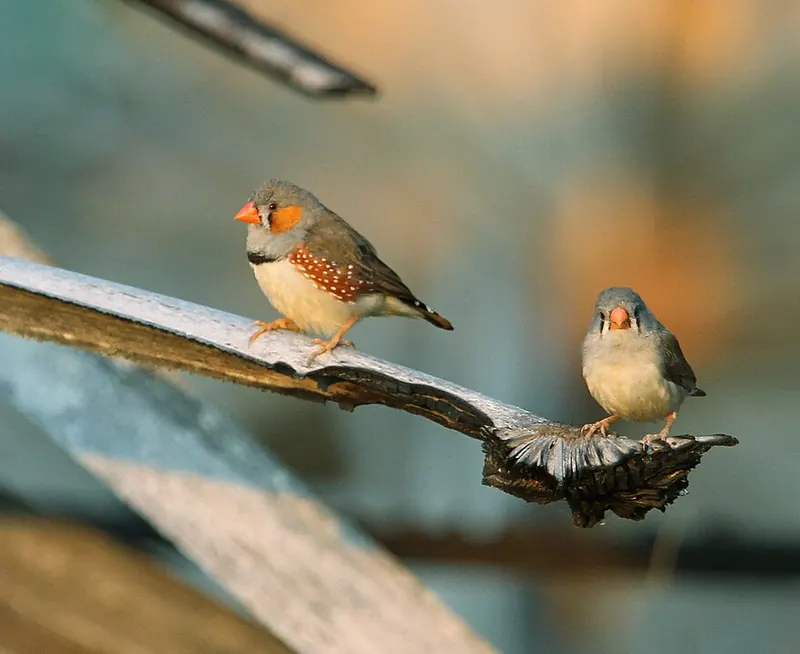
Only the males sing, and each finch has a song that is its own.
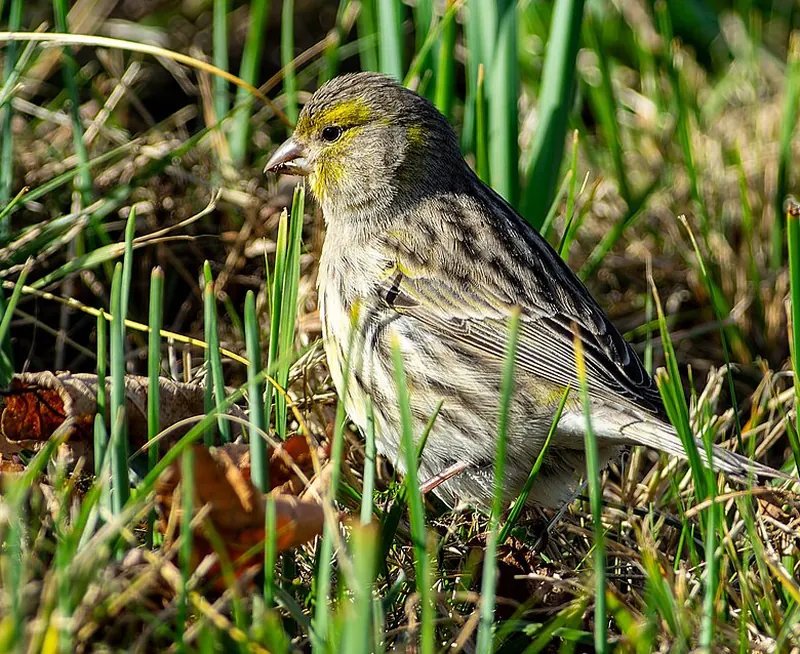
A bird that often nests in groups, each pair defending its own small territory.
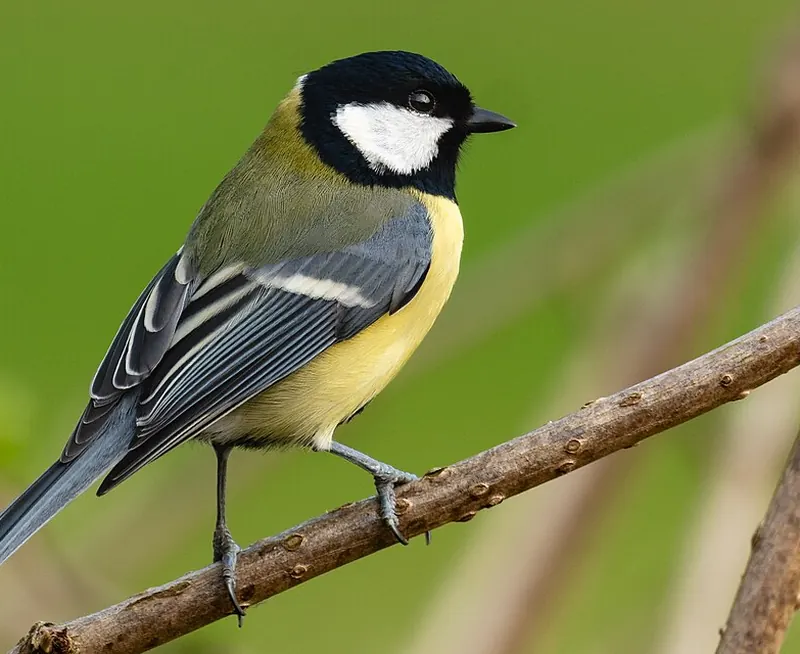
Apple orchards suffer far less caterpillar damage where great tits feed, by up to half.
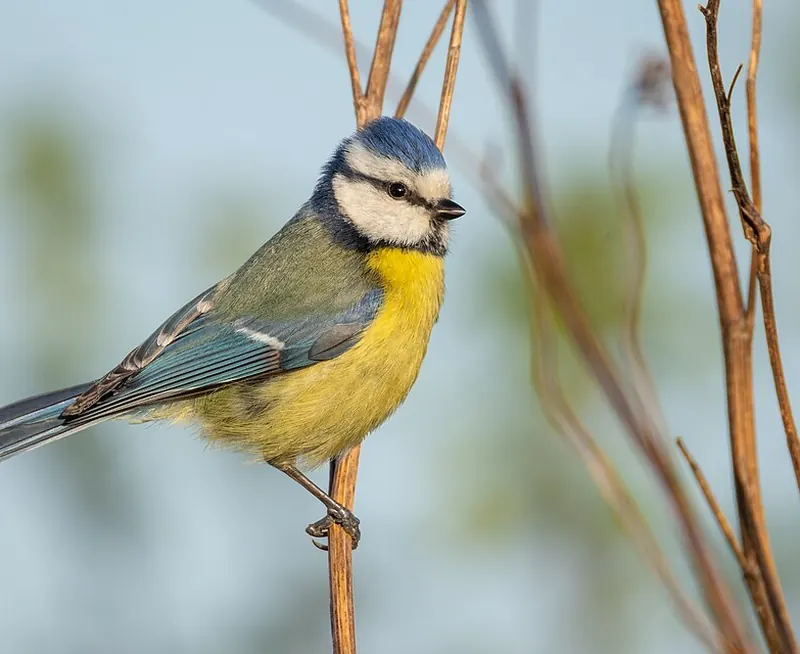
Blue tits once taught one another to open milk bottles for the cream.
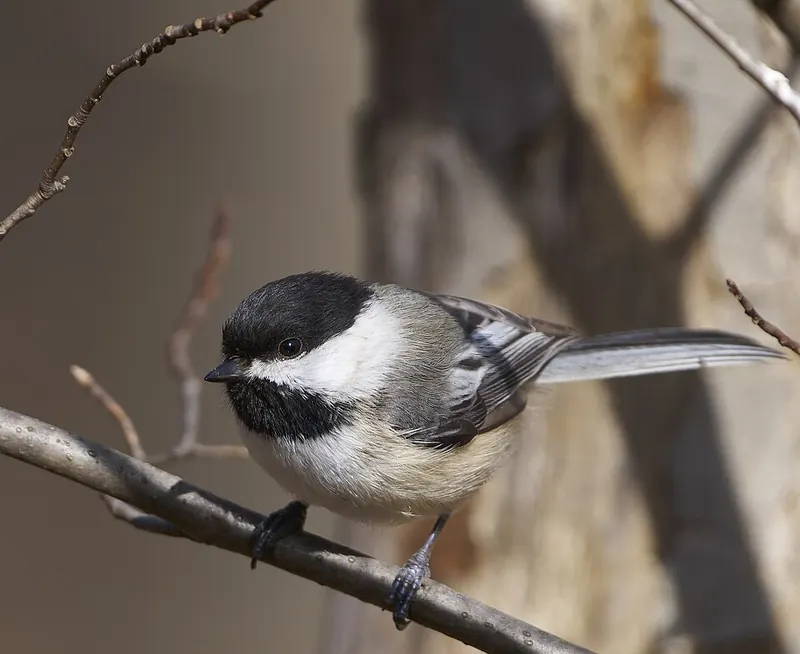
On cold winter nights it lowers its body temperature to save energy.
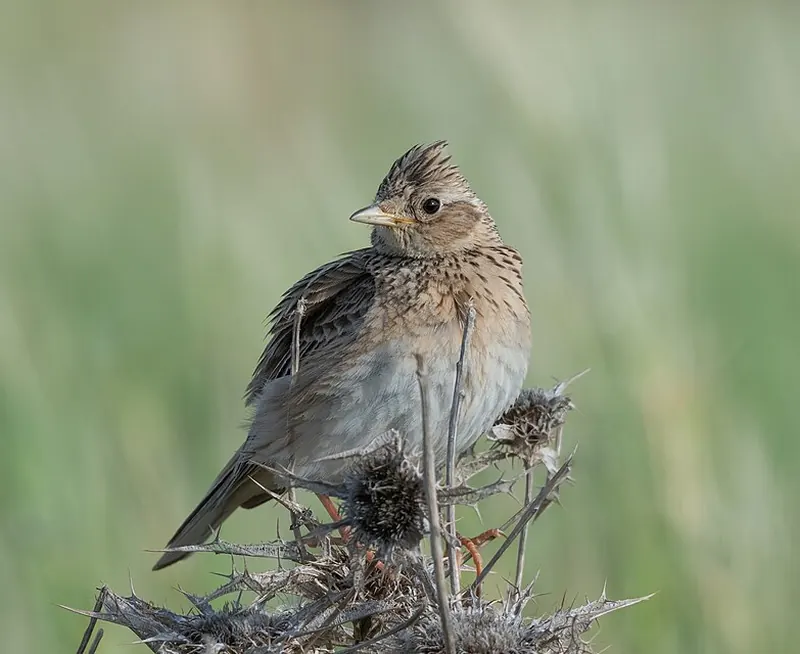
Its song comes from so high up that the singer can look like a dot in the sky.
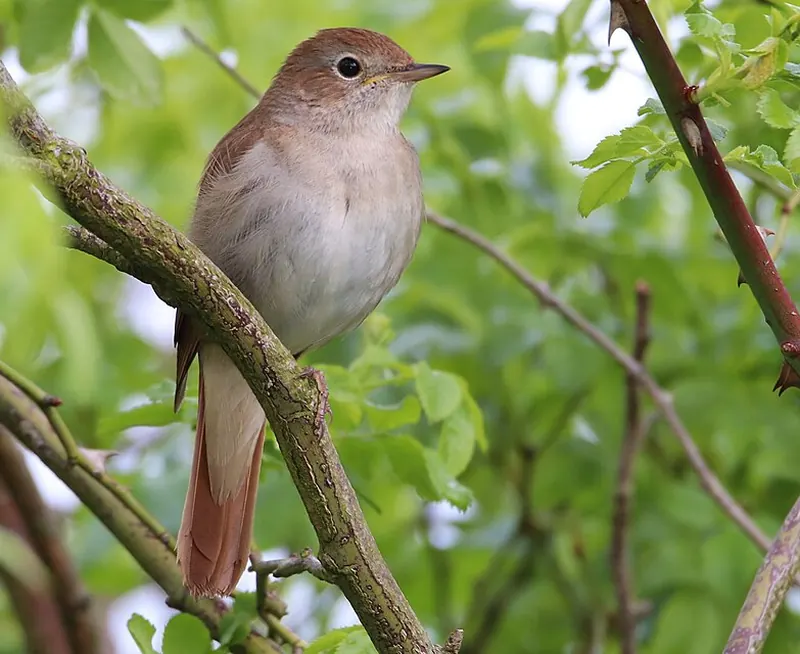
Early writers thought the female sang, but it is the male who does.
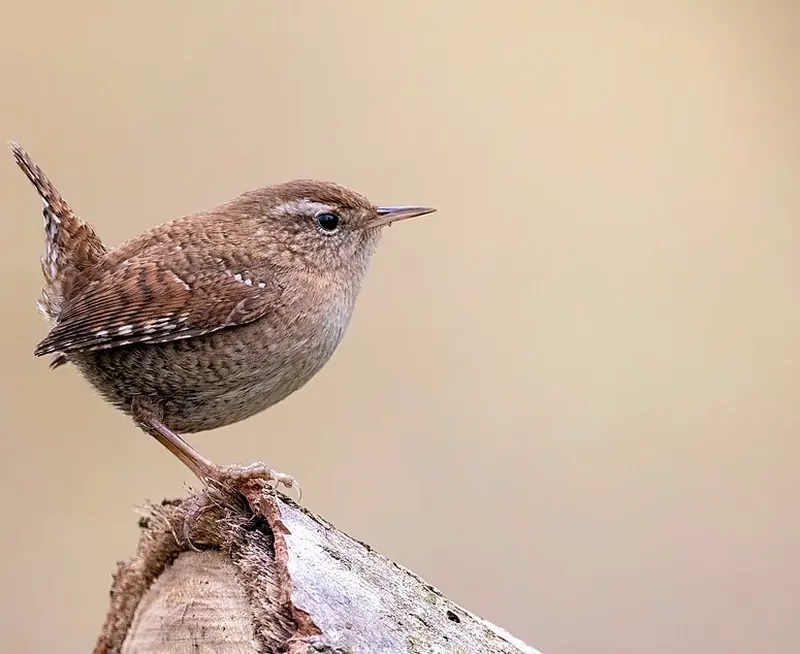
Weight for weight, its song is ten times louder than a cockerel.
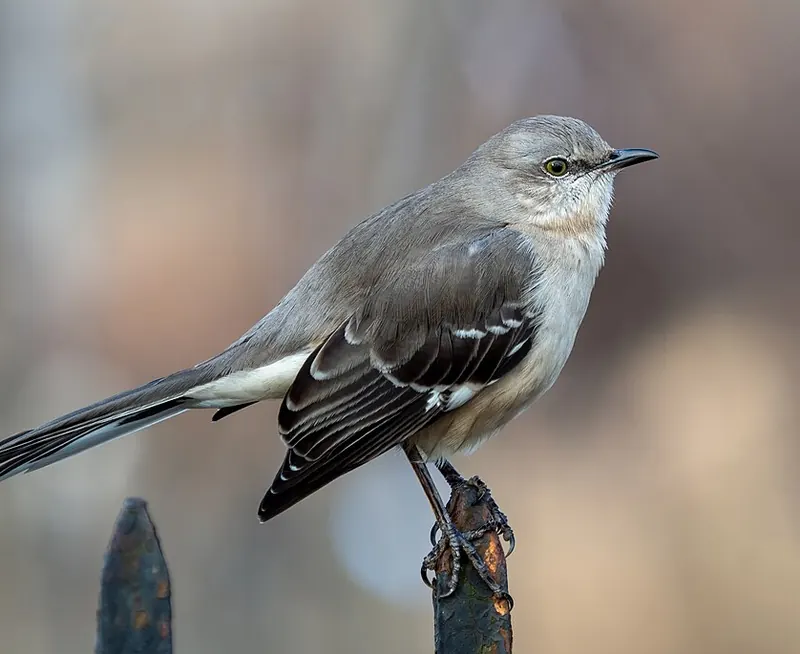
Its repertoire runs to at least 39 songs and 50 call notes.
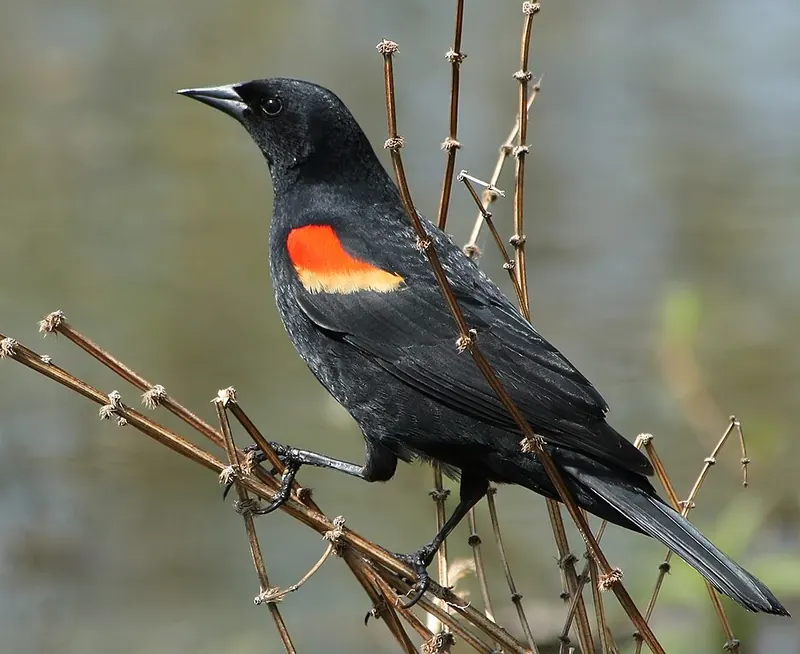
Some say it may be the most numerous land bird on the continent.
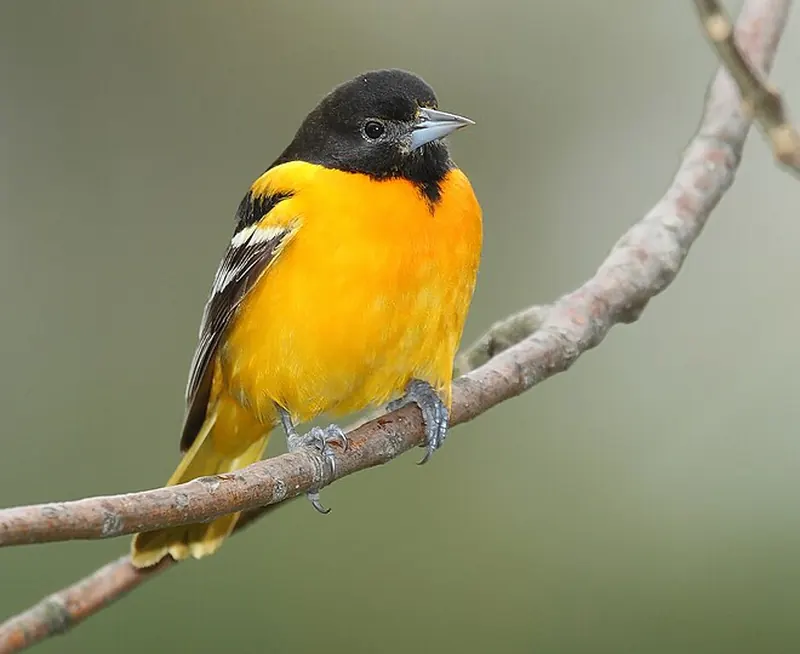
Its name comes from a 17th-century lord's coat of arms, because the male's colours match it.
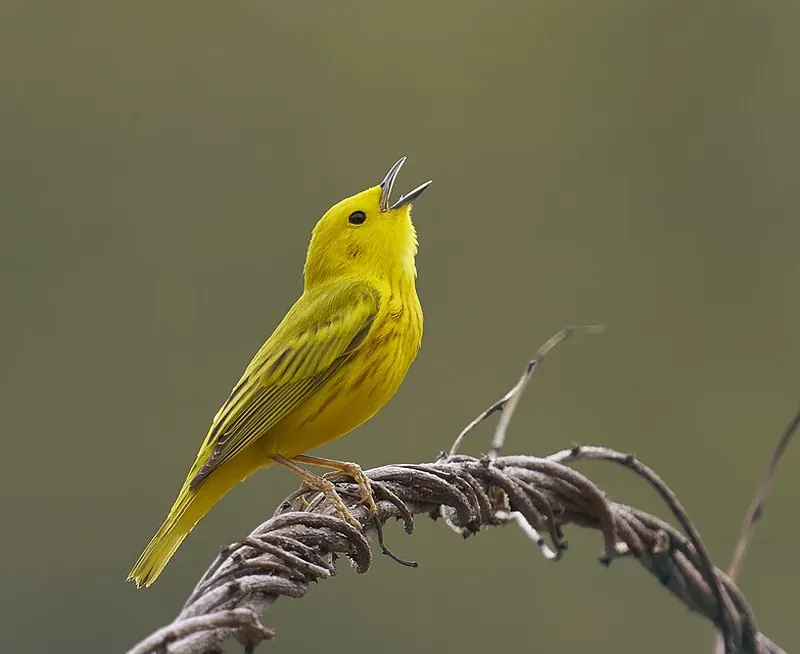
A small yellow bird once thought to be the same species as its migratory cousin.
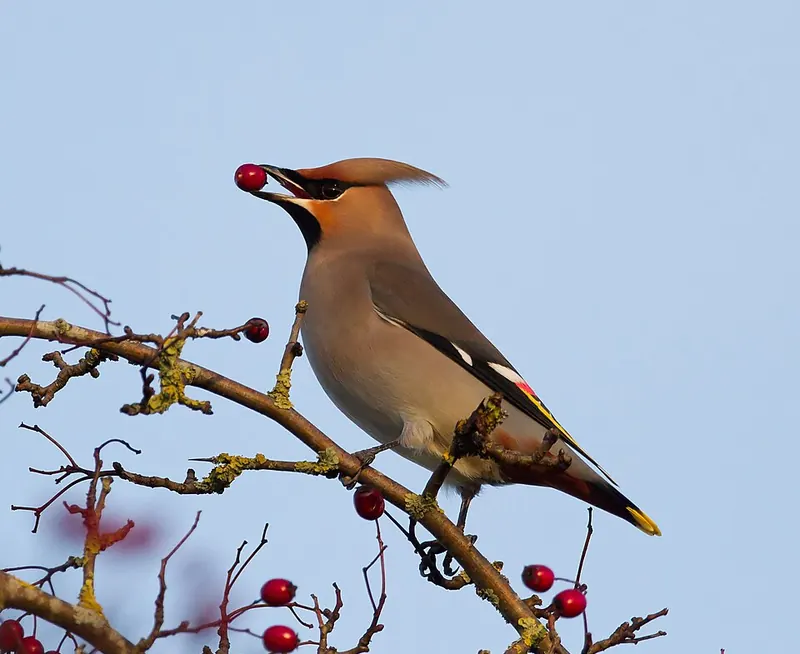
Its name comes from red tips on its wing feathers, which look like sealing wax.
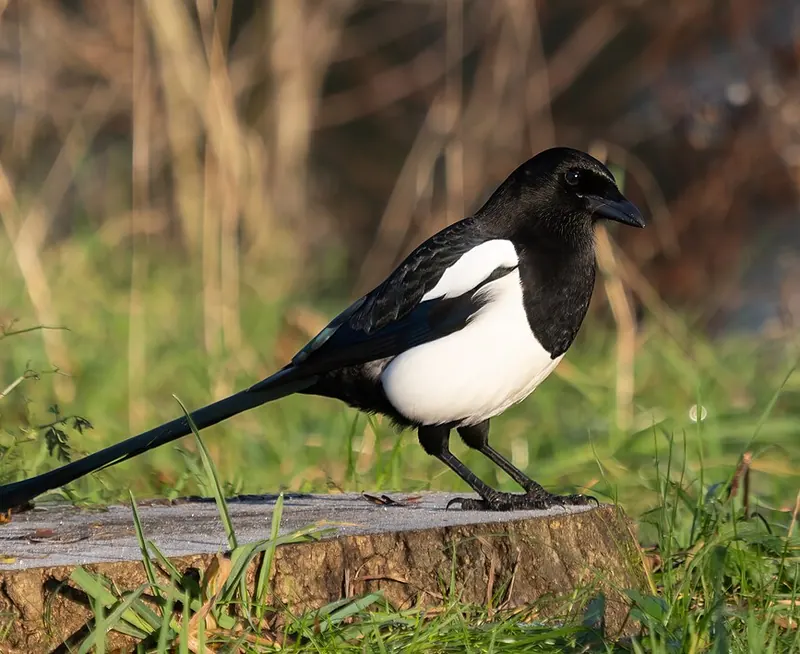
One of the few birds known to pass the mirror test.
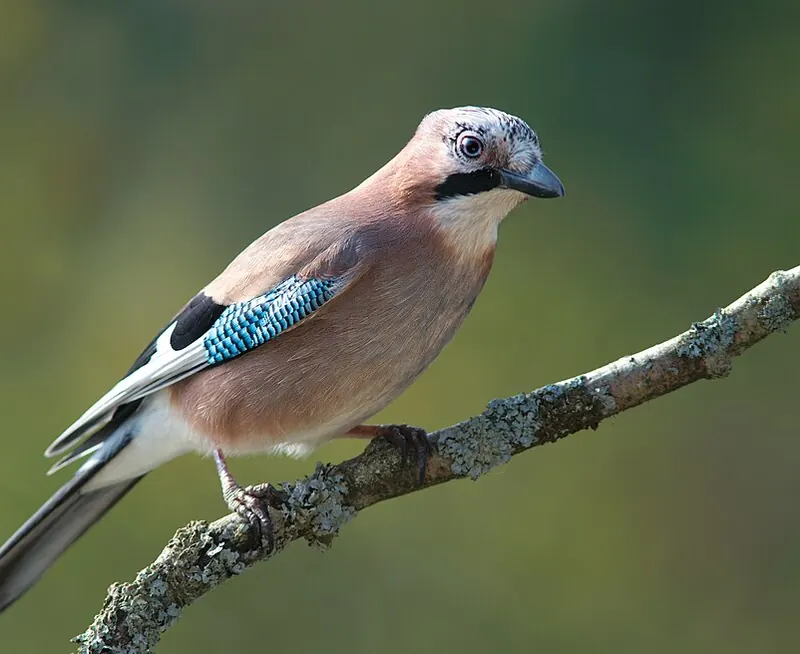
Jays are credited with helping oaks spread north quickly after the last ice age.
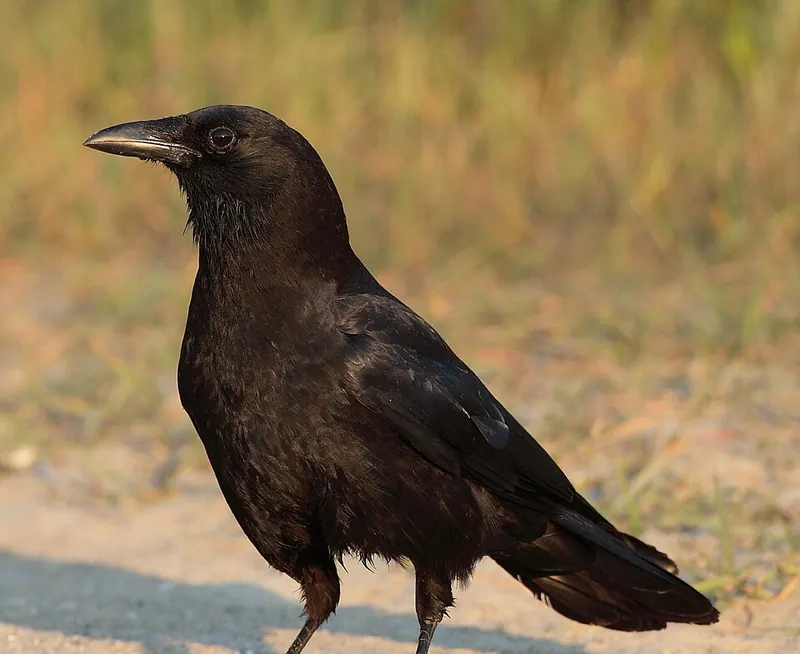
One of only a few birds known to modify and use tools to get food.
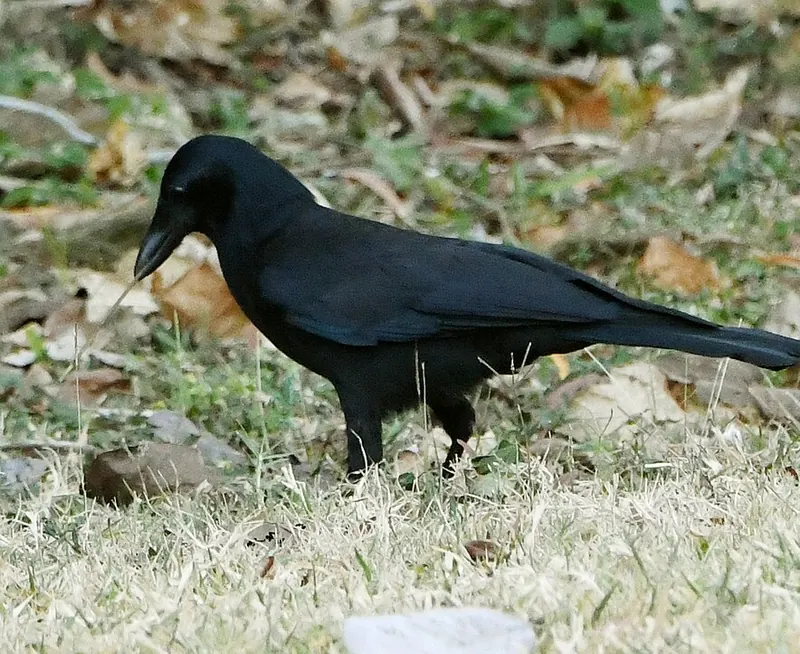
It makes its own hooks from twigs and ferns.
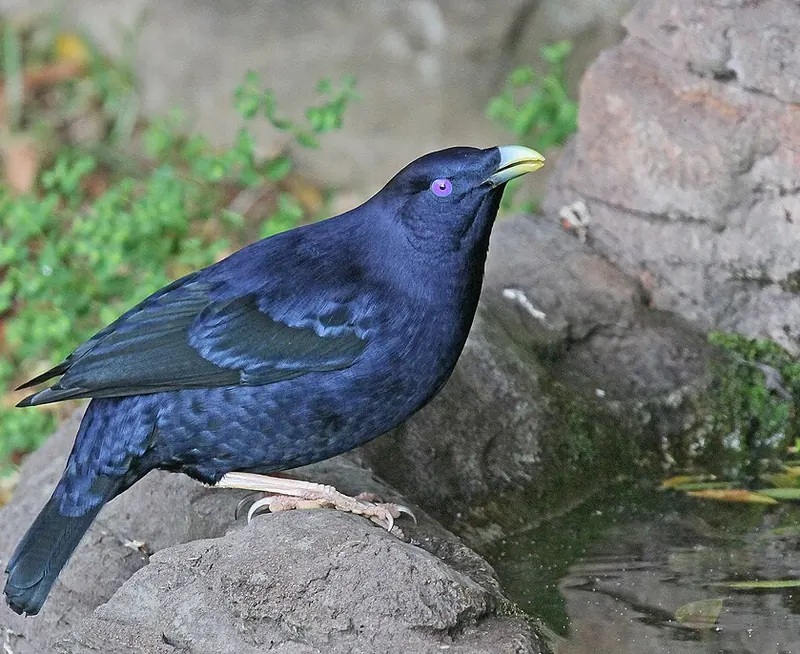
A wild satin bowerbird lived twenty-six years, the longest of any banded passerine bird.
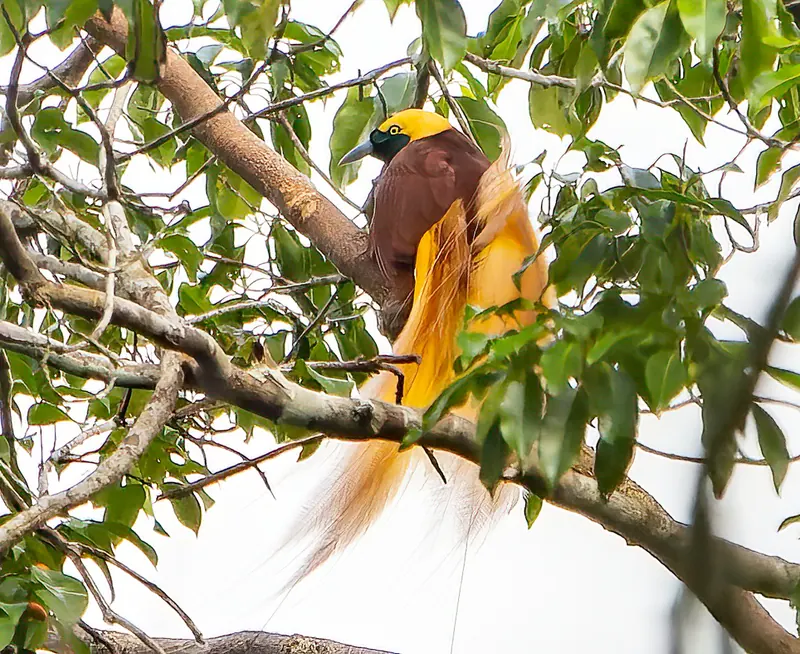
Early trade skins had no wings or feet, so people believed these birds never touched the ground.
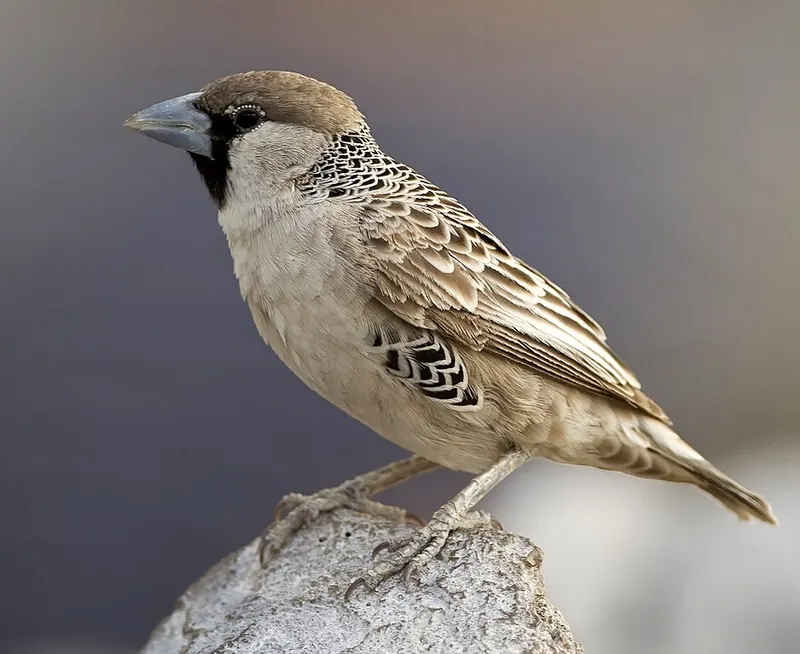
A small bird that builds large shared nests, a rarity among birds.
Every photograph and every outline comes from a real, openly licensed image, credited at the bottom of its card. Only plain charts are drawn.
The words on these cards are written by AI from the sources named on each card. Software matched every number and claim to a sentence in those sources. Mistakes are still possible, so follow a card's links before relying on it.
Globe dots are real recorded sightings from GBIF. Where a card says native range only, they are clipped to that range. Otherwise they can include zoos, gardens and places the species was introduced.