Mammalia › Carnivora › Felidae
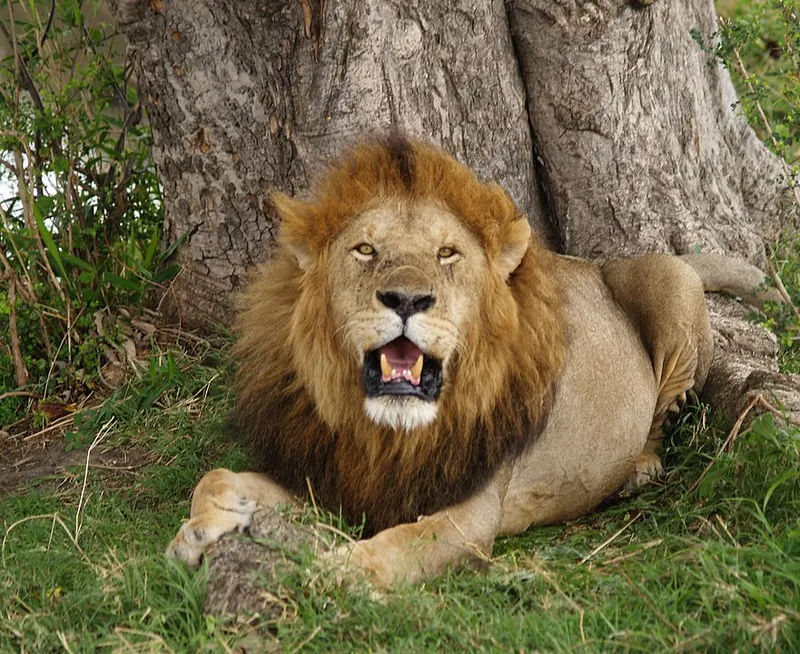
Lion
Up to 3.3 m long
Male lions are the only cats with manes.
Field Guide · Chapter 1 of 29
Swipe across, tap a card to turn it over, then scroll down its back. Try Look closer on a front, spin a globe, and lift the question on a park sign.
Male lions are the only cats with manes.
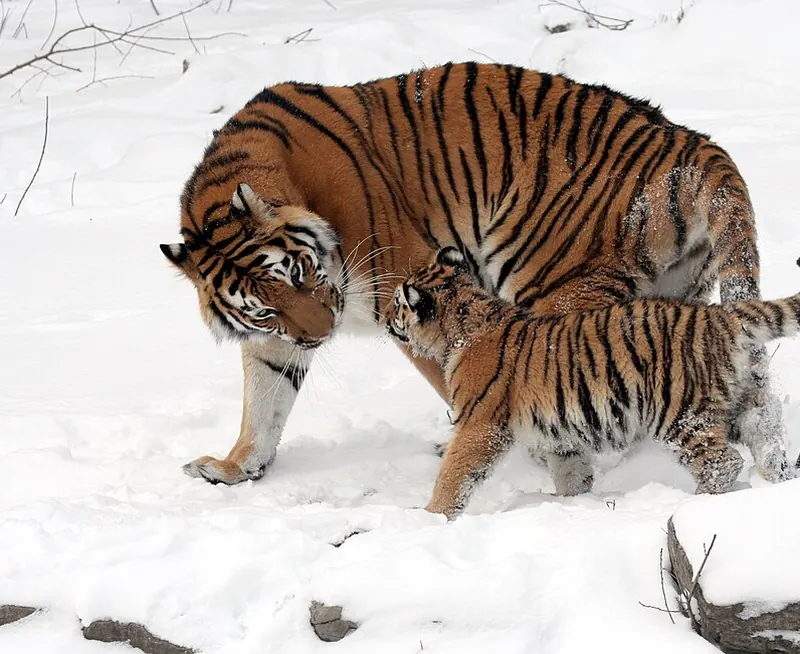
A tiger easily swims across rivers 8 km wide.
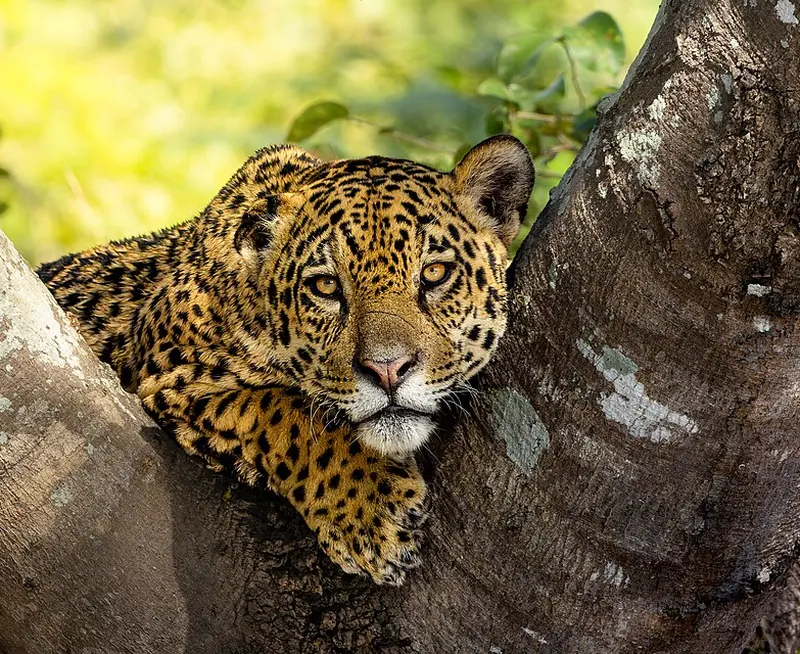
A jaguar was seen hauling a heavy sea turtle a long way into the forest.
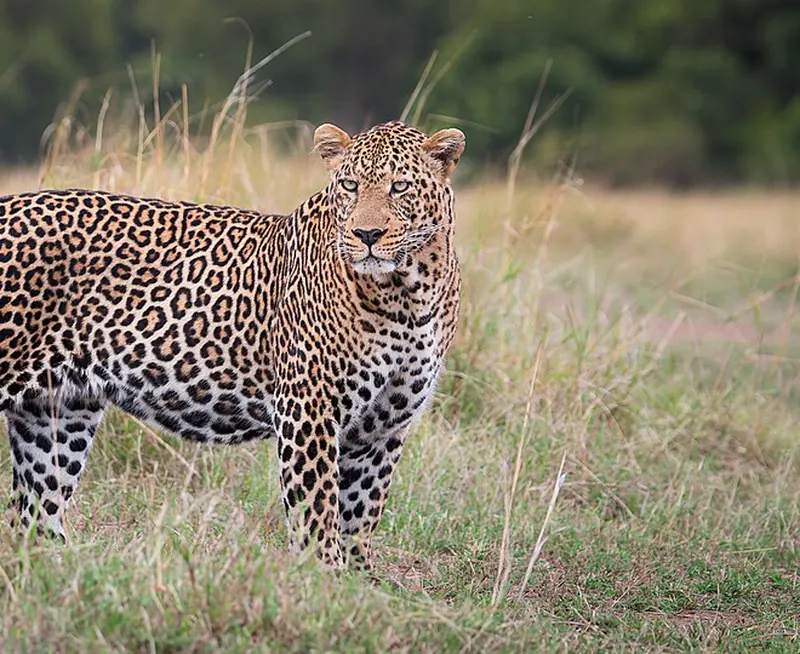
Each leopard has a coat unique to itself, so people can tell individuals apart.
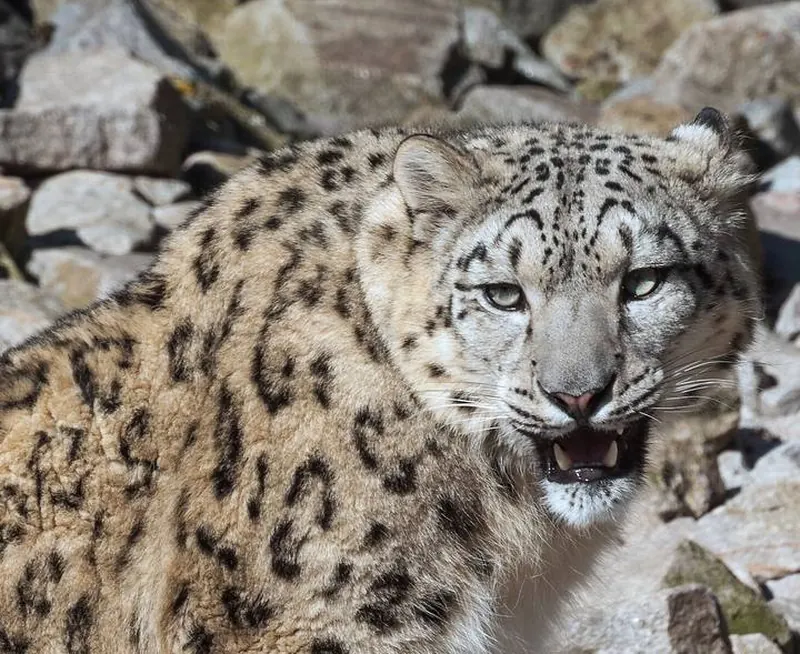
Broad furred paws and a tail nearly as long as its body let it chase prey down cliffs far above the tree line.
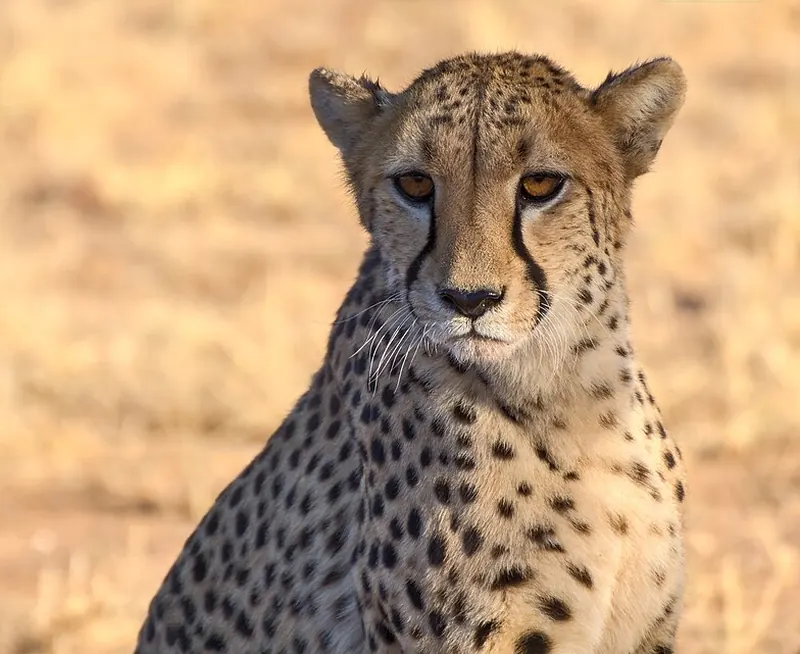
Cheetahs now occur in just nine per cent of their old African range, mostly in unprotected areas.
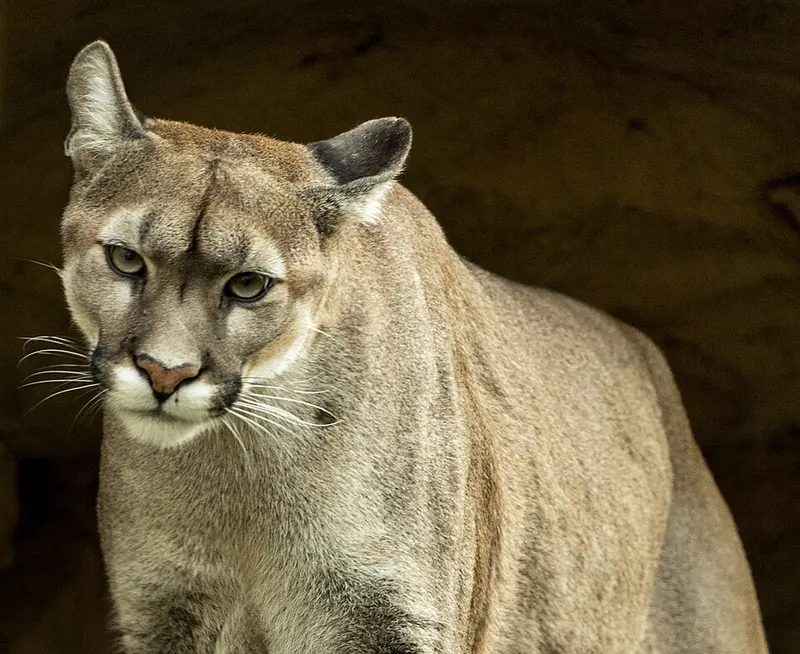
A wild cat whose range stretches 110 degrees of latitude, from Yukon to the southern Andes.
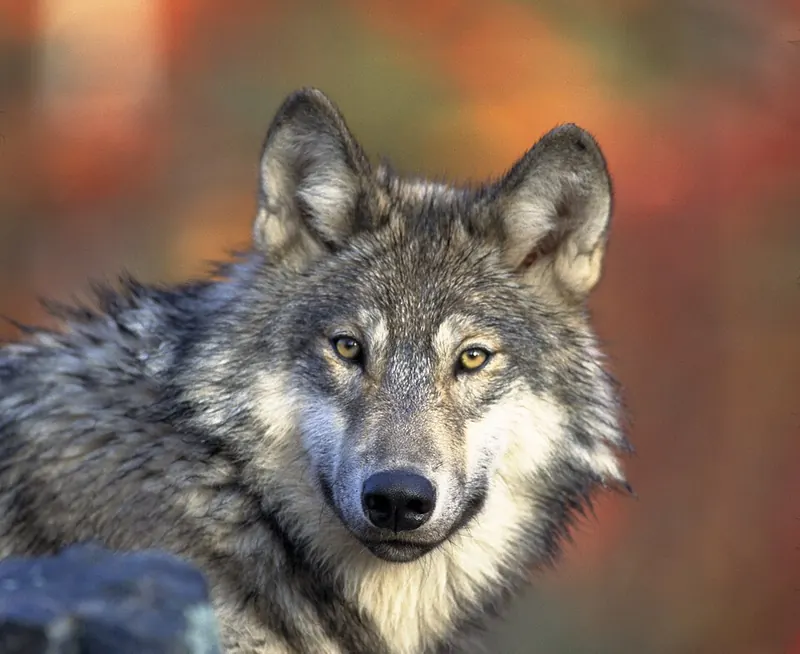
Fifteen wolves working as one pack can bring down an adult moose.
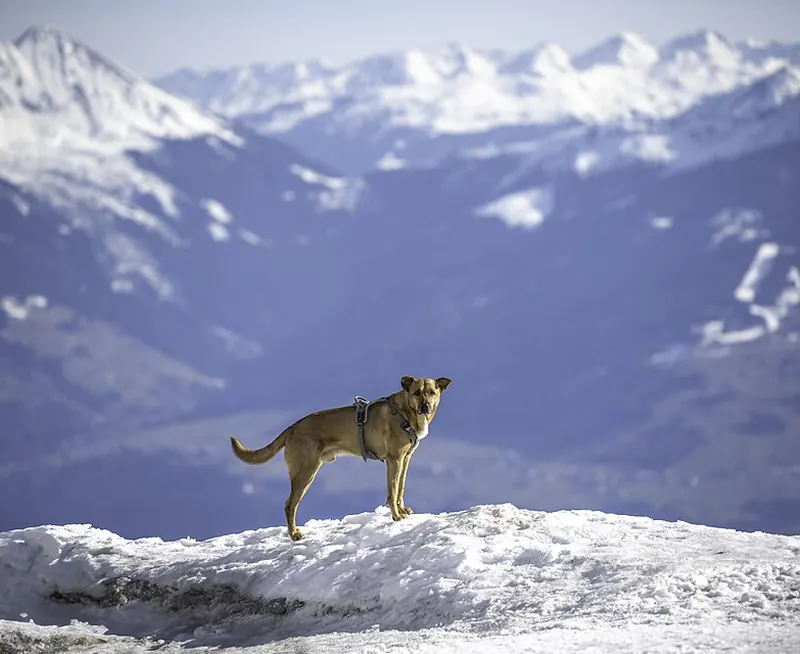
Dogs from farming societies carry extra copies of the genes that digest starch, which wolves lack.
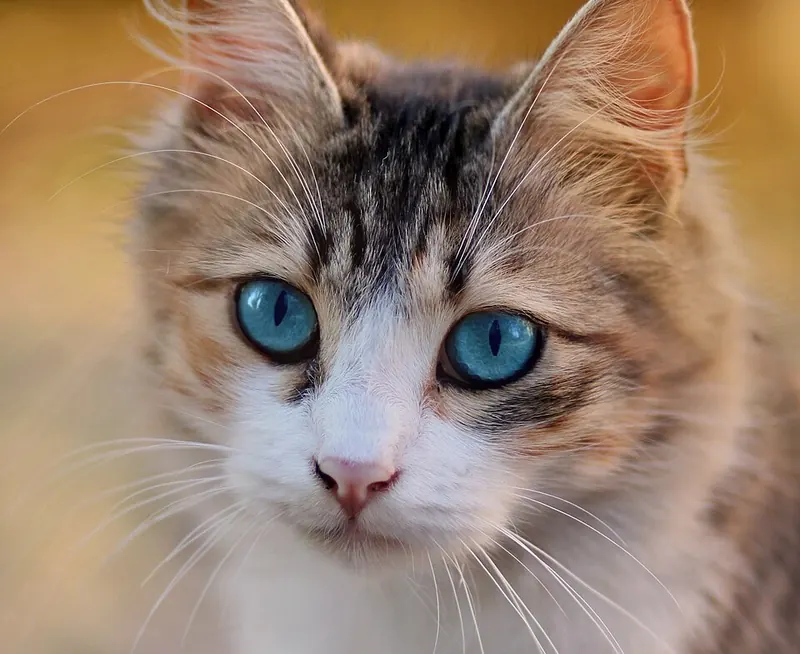
Cats cannot make enough taurine themselves, so their food must supply it.
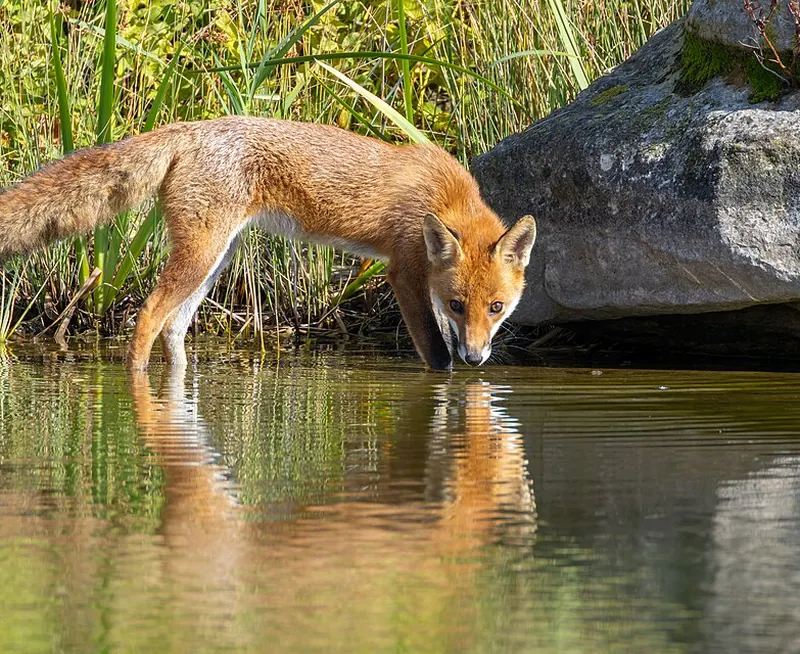
Among the order Carnivora it is the most widespread, found on every continent but South America and Antarctica.
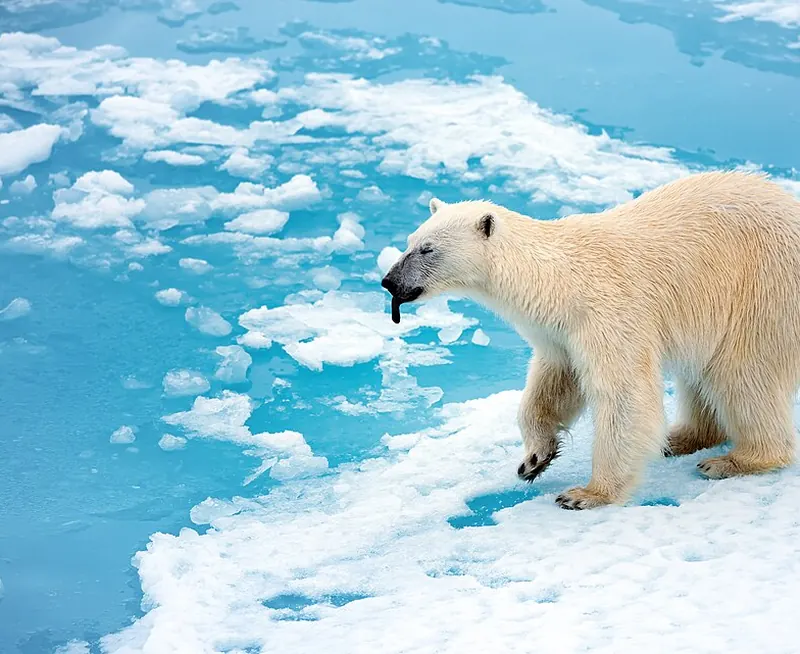
The largest bear and land carnivore alive, by body mass.
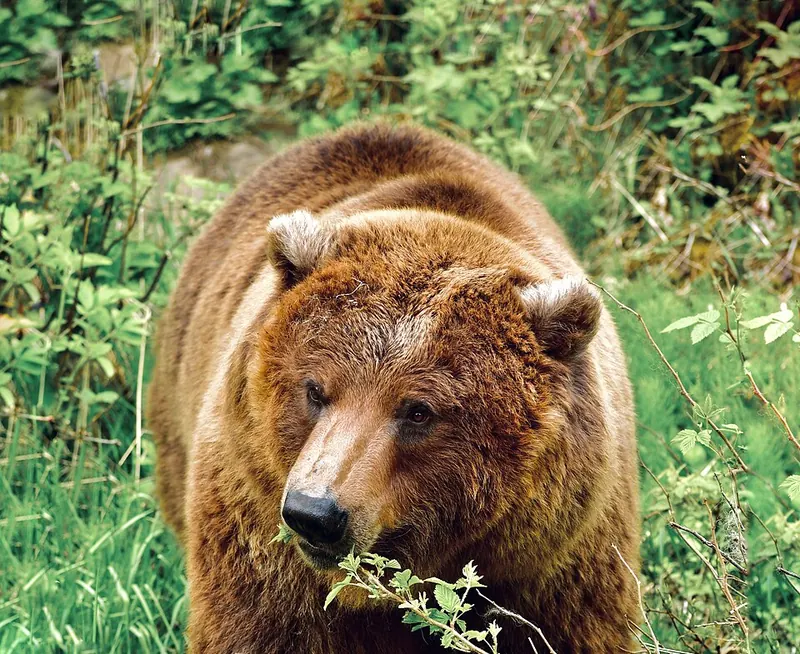
A brown bear can drag a dead elk uphill and outswim an Olympian.
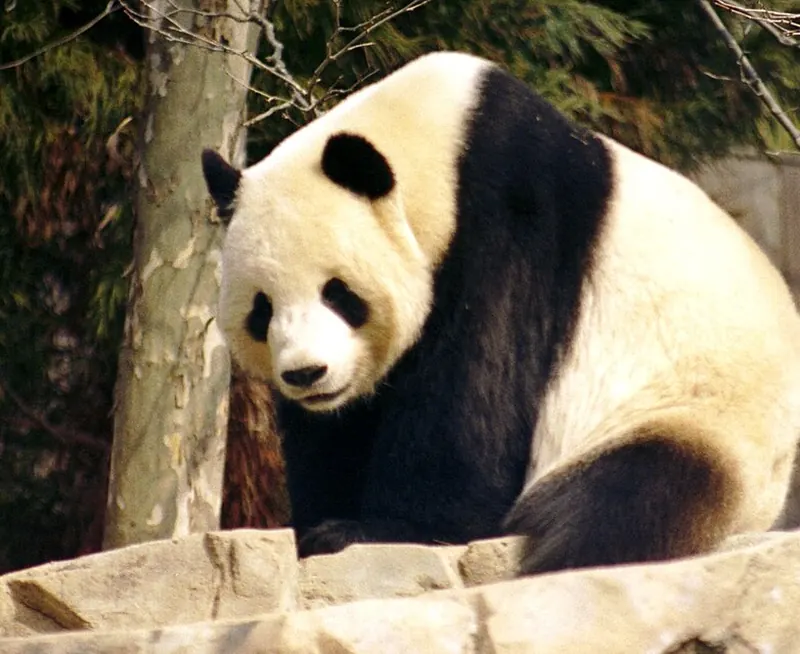
Its thumb is not a thumb, but a wrist bone with a pad of skin over it.
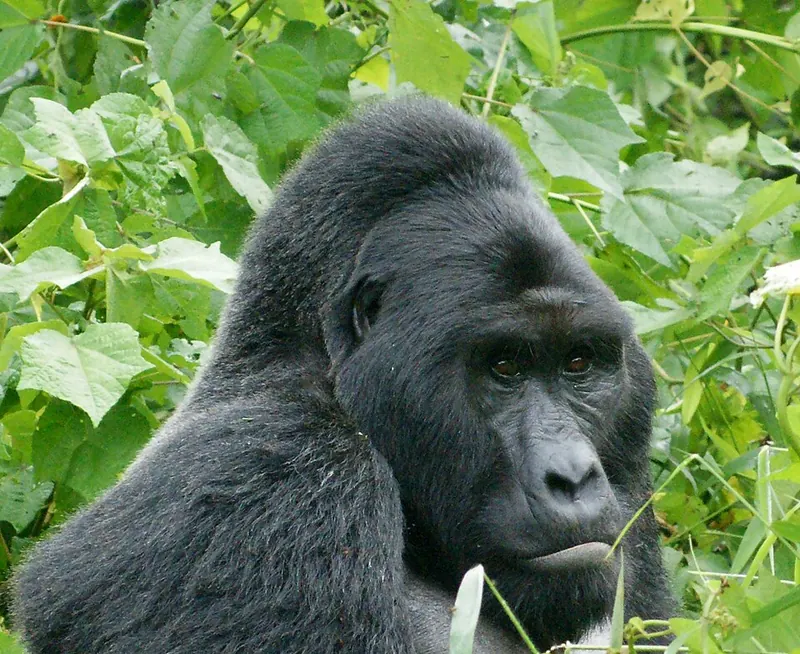
The species shed more than 70 percent of its numbers from 1996 to 2016.
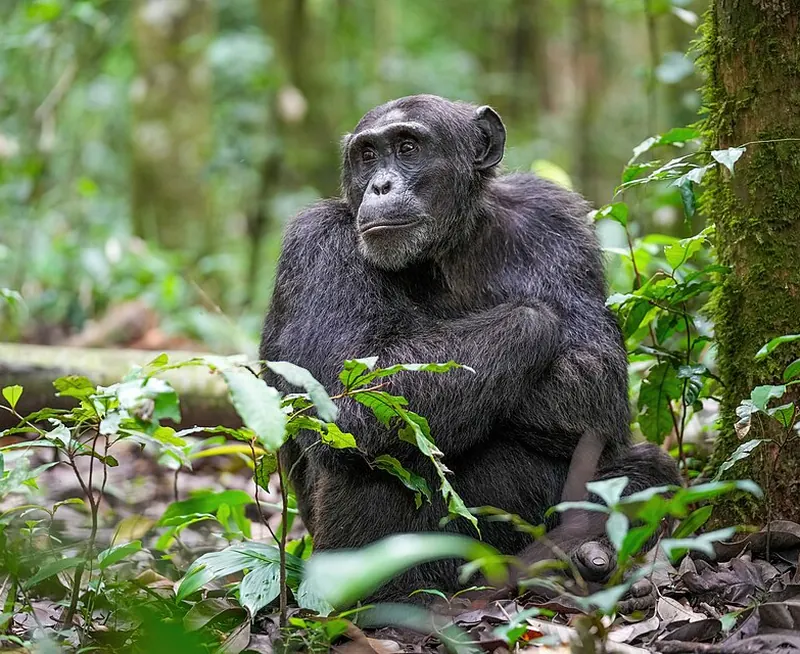
Along with the bonobo, the chimpanzee is among the closest living relatives of humans.
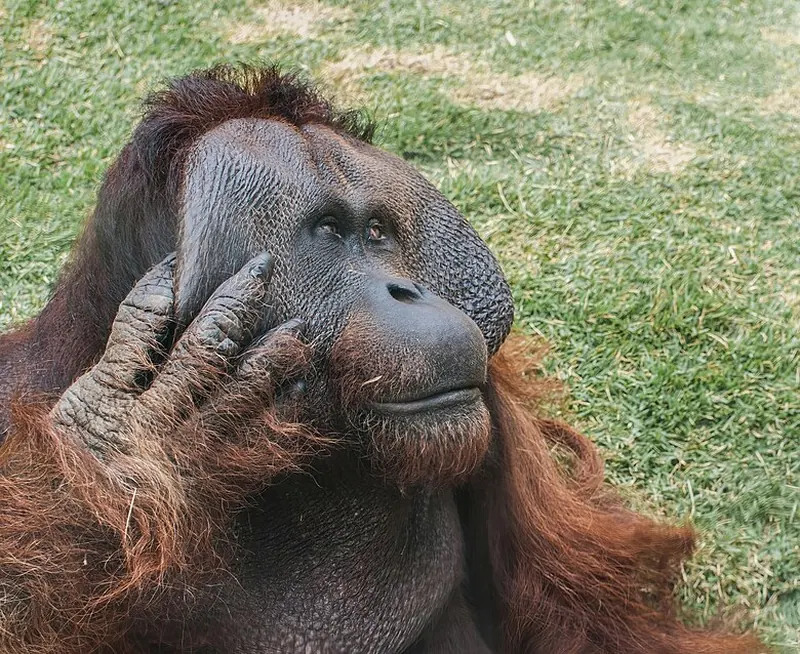
The largest tree-dwelling ape still alive.
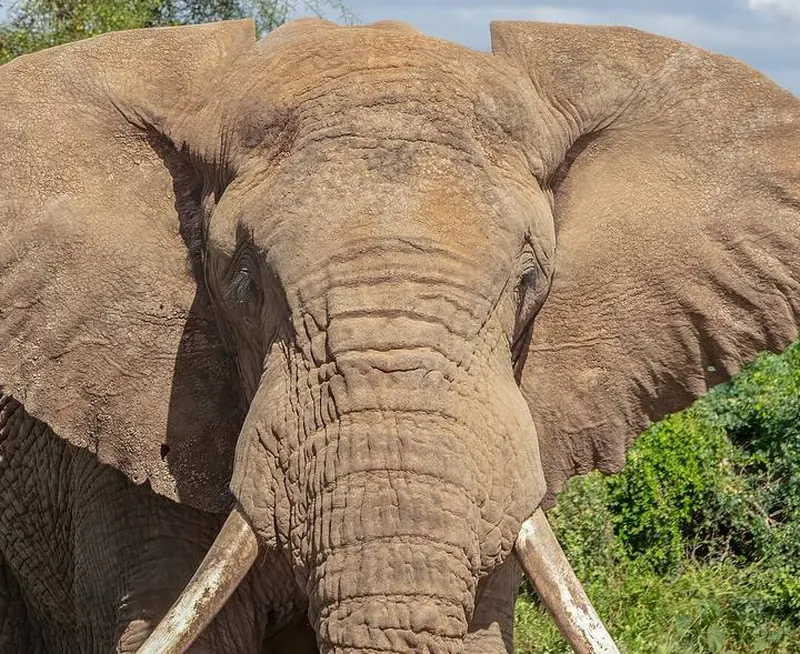
The largest land animal alive. A grown bull stands about 3.2 m at the shoulder and weighs about 6 tonnes.
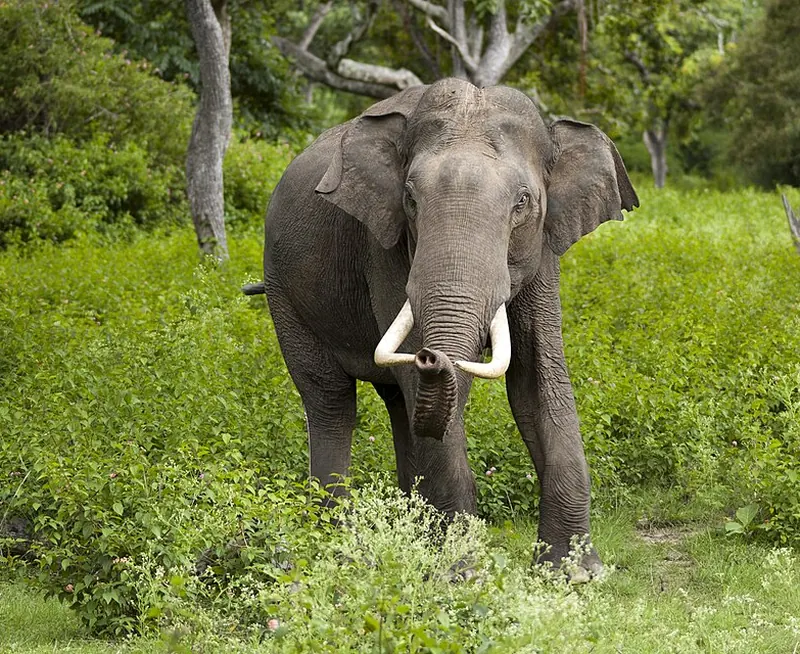
Some bulls each year enter musth, when testosterone can run up to 100 times higher than usual.
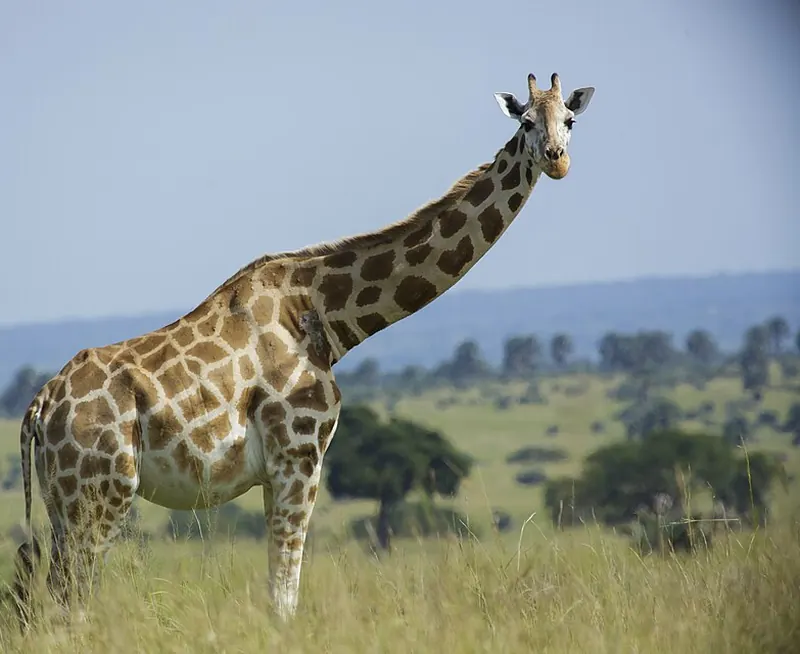
The world's tallest mammal, and the first thing to notice is its height.
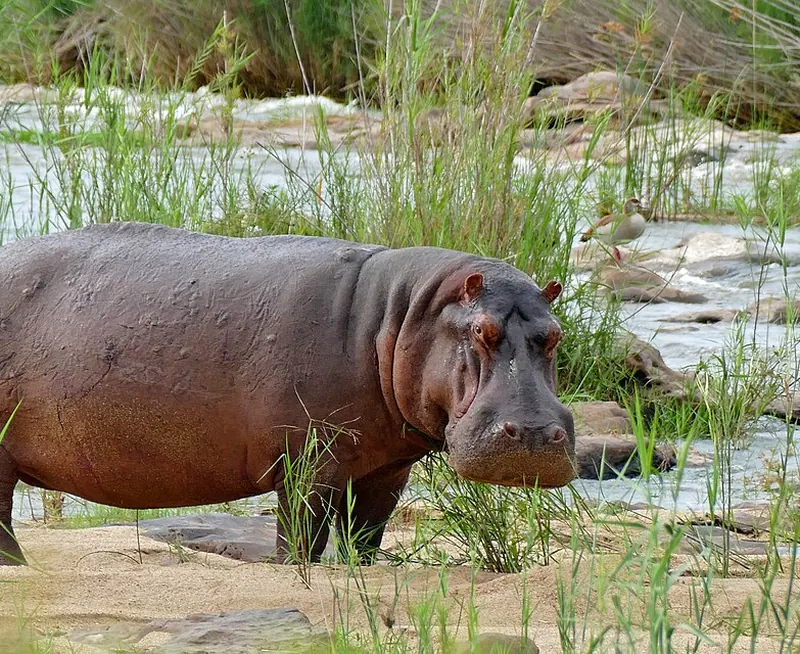
Its closest living relatives are whales, not the pigs it resembles.
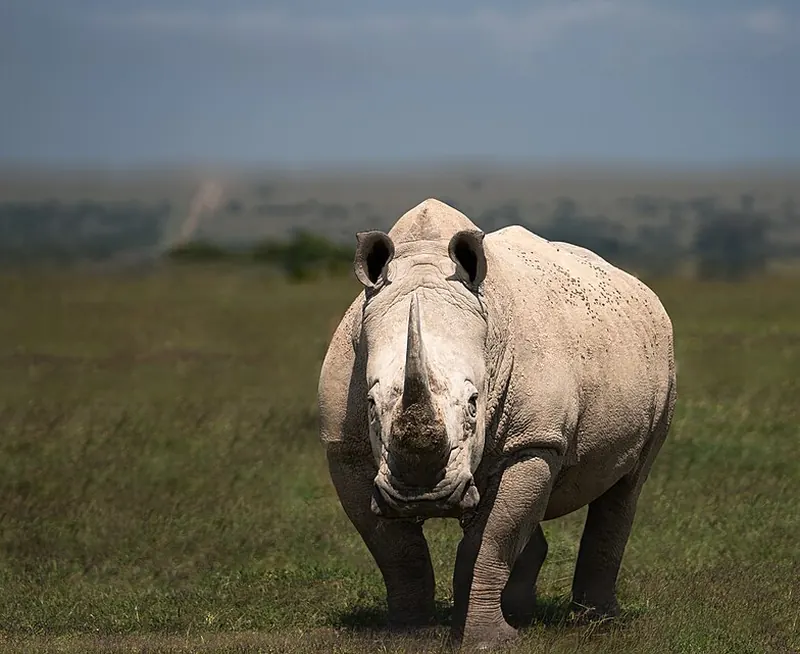
The white rhino is the largest of the five living rhino species.
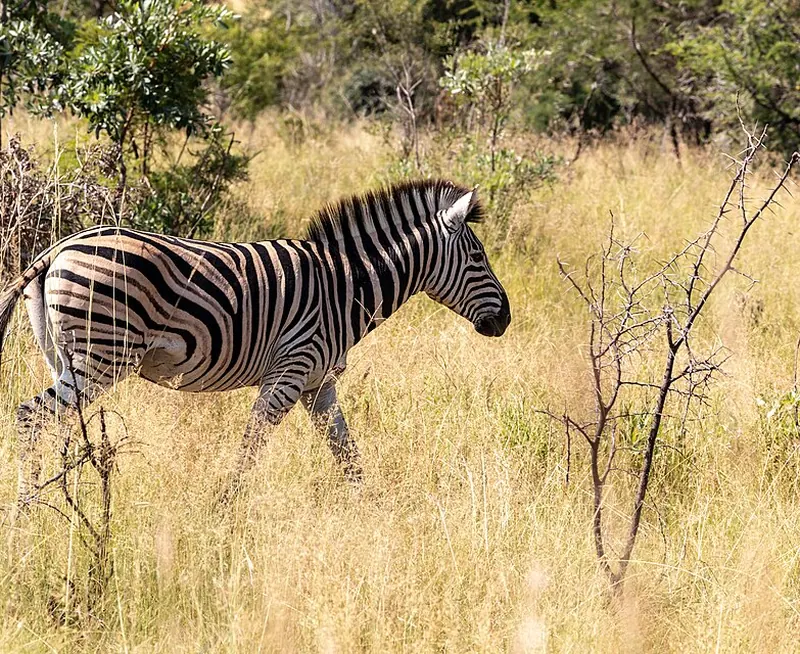
The most common and widespread zebra, found across much of southern and eastern Africa.
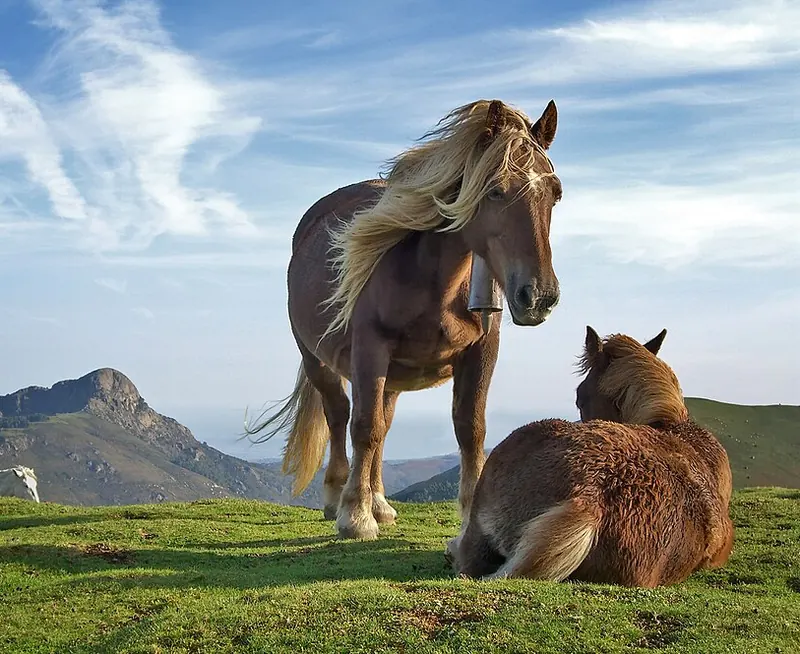
A horse is considered mature at four, yet its skeleton keeps growing until six.
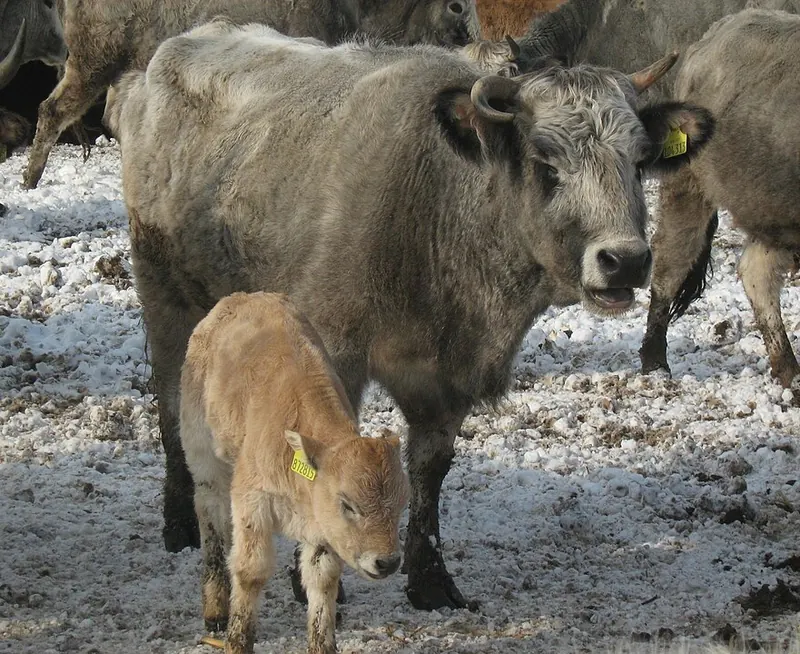
Today's cattle descend from wild aurochs that were tamed about 10,500 years ago.
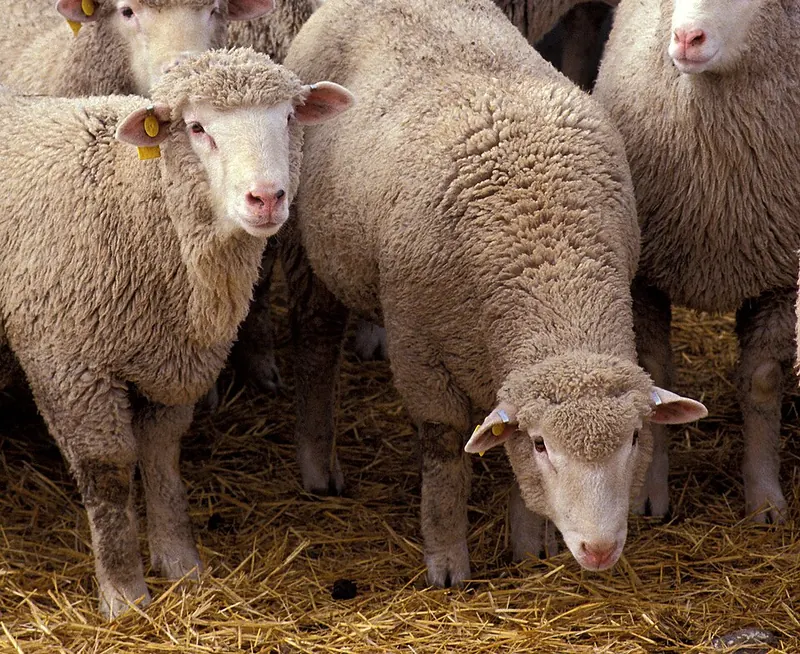
Sheep fleece is the animal fiber people use most, and it comes off by clipping.
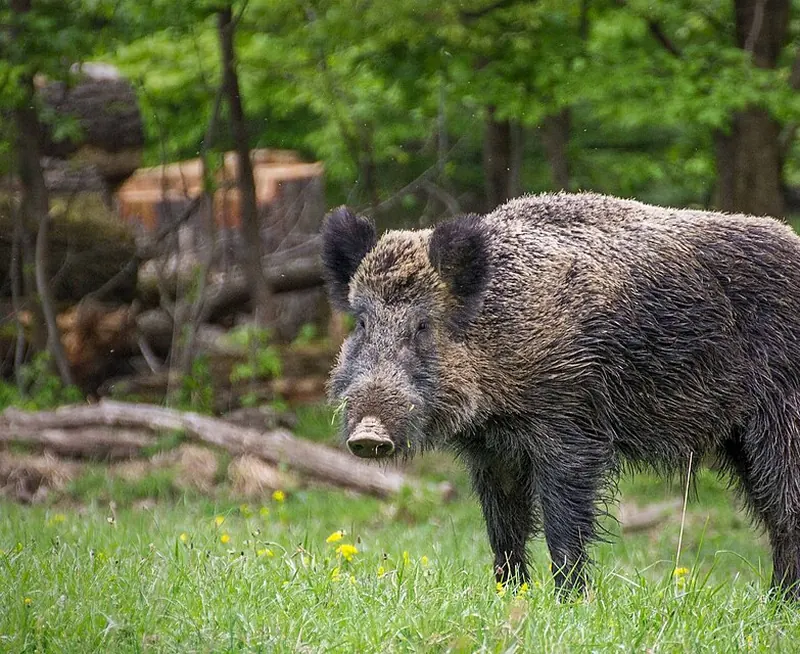
Its head works as a plough, able to upturn rocks weighing 40 to 50 kg.
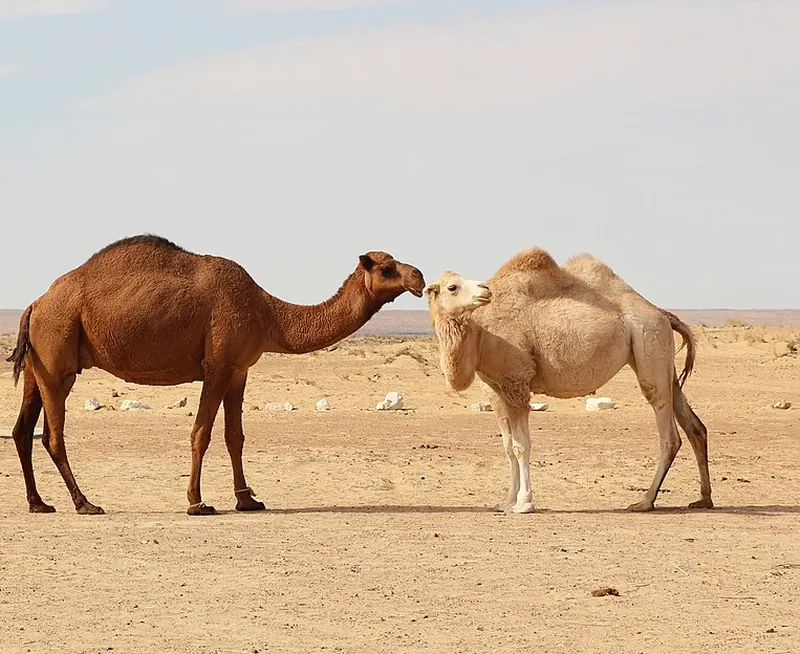
Nature has not produced a wild dromedary in nearly 2,000 years.
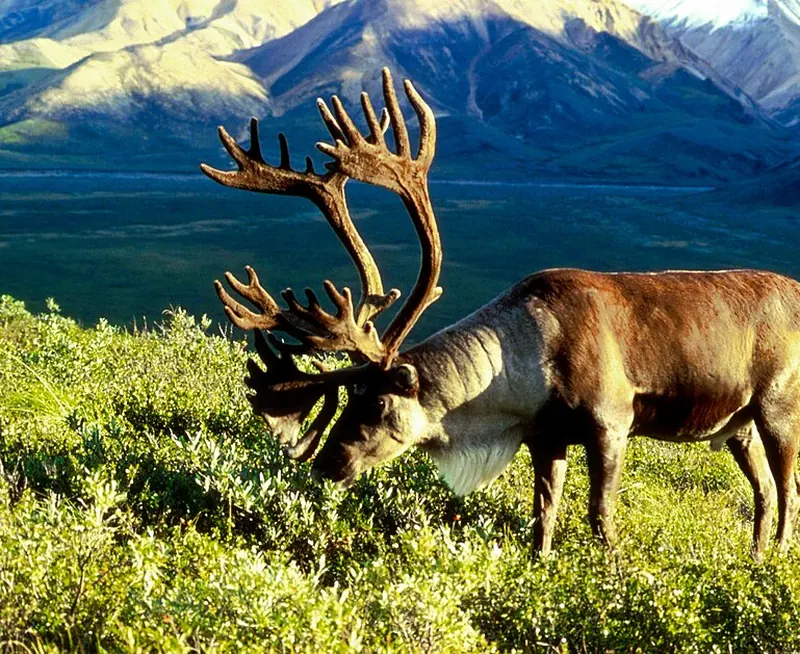
Reindeer are the only deer people have semi-domesticated on a large scale.
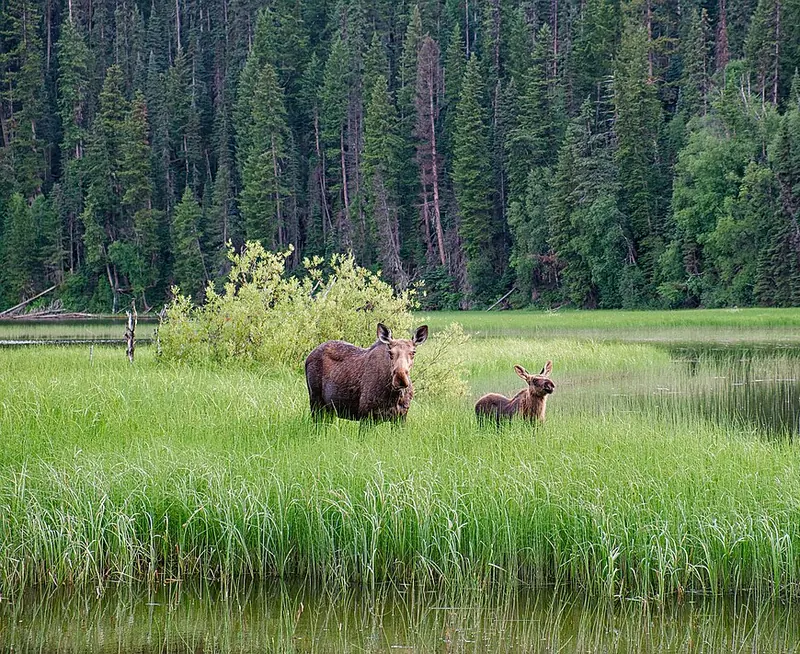
The moose is the tallest, largest and heaviest deer alive.
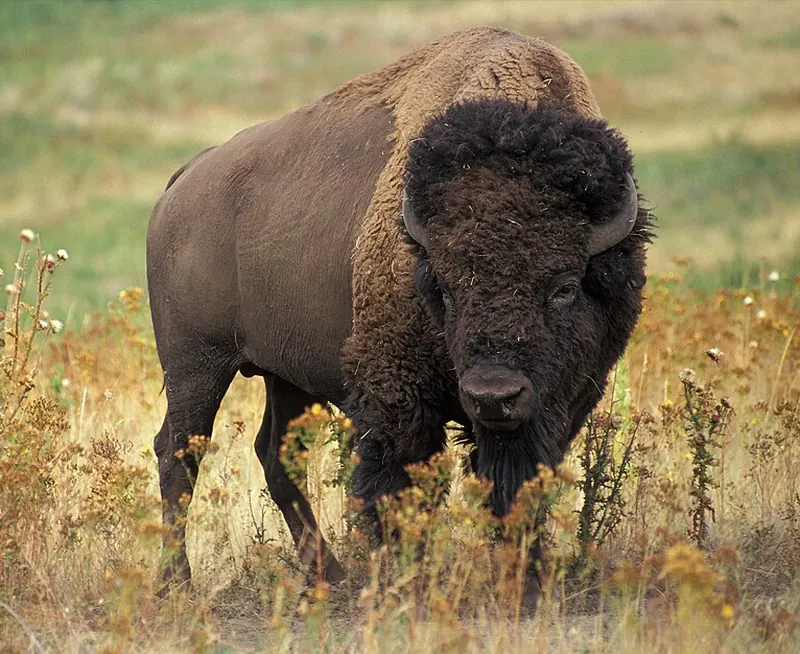
At one time bison were found from Alaska to northern Mexico.
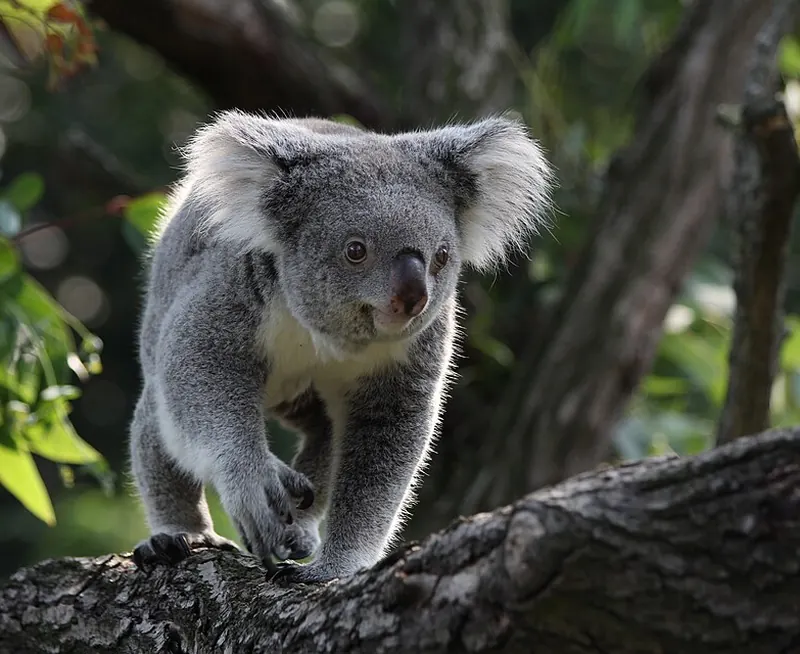
Its diet of eucalyptus leaves holds toxic compounds that deter most other mammals from eating them.
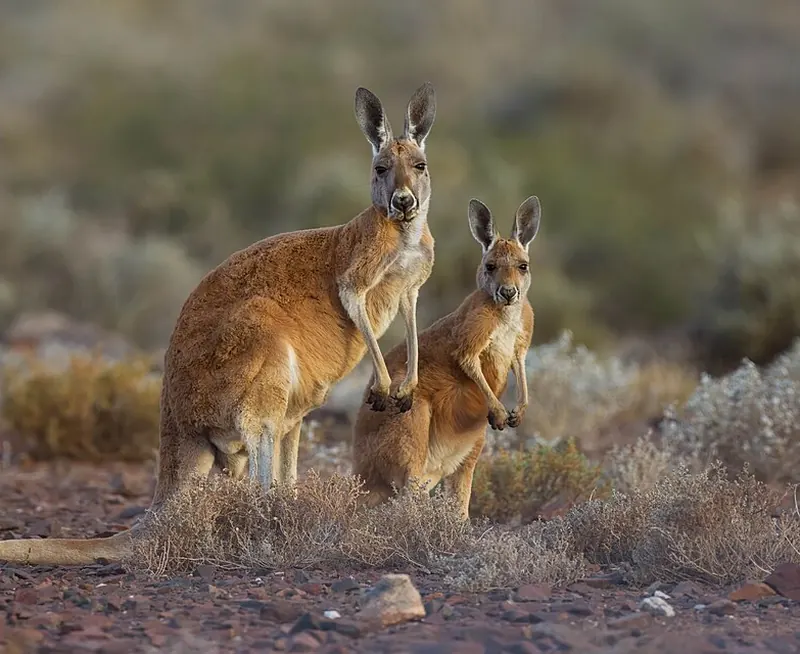
It is the largest kangaroo, the biggest land mammal native to Australia, and the largest living marsupial.
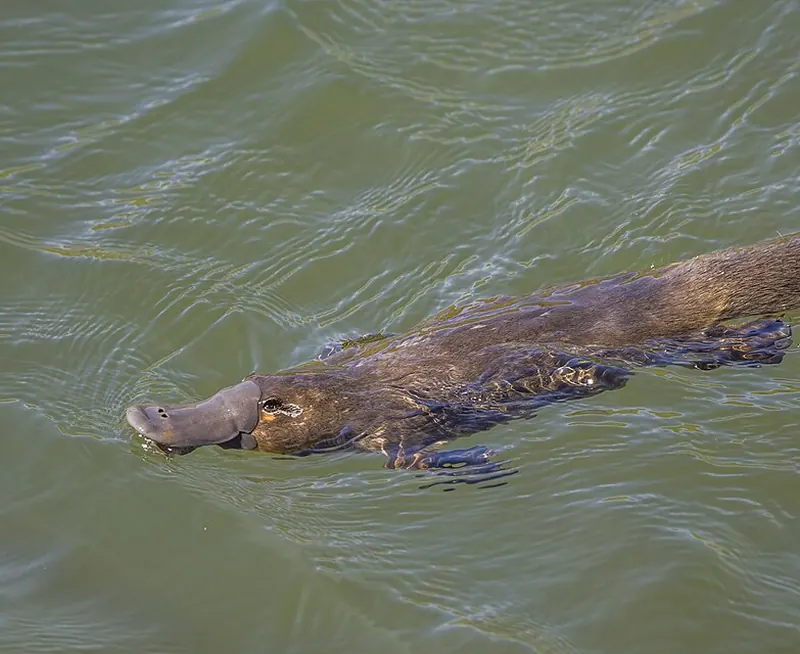
Males have a venom spur on each hind foot, one of the few venomous mammals.
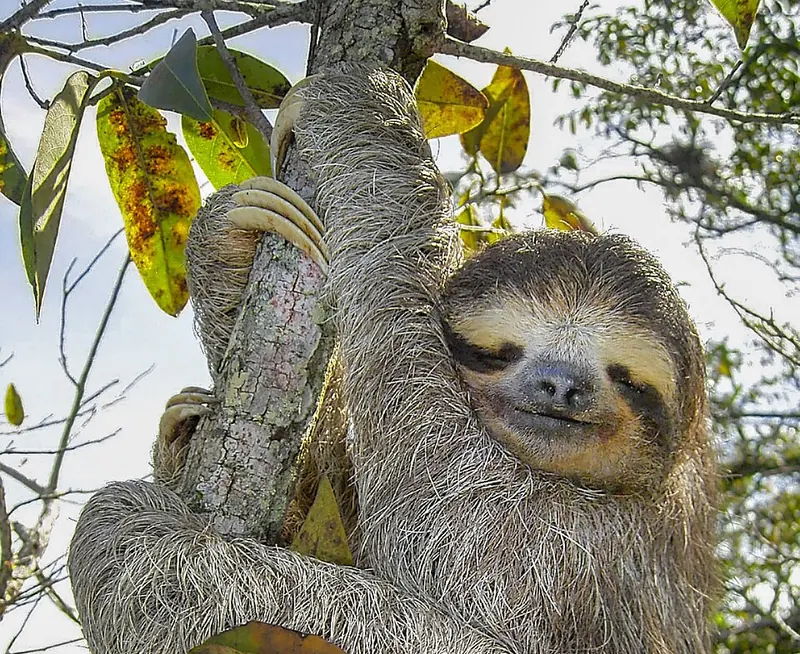
It comes down from the trees only about once every eight days.
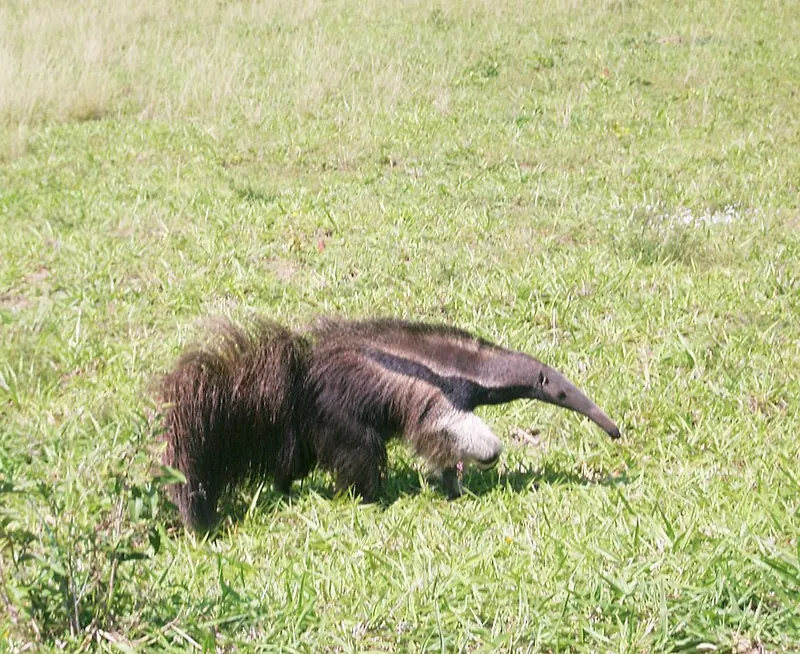
Its tongue can flick in and out nearly three times a second.
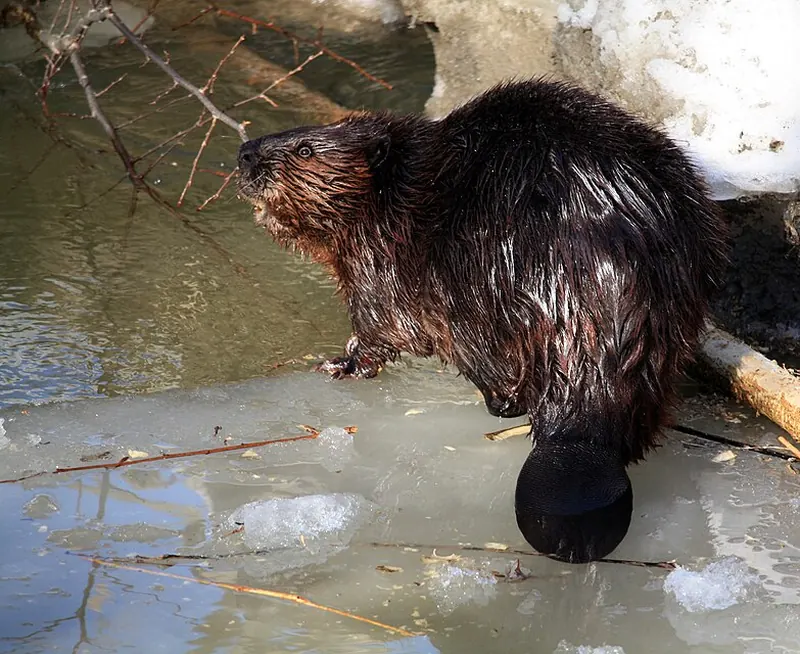
Despite the myth, beavers do not eat fish. They live on bark, twigs, leaves and water plants.
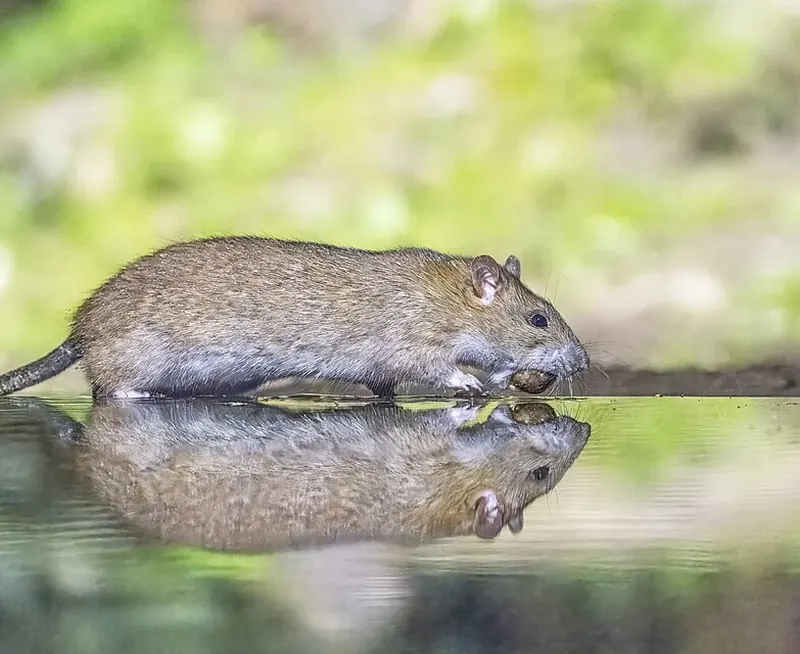
Nearly all the world's port cities host large colonies of these rats.
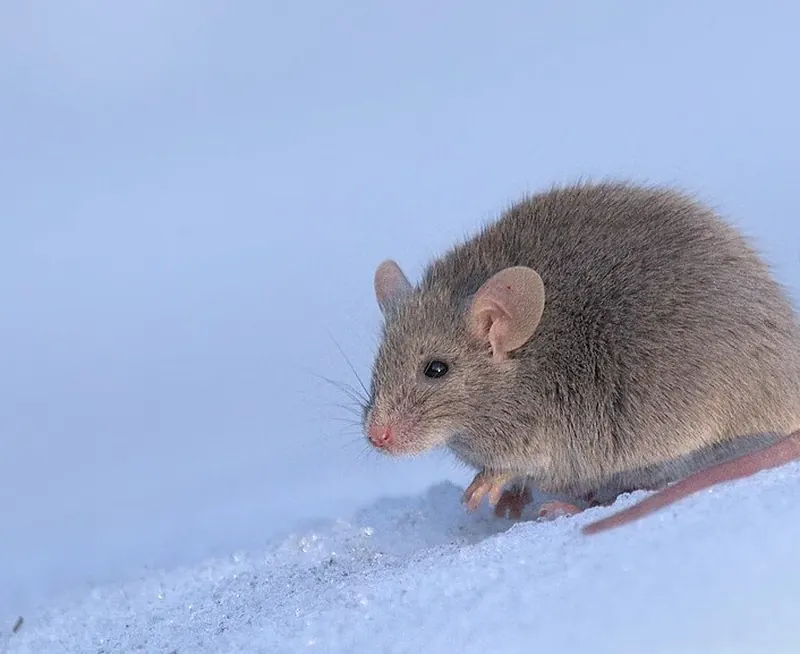
Humans carried the house mouse across the world, and it now lives as a human commensal.
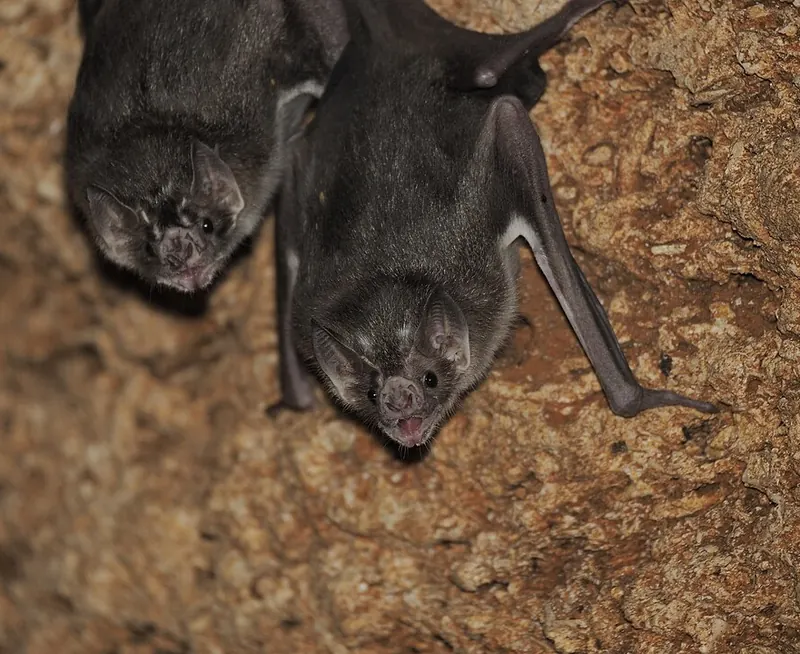
Among bats it is one of the most social, and it shares food with its roostmates.
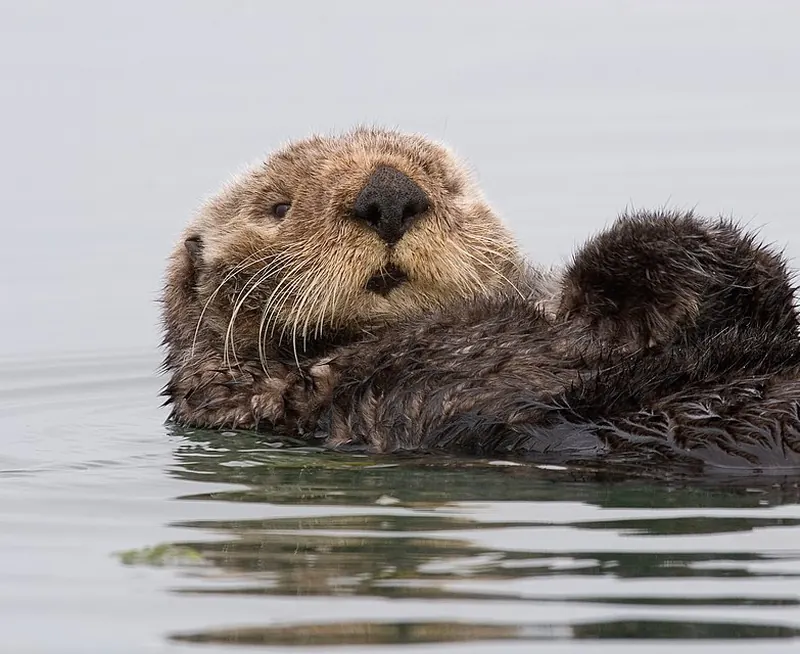
Unlike most sea mammals, it keeps warm with a coat that is the densest in the animal kingdom.
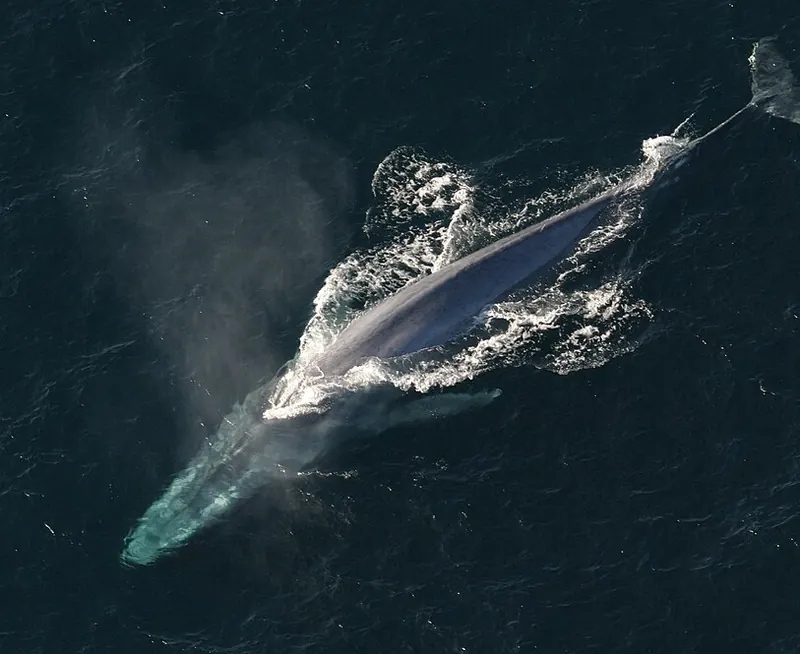
Nothing larger is known to have lived, and this giant feeds on tiny krill.
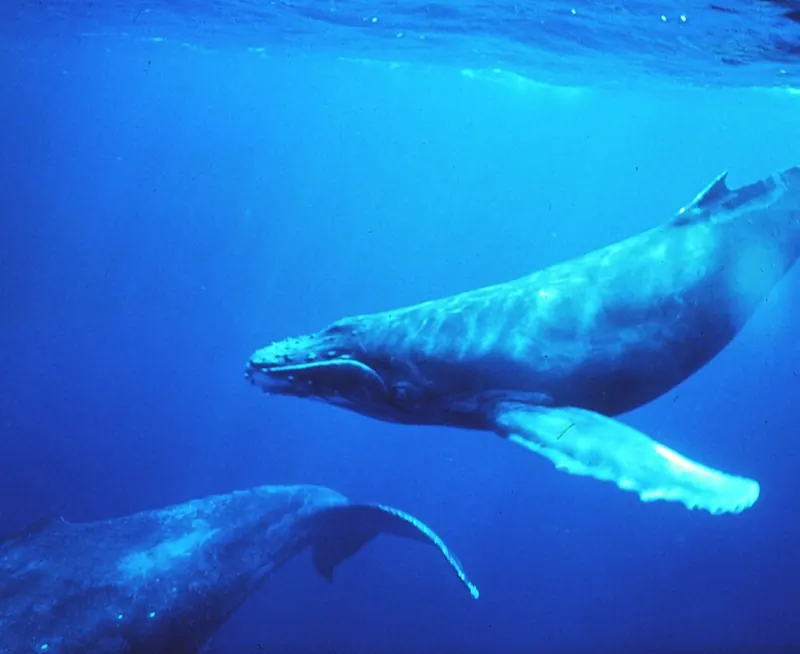
Females are larger than males, one of the few mammals where that holds.
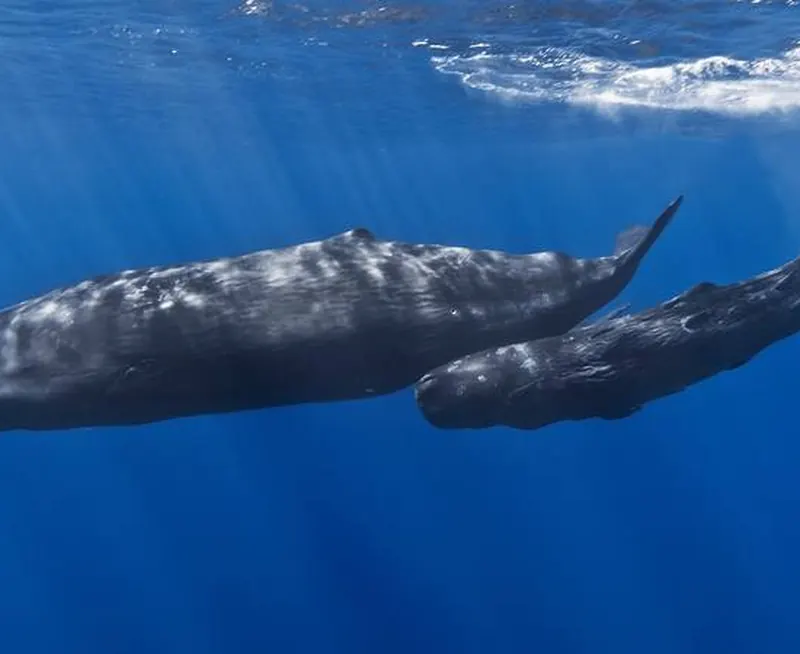
Dives past 2,000 m on one breath and hunts squid in the dark. It has the largest brain of any animal known.
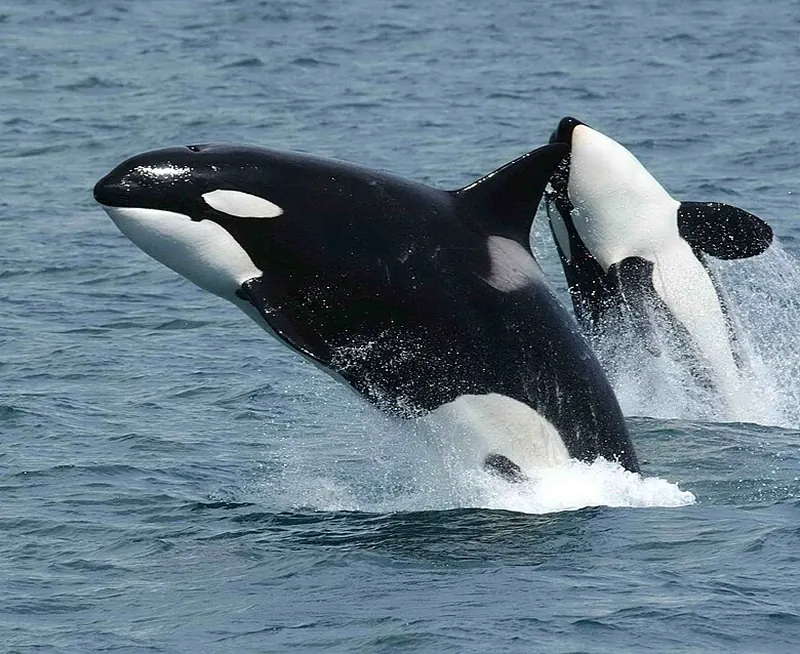
Orca populations often specialize in prey such as sharks, rays and whales.
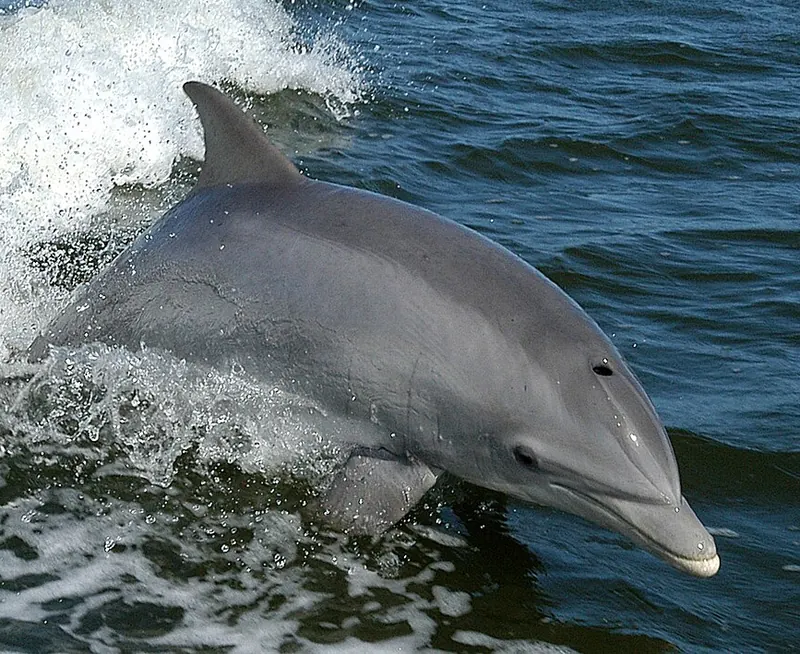
Offshore groups can migrate up to 4,200 km in a single season.
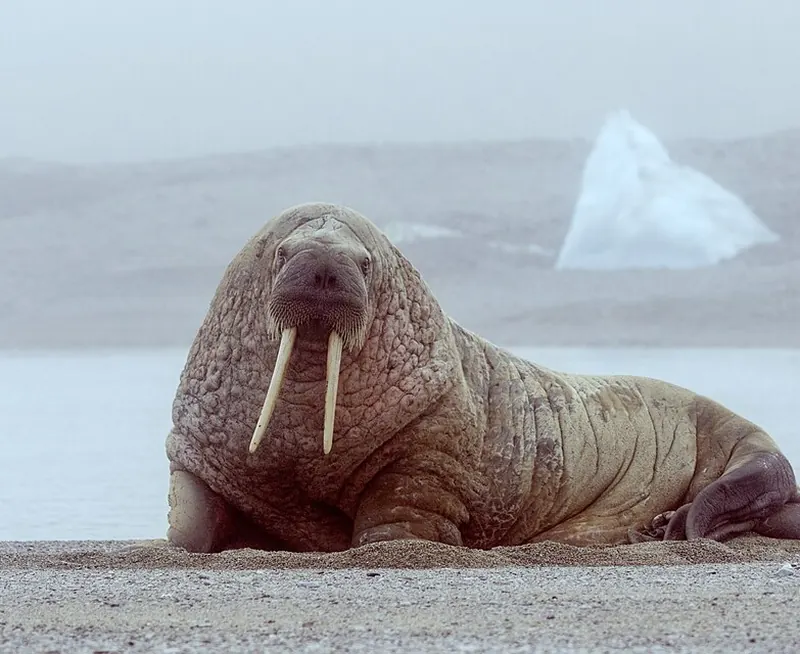
A walrus eats clams by sucking them out of the seabed, like a vacuum.
Every photograph and every outline comes from a real, openly licensed image, credited at the bottom of its card. Only plain charts are drawn.
The words on these cards are written by AI from the sources named on each card. Software matched every number and claim to a sentence in those sources. Mistakes are still possible, so follow a card's links before relying on it.
Globe dots are real recorded sightings from GBIF. Where a card says native range only, they are clipped to that range. Otherwise they can include zoos, gardens and places the species was introduced.