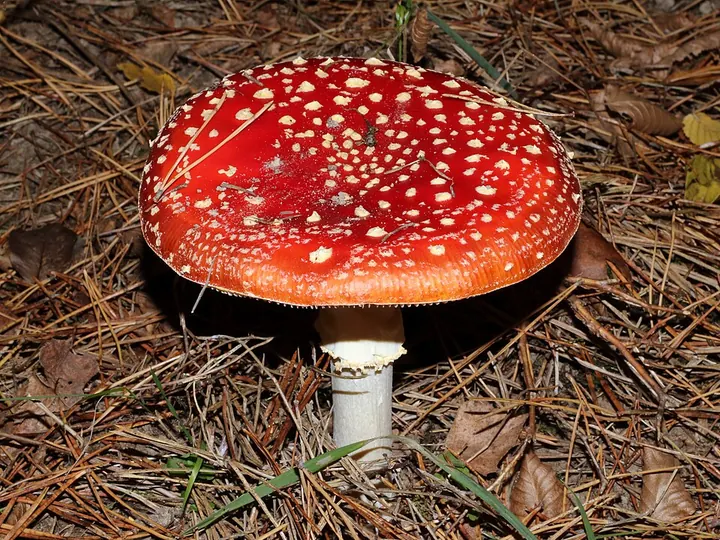
Fly agaric
Amanita muscariaAgaricomycetes › Agaricales › Amanitaceae
Cap up to 30 cm wideIts bright red cap is famous, yet fatal poisoning from it is extremely rare.
Field Guide · Chapter 28 of 29
Swipe across, tap a card to turn it over, then scroll down its back. Try Look closer on a front, spin a globe, and lift the question on a park sign.
Its bright red cap is famous, yet fatal poisoning from it is extremely rare.
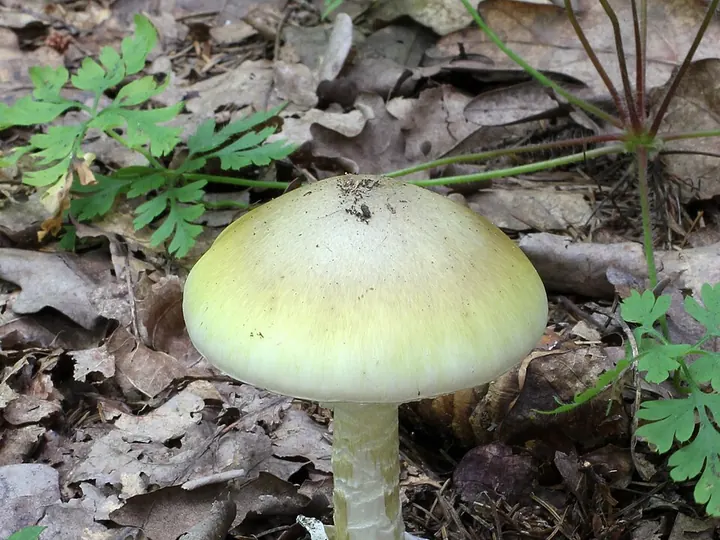
Its toxins are not reduced by cooking, freezing or drying, so no kitchen step makes it safe.
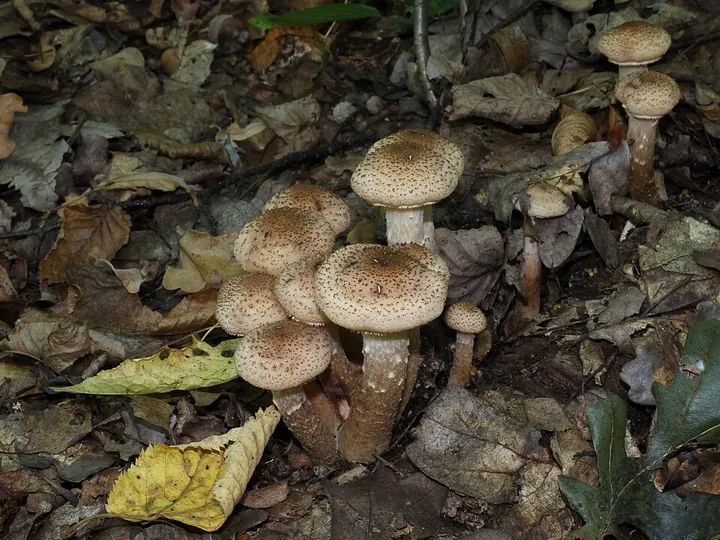
Most of this fungus is never seen. Its honey mushrooms are only the surface fruit.
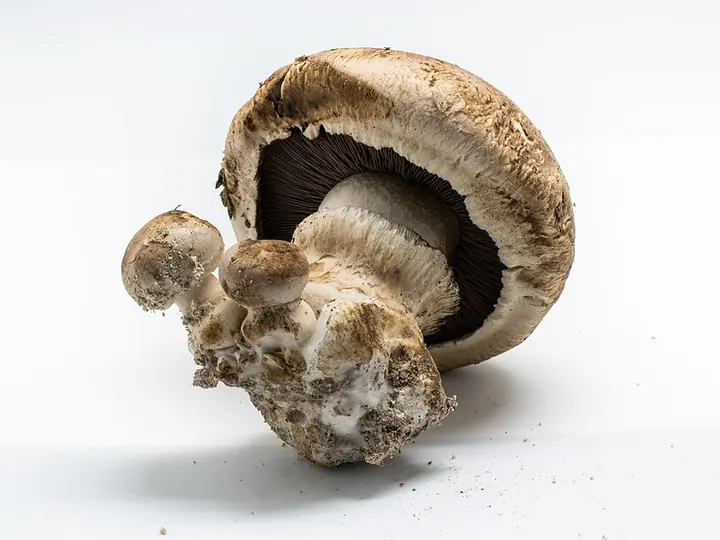
Button, cremini and portobello are the same mushroom, picked at different ages.
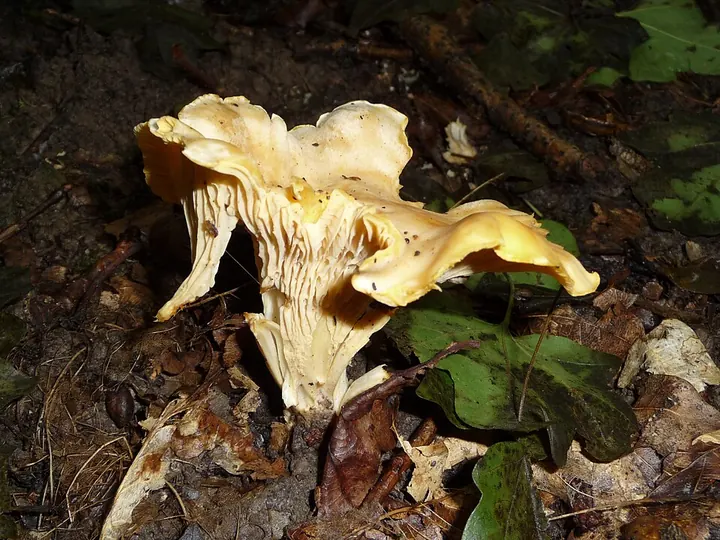
A wild mushroom that smells faintly of apricots.
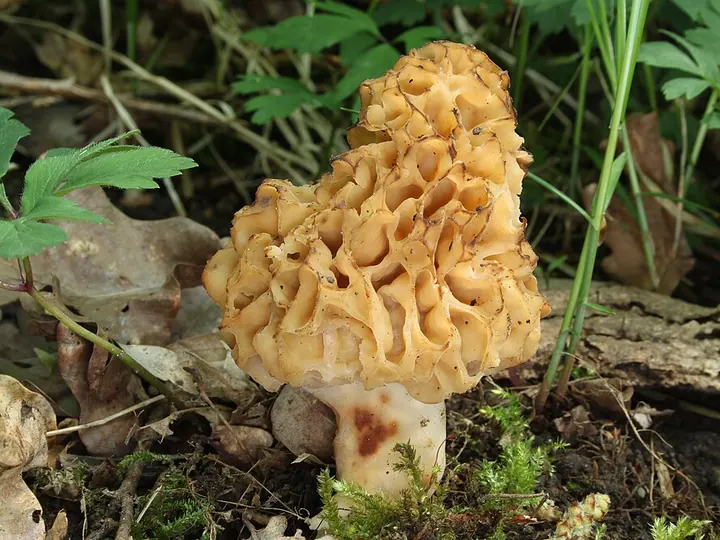
Its cap and stem fuse into one hollow chamber, so the whole mushroom is empty inside.
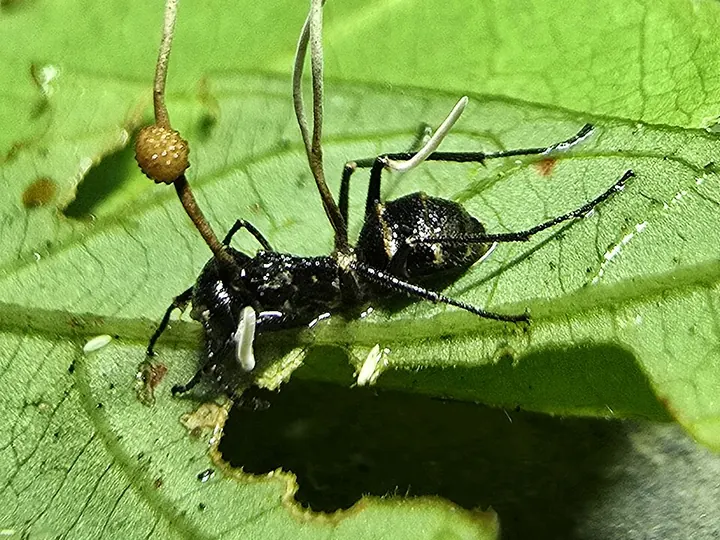
An ant climbs down to a leaf vein and stays clamped there after the fungus kills it.
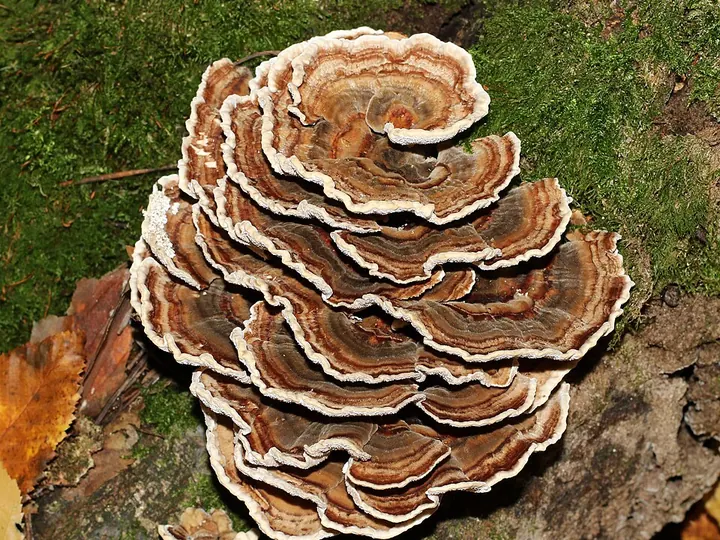
It is named for the shape of a wild turkey's tail feathers when they are spread.
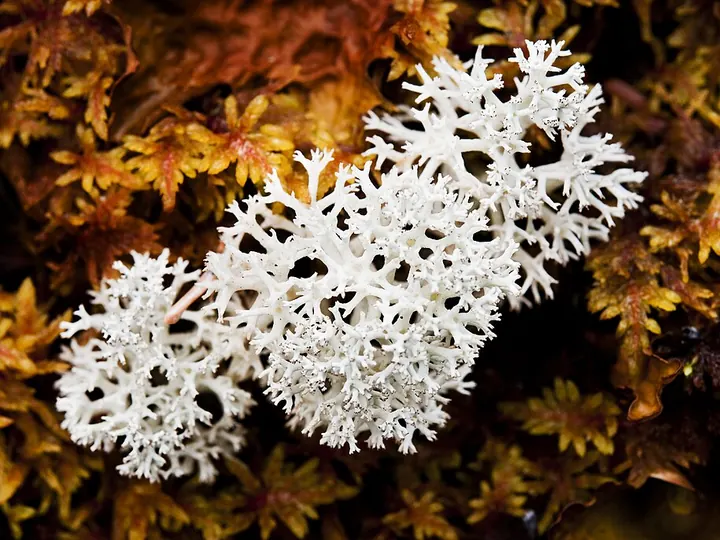
Dip it in liquid nitrogen and it keeps breathing.
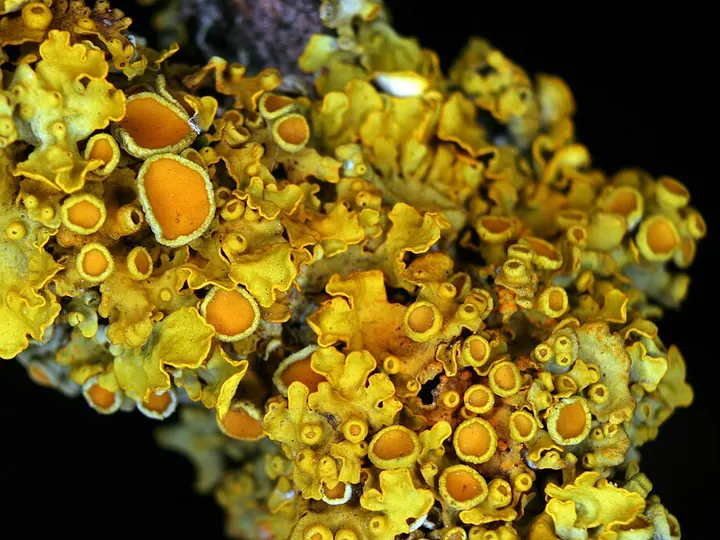
Its yellow-orange colour is a sunscreen, a pigment that shields the algae living inside it from sunlight.
Every photograph and every outline comes from a real, openly licensed image, credited at the bottom of its card. Only plain charts are drawn.
The words on these cards are written by AI from the sources named on each card. Software matched every number and claim to a sentence in those sources. Mistakes are still possible, so follow a card's links before relying on it.
Globe dots are real recorded sightings from GBIF. Where a card says native range only, they are clipped to that range. Otherwise they can include zoos, gardens and places the species was introduced.