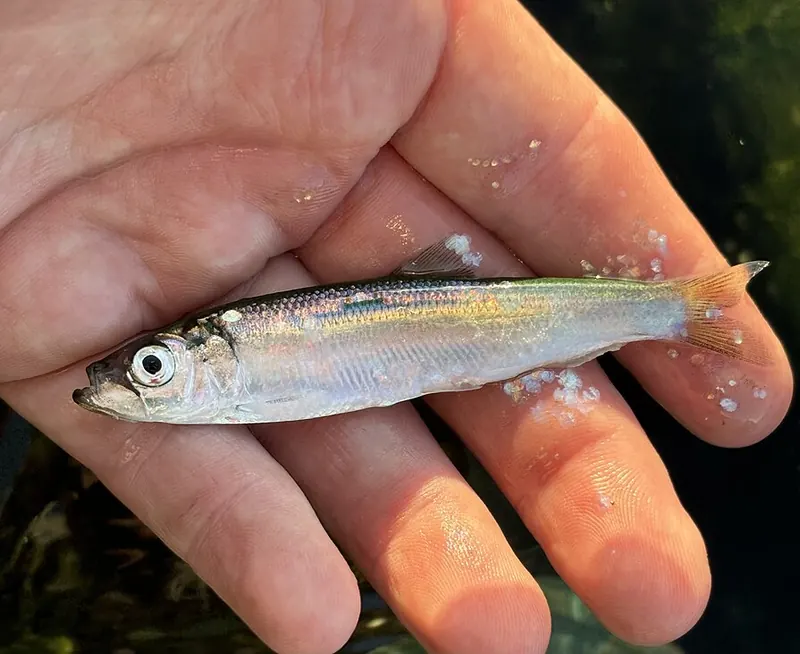
Clupeiformes › Clupeidae
Atlantic herring
Up to 45 cm long
Few fish on Earth are more common than this one.
Field Guide · Chapter 15 of 29
Swipe across, tap a card to turn it over, then scroll down its back. Try Look closer on a front, spin a globe, and lift the question on a park sign.
Few fish on Earth are more common than this one.
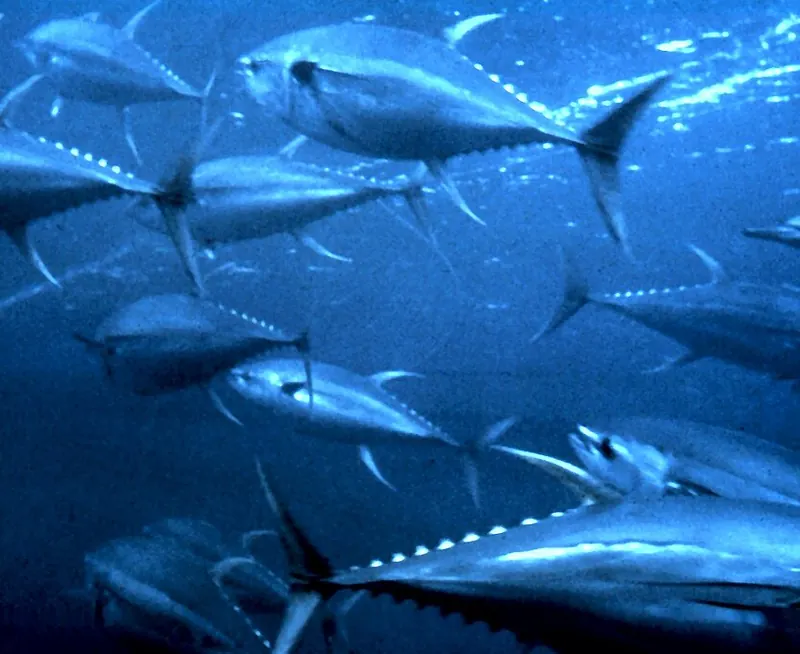
Unlike most fish, tuna like this one are warm-blooded.
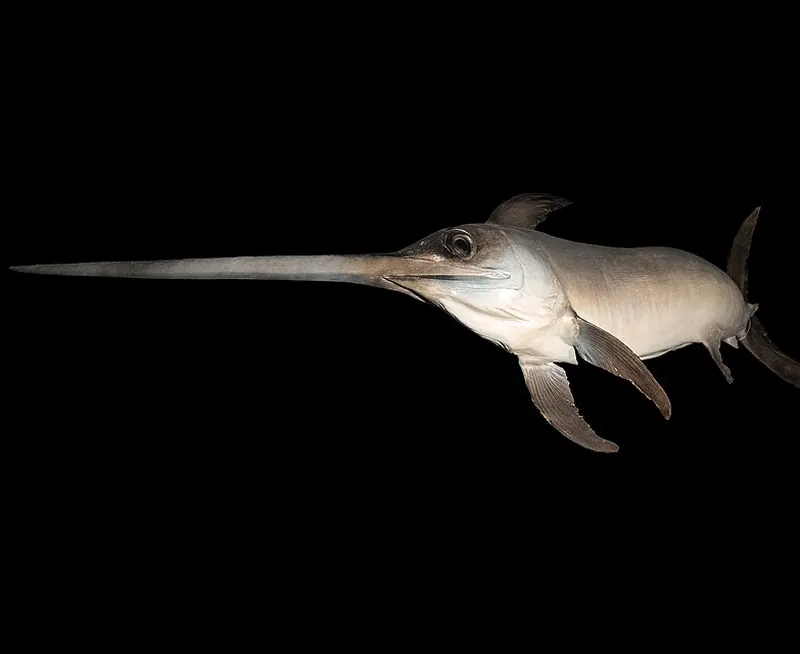
The spearing picture of the swordfish is based on little evidence. It more likely slashes.
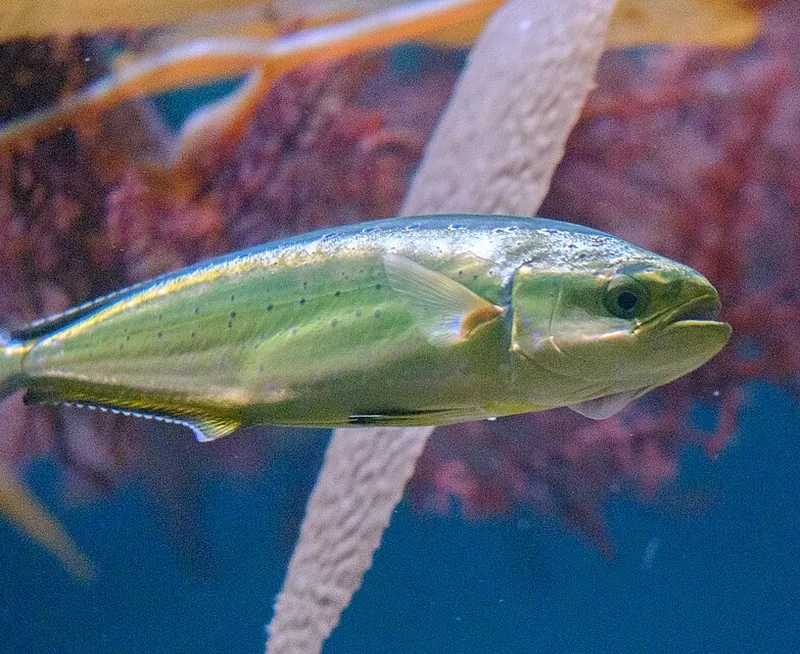
Mature males grow a forehead that often sticks well above the body.
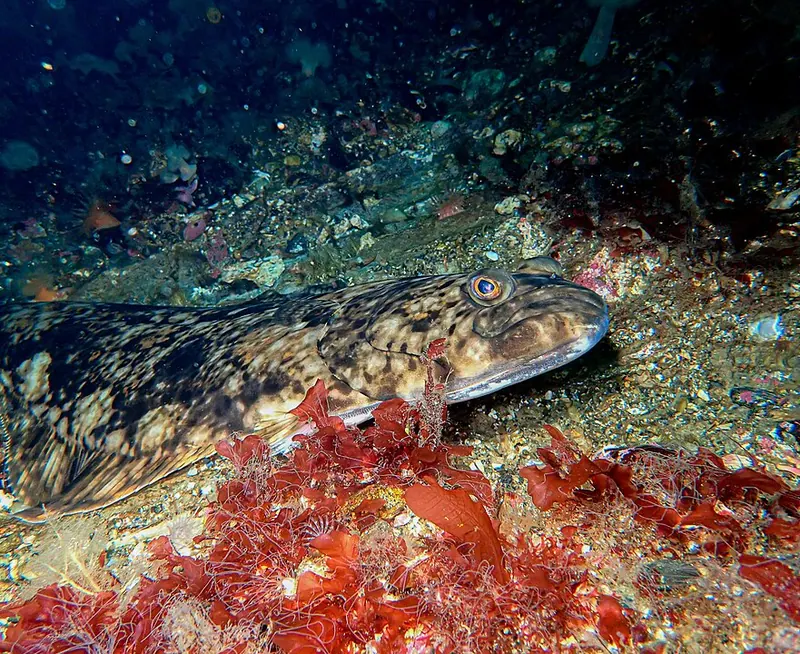
The largest flatfish in the world, it grows up to 4.7 m long.
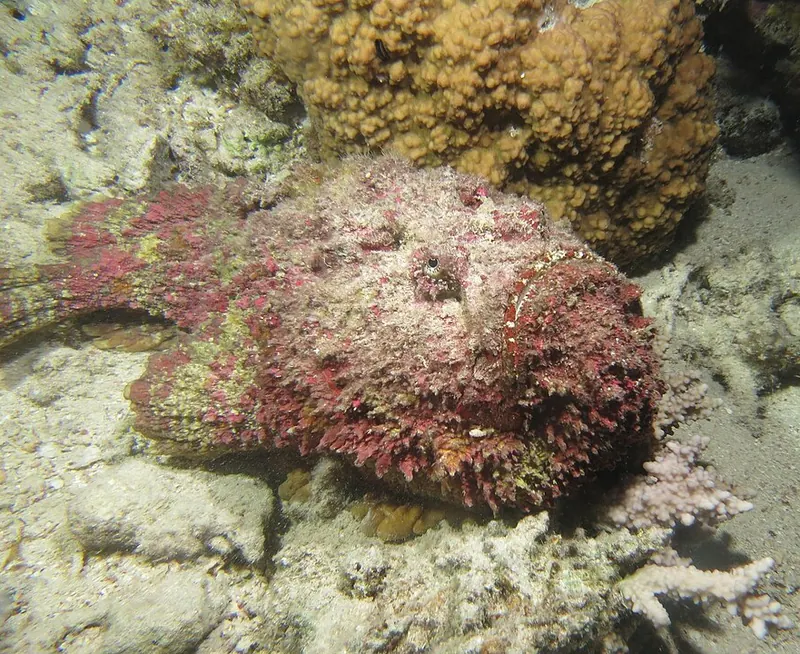
It is the most venomous fish in the world.
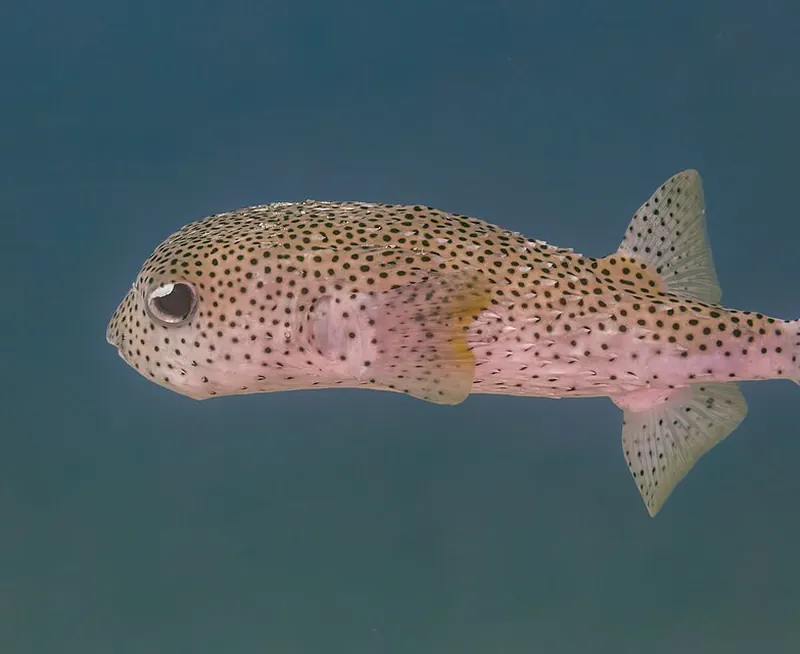
Its scales have become long spines that lie flat along its body.
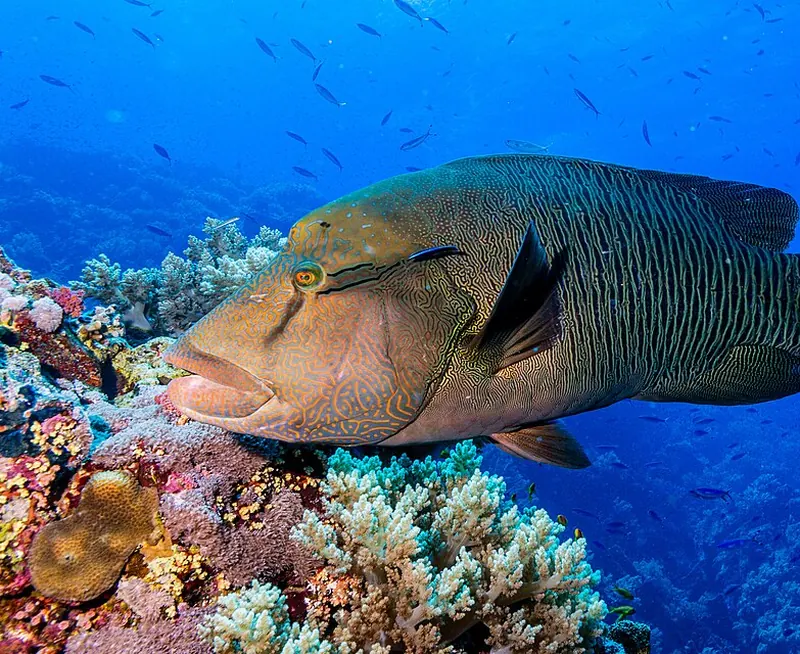
Some of these fish turn into males, and the timing of that change is not yet known.
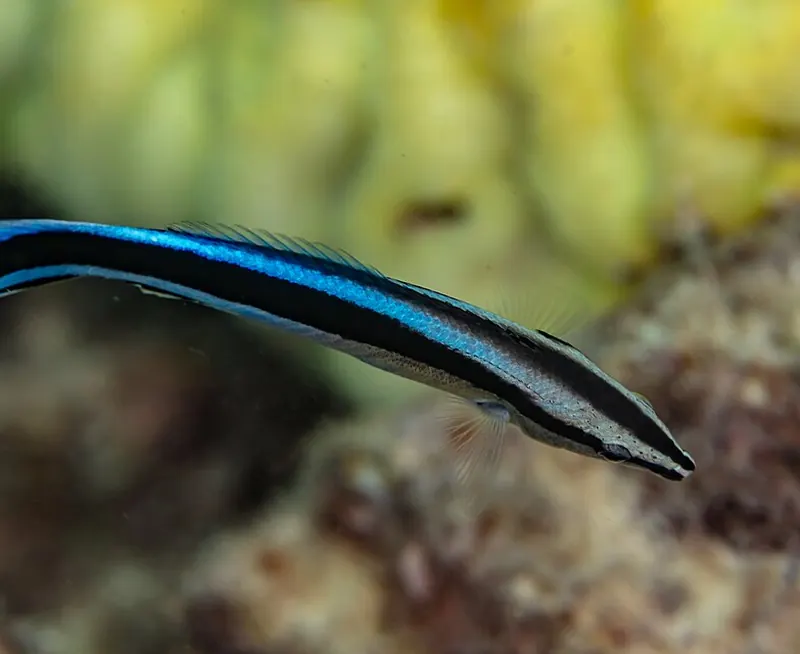
A larger female can change sex and take over a territory.
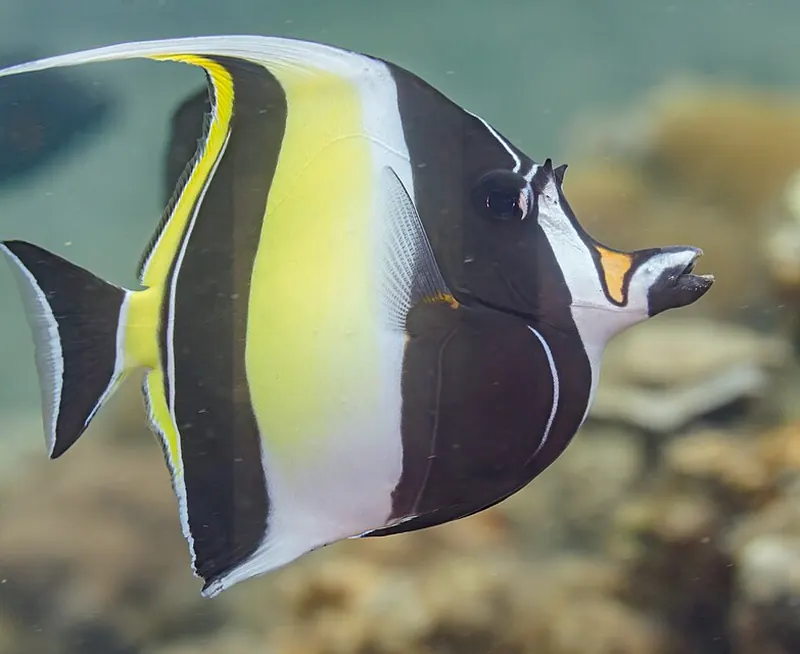
Males and females release eggs and sperm into the water, and the eggs drift off on the current.
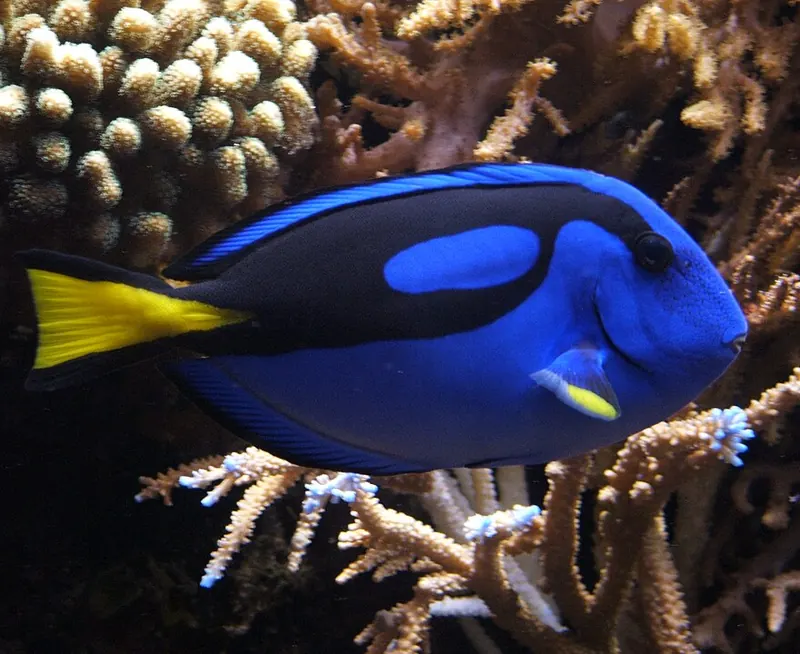
Spawning shows as a change from dark blue to pale blue.
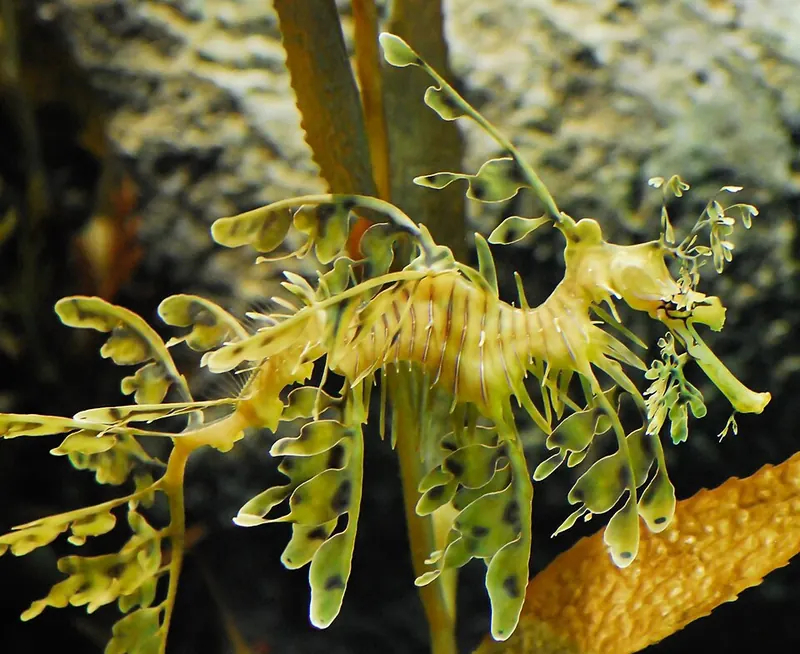
Its leafy fringes are not for swimming. They only serve as camouflage.
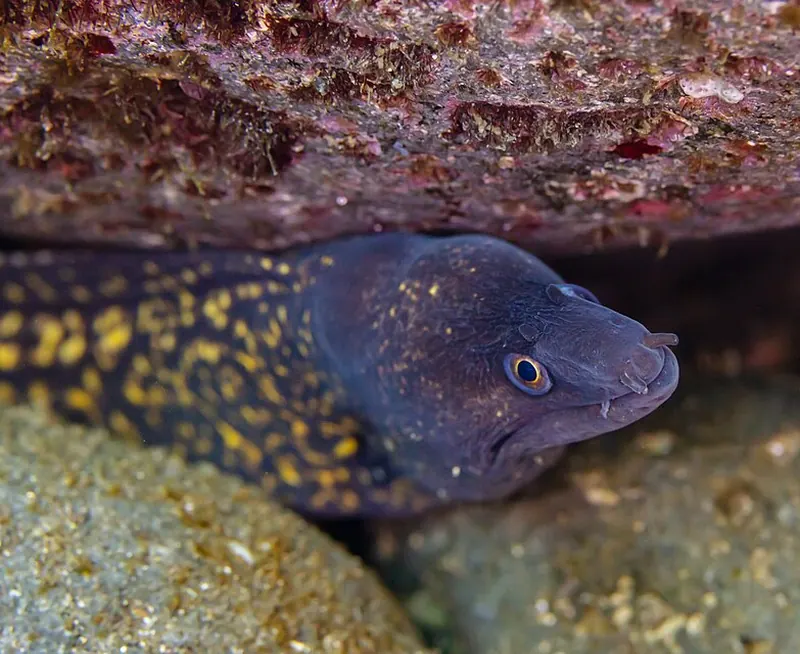
Off Sardinia, this eel was documented hunting in a team with a grouper.
Every photograph and every outline comes from a real, openly licensed image, credited at the bottom of its card. Only plain charts are drawn.
The words on these cards are written by AI from the sources named on each card. Software matched every number and claim to a sentence in those sources. Mistakes are still possible, so follow a card's links before relying on it.
Globe dots are real recorded sightings from GBIF. Where a card says native range only, they are clipped to that range. Otherwise they can include zoos, gardens and places the species was introduced.