Elasmobranchii › Lamniformes › Lamnidae
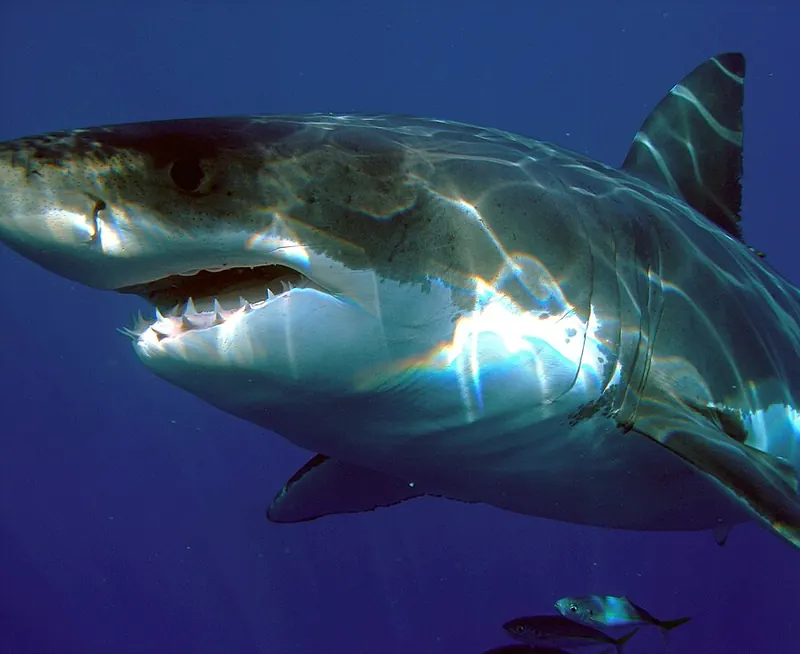
Great white shark
Up to 6 m long
It has about 300 teeth, and they keep being replaced for its whole life.
Field Guide · Chapter 13 of 29
Swipe across, tap a card to turn it over, then scroll down its back. Try Look closer on a front, spin a globe, and lift the question on a park sign.
It has about 300 teeth, and they keep being replaced for its whole life.
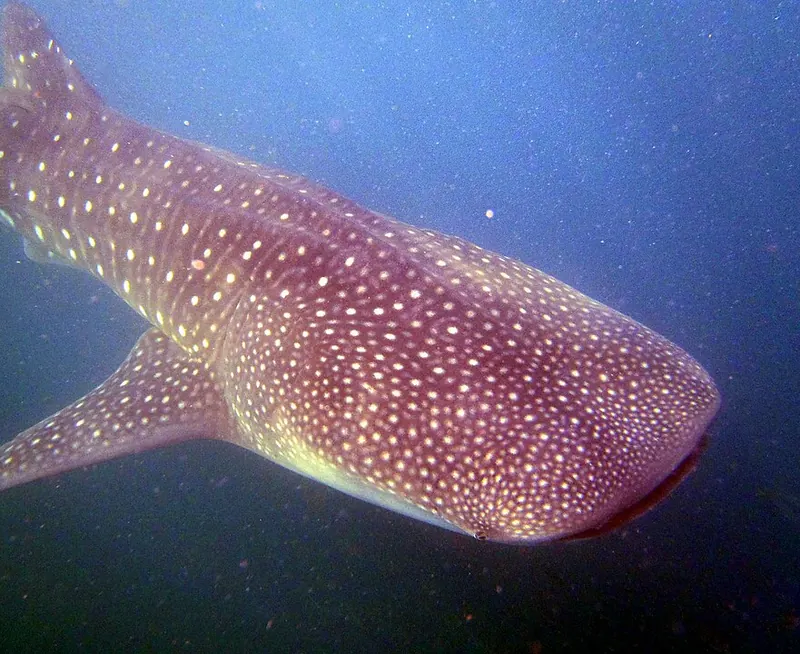
The whale shark is the largest known extant fish species.
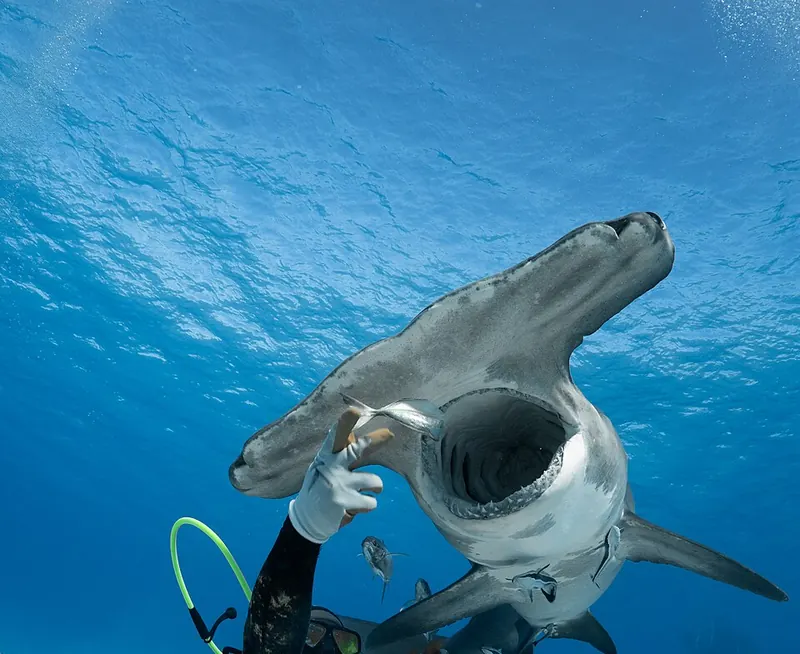
The great hammerhead cuts its drag by swimming on its side.
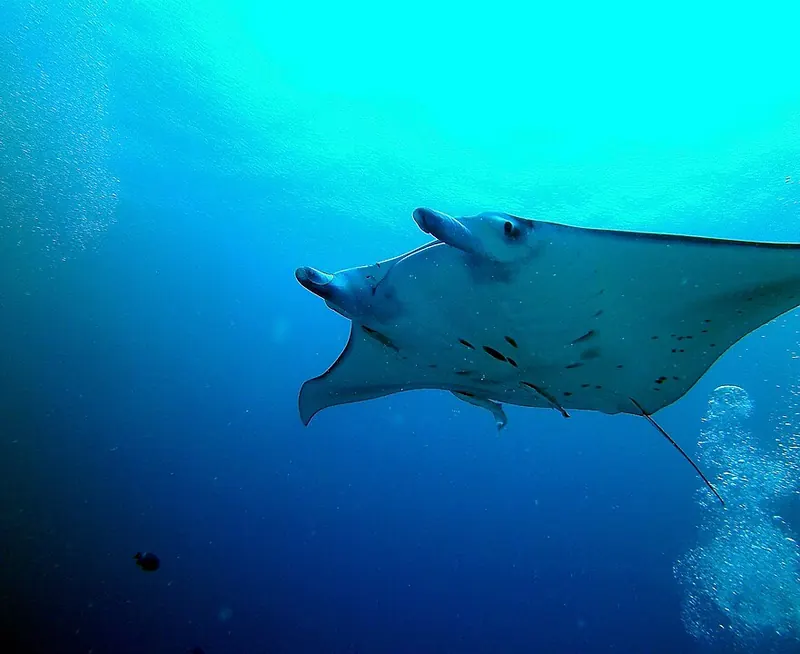
The manta has the largest brain of any fish, and it is not a small one.
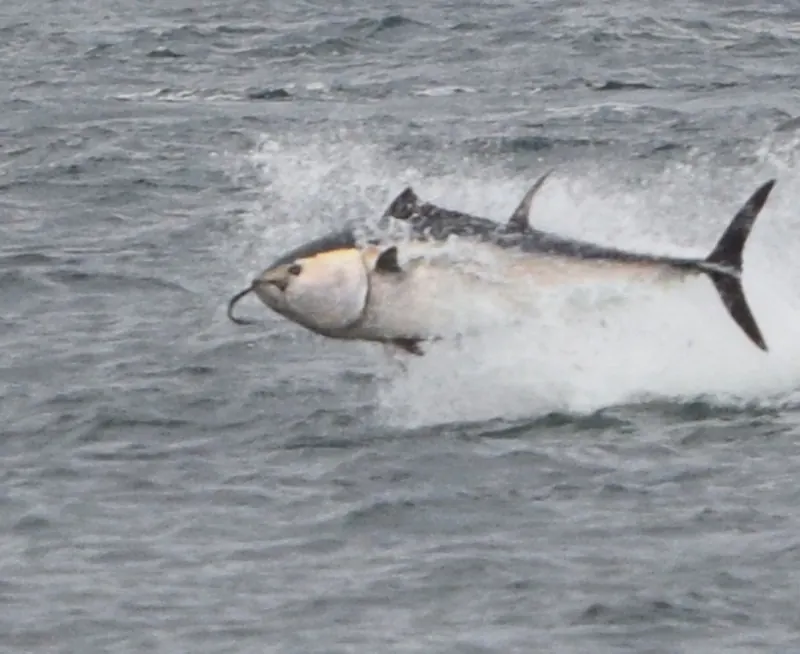
A female can lay up to 10 million eggs in one spawning period.
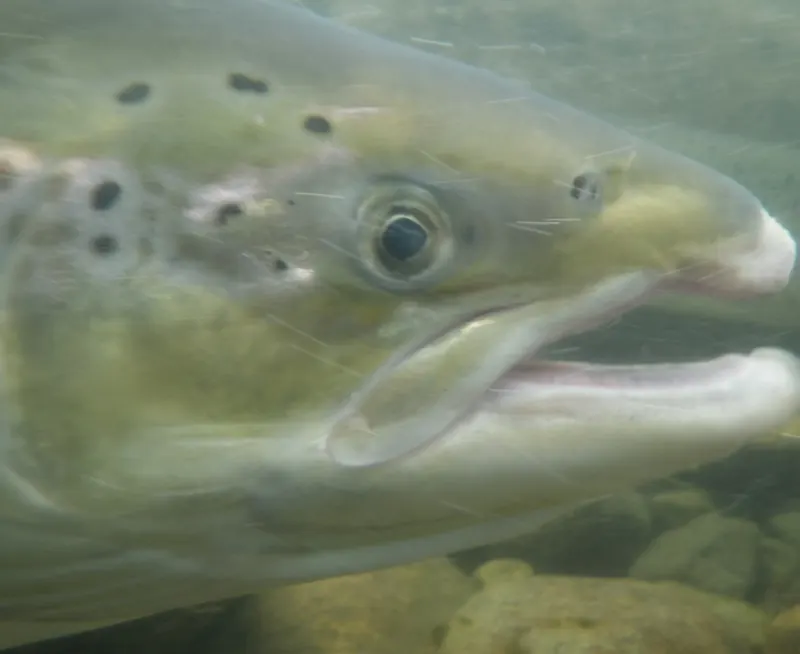
Unlike Pacific salmon, the Atlantic salmon can survive spawning and go back to sea to spawn again.
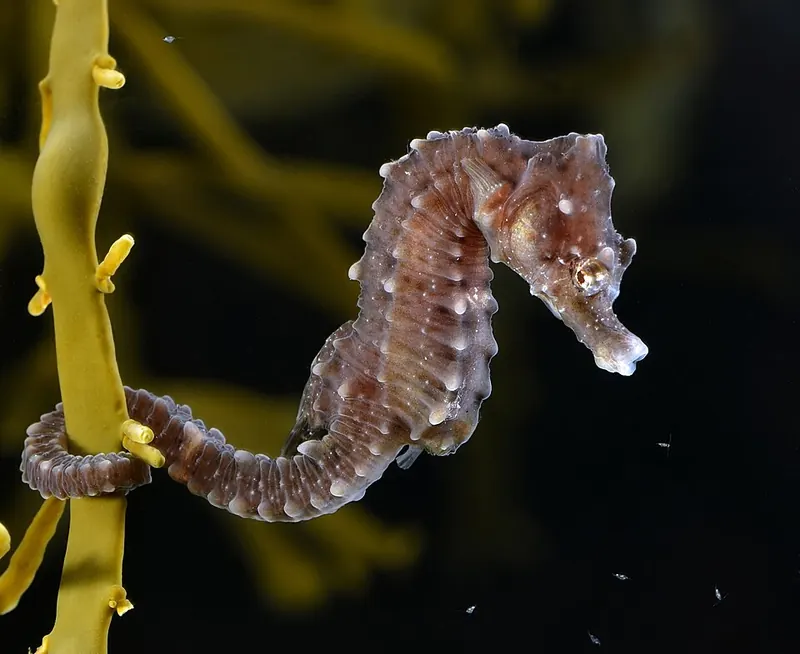
In this species the father carries the young, and the male goes through pregnancy and labour.
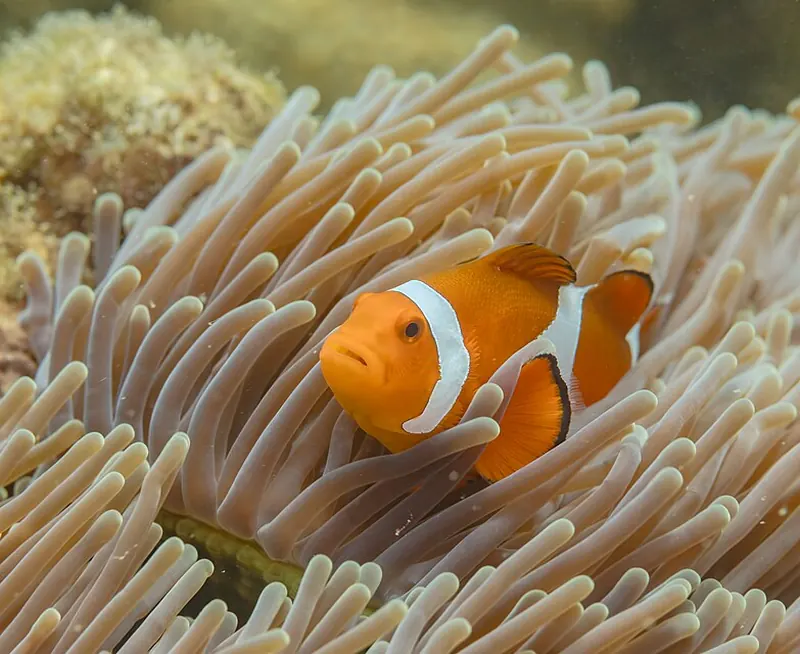
Every one starts out male, and any of them may later become female.
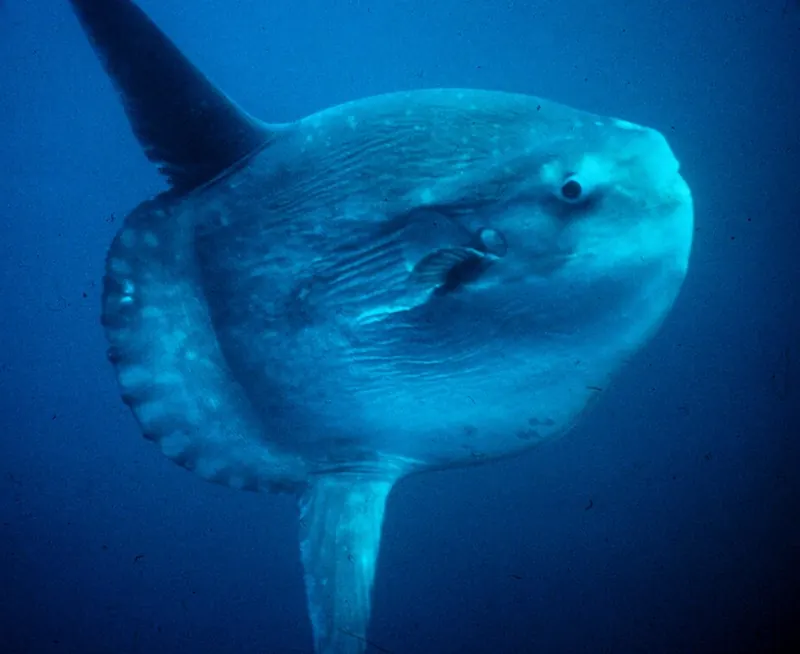
Its skeleton is mostly cartilage, which lets it grow to sizes impractical for other bony fishes.
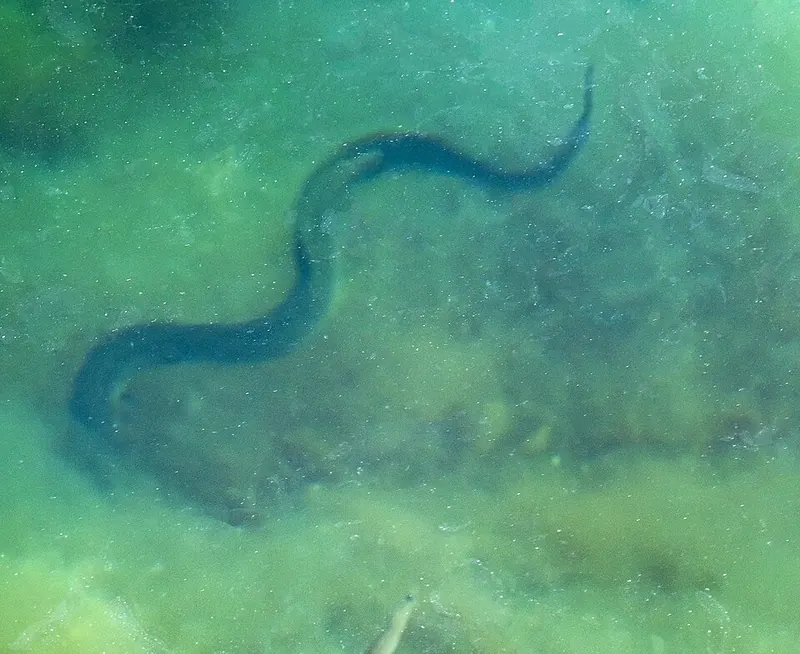
No one has yet watched one mate in the wild.
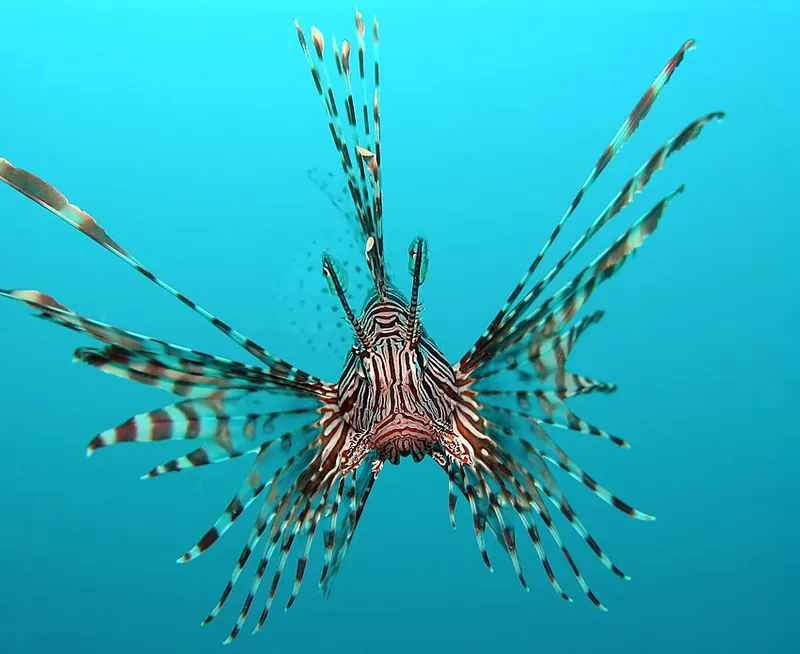
A reef fish from the Indo-Pacific that has spread into the Caribbean and up the US East Coast.
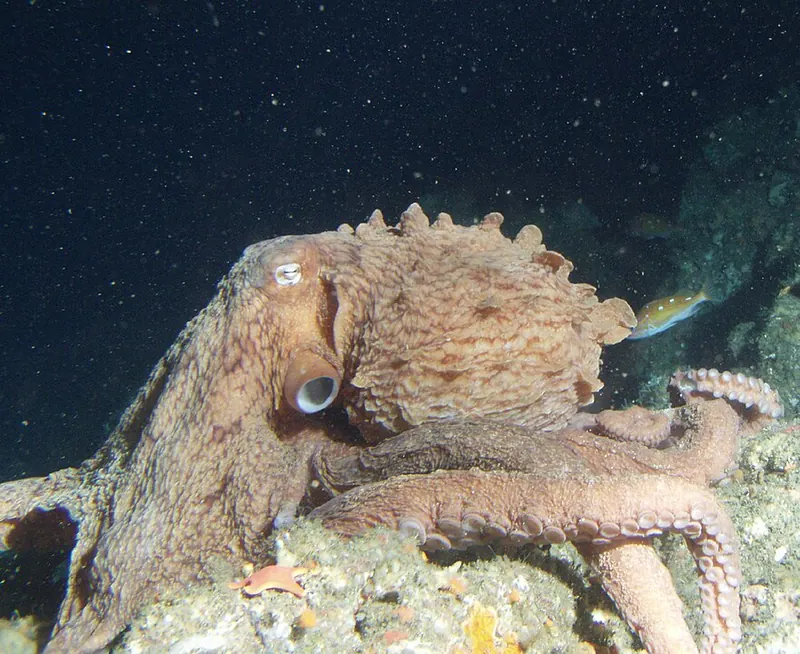
The giant Pacific octopus is the largest octopus species on earth.
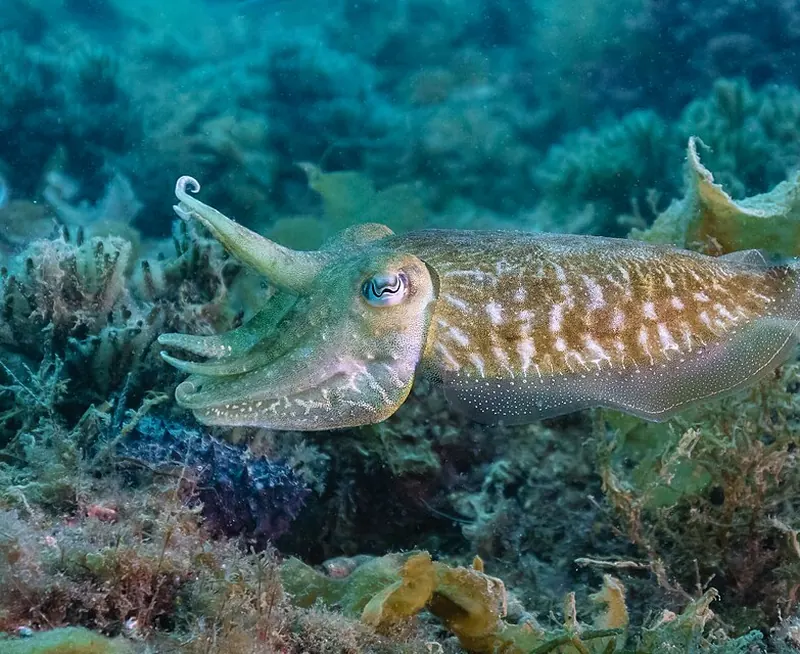
It can change its skin colour while still inside the egg.
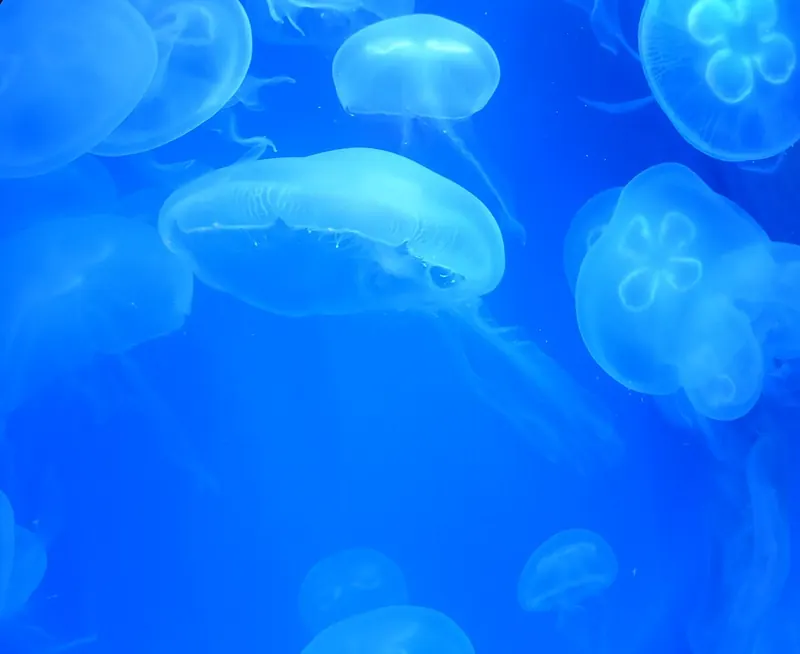
A see-through jellyfish whose four horseshoe-shaped gonads show through the top of its bell.
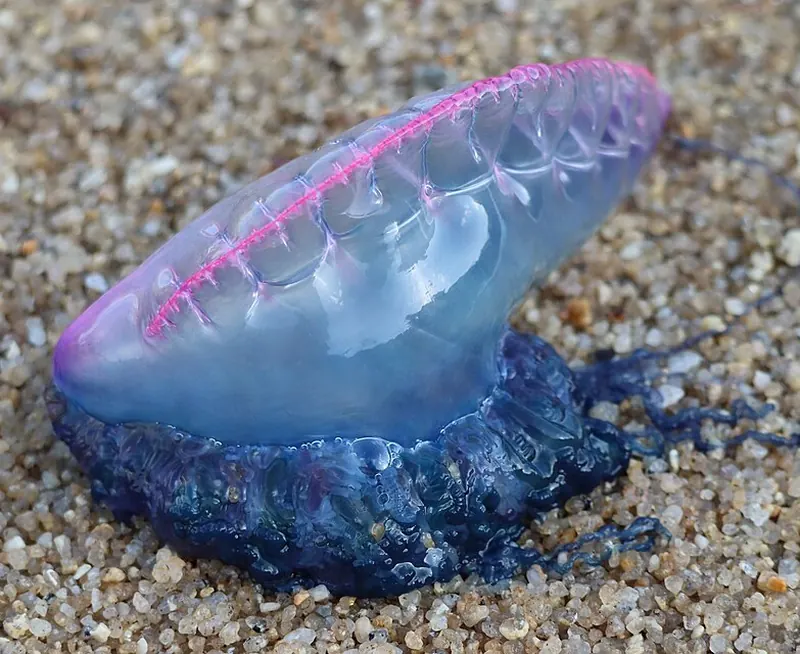
It looks like a jellyfish, but it is a colony of many zooids that act as one animal.
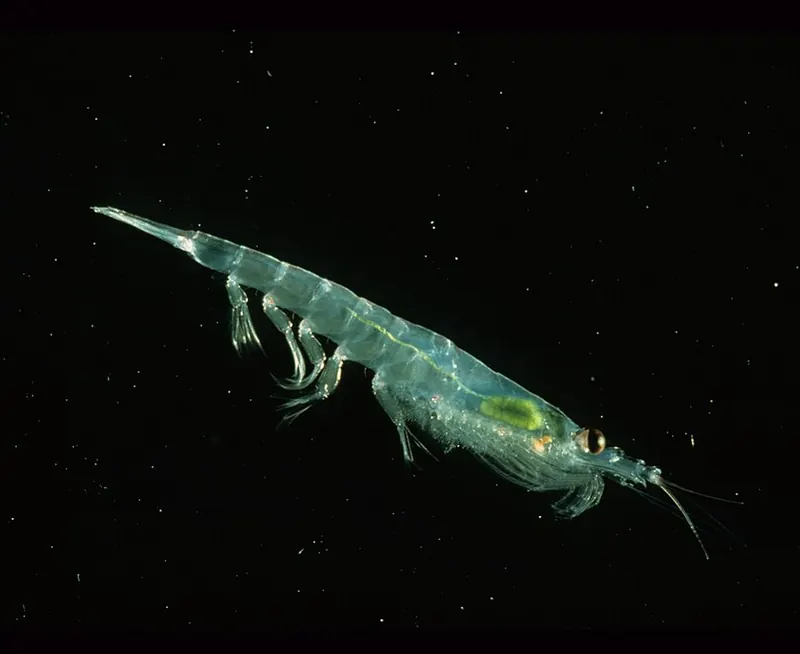
A shrimp-like animal, one of the most abundant species on the planet, swarms in the Southern Ocean.
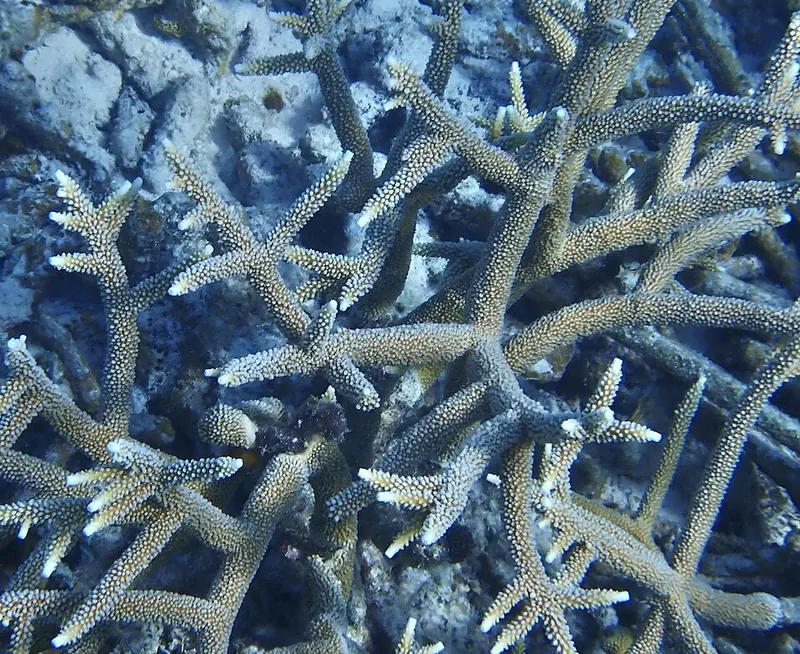
In a year it can add up to 5 cm of skeleton for every 1 cm it already has.
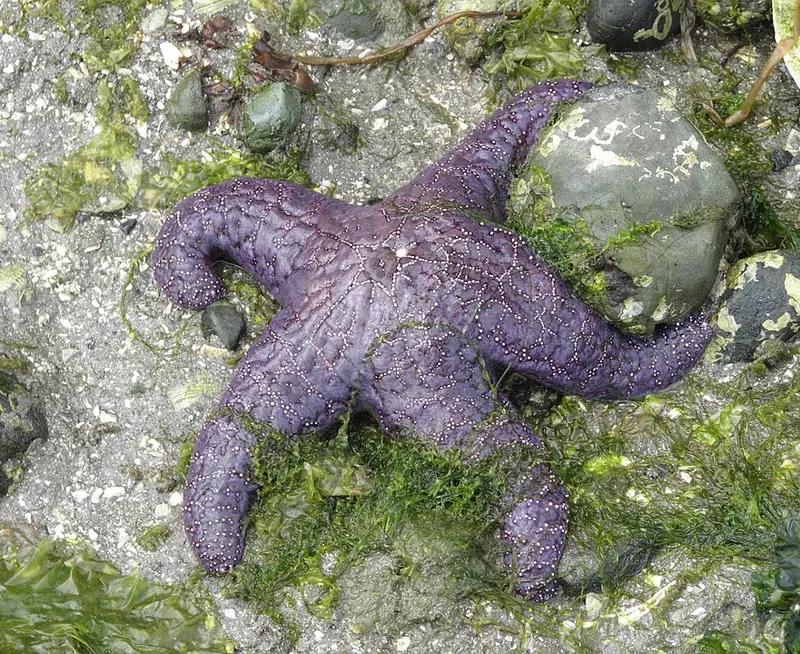
It is thought one sea star can eat eighty mussels in a year.
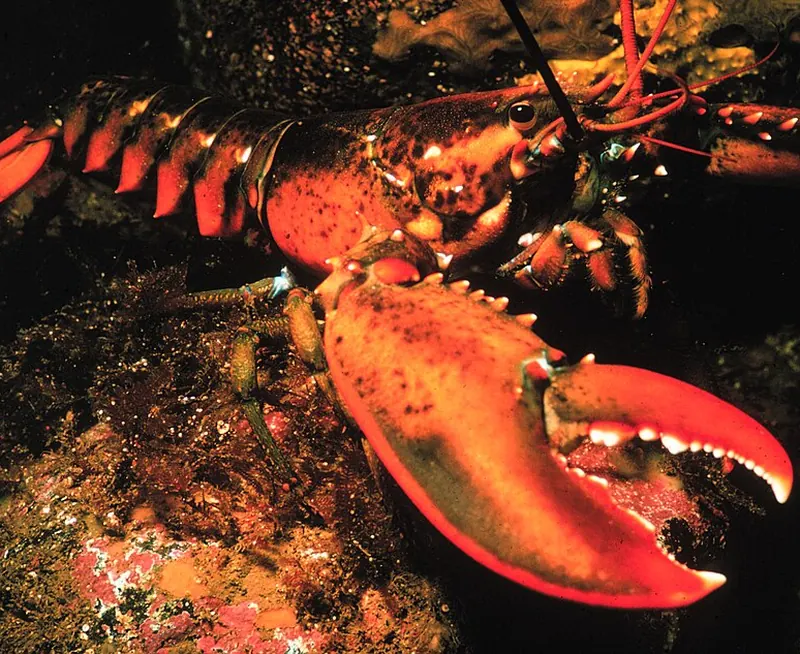
The heaviest crustacean in the world, and the heaviest living arthropod species.
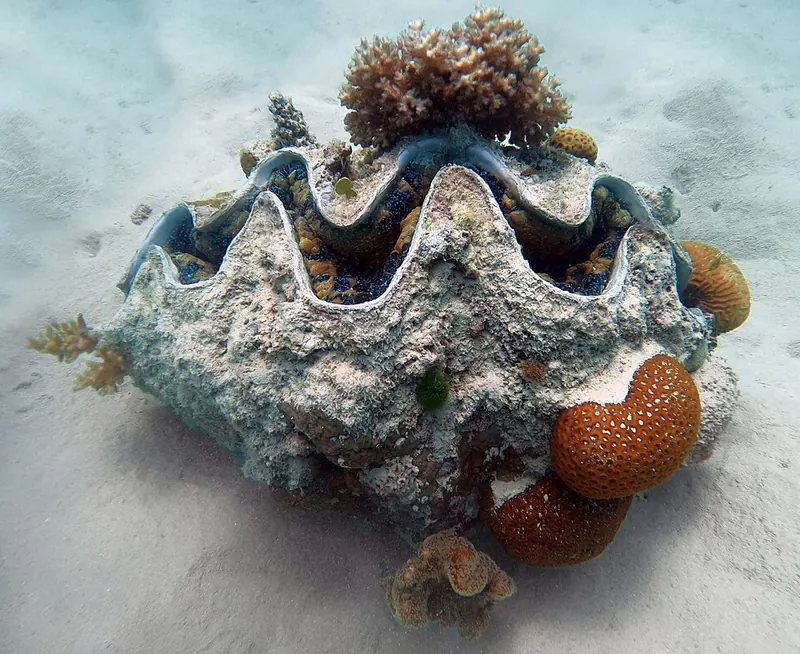
Its mantle is a home for algae, and the algae supply most of the clam's food.
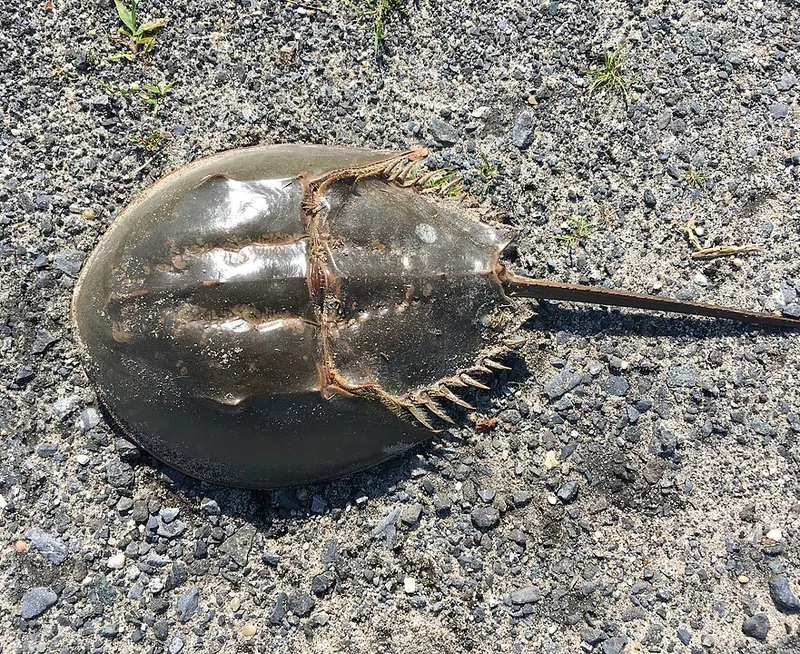
Its blood is bled for medical tests, and then the crab goes back to the sea.
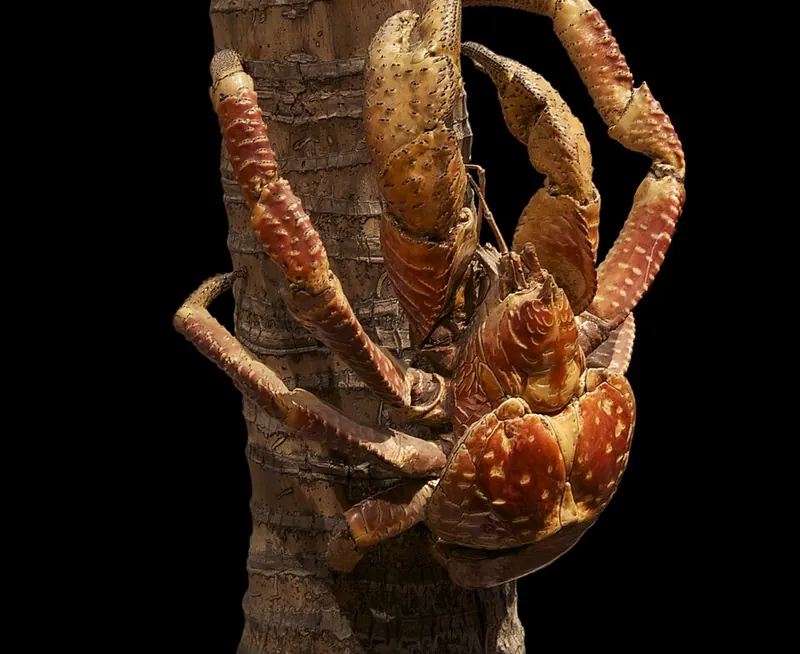
Adults give up their shell and grow a tough armour plate on the abdomen.
Every photograph and every outline comes from a real, openly licensed image, credited at the bottom of its card. Only plain charts are drawn.
The words on these cards are written by AI from the sources named on each card. Software matched every number and claim to a sentence in those sources. Mistakes are still possible, so follow a card's links before relying on it.
Globe dots are real recorded sightings from GBIF. Where a card says native range only, they are clipped to that range. Otherwise they can include zoos, gardens and places the species was introduced.